This vegetable-rich beef lasagne is a balanced, hearty meal that incorporates a variety of garden vegetables into a classic Italian structure. It combines a savory meat sauce with a creamy homemade bechamel for a satisfying and nutritious dinner.
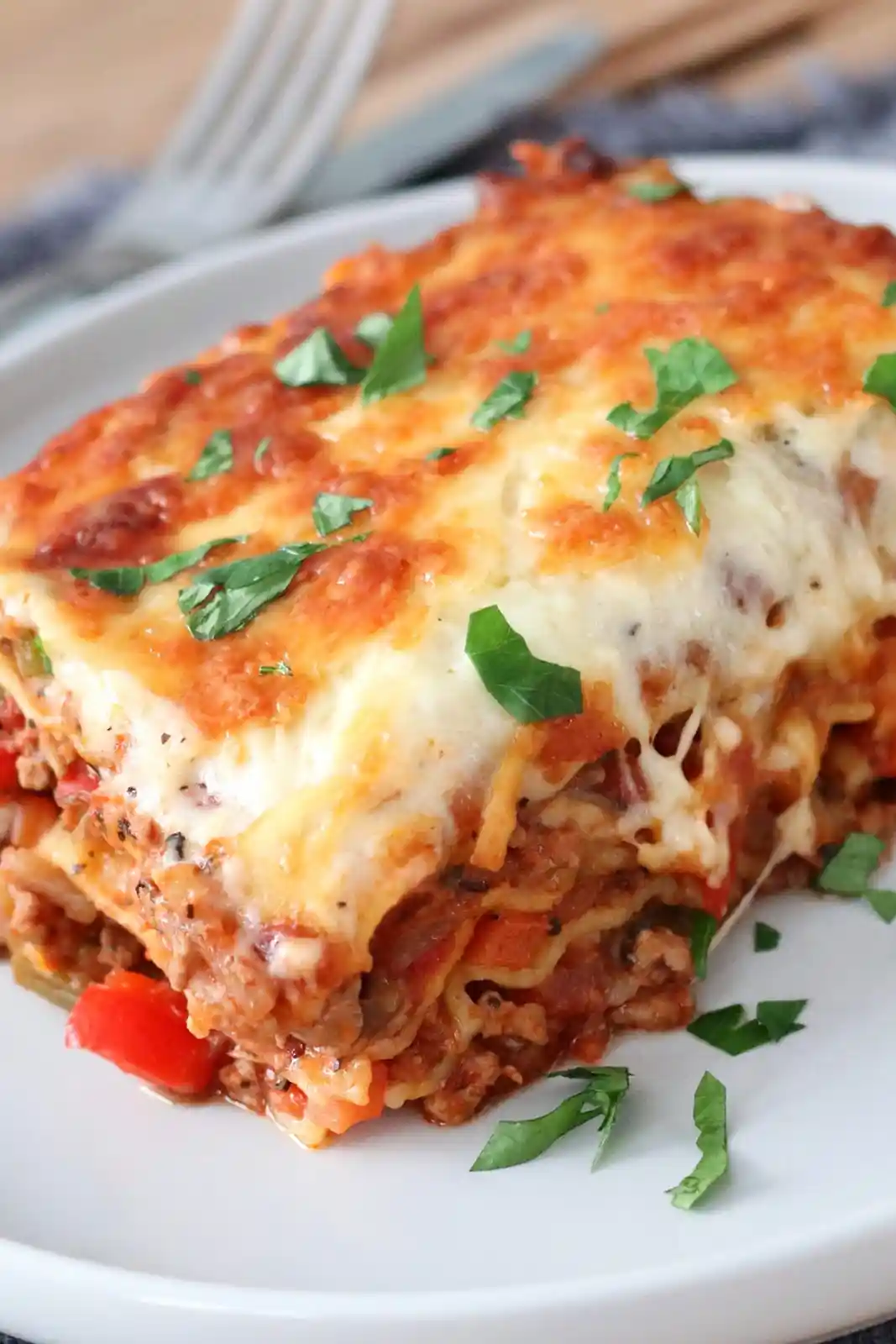
List of ingredients
- Olive oil – for sautéing aromatics.
- 1 onion – finely diced.
- 2 cloves garlic – minced.
- 400g Italian fine stir-fry vegetables – a mix of carrots, green beans, broccoli, red onion, and red pepper.
- 250g chestnut mushrooms – finely chopped.
- 300g lean ground beef – for the base protein.
- 1 tbsp tomato paste – to deepen the color and flavor.
- 400g canned peeled tomatoes – crushed for the sauce.
- 1 tbsp Italian herbs – dried blend for seasoning.
- Freshly ground salt and pepper – to taste.
- 25g butter – for the roux.
- 30g flour – to thicken the bechamel.
- 300ml milk – the liquid base for the white sauce.
- Freshly ground nutmeg – adds a classic aromatic touch.
- 8 lasagne sheets – oven-ready or pre-boiled depending on preference.
- Grated cheese – a mix of mozzarella, emmentaler, and young gouda for the topping.
step-by-step instructions
- Sauté Aromatics: Finely chop the onion and garlic. Heat a splash of olive oil in a large skillet or wok and sauté the onion and garlic on low heat for about 2 minutes.
- Prepare Vegetables: Clean the chestnut mushrooms and chop them into small pieces. Add the chopped mushrooms and the Italian stir-fry vegetable mix to the pan, increase the heat slightly, and sauté for 5 minutes.
- Brown the Meat: Add the lean ground beef to the vegetable mixture. Cook until the meat is fully browned and crumbled.
- Develop Flavor: Stir in the tomato paste and cook for an additional minute to caramelize the paste.
- Simmer the Sauce: Add the canned peeled tomatoes and crush them with a spoon. Stir in the Italian herbs, salt, and pepper, then let the sauce simmer on low heat for 10 minutes until it thickens slightly.
- Create the Roux: Melt the butter in a small saucepan over low heat. Stir in the flour and cook for about one minute until the mixture looks slightly sandy.
- Finish the Bechamel: Gradually pour in half of the milk, stirring constantly to remove lumps, then add the remaining milk. Continue stirring until the sauce is smooth and thickens to a yogurt-like consistency.
- Season the White Sauce: Stir in a pinch of freshly ground nutmeg, salt, and pepper.
- Assemble the Layers: Spread a layer of the vegetable-beef sauce at the bottom of a baking dish (approx. 23 x 16 x 5 cm). Place 2 lasagne sheets on top, followed by another layer of sauce, then 2 sheets, more sauce, 2 sheets, more sauce, and finally 2 sheets topped with a thin layer of sauce.
- Top and Rest: Pour the bechamel sauce evenly over the final layer and sprinkle generously with grated cheese. Cover the dish with aluminum foil and let it rest for 30 to 60 minutes.
- First Bake: Preheat your oven to 200 degrees Celsius. Bake the lasagne with the foil still on for 25 minutes.
- Final Browning: Remove the aluminum foil and bake for another 20 minutes until the cheese is golden brown.
- Set and Serve: Remove from the oven and let the lasagne stand for 10 minutes before slicing. Garnish with freshly chopped parsley if desired.
Vegetable Customization and Prep
Using Fresh Vegetables instead of a Mix
If you cannot find a pre-cut Italian stir-fry mix, you can create your own by finely dicing 100g carrots, 100g green beans, 70g red pepper, 70g red onion, and 70g broccoli. Ensure all vegetables are cut into small, uniform pieces so they cook evenly and integrate well with the meat. This method allows you to control the freshness and ratio of each vegetable.
Adding Leafy Greens for Nutrition
For additional nutrients, stir in two handfuls of fresh baby spinach or chopped kale during the final two minutes of simmering the meat sauce. The residual heat will wilt the greens without overcooking them. This adds a vibrant color and increases the iron content of the dish.
Incorporating Zucchini for Texture
Adding finely diced zucchini can make the lasagne even more moist and tender. Sauté the zucchini along with the mushrooms to remove excess moisture before adding the ground beef. This prevents the final lasagne from becoming too watery.
Bechamel Sauce Mastery
Preventing Flour Lumps
To ensure a perfectly smooth bechamel, add the milk very slowly at first, whisking constantly to create a thick paste before thinning it out. Using a whisk instead of a spoon helps break up any flour clumps more effectively. If lumps persist, you can briefly pulse the sauce with an immersion blender.
Adjusting the Sauce Thickness
The bechamel should reach a consistency similar to thick yogurt. If the sauce is too thin, simmer it on low heat for a few more minutes while stirring. If it becomes too thick, stir in a tablespoon of warm milk to loosen it back to the desired texture.
Enhancing Flavor with Nutmeg
Freshly grated nutmeg is essential for an authentic bechamel flavor. Start with a small pinch, as nutmeg is potent and can easily overpower other ingredients. It provides a subtle warmth that cuts through the richness of the butter and milk.
Protein Choices and Substitutions
Selecting the Best Ground Beef
Use lean ground beef to avoid excess grease pooling at the bottom of your lasagne dish. If you use a higher-fat blend, be sure to brown the meat first and drain the excess fat before adding the vegetables. This ensures the layers remain stable and the taste stays balanced.
Creating a Vegetarian Alternative
To make this recipe vegetarian, replace the ground beef with an additional 300g of finely chopped chestnut mushrooms or a plant-based meat substitute. Increase the amount of Italian herbs slightly to compensate for the loss of savory beef flavor. This version remains hearty and satisfies the same texture requirements.
Using Ground Turkey for Leaner Protein
Ground turkey is an excellent substitute for beef if you prefer a milder taste and lower calorie count. Turkey cooks similarly to beef, though it may require a slightly higher amount of olive oil to prevent sticking. Season with a bit more salt to enhance the natural flavor of the turkey.
Optimal Assembly and Baking
Ensuring Even Layering
When layering the lasagne, avoid piling the sauce too high in the center of the dish. Spread the meat sauce and bechamel evenly to the edges to ensure the pasta sheets cook uniformly. This prevents the edges from drying out while the center remains undercooked.
The Importance of the Resting Period
Allowing the assembled lasagne to rest for 30 to 60 minutes before baking helps the pasta sheets absorb some of the moisture from the sauces. This leads to a more cohesive structure when sliced. Additionally, letting it stand for 10 minutes after baking prevents the layers from sliding apart on the plate.
Using Foil to Prevent Burning
Covering the dish with aluminum foil for the first part of the baking process traps steam, which helps cook the pasta sheets thoroughly. Removing the foil for the final 20 minutes allows the moisture to evaporate and the cheese to brown. This two-step process guarantees a soft interior and a crispy top.
Storage and Preservation
Refrigeration Guidelines
Store leftovers in an airtight container in the refrigerator for up to three to four days. Lasagne often tastes better the next day as the flavors have more time to meld together. Ensure the dish is cooled to room temperature before sealing it to prevent condensation.
Freezing and Thawing Methods
You can freeze the lasagne either before or after baking. If freezing before baking, wrap the dish tightly in plastic wrap and foil. To thaw, move the lasagne to the refrigerator 24 hours before reheating to ensure it defrosts evenly.
Reheating for Best Quality
The best way to reheat lasagne is in the oven at 175 degrees Celsius, covered with foil, until heated through. This preserves the texture of the pasta and the crispness of the cheese. If using a microwave, add a teaspoon of water to the plate to keep the pasta from drying out.
Common Cooking Challenges
Solving the Hard Pasta Issue
If you find the pasta sheets are still hard after baking, it is usually due to a lack of moisture in the sauces. Ensure your meat sauce is not too dry and that you have used enough bechamel. If this happens, add a bit more sauce on top and bake for another 10 minutes under foil.
Fixing a Watery Lasagne
A watery lasagne often results from vegetables releasing too much liquid during the baking process. To prevent this, sauté the vegetables thoroughly until most of their moisture has evaporated before adding them to the sauce. You can also add a teaspoon of cornstarch to the meat sauce to help bind the liquids.
Dealing with Over-browned Cheese
If the cheese browns too quickly before the pasta is cooked, lower the oven temperature by 10 degrees. You can also keep the foil on for a longer period. If the top is already too dark, simply cover it with foil for the remainder of the baking time.
Frequently Asked Questions
Can I use no-boil lasagne sheets?
Yes, no-boil sheets work perfectly with this recipe. Since the meat sauce is moist and the bechamel provides additional liquid, the sheets will hydrate and cook thoroughly in the oven. Just ensure the sauce completely covers the edges of every sheet.
What is the best cheese for gratin?
A blend of mozzarella for stretch, emmentaler for nuttiness, and young gouda for a classic creamy taste provides the best result. This combination ensures a beautiful golden color and a complex flavor profile that complements the vegetables.
How do I prevent the sauce from separating?
Ensure that you cook the roux (butter and flour) for at least one minute before adding the milk to the bechamel. This properly activates the starch, which acts as an emulsifier. For the meat sauce, simmering it for 10 minutes helps the ingredients bond into a cohesive texture.
Print
Vegetable-Rich Beef Lasagne
- Total Time: 70 minutes
- Yield: 4 servings 1x
- Diet: General
Description
A delicious lasagna packed with plenty of vegetables and a creamy bechamel sauce.
Ingredients
- olive oil
- 1 onion
- 2 cloves garlic
- 400 g Italian finely chopped stir-fry vegetables
- 250 g chestnut mushrooms
- 300 g lean ground beef
- 1 tbsp tomato paste
- 400 g peeled tomatoes (canned)
- 1 tbsp Italian herbs
- freshly ground salt and pepper
- 25 g butter
- 30 g flour
- 300 ml milk
- freshly ground nutmeg
- 8 lasagna sheets
- grated cheese
Instructions
- Step: Finely chop the onion and garlic.
- Step: Heat a splash of olive oil in a large skillet or wok and sauté the onion and garlic for 2 minutes over low heat.
- Step: Clean the mushrooms and chop them into fine pieces.
- Step: Add the mushrooms and stir-fry vegetables to the pan, increase the heat slightly, and fry for 5 minutes.
- Step: Add the ground beef and fry until browned and cooked through.
- Step: Add the tomato paste and fry for another minute.
- Step: Add the peeled tomatoes and crush them with a ladle. Season with 1 tbsp Italian herbs, a pinch of salt, and pepper.
- Step: Let the sauce simmer gently for 10 minutes to thicken.
- Step: Melt the butter in a saucepan over low heat, add the flour and stir well.
- Step: Let the flour cook for about a minute until it looks slightly sandy.
- Step: Stir in the milk in two halves, stirring continuously until the sauce is smooth.
- Step: Season the sauce with freshly ground nutmeg, salt, and pepper.
- Step: Let the sauce thicken over low heat to a yogurt-like consistency.
- Step: Place a layer of the vegetable-meat sauce in the baking dish and top with 2 lasagna sheets, repeating the layers of sauce and sheets, ending with a thin layer of sauce.
- Step: Pour the bechamel sauce over the top and sprinkle with grated cheese.
- Step: Cover the dish with aluminum foil and let it rest for 30-60 minutes.
- Step: Preheat the oven to 200 degrees Celsius.
- Step: Bake the lasagna for 25 minutes with the aluminum foil still on.
- Step: Remove the aluminum foil and bake for another 20 minutes.
- Step: Remove from the oven and let stand for 10 minutes.
- Step: Optionally, sprinkle with freshly chopped parsley.
Notes
For the vegetable mix, you can use 100g carrots, 100g green beans, 70g red pepper, 70g red onion, and 70g broccoli. For the cheese, a mix of mozzarella, emmental, and young Gouda works well for a golden brown crust.
- Prep Time: 25 minutes
- Cook Time: 45 minutes
- Category: Main Course
- Method: Baking
- Cuisine: Italian
Nutrition
- Serving Size: 1 serving
- Calories: 580 kcal
- Sugar: 7 g
- Sodium: 750 mg
- Fat: 22 g
- Saturated Fat: 9 g
- Unsaturated Fat: 13 g
- Trans Fat: 0 g
- Carbohydrates: 48 g
- Fiber: 6 g
- Protein: 32 g
- Cholesterol: 75 mg