This recipe creates a rich, zesty glaze that balances sweetness and acidity for a perfect charred finish on the grill. Using boneless chicken thighs ensures the meat remains juicy and tender throughout the cooking process.
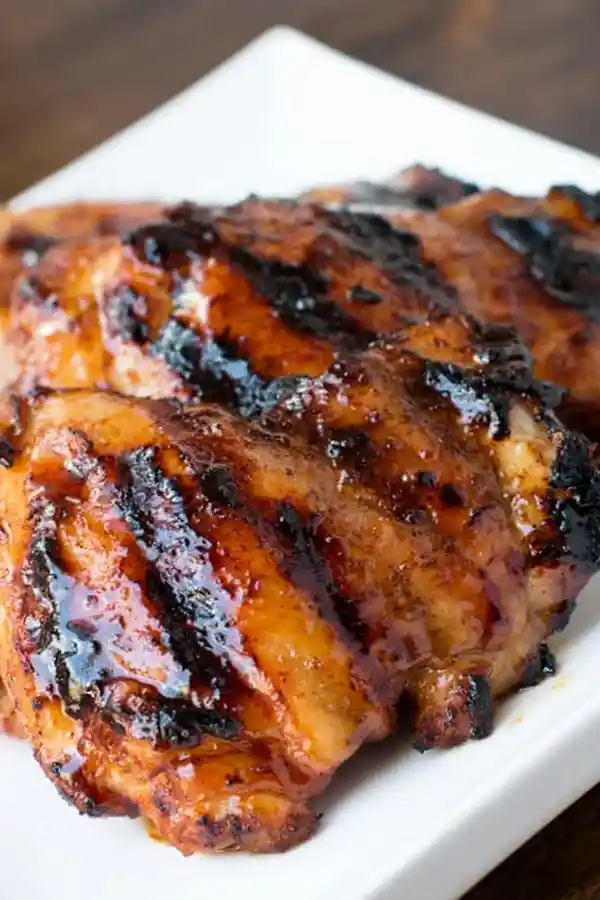
List of ingredients
- Oil – used to coat the meat and prevent sticking.
- 8 boneless chicken thighs – the main protein for the dish.
- 1 lime, juiced – provides a bright, acidic base for the glaze.
- 1 cup honey – creates the characteristic sticky texture and sweetness.
- 1 tablespoon apple cider vinegar – adds a tang that cuts through the honey.
- 2 teaspoons chili powder – provides a mild warmth and color.
- 1 1/4 teaspoon cumin – adds an earthy depth to the spice rub.
- 1 teaspoon garlic salt – provides savory seasoning.
- 1/4 teaspoon pepper – adds a basic pungent note.
- 1/2 teaspoon ground coriander – offers a subtle citrus-like flavor.
- 1/2 teaspoon onion powder – enhances the overall savory profile.
step-by-step instructions
- Prepare the grill: Heat your grill to medium-high heat to ensure a good sear.
- Simmer the glaze: Combine lime juice, honey, and vinegar in a small saucepan over medium heat. Bring the mixture to a simmer, then remove it from the heat to cool.
- Season the meat: Lightly rub oil over each chicken thigh. Mix the chili powder, cumin, garlic salt, pepper, coriander, and onion powder in a small bowl, then rub the spice blend evenly over the chicken.
- Initial grilling: Place the thighs on the grill and cook for 3 to 5 minutes.
- First baste: Flip the chicken over and begin brushing on half of the prepared sauce mixture.
- Continue cooking: Allow the chicken to cook for another 4 to 6 minutes.
- Final baste: Flip the chicken once more and baste the opposite side immediately before removing it from the grill. Cook for one final minute.
- Finish and serve: Remove the meat from the grill and dip each piece into the remaining sauce before serving.
Optimizing Meat Selection for Grilling
Benefits of Using Boneless Thighs
Boneless chicken thighs are ideal for high-heat grilling because they contain more fat than breasts. This prevents the meat from drying out and allows for a more forgiving cooking window. They maintain a succulent texture even if cooked slightly longer.
Adjusting for Bone-In Thighs
If using bone-in thighs, increase the cooking time significantly. These typically require 10 minutes per side over medium heat. Always use a thermometer to ensure the center reaches the safe temperature.
Evaluating Meat Quality
Choose thighs with a consistent color and minimal excess connective tissue. Fresh meat will have a slight spring to it when pressed. Avoid pieces with excessive bruising or discoloration.
Mastering the Sticky Glaze
Balancing Sweetness and Acidity
The combination of honey and lime juice creates a chemical balance that prevents the dish from tasting too sugary. The apple cider vinegar adds a third layer of acidity. This ensures the glaze tastes bright rather than cloying.
Preventing Sauce Burn
Honey contains high amounts of natural sugar, which caramelizes quickly. To avoid burning, only apply the sauce during the final minutes of cooking. This creates a sticky coating without creating bitter, charred spots.
Achieving the Right Consistency
Simmering the sauce before use helps evaporate excess water and concentrates the flavors. Cooling the sauce before basting prevents it from thinning out too quickly when it hits the hot meat. This results in a thicker, more adherent glaze.
Advanced Grilling Techniques
Maintaining Consistent Heat Zones
If using a charcoal grill, create a two-zone fire with coals on one side. Sear the chicken over the direct heat and move it to the indirect side if the exterior browns too quickly. This ensures the interior is cooked through without burning the rub.
Managing Grill Flare-ups
Honey-based sauces can drip and cause sudden flames. Keep a spray bottle of water nearby or move the meat to a cooler part of the grill immediately. Avoid over-basting to minimize oil and sugar drippings.
Proper Meat Resting
Allow the grilled chicken to rest for 5 minutes after dipping in the final sauce. This allows the juices to redistribute within the fibers. Resting prevents the moisture from running out as soon as the meat is sliced.
Flavor Variations and Substitutions
Using Maple Syrup as a Sweetener
Maple syrup can be substituted for honey in a 1:1 ratio. This will shift the flavor profile toward a woodier, autumnal taste. It still provides the necessary sugars for a sticky glaze.
Alternative Citrus Options
If limes are unavailable, lemon juice provides a similar acidic punch. For a sweeter, more floral note, orange juice can be used. Adjust the vinegar amount if the substitute is significantly sweeter.
Adding Spicy Elements
To increase the heat, add a pinch of cayenne pepper or red pepper flakes to the dry rub. Alternatively, stir a teaspoon of Sriracha or chipotle paste into the honey glaze. This adds a smoky heat that complements the lime.
Substituting the Vinegar
White distilled vinegar or rice vinegar can be used if apple cider vinegar is missing. Rice vinegar is milder and works well for a more Asian-inspired flavor profile. White vinegar is sharper and provides a cleaner acidic cut.
Recommended Side Dish Pairings
Complementary Grilled Vegetables
Grilled asparagus or zucchini spears pair well with the lime and honey flavors. Brush them with olive oil and salt before grilling them alongside the chicken. The charred vegetables mirror the smokiness of the meat.
Starch-Based Accompaniments
Serve the chicken over a bed of coconut rice or quinoa for a tropical feel. The neutral flavor of the grains absorbs the excess sticky sauce. Roasted sweet potatoes also provide a sweetness that matches the honey glaze.
Fresh Salad Combinations
A crisp cucumber salad with a light vinaigrette cleanses the palate between bites of rich chicken. Mix sliced cucumbers, red onions, and fresh cilantro. Use a splash of lime juice to tie the salad to the main course.
Storage and Food Safety
Refrigeration Guidelines
Store leftover grilled chicken in an airtight container in the refrigerator. It will remain safe to eat for 3 to 4 days. Ensure the meat is cooled slightly before sealing to prevent excess condensation.
Freezing Cooked Chicken
Cooked thighs can be frozen for up to three months. Wrap them tightly in foil and place them in a freezer-safe bag to prevent freezer burn. Thaw them slowly in the refrigerator overnight before reheating.
Safe Thawing Practices
Never thaw frozen chicken on the kitchen counter at room temperature. Use the refrigerator or a cold water bath, changing the water every 30 minutes. This prevents the outer layers from reaching temperatures where bacteria grow.
Best Reheating Methods
Using the Oven for Texture
Preheat the oven to 350 degrees Fahrenheit. Place the chicken on a baking sheet and cover with foil to retain moisture. Heat for 10 to 15 minutes until the internal temperature reaches 165 degrees.
Quick Microwave Reheating
Place chicken pieces on a microwave-safe plate and cover with a damp paper towel. Heat on medium power in 30-second intervals. This prevents the honey glaze from becoming rubbery or overheating.
Air Fryer Refresh
Place the chicken in the air fryer at 375 degrees Fahrenheit for 3 to 5 minutes. This method helps restore some of the exterior stickiness and char. Be careful not to overcook, as thighs can dry out quickly in an air fryer.
Make-Ahead Planning
Preparing the Glaze in Advance
The honey lime sauce can be made up to 48 hours before grilling. Store it in a glass jar in the refrigerator. Gently warm it or let it reach room temperature before basting.
Pre-Seasoning the Meat
Rub the spices onto the chicken 2 to 4 hours before cooking. This allows the salt and cumin to penetrate deeper into the meat. Keep the seasoned chicken refrigerated until it is time to hit the grill.
Organizing the Prep Station
Set up a mise en place by measuring all spices and juicing the lime before starting the grill. This prevents the meat from sitting too long at room temperature. Have your basting brush and dipping bowl ready for the final stages.
Troubleshooting Common Issues
Fixing a Sauce that is Too Sweet
If the glaze tastes overly sweet, stir in an extra teaspoon of apple cider vinegar. A small pinch of salt can also balance the sugar. Adding a squeeze of fresh lime juice at the end can brighten the flavor.
Dealing with Dry Meat
If the chicken comes out dry, it was likely overcooked or grilled at too high a temperature. To salvage it, serve the meat with extra sauce or slice it thinly across the grain. Next time, use a thermometer to pull the meat at exactly 165 degrees.
Correcting a Rub that Won’t Stick
If the dry rub falls off the meat, you may not have used enough oil. Ensure the chicken is lightly coated in oil before applying the spices. Press the rub firmly into the meat with your palms.
Frequently Asked Questions
Can I use chicken breasts instead of thighs?
Yes, but be cautious with the cooking time. Breasts cook faster and dry out more easily than thighs. Reduce the grilling time and check the internal temperature more frequently.
What is the best oil for this recipe?
Grapeseed, canola, or avocado oil are best because they have high smoke points. Avoid using extra virgin olive oil for high-heat grilling as it can smoke and turn bitter.
How do I know when the chicken is fully cooked?
The most accurate method is using a meat thermometer to reach 165 degrees Fahrenheit. Alternatively, the juices should run clear when the thickest part of the meat is pierced.
Can I make this recipe in an oven?
Yes, bake the seasoned chicken at 400 degrees Fahrenheit for 20-25 minutes. Baste with the sauce during the last 5 minutes and finish under the broiler for 2 minutes to get the char.
Is the lime juice necessary?
The lime juice is essential for the chemical balance of the dish. It tenderizes the meat and prevents the honey from being overwhelming. If you don’t have lime, use lemon as a direct substitute.
Print
Sticky Honey Lime Grilled Chicken
- Total Time: 15 minutes
- Yield: 8 servings 1x
- Diet: General
Description
Juicy and flavorful boneless chicken thighs grilled with a savory spice rub and finished with a sticky honey lime glaze.
Ingredients
- Oil
- 8 boneless chicken thighs
- 1 lime, juiced
- 1 cup honey
- 1 tablespoon apple cider vinegar
- 2 teaspoons chili powder
- 1 1/4 teaspoon cumin
- 1 teaspoon garlic salt
- 1/4 teaspoon pepper
- 1/2 teaspoon ground coriander
- 1/2 teaspoon onion powder
Instructions
- Heat: Heat the grill to medium high heat.
- Simmer: In a small saucepan over medium heat, melt the lime juice, honey and vinegar together, bring to a simmer and then remove from the burner to cool.
- Season: Rub a little oil all over the chicken then mix the seasonings together in a small bowl and rub all over the chicken.
- Grill: Place on the grill for 3-5 minutes, flip over and begin to baste with half of the sauce mixture.
- Cook: Allow to cook for another 4-6 minutes.
- Baste: Flip the chicken and baste the other side right before removing from the grill, and allow to cook for another minute.
- Finish: Take the meat off of the grill and dip each piece in the remaining sauce then serve.
Notes
Grilled chicken will keep for 3-4 days in the refrigerator.
- Prep Time: 5 minutes
- Cook Time: 10 minutes
- Category: Main Course
- Method: Grilling
- Cuisine: American
Nutrition
- Serving Size: 1 chicken thigh
- Calories: 466 kcal
- Sugar: 35 g
- Sodium: 580 mg
- Fat: 24 g
- Saturated Fat: 7 g
- Unsaturated Fat: 17 g
- Trans Fat: 0 g
- Carbohydrates: 37.2 g
- Fiber: 0.7 g
- Protein: 25.1 g
- Cholesterol: 146 mg