This garlic butter marinade ensures your chicken remains juicy and flavorful regardless of the cooking method you choose. It uses simple pantry staples to create a rich, savory glaze that elevates standard poultry dishes.

List of ingredients
- 1/4 cup unsalted butter (melted) – provides essential richness and fat.
- 1/2 cup chicken stock – adds savory depth and keeps the meat moist.
- 3 cloves of minced garlic – delivers a pungent, aromatic base.
- 2 tbsp chopped parsley – adds a touch of fresh herbal brightness.
- 1 tsp salt – enhances the overall flavor profile of the meat.
- 1 tsp freshly ground black pepper – provides a subtle, warm spice.
- 2 tbsp vinegar – offers necessary acidity to tenderize the muscle fibers.
- 1 tsp honey or maple syrup (optional) – encourages better caramelization during cooking.
- (Designed for 4 chicken breasts)
step-by-step instructions
- Blend Liquid Base: In a medium-sized mixing bowl, combine the melted butter, chicken stock, and vinegar, whisking until the mixture is well blended.
- Add Seasonings: Stir in the minced garlic, chopped parsley, ground black pepper, and salt; include red pepper flakes if you prefer a hint of heat.
- Prepare Meat: Place the chicken breasts or thighs into a large, resealable plastic bag or a shallow glass dish.
- Coat Chicken: Pour the prepared marinade over the chicken, making sure every piece is thoroughly and evenly coated.
- Marinate: Seal the bag or cover the dish and place it in the refrigerator for at least 30 minutes, though 2-4 hours or overnight is ideal for maximum flavor absorption.
Cooking Methods for Marinated Chicken
Grilling for a Smoky Finish
Preheat your grill to medium-high heat to achieve a good sear. Remove the chicken from the marinade and let excess liquid drip off to prevent excessive flare-ups from the butter. Grill for 6-8 minutes per side until the internal temperature reaches 165°F (74°C).
Oven Baking for Even Cooking
Set your oven to 400°F (200°C) and place the marinated pieces in a baking dish. Bake for 20-25 minutes, depending on the thickness of the breasts. Use a meat thermometer to ensure the center reaches 165°F (74°C) without overcooking the edges.
Pan-Searing for a Golden Crust
Heat a large skillet over medium-high heat with one tablespoon of olive oil. Cook the chicken for 6-7 minutes on each side until a deep golden-brown crust forms. This method is fastest and works well for thinner cutlets or pounded chicken breasts.
Optimizing the Marination Process
Ideal Marination Timeframes
A quick 30-minute soak provides basic flavor and moisture. For deeper penetration, 2 to 4 hours allows the acidity of the vinegar to work on the proteins. Overnight marination is the gold standard for the most intense flavor profiles.
Using Resealable Bags for Better Coverage
Plastic zip-top bags are superior to bowls because they force the marinade into constant contact with the meat. Squeeze out as much air as possible before sealing to eliminate gaps. This ensures that every square inch of the chicken is seasoned.
Maintaining Safe Temperatures
Always marinate your chicken in the refrigerator rather than on the counter. Keeping the meat below 40°F (4°C) prevents the growth of harmful bacteria. Avoid leaving the meat at room temperature for more than 15 minutes before cooking.
Ingredient Substitutions and Tweaks
Replacing Chicken Stock
If you lack chicken stock, vegetable broth is an excellent alternative that maintains the savory base. Water can be used in a pinch, though you should add an extra pinch of salt to compensate for the lost depth. A splash of clam juice can also add a unique briny quality.
Vinegar Alternatives for Different Tanginess
Apple cider vinegar provides a slightly fruity undertone that pairs well with the honey. White distilled vinegar offers a sharper, cleaner acidity that cuts through the butter. Fresh lemon juice can replace vinegar for a brighter, citrus-forward flavor profile.
Sweetener Options for Caramelization
While honey is standard, maple syrup adds a distinct woody sweetness. Brown sugar is another great option for those who want a more molasses-like crust. If you prefer a savory profile without sweetness, simply omit the sweetener entirely.
Herb Variations for New Flavor Profiles
Substitute parsley with fresh cilantro for a more zesty, lime-like accompaniment. Dried oregano or thyme can be used if fresh herbs are unavailable, though you should reduce the quantity by half. Fresh basil adds a sweet, peppery note that works well for Italian-style chicken.
Serving Suggestions and Pairings
Best Side Vegetables
Roasted carrots and broccoli provide a sweet and charred contrast to the buttery chicken. Sautéed spinach or steamed asparagus offers a lighter, nutrient-dense side. Grilled zucchini slices also complement the garlic notes of the marinade.
Grain Options for Plating
Fluffy white or brown rice is ideal for absorbing any extra pan juices from the chicken. Quinoa provides a nuttier flavor and more protein to the meal. Garlic mashed potatoes are a classic choice that echoes the flavors in the marinade.
Fresh Salad Pairings
A crisp Caesar salad adds a salty, creamy element that balances the rich butter. A simple garden salad with a lemon vinaigrette cuts through the fat of the chicken. A spinach salad with sliced strawberries and feta adds a sweet and tangy contrast.
Storage and Food Safety
Storing Leftover Marinade
Do not reuse marinade that has already touched raw chicken as a sauce unless it is boiled first. To store unused marinade, keep it in an airtight jar in the fridge for up to 5 days. Label the date to ensure freshness.
Refrigerating Cooked Chicken
Place cooked chicken in a shallow airtight container and cool it quickly before refrigerating. Store it for up to 3 to 4 days. Ensure the container is sealed tightly to prevent the meat from picking up other odors in the fridge.
Freezing Marinated Chicken
You can freeze chicken directly in the marinade bag for up to 3 months. The meat marinates as it thaws in the refrigerator, which is a great time-saving meal prep trick. Thaw completely in the fridge before cooking to ensure even heating.
Reheating Tips
Using an Oven to Prevent Drying
Preheat the oven to 325°F (160°C) and place the chicken in a baking dish with a tablespoon of water or stock. Cover with foil to trap steam and heat until warmed through. This prevents the edges from becoming tough or dry.
Quick Microwave Reheating
Place the chicken on a microwave-safe plate and cover it with a damp paper towel. Heat in 30-second intervals on medium power to avoid rubbery texture. This is the fastest method but can lead to uneven heating if not monitored.
Pan-Heating with Extra Butter
Add a small knob of butter to a skillet over medium heat. Sauté the sliced chicken briefly until it is heated through and the edges are slightly crisped. This restores the rich mouthfeel of the original dish.
Common Troubleshooting
Preventing the Honey from Burning
Honey contains sugars that burn quickly over high heat, creating a bitter taste. If using a grill or pan, keep the heat at medium-high rather than high. If the chicken browns too quickly, move it to a cooler part of the grill.
Fixing a Too-Salty Marinade
If the marinade tastes overly salty, add an extra tablespoon of chicken stock or a squeeze of lemon. The acidity and additional liquid will dilute the salt concentration. You can also add a bit more honey to balance the saltiness.
Avoiding Overcooked Chicken
Chicken breasts can dry out quickly if cooked past 165°F (74°C). Use a digital meat thermometer to pull the chicken off the heat exactly at the target temperature. Let the meat rest for 5 minutes to allow juices to redistribute.
Frequently Asked Questions
Can I use this on chicken thighs?
Yes, chicken thighs are excellent for this marinade as their higher fat content makes them even more succulent. They may require a few extra minutes of cooking time compared to breasts.
Is it possible to freeze the chicken in the marinade?
Yes, freezing chicken in the marinade is a great way to prep meals. The chicken will marinate during the thawing process in your refrigerator.
What happens if I marinate for too long?
Marinating for more than 24 hours can cause the vinegar to break down the meat fibers too much, resulting in a mushy texture. Stick to a maximum of 24 hours for the best results.
Do I need to pat the chicken dry before cooking?
No, you do not need to pat it dry because the butter and honey in the marinade help create a beautiful browned crust. Just let the excess liquid drip off to avoid splattering.
Print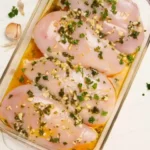
Savory Garlic Butter Chicken Marinade
- Total Time: 35 minutes
- Yield: 4 servings 1x
- Diet: General
Description
An easy homemade garlic butter chicken marinade designed to elevate your chicken, ensuring it stays juicy and flavorful whether you grill, bake, or pan-fry.
Ingredients
- 1/4 cup unsalted butter (melted)
- 1/2 cup chicken stock
- 3 cloves of minced garlic
- 2 tbsp chopped parsley
- 1 tsp salt
- 1 tsp freshly ground black pepper
- 2 tbsp vinegar
- 1 tsp honey (or maple syrup), optional
Instructions
- Step 1: In a medium-sized mixing bowl, combine the melted butter, chicken stock and vinegar. Whisk until the ingredients are well combined.
- Step 2: Add the minced garlic, chopped parsley, ground black pepper, and salt. If you like a bit of heat, throw in the red pepper flakes. Whisk again to ensure all the spices are evenly distributed.
- Step 3: Place the chicken breasts (or thighs) in a large, resealable plastic bag or a shallow dish.
- Step 4: Pour the marinade over the chicken, making sure each piece is well coated.
- Step 5: Seal the bag or cover the dish, and place it in the refrigerator. Allow the chicken to marinate for at least 30 minutes. For best results, marinate for 2-4 hours. If you have the time, overnight marination is ideal for maximum flavor absorption.
Notes
Allow the chicken to rest for a few minutes after cooking to retain its juices. For the most flavor, let your chicken marinate for 2-4 hours or overnight.
- Prep Time: 10 minutes
- Cook Time: 25 minutes
- Category: Dinner
- Method: Marinating
- Cuisine: American
Nutrition
- Serving Size: 1 serving
- Calories: 127 kcal
- Sugar: 2 g
- Sodium: 632 mg
- Fat: 12 g
- Saturated Fat: 7 g
- Unsaturated Fat: 4 g
- Trans Fat: 0 g
- Carbohydrates: 4 g
- Fiber: 1 g
- Protein: 1 g
- Cholesterol: 31 mg