Prepare a restaurant-quality dinner with these perfectly glazed salmon fillets. This method ensures a caramelized exterior and moist interior for a satisfying seafood meal.
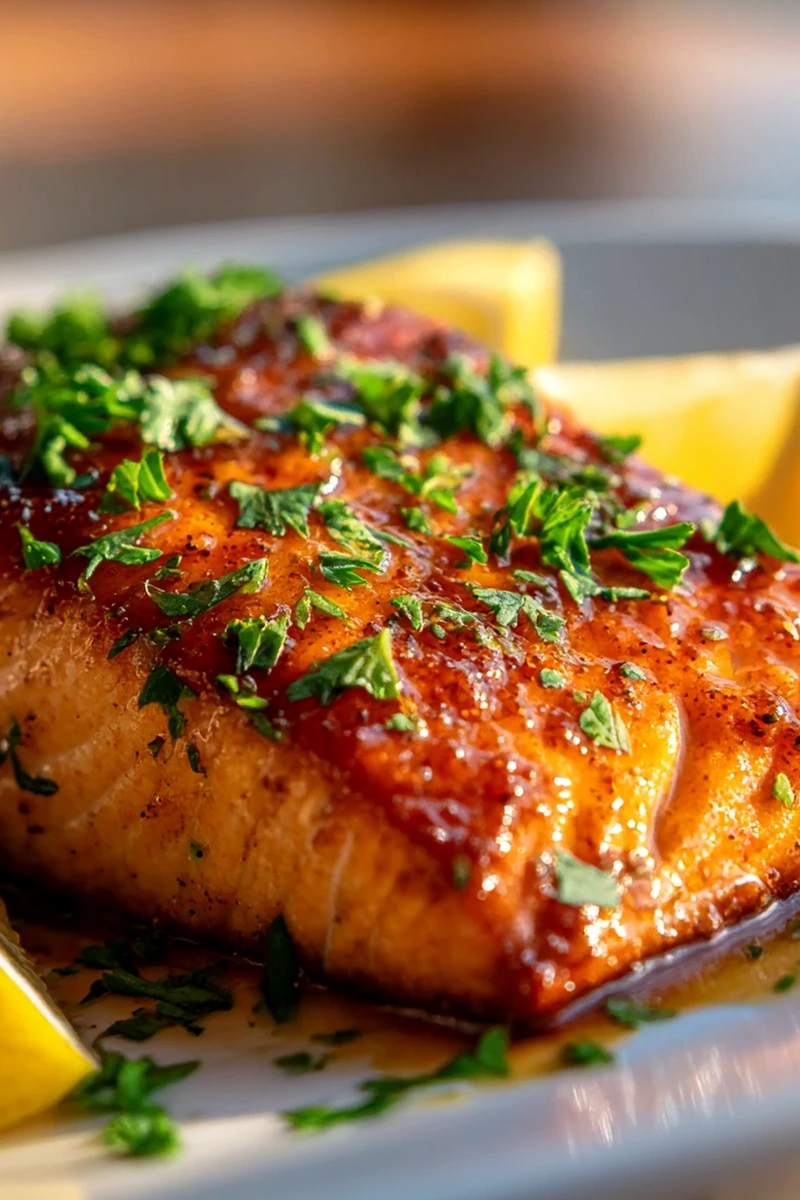
List of ingredients
- 4 salmon fillets (about 6 ounces each and 1-inch thick) – Use Atlantic or Sockeye for best results.
- 1 tablespoon olive oil – Helps the rub adhere and prevents sticking.
- ½ tablespoon unsalted butter (per fillet) – Adds richness and a professional finish.
- 1 fresh lemon – Provides essential acidity to balance the sweetness.
- 1 tablespoon light brown sugar – Creates the signature caramelized glaze.
- 1 teaspoon garlic powder – Adds savory depth without burning.
- 1 teaspoon onion powder – Enhances the overall flavor profile.
- 1 teaspoon smoked paprika – Provides a subtle smoky aroma and color.
- ½ teaspoon salt – Standard seasoning to enhance flavors.
- ½ teaspoon freshly ground black pepper – Adds a mild spicy kick.
- ¼ teaspoon cayenne pepper (optional) – Use for a touch of warmth.
step-by-step instructions
- Prepare the fish: Pat the salmon fillets completely dry with paper towels to ensure a better sear and rub adherence.
- Mix the rub: In a small bowl, combine 1 tablespoon light brown sugar, 1 teaspoon garlic powder, 1 teaspoon onion powder, 1 teaspoon smoked paprika, ½ teaspoon salt, ½ teaspoon freshly ground black pepper, and ¼ teaspoon cayenne pepper if using.
- Coat with oil: Lightly brush or rub about 1 tablespoon of olive oil all over both sides of each salmon fillet.
- Apply seasoning: Generously sprinkle and gently rub the prepared spice mixture onto the top, bottom, and sides of each fillet.
- Prepare the grill: Preheat the grill to medium-high heat (400-450°F) and clean the grates thoroughly with a wire brush before lightly oiling them.
- Initial grill: Place the salmon fillets skin-side down on the hot grates and grill for 4-6 minutes.
- Flip and finish: Use a wide, thin spatula to flip the fillets and grill for another 3-5 minutes until the fish flakes easily with a fork.
- Prepare for baking: Preheat the oven to 400°F and line a baking sheet with greased parchment paper or aluminum foil.
- Bake the fish: Place the seasoned fillets on the sheet without touching and bake for 12-18 minutes.
- Add butter: Transfer the cooked salmon to a plate and place a small pat of unsalted butter on top of each piece while hot.
- Final touch: Squeeze fresh lemon juice over each fillet and serve with extra lemon wedges.
Selecting the Best Salmon Fillets
Choose Atlantic Salmon for Mild Flavor
Atlantic salmon is generally prized for its higher fat content, which makes it very forgiving during the cooking process. This variety results in a buttery texture that pairs perfectly with the brown sugar glaze. It is widely available and usually provides consistent thickness for even cooking.
Opt for Sockeye Salmon for Richer Taste
Sockeye salmon has a deeper red color and a more robust, fishy flavor than Atlantic varieties. It is leaner, so you must be careful not to overcook it as it can dry out faster. This is an excellent choice for those who prefer a bold seafood taste.
Handling Frozen Salmon Fillets
If using frozen fillets, thaw them slowly in the refrigerator for 24 hours before cooking. Avoid thawing at room temperature to prevent bacterial growth and maintain the cellular structure of the fish. Always pat frozen-then-thawed fillets extra dry, as they release more moisture.
Benefits of Skin-On Fillets
Keeping the skin on provides a protective barrier between the delicate flesh and the high heat of the grill. This prevents the fish from falling apart when flipping and helps maintain internal moisture. Additionally, the skin becomes crispy and flavorful when seared correctly.
Essential Cooking Techniques
Use a Digital Thermometer for Accuracy
The most reliable way to avoid overcooking is to use an instant-read meat thermometer. Aim for an internal temperature of 145°F at the thickest part of the fillet. Remove the salmon from the heat slightly before it reaches this target, as carry-over cooking will finish the process.
Maximize Sear with Thorough Drying
Water on the surface of the fish creates steam, which prevents the Maillard reaction and results in a pale, boiled appearance. Use high-absorbent paper towels to remove every bit of surface moisture before applying oil. This ensures the brown sugar caramelizes into a crisp crust.
Mastering the Grill Flip
Avoid flipping the salmon too early, as the fish will naturally release from the grill once a proper crust has formed. Use a wide, thin metal spatula to slide under the fillet in one smooth motion. Flipping only once prevents the fish from breaking or losing its seasoning.
Optimize Oven Airflow for Baking
When baking, leave at least one inch of space between each fillet on the baking sheet. Crowding the pan creates steam and prevents the sides of the fish from roasting. This spacing ensures that the heat circulates evenly for a consistent cook.
Flavor Substitutions and Variations
Replace Brown Sugar with Natural Syrups
If you do not have light brown sugar, honey or maple syrup can provide a similar sweetness. Since these are liquids, mix them with the dry spices to form a paste rather than a rub. Be aware that liquid sweeteners can burn faster, so monitor the heat closely.
Swap Smoked Paprika for Sweet Paprika
If smoked paprika is unavailable, regular sweet paprika will provide the desired reddish color and a mild pepper flavor. However, you will lose the campfire undertone that defines this recipe. You can add a tiny drop of liquid smoke to the oil to compensate.
Adjusting the Heat Level
For those who prefer a spicier dish, increase the cayenne pepper to ½ teaspoon or add a pinch of crushed red pepper flakes. If you are cooking for children or those sensitive to heat, omit the cayenne entirely. The flavor profile remains balanced without the extra spice.
Dairy-Free Butter Alternatives
To make this recipe dairy-free, replace the unsalted butter with a high-quality plant-based butter or a drizzle of extra virgin olive oil. A small piece of vegan butter provides a similar richness and melt-factor. This keeps the salmon moist without using animal-derived dairy.
Complementary Side Dish Ideas
Roasted Green Beans with Garlic
Toss fresh green beans in olive oil, minced garlic, and salt before roasting them at 400°F for 15 minutes. The bitterness of the beans cuts through the sweetness of the salmon glaze. This side adds a bright green color and a nutritional balance to the plate.
Classic Fluffy Baked Potato
A large russet potato baked until the skin is crisp and the inside is fluffy is a traditional pairing. Load it with chives, a dollop of Greek yogurt, and salt to complement the savory notes of the salmon. The starchiness helps soak up any remaining lemon butter sauce.
Fresh Garden Salad with Vinaigrette
Combine mixed greens, sliced cucumbers, cherry tomatoes, and red onions for a refreshing contrast. Use a light lemon-herb vinaigrette to mirror the lemon used on the fish. The acidity of the salad cleanses the palate between bites of the rich salmon.
Hearty Rice Pilaf
Cook long-grain white rice with vegetable broth and sautéed onions for a savory base. This dish provides a neutral backdrop that lets the bold spices of the salmon shine. Adding a few chopped parsley leaves at the end adds a fresh, herbal note.
Storage and Maintenance
Refrigerate in Airtight Glass Containers
Store leftover cooked salmon in a sealed glass container to prevent the fish from absorbing odors from other foods. Keep it in the coldest part of the refrigerator, away from the door. Properly stored salmon will remain safe and tasty for up to 3-4 days.
Avoid Freezing Cooked Salmon
Freezing salmon after it has been cooked often results in a mushy or overly dry texture upon thawing. The cell walls of the fish break down further during the second freeze-thaw cycle. It is best to cook only what you need or freeze raw fillets instead.
Thaw Frozen Fillets Safely
Always thaw frozen salmon in the refrigerator overnight rather than on the counter. Slow thawing preserves the texture and prevents the fish from becoming watery. If you are in a rush, place the vacuum-sealed fillet in a bowl of cold water, changing the water every 30 minutes.
Gentle Oven Reheating Method
Reheat salmon in the oven at 275°F to avoid overcooking it again. Place the fillets on a tray, add a teaspoon of water or a slice of lemon, and cover loosely with foil. Heat for 10-12 minutes until just warmed through.
Precautions for Microwave Reheating
If using a microwave, use the medium power setting to prevent the fish from becoming rubbery. Cover the salmon with a damp paper towel to trap moisture. Heat in 30-second intervals, checking frequently to ensure the fish does not overheat.
Repurposing Leftover Salmon
Cold leftover salmon can be flaked and mixed with Greek yogurt, lemon, and dill for a high-protein salmon salad. You can also toss it into a creamy pasta dish or add it to scrambled eggs for breakfast. This prevents waste while offering a new flavor experience.
Troubleshooting Common Issues
Preventing the Salmon from Sticking
If your salmon sticks to the grill, it is usually because the pan wasn’t hot enough or the fish was flipped too soon. Ensure the grates are well-oiled and wait for the fish to naturally release. Using skin-on fillets significantly reduces this risk.
Managing Burnt Sugar in the Rub
Brown sugar can burn and turn bitter if the heat is too high for too long. If you notice the crust darkening too quickly, move the fillets to a cooler part of the grill. In the oven, ensure you are using the middle rack for even heat distribution.
Fixing Dry Salmon
Dry salmon is almost always a result of overcooking. If you find your fish is too dry, try reducing the cook time by 2 minutes next time. You can salvage dry leftovers by flaking them into a sauce or mixing them with mayonnaise.
Dealing with Excessive White Protein (Albumin)
The white stuff that appears on salmon is called albumin, which is just protein pushing out of the muscle. While it is safe to eat, it can be unsightly. To minimize this, avoid cooking the fish at extremely high temperatures for too long.
Frequently Asked Questions
What is the best internal temperature for salmon?
For a medium cook, aim for 145°F (63°C). Some prefer it slightly lower, around 130°F to 135°F, for a more tender, translucent center.
Can I use frozen salmon for this recipe?
Yes, you can use frozen salmon as long as it is completely thawed and patted dry. Thawing in the fridge is the best method for maintaining quality.
How do I know when the salmon is perfectly cooked?
The salmon is done when it transitions from translucent to opaque and flakes easily when pressed with a fork. A meat thermometer is the most accurate tool.
Can I make this recipe in an air fryer?
Yes, you can air fry these fillets at 400°F for 7-10 minutes. Ensure you lightly grease the air fryer basket to prevent the sugar in the rub from sticking.
Which oil is best for searing salmon?
Olive oil is excellent for general use, but avocado oil is better for very high-heat grilling due to its higher smoke point. Both work well with this specific recipe.
Print
Restaurant Style Glazed Salmon Fillets
- Total Time: 30 minutes
- Yield: 4 servings 1x
- Diet: General
Description
Recreate the mouthwatering flavors of Texas Roadhouse Salmon right in your kitchen with this easy recipe. Enjoy flaky, tender salmon fillets coated in a sweet and savory glaze that rivals the restaurant’s signature dish.
Ingredients
- 4 salmon fillets (about 6 ounces each and 1-inch thick)
- 1 tablespoon olive oil
- 2 tablespoons unsalted butter (divided, ½ tablespoon per fillet)
- 1 fresh lemon
- 1 tablespoon light brown sugar
- 1 teaspoon garlic powder
- 1 teaspoon onion powder
- 1 teaspoon smoked paprika
- ½ teaspoon salt
- ½ teaspoon freshly ground black pepper
- ¼ teaspoon cayenne pepper (optional)
Instructions
- Step: Pat the salmon fillets completely dry with paper towels.
- Step: In a small bowl, combine 1 tablespoon light brown sugar, 1 teaspoon garlic powder, 1 teaspoon onion powder, 1 teaspoon smoked paprika, ½ teaspoon salt, ½ teaspoon freshly ground black pepper, and ¼ teaspoon cayenne pepper (if using).
- Step: Lightly brush or rub about 1 tablespoon of olive oil all over both sides of each salmon fillet.
- Step: Generously sprinkle and gently rub the prepared spice mixture onto the top, bottom, and sides of each fillet.
- Step: For grilling, preheat the grill to medium-high heat (400-450°F or 200-230°C), clean the grates, and lightly oil them.
- Step: Place the salmon fillets skin-side down on the hot grates and grill for about 4-6 minutes.
- Step: Carefully flip the salmon fillets and continue to grill for another 3-5 minutes, or until the salmon is cooked through and easily flakes with a fork.
- Step: For baking, preheat the oven to 400°F (200°C) and line a baking sheet with greased parchment paper or aluminum foil.
- Step: Place the seasoned salmon fillets on the prepared baking sheet and bake for 12-18 minutes.
- Step: Transfer cooked salmon to a serving plate and place a small pat of unsalted butter on top of each piece.
- Step: Squeeze fresh lemon juice over each fillet and serve immediately with extra lemon wedges on the side.
Notes
Avoid overcooking the salmon; it should reach an internal temperature of 145°F (63°C). Patting the fillets dry before seasoning is crucial for a good crust.
- Prep Time: 15 minutes
- Cook Time: 15 minutes
- Category: Dinner
- Method: Grilling or Baking
- Cuisine: American
Nutrition
- Serving Size: 1 fillet
- Calories: 350 kcal
- Sugar: 5 g
- Sodium: 300 mg
- Fat: 20 g
- Saturated Fat: 5 g
- Unsaturated Fat: 15 g
- Trans Fat: 0 g
- Carbohydrates: 8 g
- Fiber: 0 g
- Protein: 30 g
- Cholesterol: 70 mg