This quick seafood pasta uses pantry staples to create a sophisticated meal in under 30 minutes. It is an affordable way to enjoy the taste of the coast at home without spending hours in the kitchen.
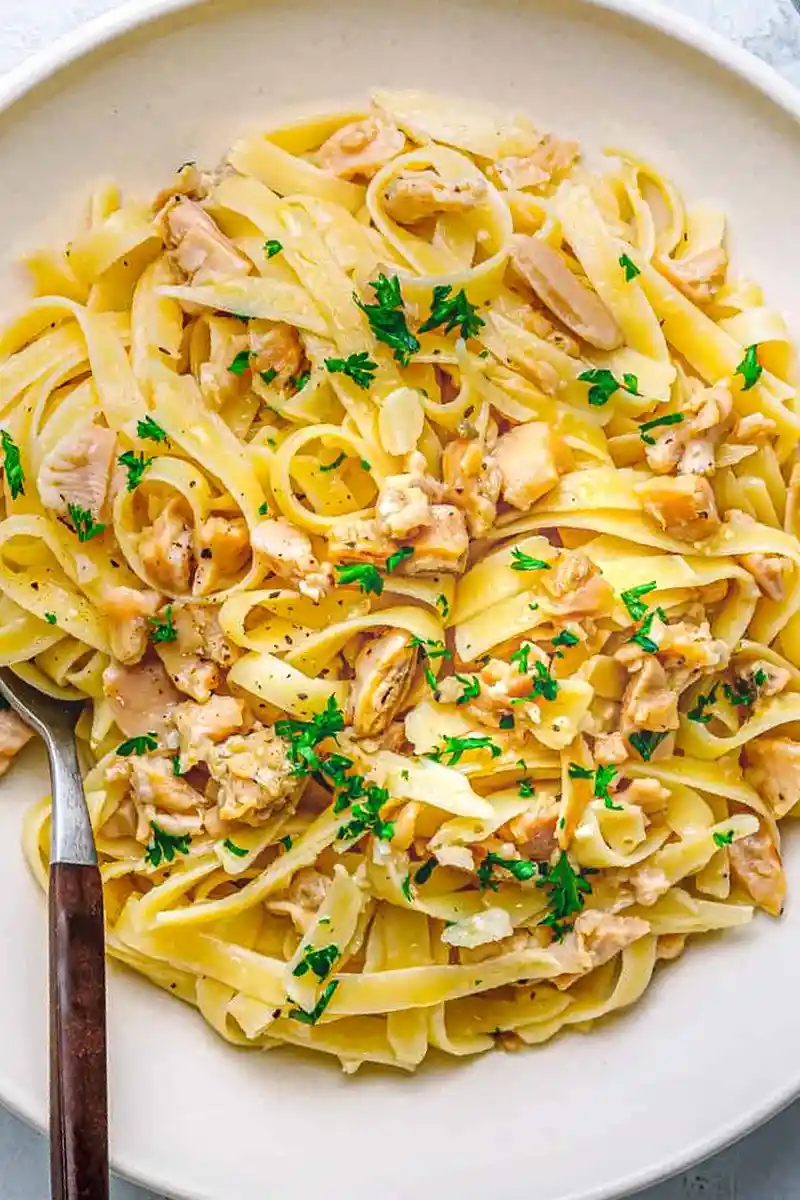
List of ingredients
- 3/4 pound pasta of your choice (spaghetti or linguini) – use a long noodle for best results.
- 2 tbsp extra virgin olive oil – for sautéing aromatics.
- 2 tbsp minced shallots – adds a mild, sweet onion flavor.
- 1 tbsp minced garlic – provides a pungent aromatic base.
- 1/2 cup non-alcoholic white wine alternative or white grape juice with lemon – provides acidity.
- 2 cans (6.5 oz each) chopped clams (drained) – the primary protein source.
- 1 bottle (8 oz) clam juice – creates the savory liquid base.
- 1/2 cup low-sodium chicken broth (or additional clam juice) – adds depth of flavor.
- 2 tbsp butter – used to emulsify and thicken the sauce.
- 1/2 tsp dried basil – for a touch of herbal sweetness.
- Chopped parsley – for fresh garnish and color.
- Lemon juice – to brighten the final flavor profile.
step-by-step instructions
- Boil the Pasta: Cook the pasta in a large pot of boiling salted water until al dente. Reserve about 3 tablespoons of the starchy cooking water before draining.
- Sauté Aromatics: Heat the olive oil in a large deep skillet over medium heat. Cook the minced shallots and garlic for 1-2 minutes until they are translucent and soft, stirring constantly to prevent the garlic from burning.
- Reduce the Liquid: Stir in the clam juice, chicken broth, and non-alcoholic wine alternative. Simmer over medium-high heat until the sauce reduces enough to fully submerge the cooked pasta. Season with salt, black pepper, or chili pepper flakes if desired.
- Combine and Finish: Add the butter, dried basil, drained clam meat, cooked pasta, and reserved pasta water to the skillet. Stir gently just until the clams are heated through. Turn off the heat immediately to avoid overcooking the clams, then serve garnished with chopped parsley and a squeeze of lemon juice.
Essential Pasta Selection and Preparation
Why Linguine is the Ideal Choice
Linguine is specifically designed for seafood sauces because its flat, narrow shape provides more surface area than spaghetti. This allows the clam sauce to cling to the noodle more effectively, ensuring every bite is flavorful.
Achieving the Perfect Al Dente Texture
Cook your pasta for one to two minutes less than the package directions. Since the pasta finishes cooking in the simmering sauce, undercooking it slightly prevents the noodles from becoming mushy in the final step.
Using Salted Pasta Water for Better Flavor
Generously salt your boiling water to season the pasta from the inside out. This is the only chance to flavor the noodles themselves, which balances the richness of the butter and clam juice in the sauce.
The Importance of Reserved Pasta Water
The starchy water reserved from the pot acts as a natural binder. When added to the skillet, it helps the sauce emulsify with the butter, creating a silky coating rather than a watery pool at the bottom of the plate.
Maximizing Flavor from Aromatics
The Role of Shallots in Seafood Bases
Shallots offer a more delicate and refined flavor than standard yellow onions. Their mild sweetness complements the briny taste of the clams without overpowering the seafood essence.
Preparing Garlic to Prevent Burning
Mince your garlic finely and add it to the pan only after the shallots have begun to soften. Garlic burns quickly at medium heat, which can introduce a bitter taste to the entire dish.
Sautéing with Extra Virgin Olive Oil
Using a high-quality olive oil provides a fruity base that enhances the overall profile. Ensure the oil is shimmering but not smoking before adding your aromatics to ensure a quick, clean sear.
Mastering the Seafood Sauce
Controlling the Sauce Reduction
Simmering the liquid on medium-high heat evaporates excess water and concentrates the flavors. Reducing the sauce by nearly half ensures that the clam juice becomes a rich glaze rather than a thin soup.
Preventing the Clams from Becoming Rubbery
Canned clams are already fully cooked, meaning they only need to be warmed through. Adding them at the very end and turning off the heat immediately prevents them from toughening and losing their tender texture.
Emulsifying Butter for a Velvety Finish
Stirring in cold butter at the end of the process is a technique called mounting. This creates a glossy, thick emulsion that gives the sauce a professional restaurant-style consistency.
Balancing Brine with Acidity
Clam juice is naturally salty and rich. Adding lemon juice at the end cuts through that heaviness, brightening the dish and highlighting the fresh taste of the parsley.
Customizing Your Clam Pasta
Substituting Gluten-Free Pasta
Brown rice or chickpea pasta can be used as an alternative. Be cautious with cooking times, as gluten-free varieties often have a narrower window between ‘undercooked’ and ‘overcooked’.
Replacing Chicken Broth with Vegetable Options
For a different flavor profile, use a low-sodium vegetable broth. This maintains the liquid volume while adding a subtle garden sweetness that pairs well with the basil.
Using Fresh Basil instead of Dried
Fresh basil leaves should be torn and added at the very end. If using fresh basil, increase the quantity to about a tablespoon to match the potency of the dried version.
Adding Red Pepper Flakes for Heat
For a spicy kick, add a pinch of crushed red pepper flakes during the sautéing phase. This infuses the oil with heat, providing a subtle glow that complements the briny seafood.
Serving and Pairing Recommendations
Pairing with Crusty Garlic Bread
Serve this pasta with toasted baguette slices rubbed with garlic and butter. The crunch of the bread provides a textural contrast to the soft pasta and tender clams.
Serving with a Fresh Side Salad
A simple arugula or spinach salad with a lemon vinaigrette cleanses the palate between bites. The peppery notes of arugula balance the richness of the butter-based sauce.
Plating for Maximum Visual Appeal
Use tongs to twirl the pasta into a nest in the center of the plate. Spoon the remaining clams and sauce from the pan over the top and finish with a generous sprinkle of fresh parsley.
Preserving and Storing Leftovers
Cooling Pasta Before Storage
Allow the pasta to reach room temperature before transferring it to a container. This prevents excess steam from building up, which can make the noodles soggy during refrigeration.
Optimal Fridge Containers for Seafood
Store the pasta in shallow, airtight glass containers to maintain freshness. Glass is preferable to plastic as it does not absorb seafood odors and provides a tighter seal.
Freezing Guidelines for Clam Pasta
While possible, freezing seafood pasta can alter the texture of the clams. If freezing, store in a freezer-safe bag and consume within two months for the best quality.
Effective Reheating Techniques
Reheating on the Stove
Place the pasta in a skillet over low heat with a tablespoon of water or extra clam juice. Cover the pan for a few minutes to steam the noodles back to tenderness without overcooking the clams.
Microwave Reheating Tips
Heat the pasta in short 30-second bursts, stirring in between. Add a teaspoon of water to the dish to create steam, which prevents the pasta from drying out.
Avoiding Overcooking During Reheat
Stop reheating as soon as the pasta is warm. Excessive heat will cause the clams to shrink and become chewy, ruining the delicate texture of the seafood.
Troubleshooting Common Issues
Fixing a Sauce That is Too Salty
If the clam juice and broth make the sauce too salty, stir in a small amount of unsalted butter or a splash of heavy cream. This helps mellow the saltiness and adds a creamy dimension.
Resolving a Too-Thin Sauce
If the sauce is too watery, simmer it for an additional three to five minutes before adding the pasta. Alternatively, stirring in a teaspoon of cornstarch mixed with water can thicken it quickly.
Dealing with Clumped Pasta
If the pasta sticks together, ensure you are using a large enough pot with plenty of water. Tossing the noodles immediately in the sauce helps separate them using the lubrication of the oil and butter.
Frequently Asked Questions
Can I use fresh clams instead of canned?
Yes, but you will need to steam them first and use the natural liquor they release as part of your sauce base.
Is it okay to use different types of pasta?
While long noodles are traditional, shells or penne work well as they can trap the small chopped clams inside the pasta.
How do I know when the pasta is al dente?
The pasta should be tender on the outside but still have a slight, firm bite in the center when you chew it.
Can I make this recipe without butter?
You can substitute butter with more olive oil or a plant-based butter alternative, though the sauce will be less creamy.
Print
Quick and Savory Canned Clam Pasta
- Total Time: 25 minutes
- Yield: 4 servings 1x
- Diet: General
Description
This clam pasta is a delicious seafood pasta that can be ready in less than 30 minutes. It’s a fancy dish that you can serve to feed a crowd without breaking your bank.
Ingredients
- ¾ pound pasta (spaghetti or linguini)
- 2 tbsp extra virgin olive oil
- 2 tbsp minced shallots
- 1 tbsp minced garlic
- ½ cup non-alcoholic white wine alternative
- 2 cans (6.5 oz each) chopped clams, drained
- 1 bottle (8 oz) clam juice
- ½ cup low-sodium chicken broth
- 2 tbsp butter
- ½ tsp dried basil
- chopped parsley, to serve
- lemon juice, to serve
Instructions
- Cook Pasta: In a large pot of boiling salted water, cook the pasta until al dente. Reserve about 3 tablespoons of the cooking water.
- Sauté Aromatics: Heat oil in a large deep skillet over medium heat. Cook shallots and garlic just until translucent and soft for 1-2 minutes.
- Reduce Sauce: Add clam juice, chicken broth, and non-alcoholic white wine alternative. Cook on medium-high heat until the sauce is reduced, enough to fully submerge the cooked pasta. Season with salt, black pepper, or chili pepper flakes if needed.
- Combine: Add butter, basil, clam meat, pasta, and pasta water to the skillet. Stir just until the clam is warm throughout. Turn off the heat immediately so you don’t overcook the clam meat. Serve with chopped parsley.
Notes
You can keep the leftover cooked pasta in shallow airtight containers or zip lock bags for 3-5 days in the refrigerator or 1-2 months in the freezer.
- Prep Time: 10 minutes
- Cook Time: 15 minutes
- Category: Main Course
- Method: Stovetop
- Cuisine: American, Italian
Nutrition
- Serving Size: 1 serving
- Calories: 464 kcal
- Sugar: 3 g
- Sodium: 71 mg
- Fat: 14 g
- Saturated Fat: 5 g
- Unsaturated Fat: 8 g
- Trans Fat: 1 g
- Carbohydrates: 66 g
- Fiber: 3 g
- Protein: 12 g
- Cholesterol: 15 mg