This balanced marinade uses a precise ratio of acidity and fat to ensure chicken remains juicy and flavorful regardless of the cooking method. It is an adaptable base suitable for grilling, roasting, or pan-searing various cuts of poultry.
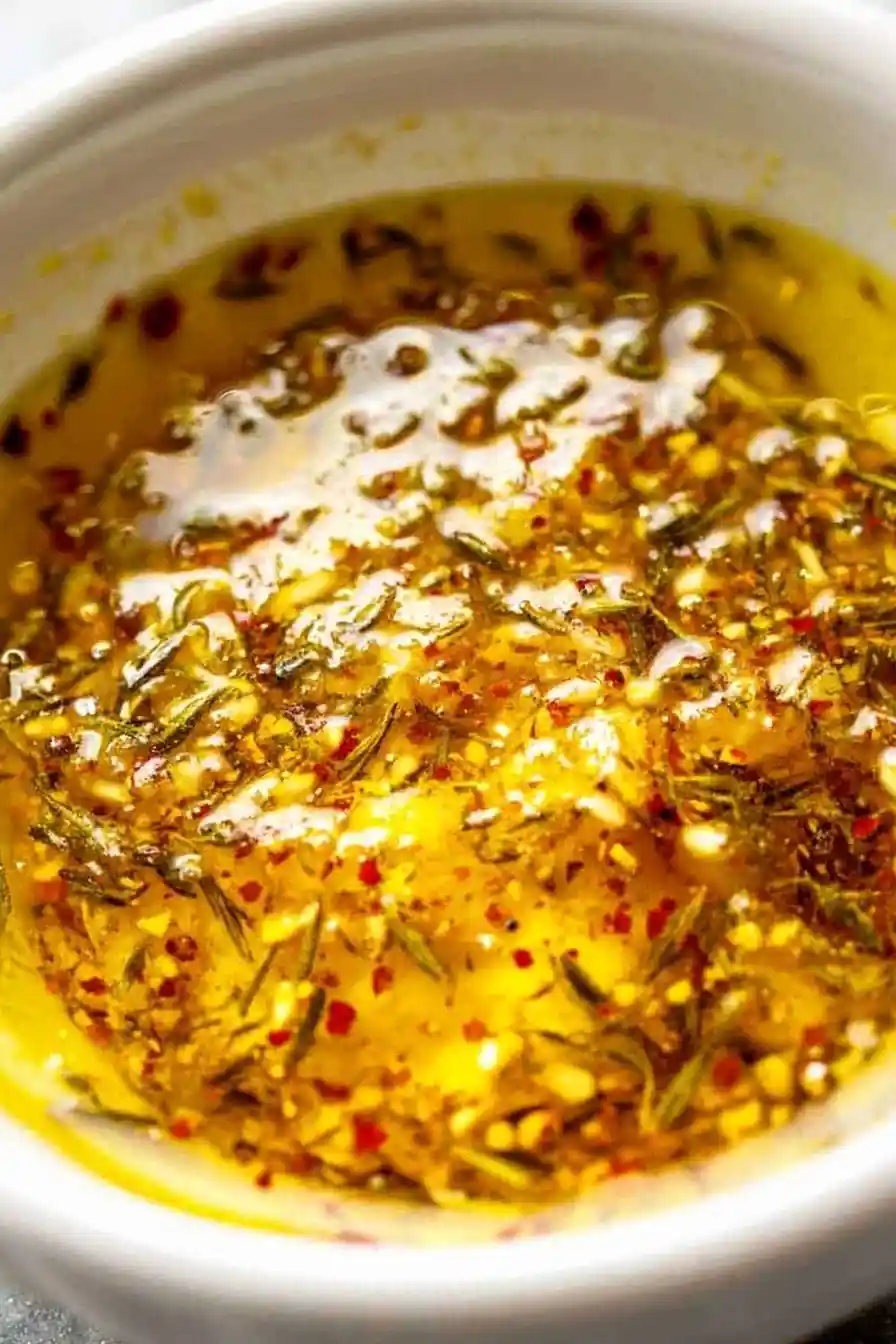
List of ingredients
- ½ cup olive oil – provides the fat base for flavor carriage and moisture.
- ¼ cup lemon juice – fresh and strained to provide necessary acidity.
- 1 tbsp white vinegar – adds a sharp acidic note to help tenderize the meat.
- 1 tbsp Dijon mustard – serves as a stabilizer and adds a pungent depth.
- 3 cloves garlic, minced – use a fine mince for maximum surface area infusion.
- 1 tsp kosher salt – ensures consistent seasoning and aids in moisture retention.
- ½ tsp black pepper – freshly ground for the most volatile aromatic compounds.
- 1 tsp thyme – dried or fresh chopped leaves for an earthy herbal note.
- ½ tsp smoked paprika – adds a hint of wood-smoke flavor and rich color.
- ½ tsp honey – balances the acidity and promotes surface caramelization.
- Zest of 1 lemon – contains concentrated essential oils for bright citrus aroma.
step-by-step instructions
- Create the emulsion: Combine the lemon juice, white vinegar, and Dijon mustard in a non-reactive bowl. Slowly whisk in the olive oil in a steady stream until the mixture is thick and emulsified.
- Integrate seasonings: Stir in the minced garlic, thyme, smoked paprika, lemon zest, salt, black pepper, and honey. Whisk thoroughly to ensure the spices are evenly distributed throughout the oil.
- Calibrate flavor: Taste the marinade using a small piece of bread or a spoon. Adjust the balance by adding a tiny bit more salt for depth or lemon juice for brightness if needed.
- Apply to poultry: Place chicken pieces in a resealable bag or vacuum pouch and pour the marinade over them. Massage the bag to ensure every surface is coated and remove excess air.
- Marinate under refrigeration: Chill the chicken for a minimum of 30 minutes and up to 12 hours. Keep the temperature between 34°F and 38°F to maintain food safety and optimal protein breakdown.
- Prepare for heat: Remove the chicken from the marinade and pat the surface dry with paper towels. Let the meat sit at room temperature for 20 minutes to ensure even internal cooking.
Advanced Technical Tips for Better Results
Stabilize the Emulsion for Even Coating
The Dijon mustard in this recipe acts as a natural emulsifier, binding the oil and lemon juice together. If the marinade separates, the chicken will have uneven patches of fat and acid, leading to inconsistent browning. Use a whisk or immersion blender to ensure a stable, creamy consistency that clings to the meat.
Manage Acid Exposure Times
Acidic components like lemon juice and vinegar denature proteins, which tenderizes the meat but can lead to a mushy texture if left too long. For thin cuts like tenders, limit marination to 45 minutes. For thick bone-in thighs, you can extend the time to 12 hours, but never exceed 24 hours to avoid compromising the structural integrity of the meat.
Use High-Quality Kosher Salt
Kosher salt is preferred over table salt because its larger grains dissolve more predictably and provide a more controlled salinity. This prevents the chicken from becoming overly salty during the osmotic process of marination. If using fine sea salt, reduce the measurement slightly to avoid over-seasoning.
Maximize Aroma with Fresh Zest
The lemon zest contains essential oils that are more heat-stable and fragrant than the juice itself. Always zest the lemon before juicing it to ensure you get the maximum amount of aromatic oils. These oils penetrate the fat in the olive oil, creating a more complex citrus profile after cooking.
Flavor Variations and Substitutions
Mediterranean Herb Adaptation
For a Greek-inspired profile, replace the thyme with a blend of dried oregano and rosemary. You can also add a tablespoon of crushed kalamata olives to the mix for a saltier, briny depth. This version pairs exceptionally well with grilled vegetables and feta cheese.
Asian-Inspired Umami Twist
Substitute the white vinegar with rice vinegar and add one tablespoon of soy sauce and one teaspoon of grated fresh ginger. Keep the garlic and oil base the same to maintain the emulsion. This creates a savory, umami-rich glaze that is perfect for stir-frying or grilling.
Latin Citrus Blend
Replace the lemon juice with an equal mix of orange juice and lime juice for a brighter, tropical acidity. Add a pinch of ground cumin and a small amount of chili powder to introduce warmth and earthiness. This variation works best for chicken thighs cooked over an open flame.
North African Spiced Profile
Incorporate ground coriander, a pinch of cinnamon, and a teaspoon of harissa paste into the base marinade. These warm spices complement the smoked paprika and honey, creating a complex, aromatic crust. This is an ideal choice for slow-roasting chicken in the oven.
French Vinaigrette Style
Increase the Dijon mustard to two tablespoons and omit the smoked paprika for a more refined, classic French flavor. Finish the marinade with a splash of tarragon-infused vinegar for a distinct anise-like note. This approach is best suited for pan-searing chicken breasts.
Alternative Sweeteners for Balance
If honey is unavailable, maple syrup or agave nectar can be used as a direct replacement. These alternatives provide the same sugar content necessary for caramelization and acidity balance. Maple syrup adds a slight woody note, while agave remains neutral.
Optimal Cooking Methods for Marinated Chicken
Grilling for Maximum Caramelization
Preheat your grill to medium-high heat, roughly 400°F to 425°F. The honey and olive oil in the marinade will create a rich Maillard reaction, resulting in a golden-brown crust. Be mindful of flare-ups caused by the oil dripping; move the chicken to a cooler zone if the flames become too intense.
Oven Roasting for Uniform Texture
Place marinated chicken on a wire rack over a baking sheet to allow airflow around the entire piece of meat. Roast at 400°F until the internal temperature reaches 165°F. This method prevents the chicken from sitting in its own juices, ensuring the exterior remains slightly crisp while the interior stays moist.
Pan-Searing for Professional Gloss
Heat a neutral oil in a stainless steel or cast-iron skillet over medium-high heat. Sear the chicken until golden on both sides, then add a small knob of unsalted butter during the last two minutes of cooking. Spoon the foaming butter over the chicken to add a professional gloss and extra richness.
Sous Vide for Precision Tenderness
Vacuum-seal the marinated chicken and cook it in a water bath at 145°F for one hour. This ensures the meat never overcooks and retains maximum moisture. After the water bath, pat the chicken dry and sear it briefly in a hot pan for 60 seconds per side to develop color.
Storage and Logistics
Safe Refrigeration Practices
Always store marinated chicken in a food-grade plastic bag or a glass container with an airtight lid. Ensure the chicken is fully submerged in the liquid to prevent aerobic bacteria from growing on exposed surfaces. Keep the refrigerator temperature strictly between 34°F and 38°F.
Freezing for Future Use
You can freeze chicken and marinade together in a vacuum-seal bag for up to three months. The marination process will occur during the thawing phase in the refrigerator. This is an efficient way to meal-prep high-quality proteins for the week.
Preparing Marinades in Advance
The marinade itself can be whisked together and stored in a jar for up to one week. When ready to use, shake the jar vigorously to re-emulsify the oil and acid before pouring it over the meat. This saves preparation time on busy weeknights.
Troubleshooting Common Issues
Fixing Separated Marinades
If the oil and lemon juice separate into distinct layers, the flavors will not distribute evenly. Use a small whisk or a fork to beat the mixture rapidly until it becomes opaque and thick again. For a permanent fix, adding a tiny bit more mustard can help stabilize the emulsion.
Preventing Mushy Meat Texture
Mushy chicken is almost always the result of too much acid or too much time in the marinade. If you are marinating for more than 6 hours, reduce the lemon juice by a tablespoon. Always remove the meat from the acid source before cooking to stop the denaturation process.
Avoiding Burnt Garlic Bits
Large chunks of garlic can burn quickly in a hot pan or on a grill, creating a bitter taste. To prevent this, use a microplane or a very fine mince to integrate the garlic into the emulsion. This ensures the garlic cooks evenly with the meat rather than scorching on the surface.
Frequently Asked Questions
How does marination tenderize the meat?
Acidic elements like lemon juice and vinegar break down the tight protein structures on the surface of the meat. This allows the fibers to relax and hold more moisture during the cooking process. However, this effect is limited to the outer layers of the meat.
Can I reuse the leftover liquid as a sauce?
You should never use marinade that has touched raw chicken as a sauce unless it is boiled first. To make it safe, simmer the leftover marinade in a saucepan for at least five minutes to kill any bacteria. Alternatively, reserve a small portion of the marinade before adding the chicken to use as a fresh glaze.
What is the best oil-to-acid ratio?
For poultry, a 2:1 ratio of oil to acid is generally considered the professional standard. This provides enough fat to protect the meat from over-acidification while ensuring enough brightness to cut through the richness of the chicken. This recipe follows that balanced ratio.
How do I adjust salt for different batches?
For consistent results across different quantities, aim for approximately 1% salt relative to the total weight of the marinade. Use a digital scale for the most precision. This prevents the chicken from becoming too salty if you are scaling the recipe up for large crowds.
Does vacuum sealing speed up the process?
Yes, vacuum sealing removes air pockets and forces the marinade into direct contact with the meat’s surface. In a professional environment, vacuum marination can achieve the same depth of flavor in 30 minutes that would normally take three hours in a standard bag.
Print
Professional All-Purpose Chicken Marinade for Maximum Tenderness
- Total Time: 10 minutes
- Yield: 4 servings 1x
- Diet: General
Description
A professional-grade, balanced chicken marinade featuring lemon, garlic, and aromatic herbs designed to ensure maximum juiciness and deep flavor penetration.
Ingredients
- 1/2 cup olive oil
- 1/4 cup lemon juice
- 1 tbsp apple cider vinegar
- 1 tbsp Dijon mustard
- 3 cloves garlic, minced
- 1 tsp kosher salt
- 1/2 tsp black pepper
- 1 tsp thyme
- 1/2 tsp smoked paprika
- 1/2 tsp honey
- Zest of 1 lemon
Instructions
- Step: Combine lemon juice, vinegar, and mustard in a bowl.
- Step: Slowly whisk in olive oil until emulsified.
- Step: Add garlic, thyme, paprika, zest, salt, pepper, and honey; whisk thoroughly.
- Step: Taste and adjust balance if needed.
- Step: Pour over chicken; marinate 30 minutes to 12 hours under refrigeration.
- Step: Remove chicken, pat dry, and cook as desired.
Notes
Do not marinate for more than 24 hours as the acid may compromise the texture of the meat. Pat the chicken dry before cooking to ensure a proper sear and Maillard reaction.
- Prep Time: 10 minutes
- Cook Time: 0 minutes
- Category: Marinades
- Method: Marinating
- Cuisine: Mediterranean
Nutrition
- Serving Size: 1 serving
- Calories: 300 kcal
- Sugar: 2 g
- Sodium: 610 mg
- Fat: 28 g
- Saturated Fat: 4 g
- Unsaturated Fat: 24 g
- Trans Fat: 0 g
- Carbohydrates: 4 g
- Fiber: 1 g
- Protein: 1 g
- Cholesterol: 0 mg