Achieving restaurant-quality results at home is entirely possible with this straightforward method for baking bone-in, skin-on chicken thighs. By prioritizing high-heat roasting and careful surface preparation, you can produce chicken that features glass-like, crispy skin and incredibly succulent meat. This approach is highly efficient for busy weeknights, offering a reliable, consistent outcome that serves as a perfect foundation for a wide array of side dishes.
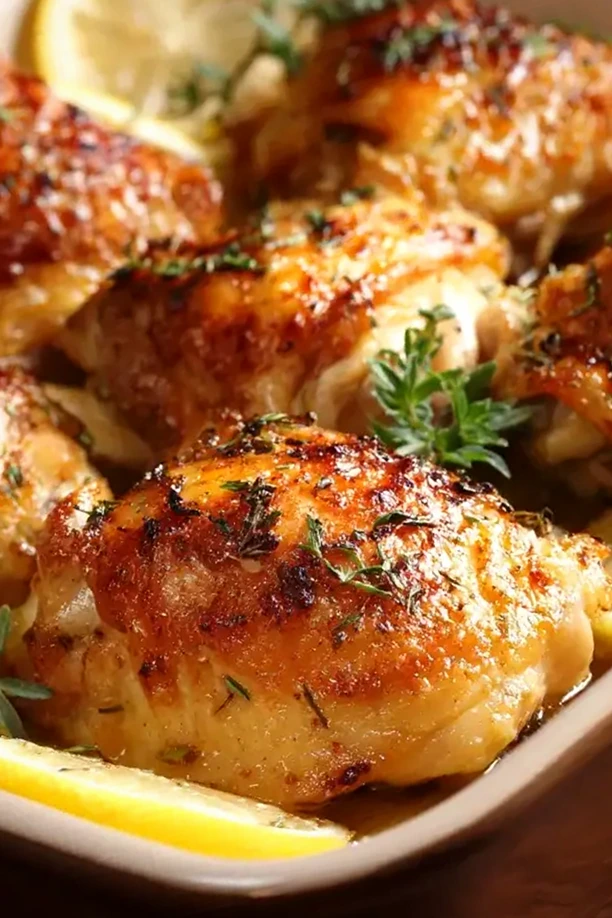
List of ingredients
- 6 bone-in, skin-on chicken thighs
- 1 ½ tablespoons olive oil or avocado oil
- 1 teaspoon kosher salt
- 1 teaspoon freshly cracked black pepper
- 1 teaspoon garlic powder
- ½ teaspoon smoked paprika
step-by-step instructions
- Step: Preheat your oven to 425°F (220°C). While the oven heats up, pat the chicken thighs completely dry on both sides with paper towels.
- Step: Place the dried chicken thighs in a large bowl. Drizzle with the olive oil and rub it evenly all over each piece, coating the skin and the underside.
- Step: In a small bowl, whisk together the kosher salt, black pepper, garlic powder, and smoked paprika. Sprinkle this seasoning mix generously over all sides of the chicken thighs, pressing it into the skin and flesh.
- Step: Arrange the seasoned chicken thighs skin-side up on a wire rack set inside a rimmed baking sheet.
- Step: Bake for 35-40 minutes until the skin is deep golden brown and crispy, and the internal temperature registers 165°F (74°C).
- Step: Remove from the oven and let the chicken rest for 5-10 minutes before serving.
Refining Your Baking Technique
The Importance of Uniformity in Chicken Selection
When purchasing your chicken thighs, try to select pieces that are relatively consistent in size and weight. If you mix very small thighs with large ones, the smaller pieces may become overcooked and dry before the larger ones reach the safety threshold of 165°F. Keeping the pieces uniform ensures the entire batch finishes cooking at the same time.
Managing the Oven Environment During Cooking
Avoid the temptation to open the oven door repeatedly during the first 30 minutes of baking. Each time the door opens, the oven temperature drops, which can lead to soggy skin rather than the desired crispy finish. If you must check on the progress, use the oven light rather than opening the door to maintain the heat levels necessary for proper rendering of the chicken fat.
Understanding Ingredient Roles and Substitutions
Selecting the Right Seasoning Variations
While the provided spice blend creates a classic savory profile, feel free to experiment with dried herbs to match the rest of your menu. Dried oregano or thyme can be added to the seasoning mix for a more Mediterranean-inspired flavor profile that pairs wonderfully with root vegetables. Ensure any additional dry herbs are finely crushed before mixing so they distribute evenly across the skin.
Alternatives for Oil Selection
If you find yourself out of olive oil, ghee or refined coconut oil are excellent substitutes that can handle the 425°F heat without burning. Avoid using butter, as the milk solids in butter have a lower smoke point and will likely turn acrid or burn before the chicken finishes its 40-minute cooking cycle. Stick to fats that remain stable at high temperatures for the best flavor results.
Serving and Accompaniment Strategies
Pairing with Roasted Root Vegetables
Since the oven is already running at a high temperature, take advantage of the space by roasting root vegetables like parsnips, carrots, or sweet potatoes on a separate rack. Toss them in a similar oil and seasoning blend to ensure the flavors harmonize well with the chicken. Because these vegetables are dense, they roast beautifully at 425°F and will be ready to serve at the same time as the protein.
Selecting Complementary Grains or Starches
Chicken thighs with crispy skin have a rich, fatty quality that benefits from being served alongside something that can absorb the drippings or balance the richness. A simple herb-infused quinoa or a batch of fluffy basmati rice acts as a neutral canvas for the flavorful juices from the chicken. Alternatively, a coarse polenta cooked with a hint of vegetable stock provides a comforting, creamy contrast to the crisp texture of the poultry skin.
Managing Storage and Quality Maintenance
Maximizing Freshness After Cooking
If you have leftovers, allow them to cool down completely before transferring them to an airtight storage container. Storing the chicken while it is still steaming will create condensation inside the container, which will inevitably lead to soggy, unappealing skin. Properly stored in the refrigerator, the chicken remains safe and flavorful for up to three days.
Restoring Texture During Reheating
To enjoy leftover chicken that still has a decent texture, avoid using a microwave, which will turn the skin rubbery. Instead, place the chicken thighs in an oven preheated to 375°F or use an air fryer set to 380°F for about 8 to 10 minutes. This method helps re-crisp the skin and ensures the meat is warmed through without drying out the interior fibers of the thigh.
Addressing Common Culinary Challenges
Troubleshooting Skin That Remains Soft
If your skin is not reaching the desired level of crispness, check the positioning of your baking sheet. It may be that the rack is too low in the oven; moving the sheet to a middle or slightly upper rack position allows for better browning from the top heating element. Additionally, ensure the chicken was thoroughly patted dry, as even a small amount of surface water creates steam that inhibits the browning process.
Dealing with Uneven Internal Temperatures
The chicken thigh is a thicker cut of meat, and it can sometimes cook unevenly if it is placed too close to the edge of the baking sheet or if the oven has hot spots. To combat this, rotate the pan 180 degrees halfway through the cooking time. If you notice one piece is significantly thinner than the others, try to place it toward the center of the tray where the heat distribution is generally more moderate.
Frequently Asked Questions
Why must I use bone-in, skin-on chicken instead of boneless?
Bone-in chicken thighs provide significant structural support and protection for the meat, which helps it remain succulent during high-heat roasting. The bone acts as a thermal conductor, cooking the meat from the inside out, while the skin acts as a barrier that prevents the delicate muscle fibers from drying out. Boneless, skinless cuts are much thinner and lack the protective layers necessary for this particular high-heat, long-duration roasting technique.
Can I prepare the seasoning blend ahead of time?
Yes, you can combine the salt, pepper, garlic powder, and paprika in a small glass jar or container up to several weeks in advance. Keeping the spice blend in a cool, dark place ensures the flavors remain potent. This practice makes the actual preparation of the dinner even faster, as you simply need to grab your pre-mixed spice jar once the chicken is dry and oiled.
How do I know if the skin is ready to be pulled from the oven?
The visual indicator for perfectly finished skin is a deep, uniform golden-brown color that looks matte rather than greasy. If you are uncertain, use the tip of a fork to lightly tap the skin; a properly rendered, crispy skin should feel firm and provide a slight crackle under gentle pressure. If the skin is still pale or feels soft, continue roasting in 3-minute increments, checking frequently to prevent the edges from burning.
Is it necessary to flip the chicken during the roasting process?
Using a wire rack as instructed eliminates the need to flip the chicken, which is a major advantage for maintaining the integrity of the skin. When chicken is flipped, the skin often sticks to the rack or the pan, leading to tearing and an uneven appearance. Keeping the skin-side up for the entire duration allows for consistent rendering and ensures the aesthetic appeal of the final dish remains intact without the risk of breaking the crust.
Should I wash the chicken before patting it dry?
It is generally recommended to avoid washing raw chicken under running water, as this can splash bacteria onto nearby surfaces without cleaning the meat effectively. The most sanitary and effective way to prepare the meat is to go straight to the paper towel drying step. The high-heat roasting process is sufficient to ensure the chicken is perfectly safe for consumption when it reaches an internal temperature of 165°F.
Print
Perfectly Roasted Crispy Skin Baked Chicken Thighs
- Total Time: 50 minutes
- Yield: 3 servings 1x
- Diet: Low Carb
Description
Learn how to make perfect Baked Chicken Thighs with crispy skin and juicy meat every time. This easy, foolproof recipe is your new go-to dinner.
Ingredients
- 6 bone-in, skin-on chicken thighs
- 1 ½ tablespoons olive oil or avocado oil
- 1 teaspoon kosher salt
- 1 teaspoon freshly cracked black pepper
- 1 teaspoon garlic powder
- ½ teaspoon smoked paprika
Instructions
- Step: Preheat your oven to 425°F (220°C). While the oven heats up, pat the chicken thighs completely dry on both sides with paper towels.
- Step: Place the dried chicken thighs in a large bowl. Drizzle with the olive oil and rub it evenly all over each piece, coating the skin and the underside.
- Step: In a small bowl, whisk together the kosher salt, black pepper, garlic powder, and smoked paprika. Sprinkle this seasoning mix generously over all sides of the chicken thighs, pressing it into the skin and flesh.
- Step: Arrange the seasoned chicken thighs skin-side up on a wire rack set inside a rimmed baking sheet.
- Step: Bake for 35-40 minutes until the skin is deep golden brown and crispy, and the internal temperature registers 165°F (74°C).
- Step: Remove from the oven and let the chicken rest for 5-10 minutes before serving.
Notes
Using a wire rack is recommended for even crisping. Ensure chicken is patted completely dry for the best skin texture. Store leftovers in an airtight container for up to 3 days or freeze for up to 3 months.
- Prep Time: 10 minutes
- Cook Time: 40 minutes
- Category: Chicken Recipes
- Method: Baking
- Cuisine: American, southern-us
Nutrition
- Serving Size: 2 thighs
- Calories: 310 kcal
- Sugar: 0 g
- Sodium: 580 mg
- Fat: 22 g
- Saturated Fat: 5 g
- Unsaturated Fat: 15 g
- Trans Fat: 0 g
- Carbohydrates: 1 g
- Fiber: 0 g
- Protein: 25 g
- Cholesterol: 110 mg