This maple syrup salmon is a nutritious and efficient meal perfect for a fast weeknight dinner. It combines a sweet and savory glaze with high-protein fish for a balanced dish.
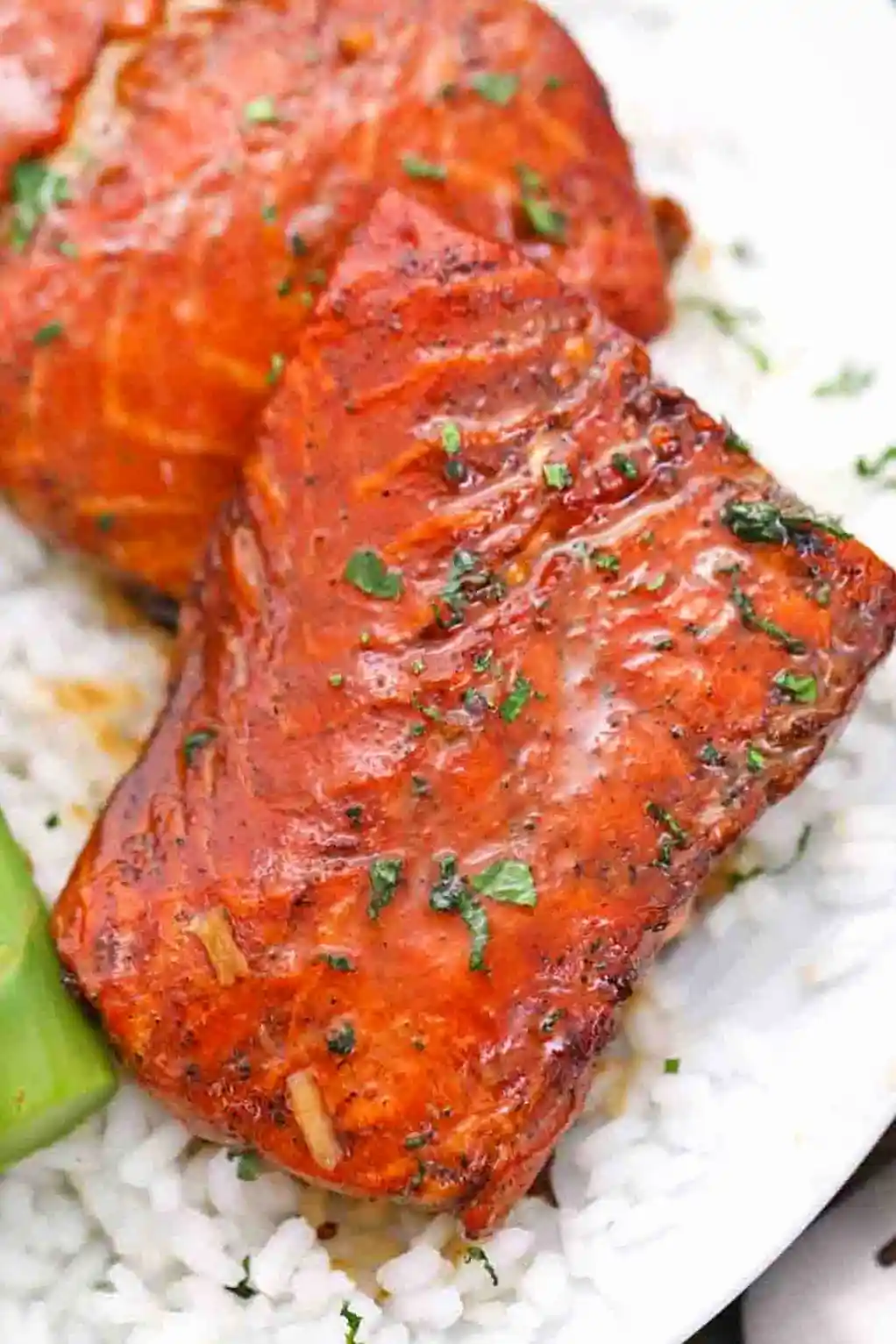
List of ingredients
- 2 pounds salmon (cut into fillets) – fresh wild-caught is recommended for the best texture.
- 1/3 cup maple syrup (or honey) – provides the primary sweetness and glaze thickness.
- 1/4 cup soy sauce – adds depth and saltiness to the marinade.
- 1 tablespoon whole-grain mustard – introduces a slight tang and texture.
- 4 cloves garlic (minced) – adds aromatic pungency.
- Salt and pepper (to taste) – used for final seasoning of the fillets.
step-by-step instructions
- Prepare the glaze: In a small bowl, whisk together the maple syrup, soy sauce, mustard, and minced garlic.
- Arrange the fish: Place the salmon fillets in a shallow baking dish and pour the maple syrup mixture on top, distributing it evenly.
- Marinate: Cover the dish with plastic wrap and refrigerate for 30-60 minutes, turning the fillets once halfway through.
- Preheat: Set your oven to 400 degrees F.
- Final preparation: Flip the fillets one more time so the skin faces down. Lightly season the top with salt and pepper, making sure not to discard the marinade.
- Bake: Cook the salmon uncovered for 15-20 minutes. The fish is done when it flakes easily with a fork and the internal temperature reaches 125-135 degrees F.
- Glaze: Remove the dish from the oven and spoon the remaining glaze over each fillet.
- Garnish: Serve the salmon warm with fresh chopped green onions.
Professional Baking Tips
Use a Meat Thermometer for Accuracy
The only way to ensure salmon is not overcooked is by using an instant-read thermometer. Aim for an internal temperature of 125 to 135 degrees F in the thickest part of the fillet. This prevents the fish from becoming dry or rubbery.
Bring Salmon to Room Temperature
Remove the marinated salmon from the refrigerator about 20 minutes before baking. Bringing the fish closer to room temperature ensures more even cooking. This prevents the outside from overcooking before the center is done.
Select the Right Baking Dish
A shallow glass or ceramic baking dish is ideal for this recipe. It allows the marinade to surround the fillets without pooling too deeply. This ensures the glaze reduces properly in the oven.
Prevent Skin Sticking
To stop the salmon skin from adhering to the pan, you can use a piece of parchment paper. Alternatively, using large kosher salt crystals on the bottom of the pan can create a barrier. This makes cleanup easier and keeps the fillets intact.
Handle Fillets Gently
Salmon is a delicate protein that can easily flake or break apart. Use a wide spatula when flipping or removing the fish from the dish. Avoid over-handling the fillets once they have started to cook.
Ingredient Substitutions
Using Honey Instead of Maple Syrup
If you do not have maple syrup, honey is an excellent alternative. Honey has a slightly different flavor profile and a thicker consistency. It will create a similarly sticky and sweet glaze.
Replacing Whole-Grain Mustard
Dijon mustard can be used if whole-grain mustard is unavailable. Dijon provides a smoother texture and a slightly sharper, tangier taste. This addition can brighten the overall flavor of the dish.
Substituting Fresh Garlic
If you are out of fresh garlic cloves, use garlic powder as a replacement. One teaspoon of garlic powder is roughly equivalent to four minced cloves. Ensure it is well-mixed into the glaze to avoid clumps.
Soy Sauce Alternatives
For a different salt profile, you can use coconut aminos or tamari. Coconut aminos are less salty and slightly sweeter than traditional soy sauce. Tamari provides a similar taste but is often preferred for its purity.
Sweetness Adjustments
If you prefer a more intense sweetness, you can add 1/2 cup of brown sugar to the marinade. This increases the caramelization during the baking process. It results in a thicker, darker crust on the salmon.
Flavor Variations
Adding Sesame for Nutty Notes
Incorporate 1/4 cup of sesame oil into the marinade for a richer, nuttier flavor. To complete this variation, garnish the finished fillets with toasted sesame seeds. This adds a professional touch and extra crunch.
Adding Heat with Chili Flakes
For those who enjoy spicy food, add a pinch of red pepper flakes or chili flakes to the glaze. This creates a sweet-and-spicy contrast that cuts through the richness of the salmon. Adjust the amount based on your heat tolerance.
Incorporating Fresh Herbs
Fresh herbs can elevate the aromatic profile of the fish. Try adding ground ginger, thyme, rosemary, or dill to the marinade. These herbs complement the sweetness of the maple syrup and the richness of the fish.
Using Aromatic Vegetables
Add chopped celery, leeks, or red bell peppers to the baking dish around the salmon. These vegetables will roast in the maple glaze and soy sauce. This turns the recipe into a one-pan meal with built-in sides.
Citrus Zest Integration
Adding a teaspoon of orange or lemon zest to the marinade provides a fresh, citrusy lift. The acidity of the citrus helps balance the sugar in the maple syrup. It adds a bright note to the savory soy sauce base.
Serving and Pairing Suggestions
Grain-Based Accompaniments
Serve this maple salmon over a bed of brown rice or fluffy quinoa. The grains absorb the extra glaze from the pan, preventing waste. This creates a filling and hearty main course.
Best Vegetable Side Dishes
Steamed broccoli, roasted asparagus, or sautéed spinach pair well with the sweetness of the glaze. These greens provide a bitter or earthy contrast to the maple syrup. They also add essential nutrients to the meal.
Cold Salad Integration
Leftover salmon can be chilled and flaked into a fresh garden salad. Pair it with mixed greens, cucumbers, and a light vinaigrette. This is an excellent way to use leftovers for a healthy lunch.
Pasta Pairings
Place the glazed fillets on a pile of buttery pasta or linguine. The richness of the butter complements the soy and maple flavors. A sprinkle of fresh parsley over the pasta adds a pop of color.
Storage and Reheating Guide
Refrigeration Instructions
Store leftover salmon in an airtight container in the refrigerator. It will remain fresh and safe to eat for one to two days. Ensure the container is sealed tightly to prevent the fish from absorbing other fridge odors.
Freezing Recommendations
Freezing cooked salmon is generally not recommended. The texture often becomes mushy or dry upon thawing. For the best quality, consume the salmon within 48 hours of cooking.
Oven Reheating Method
To maintain the texture, wrap the salmon in aluminum foil with a small amount of extra glaze or butter. Place it in a low-temperature oven for a few minutes. This gently warms the fish without drying it out.
Microwave Reheating Tips
If using a microwave, heat the salmon for 30 to 60 seconds on medium power. Use a microwave-safe cover to trap steam. This helps the fish stay moist during the quick heating process.
Troubleshooting Common Issues
Managing the Salmon Skin
Some prefer to remove the skin before marinating to allow the sauce to penetrate the meat more deeply. However, keeping the skin on protects the fish from direct heat. If you keep it, ensure it is cleaned thoroughly before cooking.
Correcting Dry Salmon
If the salmon feels dry after reheating, add a small pat of butter or an extra spoonful of glaze. Heat it briefly to let the fat reintegrate with the protein. This restores the moist mouthfeel of the fish.
Adjusting for Fillet Thickness
Cooking times vary based on the thickness of the fillets. A general rule is to cook for six minutes per half-inch of thickness at 400 degrees F. Always use a thermometer to verify doneness regardless of the time elapsed.
Frequently Asked Questions
Is it okay to eat salmon skin?
Yes, salmon skin is edible and provides a salty, crispy texture when cooked properly. Some people prefer to remove it to ensure the marinade is fully absorbed into the flesh. If eating the skin, ensure the fish is cleaned well.
Is salmon healthy?
Salmon is highly nutritious, providing high levels of protein and healthy omega-3 fatty acids. To keep the recipe healthy, use pure maple syrup rather than processed pancake syrup. Pure syrup contains natural sugars that are better for blood sugar management.
How long does it take salmon to cook?
At 400 degrees F, the process typically takes 15 to 20 minutes for standard fillets. The exact time depends on the thickness; a one-inch fillet usually needs about 12 minutes total. Check for an internal temperature of 125 to 135 degrees F.
Print
Maple Syrup Glazed Salmon
- Total Time: 60 minutes
- Yield: 4 servings 1x
- Diet: General
Description
Maple Syrup Salmon is a healthy and delicious dish, incredibly easy to prepare and made with just 7 ingredients.
Ingredients
- 2 pounds salmon (cut into fillets)
- 1/3 cup maple syrup (or honey)
- 1/4 cup soy sauce
- 1 tablespoon whole-grain mustard
- 4 cloves garlic (minced)
- Salt and pepper (to taste)
Instructions
- Step 1: In a small bowl, whisk together the maple syrup, soy sauce, mustard, and minced garlic.
- Step 2: Arrange the salmon fillets in a shallow baking dish, and pour the maple syrup mixture on top, making sure to distribute evenly.
- Step 3: Cover the dish with plastic wrap, and marinate in the refrigerator for 30-60 minutes, turning once halfway through the process.
- Step 4: Preheat oven to 400 degrees F.
- Step 5: Flip the fillets one more time, with the skin facing down. Lightly season the top with salt and pepper.
- Step 6: Bake the salmon in the preheated oven uncovered for 15-20 minutes, or until easily it is easily flaked with a fork and the internal temperature in the center of the fillets is 125-135 degrees F.
- Step 7: Remove from the oven and spoon some of the glaze on top of each fish fillet.
- Step 8: Serve warm garnished with some fresh chopped green onions.
Notes
Use real maple syrup instead of pancake syrup for the best flavor. This dish pairs well with brown rice or buttery pasta.
- Prep Time: 10 minutes
- Cook Time: 20 minutes
- Category: Main Course
- Method: Baking
- Cuisine: American, Asian
Nutrition
- Serving Size: 1 fillet
- Calories: 414 kcal
- Sugar: 16 g
- Sodium: 953 mg
- Fat: 16 g
- Saturated Fat: 2 g
- Unsaturated Fat: 12 g
- Trans Fat: 0 g
- Carbohydrates: 19 g
- Fiber: 0.3 g
- Protein: 47 g
- Cholesterol: 125 mg