Cooking chicken breasts directly from frozen saves time and eliminates the need for planning ahead. This air fryer method ensures the meat remains juicy while achieving a seasoned crust. It is an ideal solution for fast, healthy weeknight dinners.
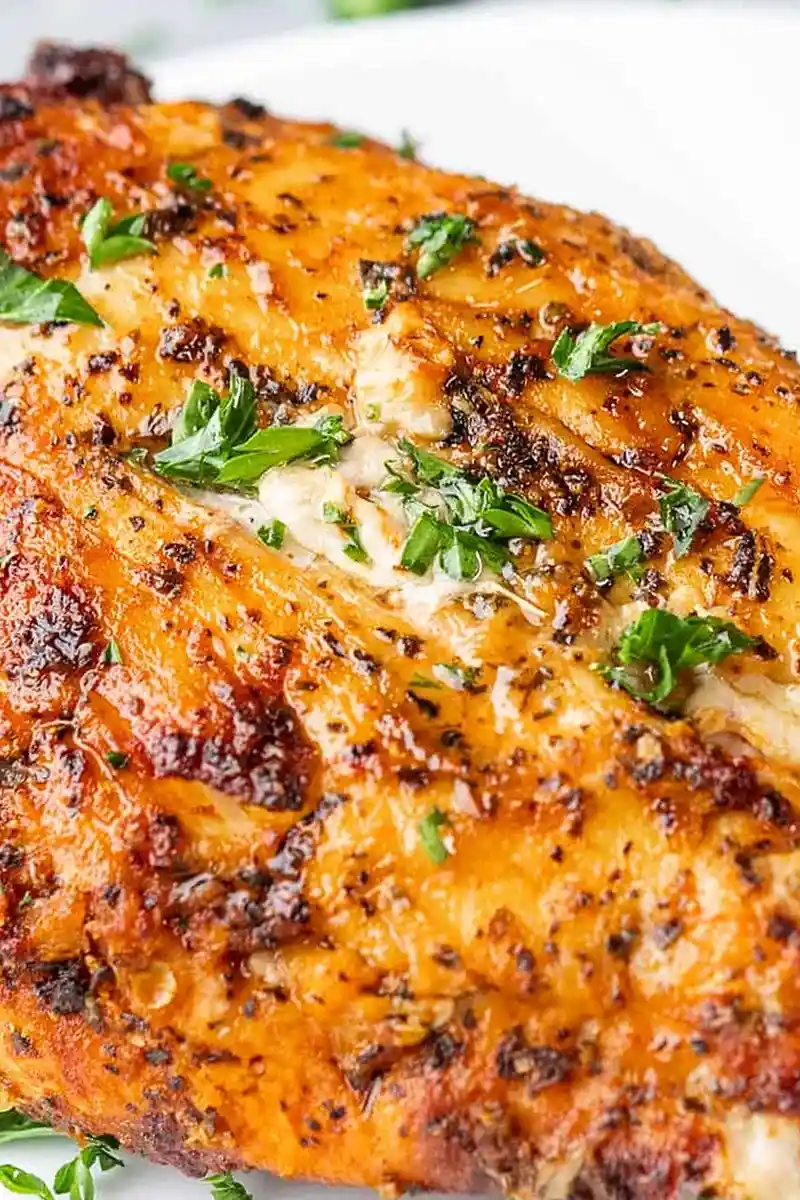
List of ingredients
- 1 pound frozen chicken breast (approximately 2 breasts) – use pre-packaged or home-frozen.
- 2 tablespoons olive oil – used to help the spices adhere and keep the meat moist.
- 2 teaspoons paprika – adds a sweet and smoky depth to the flavor profile.
- 1 teaspoon dried basil – provides a classic herbaceous note.
- 1 teaspoon dried oregano – adds earthy, aromatic flavor.
- 1/2 teaspoon garlic powder – delivers a concentrated savory taste.
- 1/2 teaspoon onion powder – adds a subtle sweetness and richness.
- 1/2 teaspoon salt – enhances all the other seasonings.
- 1/4 teaspoon black pepper – provides a mild, spicy bite.
step-by-step instructions
- Preheat: Set your air fryer to 375°F (190°C) and let it run for at least 5 minutes to ensure a hot cooking environment.
- Oil Coating: Place the 1 pound of frozen chicken breasts in a large mixing bowl and drizzle with 2 tablespoons of olive oil, turning them to ensure they are evenly coated.
- Season: In a separate small bowl, combine the paprika, dried basil, dried oregano, garlic powder, onion powder, salt, and black pepper. Sprinkle the seasoning mixture evenly over both sides of the frozen chicken, pressing gently with your fingers to make the spices stick.
- Air Fry: Place the seasoned chicken breasts in the air fryer basket in a single layer. Cook for 12–28 minutes depending on the thickness of the meat, flipping the breasts halfway through the cooking time to ensure even browning on both sides.
- Verify Temperature: Use a meat thermometer to check the internal temperature at the thickest part of the breast. The chicken is fully cooked and safe to eat when it reaches 165°F (74°C).
- Rest: Remove the chicken from the air fryer and let it rest for 3–5 minutes before slicing or serving to allow the juices to redistribute.
Essential Air Fryer Success Tips
Utilize Perforated Parchment Liners
Using air fryer parchment liners makes the cleanup process significantly faster by preventing spices and oil from baking onto the basket. Ensure you use the perforated variety to allow air to circulate under the meat. Never place the liner in the basket during the preheating phase as it may blow into the heating element.
Avoid Overcrowding the Basket
Air fryers rely on the rapid movement of hot air to cook food evenly. If the chicken breasts are touching or overlapping, they will steam rather than roast, leading to uneven browning. Cook in batches of two breasts if you have a smaller air fryer model to maintain optimal airflow.
Use a Digital Meat Thermometer
Because frozen chicken breasts can vary in thickness and density, relying on a timer alone can be risky. A digital instant-read thermometer is the only way to guarantee the chicken is cooked through without overdoing it. Aim for exactly 165°F to prevent the meat from becoming dry and rubbery.
Adjust for Variable Breast Thickness
Frozen chicken breasts often come in irregular shapes. If one breast is significantly thinner than the other, it may finish cooking several minutes earlier. Check the thinner piece more frequently and remove it from the basket as soon as it hits the target temperature.
Ingredient Substitutions and Tweaks
Alternative Cooking Oils
While olive oil is excellent for flavor, you can substitute it with canola oil or vegetable oil for a more neutral taste. For those who prefer a higher smoke point, avocado oil is a great choice that prevents the oil from smoking at high temperatures. Always use a liquid oil rather than a spray for the initial coating to ensure the spices adhere better.
Swapping Dried Herbs for Fresh
If you prefer fresh herbs over dried, use a 3:1 ratio of fresh to dried basil and oregano. Finely chop the fresh herbs and mix them with the oil before rubbing them onto the chicken. Be aware that fresh herbs may brown more quickly in the air fryer than dried ones.
Reducing Sodium Levels
To make this recipe lower in sodium, you can reduce the salt to 1/4 teaspoon or omit it entirely. To compensate for the loss of salt, increase the amount of garlic and onion powder slightly to maintain a bold flavor. Using a salt-free herb blend is another effective way to keep the sodium low.
Flavor Variations for Different Tastes
Creating a Lemon Garlic Profile
For a bright and citrusy version, add 1 teaspoon of lemon zest to the spice mixture. Since lemon juice can burn in the air fryer, squeeze fresh lemon juice over the chicken immediately after it comes out of the basket. This adds a fresh acidity that cuts through the richness of the oil.
Developing a Spicy Cajun Blend
To give the chicken a spicy kick, add 1/2 teaspoon of cayenne pepper and 1 teaspoon of smoked paprika to the rub. This creates a bold, Louisiana-style flavor that pairs well with corn or rice. Adjust the cayenne amount based on your personal heat tolerance.
Italian Inspired Seasoning
Enhance the Italian notes by adding a pinch of crushed red pepper flakes and 1 teaspoon of dried parsley to the mix. After cooking, sprinkle a small amount of microbial-rennet parmesan cheese over the hot chicken. This adds a salty, nutty finish that complements the basil and oregano.
Serving Suggestions
Pairing with Roasted Root Vegetables
This chicken pairs perfectly with carrots, parsnips, or Brussels sprouts roasted in the air fryer. Since the chicken takes a while to cook, you can roast the vegetables in a separate batch or use a larger basket if space permits. Toss the vegetables in olive oil and salt for a cohesive side dish.
Slicing for Salads and Grain Bowls
For a healthier meal, slice the rested chicken against the grain into thin strips. Place the strips over a bed of mixed greens, quinoa, or farro. Add cherry tomatoes, cucumbers, and a light vinaigrette to create a complete and balanced nutrient-dense bowl.
Serving with Hearty Sides
Serve the chicken breasts whole alongside a portion of creamy mashed potatoes or steamed green beans. The seasoned crust of the chicken provides a great contrast to the soft texture of mashed potatoes. A side of steamed broccoli with a squeeze of lemon also works well.
Storage and Preservation
Proper Refrigeration Methods
Place leftover chicken in a glass airtight container once it has cooled to room temperature. Avoid sealing the container while the chicken is still steaming, as this can create excess moisture and make the exterior soggy. Label the container with the date of preparation.
Maximizing Shelf Life
Cooked chicken breasts remain safe and tasty in the refrigerator for up to 3 to 4 days. To maintain the best quality, keep them in the coldest part of the fridge. If you cannot eat them within this timeframe, cooked chicken can be frozen for up to two months.
Reheating Guidelines
Air Fryer Reheating for Best Texture
To restore the original texture, reheat the chicken in the air fryer at 350°F for 3 to 5 minutes. This method dries out the surface moisture and brings back the slight crispness of the seasoned crust. Avoid overcooking during reheating to prevent the meat from drying out.
Oven Warming Techniques
If an air fryer is unavailable, warm the chicken in an oven at 300°F. Place the chicken in a baking dish and cover it with aluminum foil to trap the moisture inside. Heat for 10 to 15 minutes or until warmed through.
Avoiding the Microwave
It is recommended to avoid using a microwave for reheating chicken breasts. Microwaves heat unevenly and can cause the protein fibers to contract rapidly, resulting in a rubbery or tough texture. The air fryer or oven provides a much more consistent and pleasant result.
Preparation and Planning
Selecting the Best Frozen Cuts
When buying frozen chicken, look for breasts that are similar in size to ensure they cook at the same rate. Air-chilled frozen chicken often has less added water, which means less steaming in the air fryer and better browning. Check the packaging to ensure there are no excessive ice crystals inside.
Batch Cooking for Meal Prep
This recipe is excellent for meal prepping. You can cook several pounds of chicken in batches and portion them out for the week. Store them individually so you can reheat only what you need, which helps preserve the overall quality of the meat.
Troubleshooting Common Issues
Fixing Dry Chicken Breasts
If your chicken consistently turns out dry, you may be overcooking it or using breasts that are too thin. Ensure you are removing the meat exactly at 165°F and allowing it to rest for at least 3 minutes. The resting phase is critical for keeping the interior juicy.
Handling Uneven Browning
Uneven browning usually happens if the chicken is too close to the sides of the basket or if the air fryer has specific hot spots. Try rotating the chicken a quarter turn when you flip it halfway through. Ensure there is a clear gap between the breasts for air to move.
Correcting Overly Salty Results
If you accidentally add too much salt, you can balance the flavor by adding an acidic element. A squeeze of fresh lemon juice or a drizzle of apple cider vinegar can neutralize the excess saltiness. For future batches, taste a small piece of seasoned chicken before cooking to check the balance.
Frequently Asked Questions
Can I cook frozen chicken breasts in the oven?
Yes, you can use a conventional oven. Preheat the oven to 375°F and season the chicken exactly as described in the recipe. Bake the breasts for 45 to 50 minutes, or until a meat thermometer reads 165°F in the thickest part.
Do I need to defrost the chicken first?
No, this specific recipe is designed for chicken cooked straight from the freezer. The air fryer’s intense heat penetrates the frozen meat efficiently. While thawing would reduce the cook time, it is not necessary for this method.
How do I know when the chicken is safe to eat?
The only reliable way to ensure safety is to use a meat thermometer. The internal temperature must reach 165°F (74°C). Visual cues like the color of the juices are not always accurate for frozen meats.
Can I use chicken tenders instead?
Yes, but you must significantly reduce the cooking time. Chicken tenders are much smaller and thinner than breasts. They typically cook in 8 to 12 minutes at 375°F, so check them early to avoid overcooking.
Print
Juicy Air Fryer Frozen Chicken Breasts
- Total Time: 15 minutes
- Yield: 4 servings 1x
- Diet: General
Description
Perfectly juicy and tender chicken breasts straight from frozen? Yes, please! Cooking them in the air fryer is so easy, you’ll wonder why you didn’t try it sooner!
Ingredients
- 1 pound frozen chicken breast (approximately 2 breasts)
- 2 tablespoons olive oil
- 2 teaspoons paprika
- 1 teaspoon dried basil
- 1 teaspoon dried oregano
- 1/2 teaspoon garlic powder
- 1/2 teaspoon onion powder
- 1/2 teaspoon salt
- 1/4 teaspoon black pepper
Instructions
- Preheat: Preheat the air fryer to 375°F (190°C) for at least 5 minutes.
- Coat: Place 1 pound frozen chicken breast in a large bowl and drizzle with 2 tablespoons olive oil, turning to coat evenly.
- Season: In a small bowl, combine 2 teaspoons paprika, 1 teaspoon dried basil, 1 teaspoon dried oregano, 1/2 teaspoon garlic powder, 1/2 teaspoon onion powder, 1/2 teaspoon salt, and 1/4 teaspoon black pepper. Sprinkle seasoning evenly over both sides of the chicken breasts, pressing gently to help it adhere.
- Cook: Transfer the seasoned chicken breasts to the air fryer basket in a single layer. Cook for 12–28 minutes, depending on thickness. Flip the chicken halfway through cooking to ensure even browning.
- Check: Check doneness with a meat thermometer. Chicken is fully cooked when the internal temperature reaches 165°F (74°C) at the thickest part.
- Rest: Remove from the air fryer and let rest for 3–5 minutes before serving.
Notes
Use air fryer parchment liners for easier cleanup. Avoid overcrowding the basket; cook in batches if necessary. For oven cooking, bake at 375°F for 45 to 50 minutes until internal temperature reaches 165°F.
- Prep Time: 5 minutes
- Cook Time: 10 minutes
- Category: Main Dish
- Method: Air Frying
- Cuisine: American
Nutrition
- Serving Size: 1 chicken breast
- Calories: 247 kcal
- Sugar: 2 g
- Sodium: 410 mg
- Fat: 11 g
- Saturated Fat: 3 g
- Unsaturated Fat: 8 g
- Trans Fat: 0 g
- Carbohydrates: 3 g
- Fiber: 1 g
- Protein: 35 g
- Cholesterol: 95 mg