This light and savory broth is inspired by the classic starters served at Japanese hibachi restaurants. It utilizes simple aromatics and a precise simmering process to create a clean, nourishing soup.
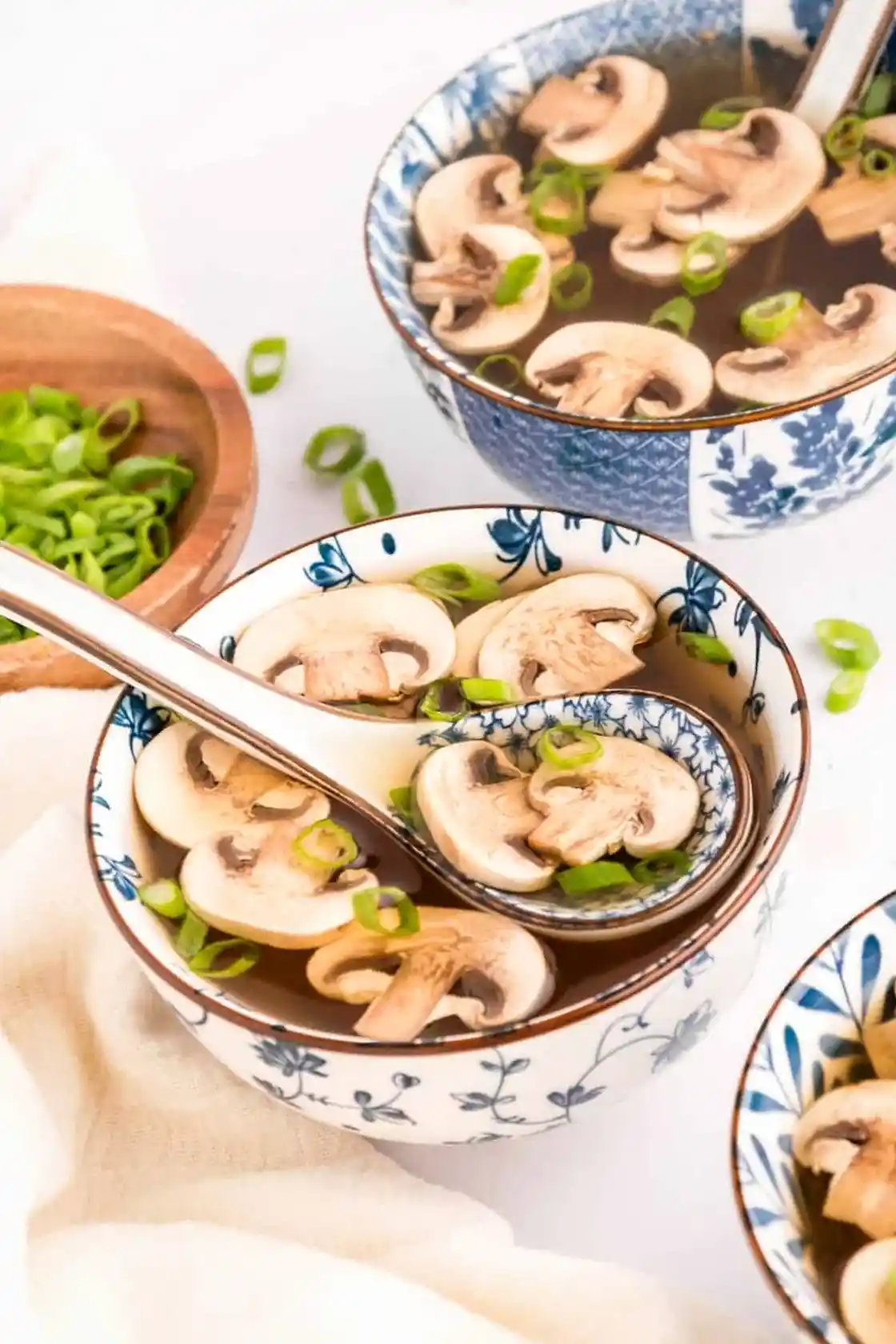
List of ingredients
- 6 cups vegetable broth – provides the savory liquid base.
- 2 cups onions, diced – adds sweetness and depth when caramelized.
- 1 cup celery, diced – contributes a subtle herbal note.
- 1 cup carrots, peeled and diced – adds color and natural sweetness.
- 3 garlic cloves, minced – provides a pungent, aromatic foundation.
- 1 teaspoon fresh ginger, minced – adds a warm, spicy undertone.
- 1 teaspoon sesame oil – gives the broth a nutty, toasted aroma.
- 1 cup button mushrooms, thinly sliced – used for texture in the final serving.
- 1/2 cup green onions, sliced – provides a fresh, sharp finish.
- Soy sauce (optional) – used for extra umami depth.
- Sriracha (optional) – adds a spicy kick to the final bowl.
step-by-step instructions
- Sauté the onions: Heat a small amount of oil in a large pot over medium heat. Add the diced onions and cook for approximately 10 minutes, stirring occasionally, until they are soft and slightly caramelized.
- Combine aromatics and broth: Stir in the diced carrots, celery, minced garlic, and minced ginger. Pour in the sesame oil and the vegetable broth, then season the mixture with salt and pepper to taste.
- Simmer for flavor: Bring the liquid to a boil, then immediately reduce the heat to a low simmer. Let the soup cook uncovered for 30 minutes to allow the vegetable flavors to fully infuse into the broth.
- Clarify the broth: Use a fine-mesh strainer or a slotted spoon to remove all the cooked vegetables. This ensures the final result is a clear broth; you may discard the solids or save them for another dish.
- Prepare the serving bowls: Place a handful of raw, thinly sliced button mushrooms and sliced green onions into the bottom of each serving bowl.
- Combine and serve: Pour the boiling hot broth directly over the raw mushrooms and scallions. The heat of the broth will soften the mushrooms slightly while keeping them fresh.
- Final seasoning: Stir in a small splash of soy sauce for added richness or a drizzle of sriracha for those who prefer a spicy profile.
Techniques for a Crystal Clear Broth
Control the Boiling Temperature
Maintaining a gentle simmer is crucial for clarity. Avoid letting the broth reach a rolling boil for extended periods, as aggressive bubbling can break down the vegetables and emulsify fats, resulting in a cloudy appearance.
Utilize a Fine-Mesh Strainer
Using a fine-mesh strainer is more effective than a slotted spoon for removing small particles of garlic and ginger. This ensures that no sediment remains in the broth, providing that professional, transparent look found in steakhouse soups.
Avoid Over-Stirring During Simmering
Once the broth is simmering, avoid stirring it frequently. Constant agitation can break the vegetables into smaller fragments that are harder to strain out and can contribute to a murkier liquid.
Ingredient Substitutions and Adjustments
Selecting Different Mushroom Varieties
While button mushrooms are traditional, shiitake mushrooms provide a much deeper, earthier umami flavor. Oyster mushrooms or cremini mushrooms are also excellent alternatives that maintain a similar texture when hit with hot broth.
Gluten-Free Soy Alternatives
To make this recipe strictly gluten-free, replace the optional soy sauce with tamari or coconut aminos. Tamari provides a flavor closest to traditional soy sauce, while coconut aminos offer a slightly sweeter, lower-sodium profile.
Alternative Broth Bases
Vegetable broth is the standard for a clean taste, but a high-quality beef broth can be used for a richer, more traditional hibachi flavor. Ensure any broth used is low-sodium if you plan to add soy sauce later to avoid over-salting.
Enhancing the Flavor Profile
Adding Protein for a Heartier Meal
To transform this appetizer into a full meal, add cubed firm tofu or poached shrimp to the serving bowls. If using chicken or beef, ensure the meat is thinly sliced and pre-cooked to maintain the clarity of the broth.
Introducing Acidic Brightness
A small squeeze of fresh lemon or lime juice added just before serving can cut through the richness of the sesame oil. This adds a bright, citrusy note that complements the ginger and garlic.
Customizing the Heat Level
Beyond sriracha, you can use chili oil or a pinch of red pepper flakes for a different type of heat. For a more nuanced spice, add a small amount of grated fresh horseradish to the bowl before pouring in the broth.
Optimal Serving and Presentation
Preparing the Bowl Base
Always place the mushrooms and green onions in the bowl before the broth. This ensures the vegetables are evenly distributed and allows the heat to cook them precisely to a tender-crisp texture.
Complementary Side Dishes
This soup pairs well with Asian-style cucumber salads or steamed edamame. For a more filling experience, serve it alongside a side of steamed jasmine rice or vegetable spring rolls.
Temperature Management
The broth must be piping hot when poured over the raw vegetables. If the broth cools too much during the straining process, reheat it quickly on the stove to ensure the mushrooms soften properly.
Storage and Reheating Guide
Refrigerating the Broth
Store the strained broth in an airtight glass container in the refrigerator for up to 4 days. Do not store the mushrooms or green onions in the broth, as they will overcook and lose their texture over time.
Freezing for Long-Term Use
The clear broth freezes exceptionally well for up to 3 months. Pour the broth into freezer-safe bags or silicone molds for easy portioning, then thaw in the fridge overnight before reheating.
Proper Reheating Methods
For the best results, reheat the broth in a small saucepan over medium heat until it reaches a boil. Alternatively, use a microwave-safe container and heat in 30-second intervals, stirring in between to ensure even heating.
Common Troubleshooting
Dealing with a Cloudy Broth
If your broth turns out cloudy, you can attempt to clarify it by simmering it very slowly and skimming any foam off the surface. In the future, ensure you do not boil the liquid too vigorously.
Overcooked or Mushy Mushrooms
If the mushrooms are too soft, it usually means the broth was not hot enough to flash-cook them, or they were left to sit too long. Ensure the broth is at a boiling point when it hits the bowl.
Lack of Savory Depth
If the soup tastes flat, increase the amount of ginger or garlic in the next batch. Additionally, ensure the onions are properly caramelized at the start, as this creates the essential base of sweetness and savoriness.
Frequently Asked Questions
What makes this taste like hibachi restaurant soup?
The signature flavor comes from the combination of caramelized onions, ginger, garlic, and the addition of sesame oil. Straining the vegetables to create a clear, concentrated broth is what replicates the restaurant experience.
Can I use a slow cooker for this recipe?
Yes, you can place the diced onions, carrots, celery, garlic, and ginger in a slow cooker with the broth and sesame oil. Cook on low for 6-8 hours, then strain the broth and serve as directed.
Is this soup naturally vegan?
Yes, using vegetable broth and soy sauce makes this recipe completely vegan. If using a soy substitute, ensure it is plant-based, such as coconut aminos.
Why are the mushrooms not cooked in the pot?
Adding raw mushrooms to the bowl and pouring hot broth over them preserves their structural integrity. This prevents them from becoming rubbery or overcooked, which often happens during long simmering processes.
Can I use dried mushrooms instead of fresh?
Dried shiitakes can be used, but they must be rehydrated in warm water first. Slice them thinly after rehydrating and use the soaking liquid as part of your 6 cups of broth for extra flavor.
Print
Japanese Clear Onion Soup
- Total Time: 40 minutes
- Yield: 4 servings 1x
- Diet: Gluten-free, Vegan, Keto, Paleo
Description
Japanese Clear Onion Soup is a light, broth-forward soup made with simple aromatics, onions, celery, and carrots simmered until the flavors deepen.
Ingredients
- 6 cups vegetable broth
- 2 cups onions, diced
- 1 cup celery, diced
- 1 cup carrots, peeled and diced
- 3 garlic cloves, minced
- 1 teaspoon fresh ginger, minced
- 1 teaspoon sesame oil
- 1 cup button mushrooms, thinly sliced
- ½ cup green onions, sliced
- soy sauce (optional)
- sriracha (optional)
Instructions
- Step: Heat a little oil in a large pot over medium heat. Add the diced onions and cook for about 10 minutes, stirring occasionally, until they become soft and slightly caramelized.
- Step: Stir in the carrots, celery, garlic, and ginger. Pour in the sesame oil and vegetable broth. Season with salt and pepper to taste.
- Step: Bring the mixture to a boil, then reduce the heat to a simmer. Let it cook uncovered for 30 minutes to allow the flavors to develop.
- Step: Use a fine-mesh strainer or slotted spoon to remove the vegetables, leaving a clear broth. Discard the solids or save them for another use.
- Step: Place a handful of thinly sliced mushrooms and scallions into serving bowls.
- Step: Pour the hot broth over the mushrooms and scallions, allowing them to soften slightly in the heat.
- Step: Add a splash of soy sauce for extra depth or sriracha for a spicy kick.
Notes
To prevent a cloudy broth, simmer gently and avoid boiling too hard. Use a fine-mesh strainer for a smooth finish. Pouring the hot broth over raw mushrooms allows them to soften naturally while maintaining texture.
- Prep Time: 10 minutes
- Cook Time: 30 minutes
- Category: Soup
- Method: Simmering
- Cuisine: Japanese
Nutrition
- Serving Size: 1 serving
- Calories: 88 kcal
- Sugar: 9 g
- Sodium: 1459 mg
- Fat: 1 g
- Saturated Fat: 0.2 g
- Unsaturated Fat: 0.8 g
- Trans Fat: 0 g
- Carbohydrates: 18 g
- Fiber: 3 g
- Protein: 2 g
- Cholesterol: 0 mg