This classic lasagna recipe offers the ultimate comfort food experience by layering savory meat sauce with a rich, creamy cheese blend and tender pasta sheets. It is a reliable, time-tested meal that perfectly balances hearty protein with melted mozzarella and fresh herb notes, making it an ideal choice for large family gatherings or a satisfying weekend dinner. By following these straightforward assembly steps, you can achieve professional results right in your home kitchen with minimal fuss and maximum flavor impact.
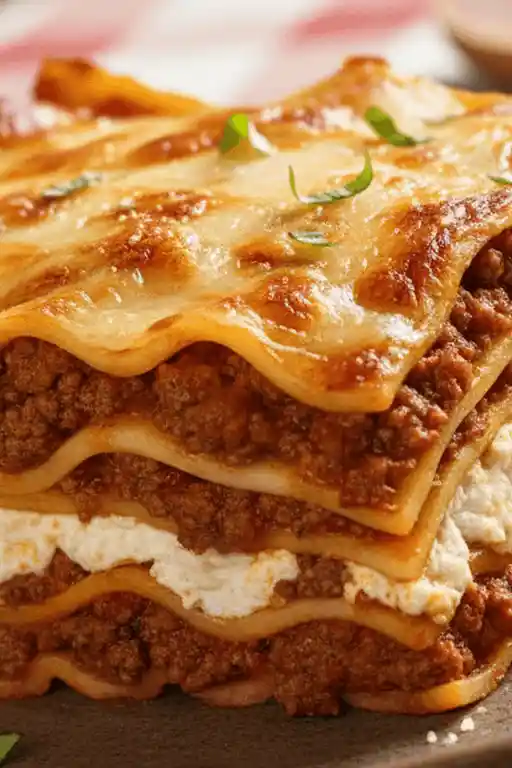
List of ingredients
- 1 lb Ground Beef
- 9 Lasagna Noodles
- 15 oz Ricotta Cheese
- 2 cups Mozzarella Cheese
- 1/2 cup Parmesan Cheese
- 24 oz Pasta Sauce
- 1 Egg
- 2 cloves Garlic
- 1/2 Onion
- 1 tsp Oregano
- 1/2 tsp Salt
- 1/4 tsp Black Pepper
step-by-step instructions
- Cook the Noodles: Boil a large pot of salted water. Add noodles and cook until they are soft.
- Brown the Meat: Cook the beef with onions in a skillet. Drain the extra grease so it is not oily.
- Make the Sauce: Stir the pasta sauce into the cooked beef. Let it simmer for a few minutes to blend.
- Mix the Cheese: Combine ricotta, egg, and herbs in a bowl. Mix until the texture is very smooth.
- Layer the Bottom: Spread a little meat sauce in the dish. This stops the noodles from sticking.
- Add the Pasta: Place a layer of noodles over the sauce. Make sure they cover the whole bottom.
- Spread the Cheese: Put half of the ricotta mix on top. Spread it evenly to the edges.
- Repeat the Layers: Add more meat, noodles, and cheese again. Keep going until the dish is full.
- Top with Mozzarella: Sprinkle a thick layer of cheese on top. This creates a golden crust.
- Bake the Dish: Put it in the oven at 375 degrees. Bake until the cheese bubbles and turns brown.
Practical Preparation Tips
Salting the Pasta Water
Always add a generous amount of salt to your boiling pasta water until it tastes comparable to seawater. Since the noodles themselves are relatively bland, this provides the first essential layer of seasoning that will define the taste of the final dish. Do not skip this, as it is the only time the pasta can absorb flavor from the inside out.
Achieving the Perfect Texture
Avoid overcooking your lasagna noodles in the initial boiling phase, as they will continue to absorb liquid from the sauce while baking in the oven. If the noodles are mushy before they even enter the baking dish, the final structure will lose its integrity and fall apart when sliced. Aim for a slightly undercooked ‘al dente’ state to account for this secondary cooking period.
Substitutions and Adjustments
Alternative Cheese Blends
While ricotta is the traditional choice, you can substitute it with well-drained cottage cheese for a slightly firmer, chunkier texture. If using cottage cheese, ensure it is thoroughly strained in a fine-mesh sieve for at least thirty minutes beforehand to remove excess moisture, which prevents the lasagna from becoming soupy during the baking process.
Managing Vegetable Additions
You can incorporate finely chopped spinach or shredded zucchini into the ricotta mixture to boost the nutritional profile of the dish. If you choose to add these, it is essential to squeeze all the moisture out of the vegetables using a paper towel before mixing them with the cheese. This prevents the extra water from compromising the structural density of the lasagna layers.
Serving and Presentation Ideas
The Importance of Resting Time
Always allow your finished lasagna to rest on the counter for at least 15 to 20 minutes after taking it out of the oven before attempting to slice it. This brief cooling period is crucial, as it allows the internal layers of cheese and sauce to set, resulting in clean, beautiful slices that do not spill over the sides of your serving plate.
Side Dish Pairings
To cut through the richness of the melted cheese and hearty meat sauce, serve this lasagna alongside a crisp, acidic side salad dressed with a bright lemon vinaigrette. The freshness of raw greens provides a necessary textural and flavor contrast to the heavy, warm nature of the baked pasta. Additionally, a side of toasted crusty bread is excellent for soaking up the remaining sauce left on the plate.
Storing and Reheating
Proper Refrigeration Techniques
To store leftover lasagna, allow it to cool completely to room temperature before covering the dish tightly with plastic wrap or transferring individual portions to airtight containers. This prevents condensation from forming on the lid, which can lead to soggy noodles and accelerated spoilage. When stored correctly, the leftovers will maintain their peak flavor and safety for up to three days in the refrigerator.
Effective Reheating Methods
For the best results when reheating, place your lasagna in a preheated oven at 325 degrees Fahrenheit, covered with a piece of aluminum foil to keep the moisture inside. Reheating slowly in an oven allows the interior to warm through completely without causing the cheese on the edges to become dry or burnt. Avoid high-heat microwave reheating, which can often result in uneven temperatures and tough, rubbery cheese.
Frequently Asked Questions
How can I tell if the center is fully heated?
You can verify that the lasagna is thoroughly cooked by inserting a thin, sharp knife into the center of the dish. If the knife enters with no resistance and feels hot to the touch when pulled out, the internal temperature is sufficient. The sauce should also be bubbling visibly at the edges of the pan when the dish is pulled from the oven.
Can I assemble this recipe a day before baking?
Yes, you can assemble the entire dish one day in advance, cover it tightly, and keep it in the refrigerator. When you are ready to serve, simply remove it from the fridge while the oven preheats to take the initial chill off the pan, which helps ensure a more even cooking process. You may need to add five to ten minutes to the total baking time to account for the colder starting temperature of the ingredients.
Is there a way to prevent the top cheese from burning?
If you notice the mozzarella browning too quickly before the center of the lasagna has finished cooking, loosely tent a piece of aluminum foil over the top of the dish. This prevents direct heat from hitting the cheese while still allowing the dish to heat thoroughly through to the middle. Remove the foil during the final five minutes of baking if you want to achieve a perfectly golden, crispy top layer.
Print
Hearty Classic Family-Style Lasagna
- Total Time: PT65M
- Yield: 8 1x
- Diet: Non-Vegetarian
Description
Do you love comfort food? This classic lasagna is cheesy, meaty, and very filling. It is a hearty meal perfect for a big crowd.
Ingredients
- 1 lb Ground Beef
- 9 Lasagna Noodles
- 15 oz Ricotta Cheese
- 2 cups Mozzarella Cheese
- 1/2 cup Parmesan Cheese
- 24 oz Pasta Sauce
- 1 Egg
- 2 cloves Garlic
- 1/2 Onion
- 1 tsp Oregano
- 1/2 tsp Salt
- 1/4 tsp Black Pepper
Instructions
- Cook the Noodles: Boil a large pot of salted water. Add noodles and cook until they are soft.
- Brown the Meat: Cook the beef with onions in a skillet. Drain the extra grease so it is not oily.
- Make the Sauce: Stir the pasta sauce into the cooked beef. Let it simmer for a few minutes to blend.
- Mix the Cheese: Combine ricotta, egg, and herbs in a bowl. Mix until the texture is very smooth.
- Layer the Bottom: Spread a little meat sauce in the dish. This stops the noodles from sticking.
- Add the Pasta: Place a layer of noodles over the sauce. Make sure they cover the whole bottom.
- Spread the Cheese: Put half of the ricotta mix on top. Spread it evenly to the edges.
- Repeat the Layers: Add more meat, noodles, and cheese again. Keep going until the dish is full.
- Top with Mozzarella: Sprinkle a thick layer of cheese on top. This creates a golden crust.
- Bake the Dish: Put it in the oven at 375 degrees. Bake until the cheese bubbles and turns brown.
Notes
Always salt your pasta water for better noodle flavor. Drain the meat well to avoid a greasy lasagna. Let the lasagna rest before cutting into nice squares. Use full-fat ricotta for the best and creamiest results. Don’t overcook noodles because they soften while baking. Cover with foil if the top browns too fast.
- Prep Time: PT20M
- Cook Time: PT45M
- Category: Main Course
- Method: Baking
- Cuisine: American
Nutrition
- Serving Size: 1 slice
- Calories: 450 kcal
- Sugar: 6 g
- Sodium: 850 mg
- Fat: 22 g
- Saturated Fat: 11 g
- Unsaturated Fat: 9 g
- Trans Fat: 0 g
- Carbohydrates: 35 g
- Fiber: 3 g
- Protein: 28 g
- Cholesterol: 95 mg