This vibrant lemon chicken recipe delivers tender poultry coated in a rich, buttery, and citrus-forward sauce in under twenty minutes. It is a fantastic option for busy weeknights when you want a restaurant-quality meal without the long preparation time or complicated cleanup. With just a handful of pantry staples, you can transform simple chicken breasts into a bright and satisfying main course that pairs beautifully with various side dishes.
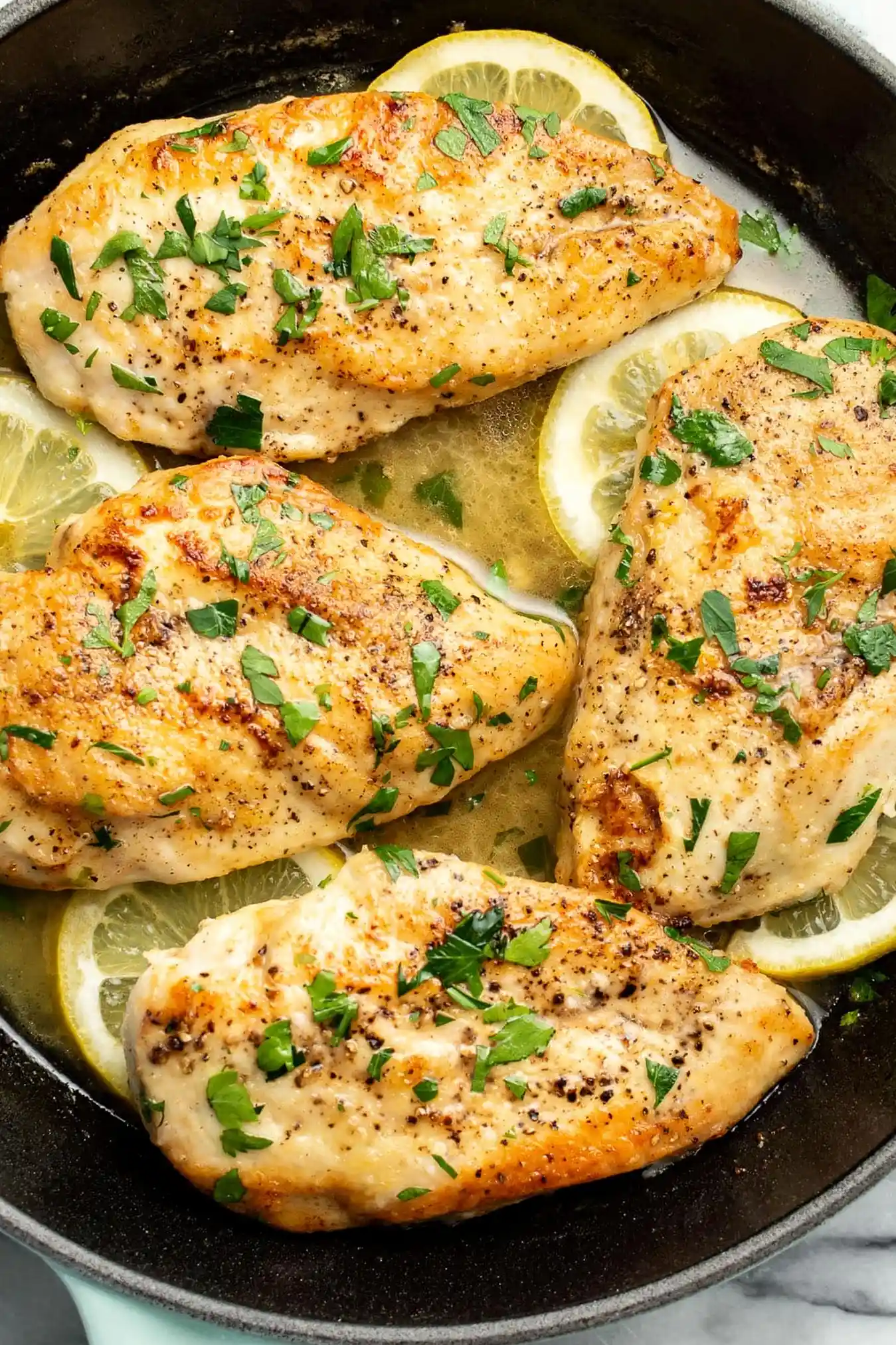
List of ingredients
- 2 large boneless skinless chicken breasts
- Salt & pepper to taste
- 1/4 teaspoon garlic powder
- Flour for dredging
- 1 tablespoon olive oil
- 3 tablespoons butter, divided
- 1/2 cup chicken broth
- 2 tablespoons lemon juice
- Zest of 1/2 lemon
- Chopped fresh parsley (optional)
step-by-step instructions
- Step: Cut your chicken breasts in half lengthwise so you have thinner cutlets.
- Step: Sprinkle them with salt & pepper and the garlic powder, then dredge them in flour so they’re nicely coated.
- Step: Add the olive oil and 1 tablespoon of the butter to a skillet over medium-high heat.
- Step: Add the chicken cutlets and cook for 4-5 minutes per side until golden. Take them out of the pan and set aside.
- Step: Add the chicken broth, lemon juice, lemon zest, and the remaining butter to the pan and let it bubble for a couple of minutes.
- Step: Add the chicken back in and cook for another few minutes until it is cooked through and the sauce has reduced. Season with salt & pepper and sprinkle with fresh parsley if using.
Cooking and Preparation Pointers
Achieving the Perfect Sear
To ensure your chicken develops a beautiful golden-brown exterior, avoid overcrowding the skillet when searing the cutlets. If the pan is too full, the chicken will steam rather than sear, resulting in a pale color and less flavor development. If you need to work in batches, add a small amount of extra olive oil as needed to ensure the heat remains consistent across the cooking surface.
The Role of Flour Dredging
Lightly dusting the chicken in flour serves a dual purpose beyond providing a crisp texture. As the flour comes into contact with the pan liquids, it acts as a mild thickening agent for the final sauce, helping the lemon-butter mixture cling to the chicken rather than running off onto the plate. Ensure the flour layer is very thin, as too much powder can turn the sauce gummy or overly heavy.
Selecting the Best Lemons
Since the flavor of this dish relies heavily on the acidity and oil of the citrus, try to choose fresh lemons with bright, unblemished skin. Zest the fruit before you squeeze it for juice, as it is nearly impossible to zest a lemon once it has been halved and pressed. Using the zest is vital because it contains the concentrated volatile oils that provide a much deeper fragrance than the juice alone.
Refining Your Flavor Profile
Balancing the Acid Content
If you find the sauce is too sharp for your preference, you can stir in an extra half-tablespoon of butter right at the end of the cooking process to mellow the intensity of the lemon juice. Conversely, if you desire an even brighter, punchier flavor, increase the amount of fresh lemon zest added during the reduction stage. Adjusting the acidity level toward the end of the process allows you to customize the dish to your specific taste preferences before serving.
Incorporating Herbal Notes
While parsley is the classic choice for this recipe due to its clean, mild flavor, you can experiment with other fresh herbs to alter the profile of the sauce. Fresh thyme or tarragon pairs exceptionally well with lemon, adding earthy or anise-like notes that elevate the complexity of the butter sauce. Always add fresh herbs at the very end of cooking to preserve their bright color and delicate flavor compounds, as heat can quickly degrade them.
Serving Suggestions
Pairing with Starchy Sides
Because the lemon-butter sauce is quite light and flavorful, this chicken pairs beautifully with neutral starches that can absorb the liquid. Steamed long-grain rice, fluffy mashed potatoes, or even simple buttered noodles provide a comforting base. If you prefer a lighter approach, serve the chicken alongside roasted root vegetables or a cold quinoa salad to balance the warmth of the skillet meal.
Vegetable Accompaniments
To round out your dinner, choose vegetables that can stand up to the acidic brightness of the lemon sauce. Sautéed asparagus, roasted broccoli, or green beans blanched until crisp-tender provide a nice contrast to the richness of the butter. If you want to keep the meal cohesive, tossing these vegetables briefly in the pan with the remaining sauce before serving ensures every element of the plate shares the same delicious seasoning.
Storage and Reheating Guidance
Maintaining Texture During Storage
To keep the chicken as tender as possible, store any leftovers in an airtight container in the refrigerator for up to four days. If possible, store the chicken and any extra sauce together so that the meat stays hydrated while sitting in the cold. Avoid high-heat storage environments, as this can cause the butter emulsion to break or the chicken to dry out more rapidly.
Restoring the Sauce Consistency
When reheating, use a skillet on the stovetop over low to medium-low heat rather than a microwave to maintain the integrity of the sauce. If the sauce has thickened too much in the fridge, splash in a tablespoon of chicken broth or water while heating to help bring the emulsion back to a smooth, pourable consistency. Stir gently to ensure the butter re-incorporates evenly without separating into oil.
Troubleshooting Common Issues
How to Correct a Broken Sauce
A sauce breaks when the fat and liquid separate, often due to high heat or inconsistent stirring. If your sauce looks greasy, remove the pan from the heat immediately and whisk in a teaspoon of cold chicken broth or even a tiny amount of cold butter. Vigorous whisking off the heat often encourages the emulsion to re-form and return to a creamy, cohesive state.
Preventing Tough Chicken
Chicken breasts can become tough if overcooked, especially when sliced into thinner cutlets. Use an instant-read thermometer to check for an internal temperature of 165°F (74°C) to ensure the meat is cooked safely without being over-processed. If you are not serving the meal immediately, remove the chicken from the heat slightly before it reaches the full target temperature, as the residual heat will carry it to the proper level as it rests.
Frequently Asked Questions
Can I use dried herbs instead of fresh parsley?
Yes, you can substitute dry herbs, but use them sparingly. Dried parsley lacks the vibrant color and fresh aroma of the fresh herb, so try using a pinch of dried oregano or dried basil instead, adding them during the reduction phase so they have time to rehydrate in the sauce.
Is it necessary to use thin cutlets?
While you can use whole chicken breasts, the cooking time will be significantly longer and the outside may become dry before the middle is cooked through. Slicing them into cutlets is the most reliable way to achieve consistent results and a rapid cook time, which is essential for this specific recipe structure.
Can this dish be made ahead of time?
This recipe is designed to be a quick, fresh skillet meal, so it is best enjoyed immediately after cooking. If you need to save time, you can cut and season your chicken ahead of time and keep it in the refrigerator, but it is recommended to do the actual searing and sauce creation just before you are ready to sit down for dinner.
What is the best way to keep the chicken warm?
If you have prepared a larger batch, you can place the cooked chicken on a baking sheet in a warm oven set to its lowest temperature. Cover the chicken loosely with foil to retain moisture while you finish preparing the sauce in your skillet, then re-incorporate the chicken just before serving.
Print
Easy Lemon Chicken
- Total Time: PT20M
- Yield: 4 servings 1x
- Diet: Low carb
Description
This 20-minute lemon chicken recipe has juicy chicken with a simple buttery lemon sauce. It’s the ideal dinner for when you don’t want to put in a lot of effort!
Ingredients
- 2 large boneless skinless chicken breasts
- Salt & pepper to taste
- 1/4 teaspoon garlic powder
- Flour for dredging
- 1 tablespoon olive oil
- 3 tablespoons butter, divided
- 1/2 cup chicken broth
- 2 tablespoons lemon juice
- Zest of 1/2 lemon
- Chopped fresh parsley (optional)
Instructions
- Step: Cut your chicken breasts in half lengthwise so you have thinner cutlets.
- Step: Sprinkle them with salt & pepper and the garlic powder, then dredge them in flour so they’re nicely coated.
- Step: Add the olive oil and 1 tablespoon of the butter to a skillet over medium-high heat.
- Step: Add the chicken cutlets and cook for 4-5 minutes per side until golden. Take them out of the pan and set aside.
- Step: Add the chicken broth, lemon juice, lemon zest, and the remaining butter to the pan and let it bubble for a couple of minutes.
- Step: Add the chicken back in and cook for another few minutes until it is cooked through and the sauce has reduced. Season with salt & pepper and sprinkle with fresh parsley if using.
Notes
If you buy particularly small chicken breasts, you can skip the step of cutting them in half lengthwise – just ensure they’re cooked through.
- Prep Time: PT5M
- Cook Time: PT15M
- Category: Main Course
- Method: Pan frying
- Cuisine: American
Nutrition
- Serving Size: 1 cutlet
- Calories: 188 kcal
- Sugar: 0.3 g
- Sodium: 242 mg
- Fat: 14 g
- Saturated Fat: 6 g
- Unsaturated Fat: 7.6 g
- Trans Fat: 0.4 g
- Carbohydrates: 4 g
- Fiber: 0.1 g
- Protein: 13 g
- Cholesterol: 59 mg