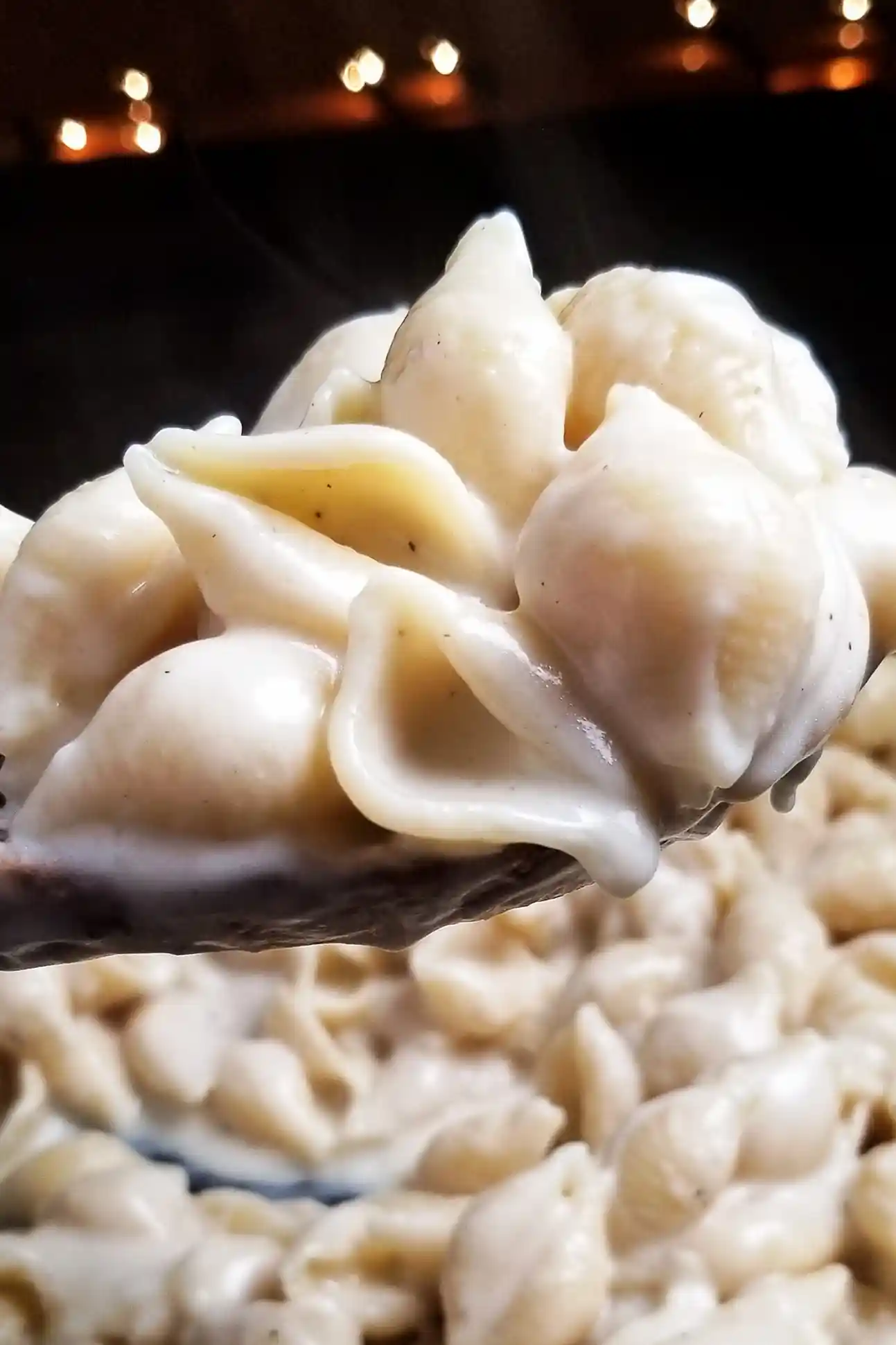
This recipe produces a rich and velvety cheese sauce that perfectly coats tender pasta shells. It is a versatile dish that serves as a comforting main course or a hearty side. Preparation is quick, making it an ideal option for weeknight dinners.
List of ingredients
- 1/2 lb. pasta shells – use medium shells to trap the cheese sauce inside.
- 1-3/4 cup whole milk – provides the necessary fat for a smooth emulsion.
- 1-1/2 cup white cheddar (grated) – sharp white cheddar offers the most robust flavor.
- 1/2 tsp salt – balances the richness of the cheese.
- 3 tbsp butter – serves as the base for the thickening roux.
- 2 tbsp all purpose flour – creates the structure of the sauce.
- 1/4 tsp black pepper – adds a subtle layer of spice.
- 1/2 tsp garlic powder – enhances the savory profile of the dish.
step-by-step instructions
- Cook pasta shells according to pasta instructions for “al dente”. Drain and set aside.
- In a saucepan over medium heat, add butter and begin to melt.
- Add flour and stir to form a paste. Cook this mixture for about one minute to remove the raw flour taste.
- Slowly Add milk to the flour mixture while stirring constantly to prevent lumps from forming.
- Add salt, pepper, and garlic powder and stir well.
- Bring sauce to a simmer over medium heat.
- Reduce heat to low and stir in white cheddar cheese. Stir until cheese is fully melted into the sauce.
- Toss pasta shells in with the cheese sauce and serve immediately.
Techniques for a Smooth Cheese Sauce
Grating Your Own Cheese
Always grate your white cheddar from a block rather than using pre-shredded bags. Pre-shredded cheese is coated in potato starch or cellulose to prevent clumping in the bag. This coating can prevent the cheese from melting smoothly and may result in a grainy texture.
Managing Temperature During Melting
Reduce the heat to low before adding the grated cheese to the saucepan. High temperatures can cause the proteins in the cheese to tighten and separate from the fats. This leads to an oily sauce that does not emulsify properly.
Gradual Milk Incorporation
Pour the milk into the butter and flour roux in small increments. Whisk the mixture vigorously after each addition to ensure the flour is fully integrated. This process prevents the formation of flour clumps and ensures a consistent thickness.
Simmering for Stability
Allow the milk mixture to reach a gentle simmer before adding the cheese. Simmering ensures that the starch in the flour has fully hydrated and thickened the liquid. This creates a stable base that can hold the cheese in suspension without breaking.
Pasta Preparation and Selection
The Advantage of Shell Pasta
Pasta shells are specifically chosen for this recipe because of their concave shape. The interior of the shell acts as a small bowl, capturing a larger amount of cheese sauce per bite. This increases the flavor intensity compared to flat or straight pasta shapes.
Maintaining Al Dente Texture
Cook the pasta for one to two minutes less than the package instructions for al dente. The pasta will continue to cook slightly when tossed in the hot cheese sauce. Under-cooking slightly prevents the shells from becoming mushy or breaking apart during the final mixing phase.
Utilizing Pasta Water
Reserve a small cup of the starchy pasta water before draining the shells. If the final cheese sauce becomes too thick, a tablespoon of this water can thin it out while maintaining the emulsion. The starch in the water helps the sauce adhere better to the pasta.
Flavor Enhancements and Variations
Adding Nutmeg for Depth
A small pinch of ground nutmeg can be stirred into the sauce during the simmering stage. Nutmeg is a classic addition to white sauces and complements the sharpness of white cheddar. It provides a subtle warmth that enhances the overall creaminess.
Incorporating Smoked Paprika
For a smoky undertone, stir in a quarter teaspoon of smoked paprika. This adds a light orange tint and a wood-fired flavor profile to the white sauce. It pairs exceptionally well with the sharpness of the cheddar cheese.
Mixing Diverse White Cheeses
While white cheddar is the primary ingredient, you can replace a portion of it with Monterey Jack or Gruyere. Monterey Jack increases the meltability and stretch of the sauce. Gruyere adds a nutty, sophisticated flavor that elevates the dish.
Using Fresh Herb Garnishes
Finely chopped fresh parsley or chives added at the end provide a fresh contrast to the rich cheese. These herbs cut through the heaviness of the dairy and add visual appeal. Stir them in just before serving to maintain their bright color.
Recommended Ingredient Substitutions
Low-Fat Milk Alternatives
If you prefer not to use whole milk, 2% milk can be used with similar results. For skim milk, you may need to simmer the sauce slightly longer to achieve the same thickness. Avoid using thin nut milks as they may not emulsify as effectively with the roux.
Gluten-Free Thickening Options
Replace all-purpose flour with a 1:1 gluten-free flour blend or cornstarch. If using cornstarch, mix it with a small amount of cold milk to create a slurry before adding it to the butter. This prevents the sauce from becoming lumpy.
Alternative Pasta Shapes
If shells are unavailable, cavatappi or large macaroni are the best substitutes. Cavatappi has a spiral shape that holds sauce well in its grooves. Large macaroni provides a traditional experience while still offering enough surface area for the cheese.
Plant-Based Butter Options
Unsalted vegan butter or a neutral oil can be used to create the initial roux. Ensure the plant-based butter has a high smoke point to avoid burning during the flour incorporation stage. The flavor will remain closely aligned with the original recipe.
Serving and Pairing Suggestions
Pairing with Roasted Vegetables
Serve these shells alongside roasted broccoli or sautéed asparagus. The bitterness of the green vegetables balances the richness of the cheddar sauce. This combination turns the side dish into a more nutritionally balanced meal.
Adding Lean Protein Toppings
Top the pasta with grilled chicken breast or sautéed shrimp for a complete dinner. Slicing the protein into bite-sized pieces allows for a balanced distribution in every forkful. Season the protein simply with salt and pepper to avoid clashing with the cheese.
Serving in Individual Ramekins
Portion the pasta into small ceramic ramekins for an elegant presentation. If desired, top with a sprinkle of extra cheese and place under a broiler for two minutes. This creates a crisp cheese crust on top of the creamy shells.
Adding Green Onions for Contrast
Garnish the final dish with thinly sliced green onions. The sharp, fresh taste of the onions provides a necessary contrast to the heavy fats in the butter and cheese. This adds a layer of complexity to the flavor profile.
Storage and Reheating Instructions
Refrigeration Guidelines
Store leftovers in an airtight container in the refrigerator for up to four days. Keep the container tightly sealed to prevent the pasta from absorbing odors from other foods. Ensure the pasta is cooled slightly before sealing to avoid excessive condensation.
Microwave Reheating Tips
When reheating in the microwave, add a tablespoon of milk or water to the pasta. Heat in 30-second intervals, stirring between each session. This re-introduces moisture and prevents the cheese sauce from separating or becoming oily.
Stovetop Reheating Method
Place the pasta in a small saucepan over low heat. Add a splash of whole milk and stir gently until the sauce returns to a creamy consistency. Avoid high heat, as this can cause the cheese to break and the pasta to overcook.
Freezing and Thawing Advice
Freezing creamy pasta can lead to a grainy texture upon thawing due to the emulsion breaking. If freezing, undercook the pasta significantly. Thaw in the refrigerator overnight before reheating slowly on the stovetop with extra milk.
Make-Ahead Strategies
Preparing the Sauce in Advance
The cheese sauce can be made a day ahead and stored in the fridge. When ready to serve, reheat the sauce slowly on the stove before tossing in freshly cooked pasta. This reduces the active cooking time on the day of serving.
Par-boiling the Pasta
Boil the pasta shells for half the recommended time and then shock them in ice water. Drain and toss with a tiny bit of oil to prevent sticking. When ready to eat, add the par-boiled pasta directly into the simmering cheese sauce to finish cooking.
Converting to a Baked Dish
Transfer the mixed shells to a baking dish and top with panko breadcrumbs and a sprinkle of parmesan. Bake at 375 degrees Fahrenheit for 15 minutes until the top is golden brown. This adds a textural contrast between the crunchy top and creamy interior.
Common Troubleshooting Solutions
Fixing Lumpy Sauce
If the sauce develops lumps during the milk addition, use a whisk to beat them out vigorously. For stubborn lumps, you can pass the sauce through a fine-mesh strainer. Alternatively, a brief pulse with an immersion blender will create a perfectly smooth texture.
Correcting Oily Sauce
An oily sauce usually means the cheese was added at too high a temperature. To fix this, whisk in a teaspoon of cornstarch dissolved in a teaspoon of cold water. Heat the mixture gently to help re-bind the fats and liquids.
Thinning Overly Thick Sauce
If the sauce is too thick to coat the pasta, stir in warm milk one tablespoon at a time. Continue stirring over low heat until the desired consistency is reached. Avoid adding cold milk directly, as it can cause the cheese to seize.
Adjusting Bland Flavor
If the dish tastes flat, add a small pinch of salt or a drop of lemon juice. The acidity of the lemon juice brightens the heavy flavors of the cheddar and butter. Small adjustments in seasoning can significantly change the perception of the cheese’s sharpness.
Frequently Asked Questions
Can I use a different cheese?
Yes, you can use other white cheeses like Monterey Jack, Gruyere, or Fontina. However, keep the total amount of cheese consistent to maintain the sauce’s thickness. Using a blend of these cheeses can create a more complex flavor.
Why is my sauce grainy?
Graininess is usually caused by overheating the cheese, which causes the proteins to clump. To prevent this, always melt the cheese over low heat and stir constantly. Ensure you are using freshly grated cheese rather than pre-shredded versions.
Can I make this in a slow cooker?
This recipe is designed for the stovetop to ensure a proper roux. While possible in a slow cooker, the sauce may not thicken the same way. It is recommended to follow the stovetop method for the best emulsion.
How long does it stay fresh?
The pasta stays fresh in the refrigerator for 3 to 4 days. Because of the high dairy content, ensure it is stored at or below 40 degrees Fahrenheit. Always reheat thoroughly before consuming.
Print
Creamy White Cheddar Shells
- Total Time: 25 minutes
- Yield: 4 servings 1x
- Diet: General
Description
Super creamy and delicious macaroni and cheese style recipe using sharp white cheddar cheese and pasta shells.
Ingredients
- 1/2 lb. pasta shells
- 1–3/4 cup whole milk
- 1–1/2 cup white cheddar, grated
- 1/2 tsp salt
- 3 tbsp butter
- 2 tbsp all purpose flour
- 1/4 tsp black pepper
- 1/2 tsp garlic powder
Instructions
- Step: Cook pasta shells according to pasta instructions for “al dente”. Drain and set aside.
- Step: In a saucepan over medium heat, add butter and begin to melt. Add flour and stir to form a paste. Slowly Add milk to the flour mixture while stirring. Add salt, pepper, and garlic powder and stir. Bring sauce to a simmer. Reduce heat to low and stir in white cheddar cheese. Stir until cheese is fully melted into the sauce.
- Step: Toss pasta shells in with the cheese sauce and serve immediately.
Notes
This cheesy pasta is the perfect side dish or works great as a main course as well.
- Prep Time: 5 minutes
- Cook Time: 20 minutes
- Category: Main Course
- Method: Stovetop
- Cuisine: American
Nutrition
- Serving Size: 1 serving
- Calories: 368 kcal
- Sugar: 2 g
- Sodium: 394 mg
- Fat: 15 g
- Saturated Fat: 9 g
- Unsaturated Fat: 4 g
- Trans Fat: 0.3 g
- Carbohydrates: 47 g
- Fiber: 2 g
- Protein: 12 g
- Cholesterol: 39 mg