This creamy baked pasta dish combines a rich meat sauce with multiple layers of cheese for a satisfying family meal. It is a hearty casserole that works well for large gatherings or as a meal-prep option for the week.
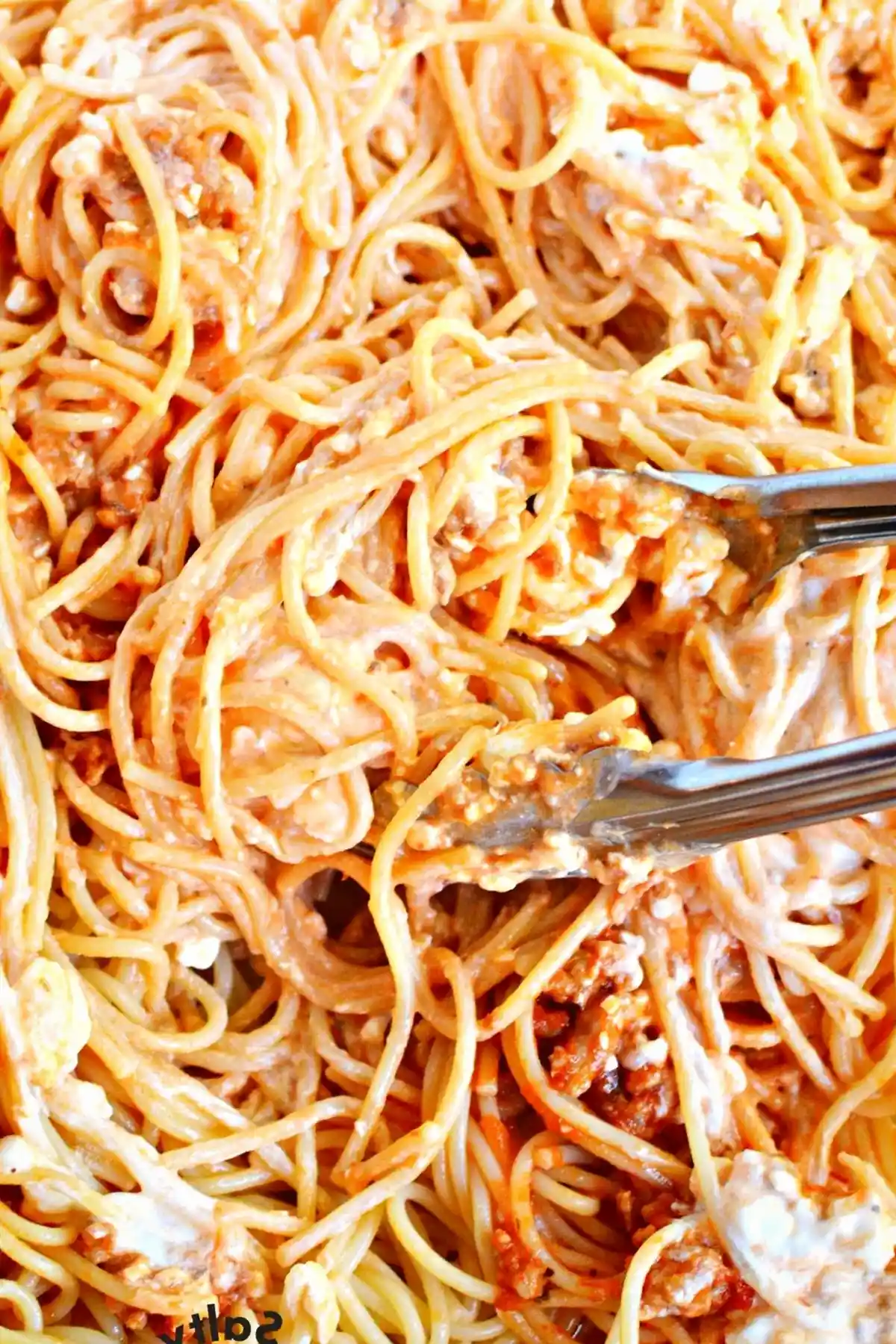
List of ingredients
- 1 lb ground beef – provides a savory, hearty base.
- 24 oz pasta sauce – use your favorite brand for a rich tomato flavor.
- 16 oz spaghetti noodles – cooked, drained, and cooled.
- 8 oz cream cheese brick – adds a velvety and smooth texture.
- 1 cup cottage cheese – contributes to the creamy internal layers.
- 1/2 cup sour cream – balances the richness with a slight tang.
- 2 cups shredded cheddar cheese – provides a sharp, salty flavor.
- 2 cups shredded mozzarella cheese – ensures a gooey, stretchy melt.
step-by-step instructions
- Prepare the oven and pan: Preheat your oven to 350°F and grease a 9×13 inch baking dish with non-stick spray.
- Cook the pasta: Boil the spaghetti noodles according to the package directions, then drain them and let them cool slightly.
- Brown the meat: Cook the ground beef in a pan over medium heat until fully browned. Soak up any excess grease with a paper towel to prevent the casserole from becoming oily.
- Simmer the sauce: Pour 24 oz of tomato pasta sauce into the pan with the beef and stir to combine. Add garlic powder, onion powder, salt, and black pepper to taste.
- Layer the base: Place the cooked spaghetti into the greased baking dish. Add half of the meat and sauce mixture, the cubed cream cheese, sour cream, and cottage cheese.
- Combine the creamy layer: Use tongs to mix the noodles, cheeses, and sauce together directly in the pan until the mixture is well combined and creamy.
- Fold in shredded cheese: Using a spatula, gently fold in 1 cup of shredded cheddar and 1 cup of shredded mozzarella.
- Add the top layer: Spread the remaining meat sauce evenly over the top of the creamy pasta layer.
- Final cheese topping: Sprinkle the remaining shredded cheddar and mozzarella over the meat sauce.
- Bake the casserole: Bake for 20-25 minutes or until the center is hot and the cheese is bubbly and melted.
- Rest and serve: Remove the dish from the oven and let it stand for five minutes to set before serving.
Enhancing the Meat Base
Using Ground Turkey for a Leaner Option
Ground turkey is an excellent substitute for beef if you prefer a leaner protein. Because turkey has less fat, you may want to add a tablespoon of olive oil to the pan before browning to prevent the meat from sticking.
Adding Diced Onions and Garlic
Sautéing finely diced white or yellow onions and minced garlic before adding the ground beef increases the depth of flavor. Cook the vegetables until translucent before adding the meat to ensure they are fully softened.
Deglazing the Pan for More Flavor
After browning the meat, use a small amount of beef broth to deglaze the pan before adding the pasta sauce. This lifts the browned bits, known as fond, from the bottom of the pan and incorporates them into the sauce.
Adjusting the Meat-to-Sauce Ratio
If you prefer a meatier casserole, increase the beef to 1.5 lbs while keeping the sauce amount the same. If you prefer a saucier result, add an extra 8 oz of pasta sauce to the meat mixture.
Pasta Selection and Preparation
Choosing Different Noodle Shapes
While spaghetti is traditional, shapes like penne, rotini, or fusilli are easier to mix with the cream cheese and cottage cheese. These shapes create pockets that hold more of the creamy sauce in every bite.
Preventing Overcooked Pasta
Cook the noodles for one to two minutes less than the package instructions for al dente pasta. Since the noodles will cook further in the oven, undercooking them slightly prevents them from becoming mushy.
Managing Cold Noodles
If you prep the noodles in advance and they stick together in the fridge, rinse them with warm water before adding them to the baking dish. This separates the strands without overcooking them.
Using Whole Wheat or Gluten-Free Pasta
Whole wheat spaghetti adds a nuttier flavor and more fiber to the dish. For gluten-free options, use a brown rice or corn-based pasta, but be sure to rinse it well to remove excess starch.
Customizing the Tomato Sauce
Using Marinara for Chunkier Texture
Marinara sauce typically contains larger pieces of tomato and herbs compared to standard pasta sauce. This adds a rustic texture to the casserole, though it may make the top layer slightly less smooth.
Incorporating Fresh Herbs
Stirring in chopped fresh basil, oregano, or parsley into the meat sauce adds a bright, fresh contrast to the heavy cheeses. Add these herbs at the very end of the simmering process to preserve their color.
Adjusting Spice Levels
For a spicier version, add a pinch of red pepper flakes or a teaspoon of paprika to the meat mixture. If the sauce is too acidic, a small pinch of sugar can balance the tomato flavor.
Creating a Creamy Tomato Blend
You can mix a small amount of Alfredo sauce into the tomato sauce before adding it to the meat. This creates a pink sauce effect that complements the cream cheese layers inside the bake.
Cheese Alternatives and Enhancements
Swapping Cottage Cheese for Ricotta
Ricotta cheese is a great substitute for cottage cheese if you prefer a smoother, less grainy texture. Use a 1:1 ratio to maintain the same moisture level in the creamy layer.
Using a Three-Cheese Blend
Adding a cup of shredded Parmesan or Pecorino Romano to the mix adds a salty, nutty punch. Mix the Parmesan into the creamy layer for a more complex flavor profile.
Substituting Provolone for Mozzarella
Provolone cheese melts similarly to mozzarella but offers a sharper, more distinct taste. Use a mix of both to achieve the perfect balance of stretch and flavor.
Managing Lactose Sensitivity
For those with sensitivities, use lactose-free cream cheese, sour cream, and cottage cheese. Many hard cheeses like aged cheddar are naturally lower in lactose and may be tolerated better.
Best Serving Combinations
Pairing with Garlic Bread
Crusty garlic bread is the ideal side for this casserole as it helps scoop up the creamy sauce. Toasted sourdough or a French baguette brushed with garlic butter and parsley works best.
Adding Green Vegetables for Balance
Because this dish is very rich, pairing it with steamed broccoli or roasted asparagus provides a necessary nutritional balance. The bitterness of the greens cuts through the richness of the cheese.
Serving with a Fresh Side Salad
A simple caprese salad with cherry tomatoes, fresh mozzarella, and a balsamic glaze complements the Italian flavors. A garden salad with a light lemon vinaigrette also cleanses the palate between bites.
Adding a Garnish for Presentation
Sprinkle freshly chopped parsley or sliced green onions over the baked casserole before serving. This adds a pop of color and a hint of freshness to the visual presentation.
Storage and Preservation
Refrigeration Guidelines
Store leftovers in an airtight container in the refrigerator for up to 3 to 4 days. Ensure the casserole has cooled completely before sealing the lid to prevent condensation from making the noodles soggy.
Freezing for Future Meals
This casserole freezes well for up to 3 months. Wrap individual portions in foil and place them in a freezer-safe bag to prevent freezer burn.
Thawing Procedures
Thaw frozen portions in the refrigerator overnight before reheating. Avoid thawing at room temperature to ensure the dairy ingredients remain safe for consumption.
Maintaining Quality During Storage
To keep the cheese from separating during storage, avoid over-mixing the leftovers. Gently scoop portions out of the pan rather than stirring the entire dish.
Reheating Methods
Using the Oven for Best Texture
To maintain the crispiness of the cheese, reheat portions in the oven at 350°F. Cover the dish with foil to prevent the top from burning while the center heats through.
Quick Microwave Reheating
For a fast option, microwave individual servings on medium power. Adding a teaspoon of water or a splash of sauce helps steam the noodles and prevents them from drying out.
Stovetop Reheating for Individual Portions
Place a portion of the casserole in a small skillet over low heat. Add a tablespoon of water or milk and cover with a lid to gently melt the cheese and warm the pasta.
Avoiding Overheating
Reheat only until the center is hot to avoid breaking the emulsion of the cream cheese. Overheating can cause the creamy layer to become oily or separate.
Make-Ahead Strategy
Preparing the Sauce in Advance
The meat and sauce mixture can be made 2 days in advance and stored in the fridge. Simply reheat the sauce slightly before assembling the casserole for easier mixing.
Pre-cooking the Pasta
Boil and drain the spaghetti a day early, tossing them with a small amount of oil to prevent sticking. Store them in a sealed container in the refrigerator.
Assembling the Casserole Early
You can assemble the entire dish up to 12 hours before baking. Keep it covered in the refrigerator, and add 5-10 minutes to the baking time to account for the cold starting temperature.
Pre-shredding the Cheese
Shred your cheddar and mozzarella ahead of time and store them in separate bags. Freshly shredded cheese melts better than pre-bagged versions because it lacks anti-clumping agents.
Troubleshooting the Casserole
Fixing a Watery Consistency
If the casserole seems too watery, it is often due to under-drained pasta or too much moisture in the cottage cheese. Next time, ensure the noodles are fully drained and pat the cottage cheese with a paper towel.
Addressing Dry Noodles
If the pasta feels dry after baking, you likely overcooked the noodles during the boiling stage. To fix this in a finished dish, drizzle a small amount of extra pasta sauce over the top before reheating.
Preventing Burnt Cheese
If the cheese on top browns too quickly before the center is hot, cover the dish loosely with aluminum foil. This traps heat inside while shielding the cheese from direct oven radiation.
Improving Cream Cheese Integration
If you find chunks of unmixed cream cheese, ensure the brick is softened to room temperature before cubing it. Alternatively, whisk the cream cheese and sour cream together before adding them to the pan.
Common Questions
Can I use a different sized baking pan?
A 9×13 inch pan is ideal for this quantity. If you use a deeper 9×9 inch pan, you will need to increase the baking time by 10-15 minutes to ensure the center reaches the proper temperature.
Can I substitute the sour cream?
Plain Greek yogurt is an excellent substitute for sour cream, providing a similar tang and creamy texture. Use a 1:1 replacement ratio.
Is it possible to make this without cottage cheese?
Yes, you can replace the cottage cheese with an equal amount of ricotta cheese or additional cream cheese. Ricotta will provide a smoother consistency, while more cream cheese will make it denser.
How do I know when the casserole is fully cooked?
The casserole is done when the edges are bubbling and the center feels hot when inserted with a knife. A food thermometer should read 165°F in the middle.
Can I add vegetables into the pasta layer?
Yes, sautéed spinach, diced bell peppers, or mushrooms can be mixed into the noodles. Ensure the vegetables are cooked and drained of excess water before adding them to prevent a soggy bake.
What is the best way to slice the casserole?
Allow the dish to rest for 5-10 minutes after removing it from the oven. Use a sharp knife to cut clean squares, which helps the layers stay intact during serving.
Print
Creamy Million Dollar Spaghetti Bake
- Total Time: 45 minutes
- Yield: 8 servings 1x
- Diet: General
Description
Creamy spaghetti bake, also known as “Million Dollar Spaghetti” combines classic tomato, meat and spaghetti noodles with layers and layers of rich cheeses. Feeds a family or a potluck, this is a great dinner recipe that has plenty of filling leftovers.
Ingredients
- 1 lb ground beef
- 24 oz pasta sauce
- 16 oz spaghetti noodles (cooked, drained and cooled)
- 8 oz cream cheese brick
- 1 cup cottage cheese
- 1/2 cup sour cream
- 2 cups shredded cheddar cheese
- 2 cups shredded mozzarella cheese
Instructions
- Step: Preheat the oven to 350 and grease a 9×13 baking dish.
- Step: Prep raw spaghetti noodles according to package instructions.
- Step: Brown ground beef and then soak up any excess grease in the pan with a paper towel. Pour in 24 oz. of tomato pasta sauce and combine together.
- Step: In the prepped large baking dish, add cooked and drained spaghetti pasta noodles, half of the meat and tomato sauce mixture, cubes of cream cheese, sour cream, and cottage cheese. Mix together well until combined and creamy.
- Step: With a spatula, fold in 1 cup of shredded cheddar cheese and 1 cup of shredded mozzarella cheese.
- Step: Top the dish with remaining meat sauce, spreading it evenly over the top, and sprinkle remaining shredded cheese.
- Step: Bake the Casserole for 20-25 minutes or until the center is hot and the cheese is melted.
- Step: Remove the million dollar spaghetti casserole from the oven, let stand to set for five minutes and then serve.
Notes
You can add extra seasoning like garlic powder, onion powder, salt, and pepper to the meat sauce for more flavor.
- Prep Time: 20 minutes
- Cook Time: 25 minutes
- Category: Casseroles
- Method: Baking
- Cuisine: American-Italian
Nutrition
- Serving Size: 1 cup
- Calories: 692 kcal
- Sugar: 6 g
- Sodium: 1501 mg
- Fat: 38 g
- Saturated Fat: 17 g
- Unsaturated Fat: 16 g
- Trans Fat: 0 g
- Carbohydrates: 52 g
- Fiber: 1 g
- Protein: 38 g
- Cholesterol: 106 mg