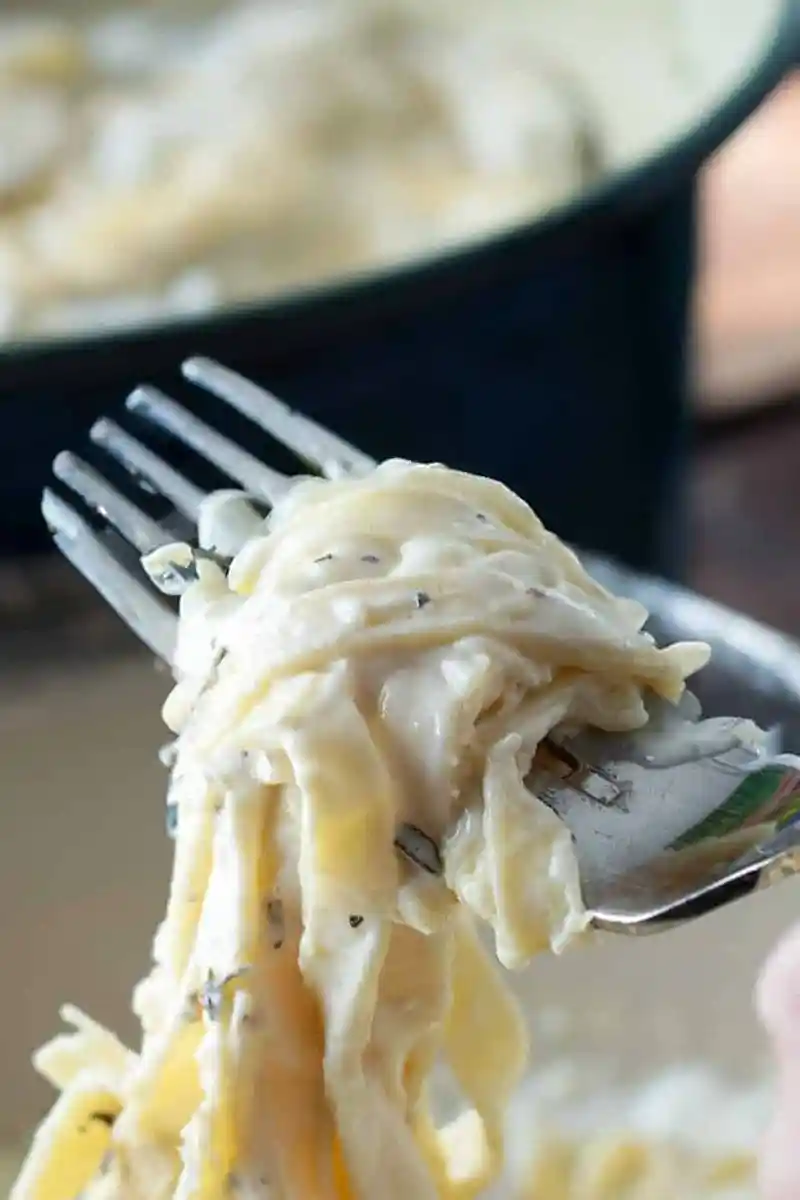
This rich and velvety chicken alfredo is a satisfying meal that brings restaurant-quality flavor to your home kitchen. It features a smooth, cheesy sauce made from simple staples for a quick and comforting dinner.
List of ingredients
- 1/2 cup butter (1 stick) – salted butter provides a deeper base flavor.
- 2 cups heavy whipping cream – creates the essential thick and creamy texture.
- 4 ounces cream cheese (1/2 block) – acts as a stabilizer for a smoother sauce.
- 1 tablespoon garlic (minced finely) – adds a sharp, aromatic punch to the cream.
- 1/2 teaspoon salt – enhances all the other savory flavors.
- 1/4 teaspoon cracked pepper – adds a subtle heat and depth.
- 2 teaspoon Italian seasoning – provides a classic blend of dried herbs.
- 1 cup parmesan cheese (freshly grated/shredded) – the primary source of salty, nutty flavor.
- 2 cups cooked chicken (shredded or diced) – provides the main protein.
- 1 cup peas – adds a pop of color and a touch of sweetness.
step-by-step instructions
- Prepare the base: Melt the butter, cream cheese, and heavy whipping cream together in a large saucepan over medium heat, whisking constantly until the mixture is completely smooth.
- Infuse flavor: Stir in the minced garlic, salt, cracked pepper, and Italian seasoning, allowing the sauce to simmer gently for a few minutes until it thickens slightly.
- Add cheese: Remove the pan from the heat and stir in the freshly grated parmesan cheese until it is fully melted and incorporated.
- Combine with pasta: Toss your freshly cooked pasta into the sauce, adding a small amount of reserved pasta water if you prefer a thinner consistency.
- Incorporate protein and vegetables: Fold in the cooked chicken and peas until they are evenly distributed and warmed through.
- Final touch: Serve the pasta immediately and garnish with extra shredded parmesan cheese for a professional finish.
Optimizing Your Cheese Selection
Avoid Pre-Grated Cheese to Prevent Graininess
Pre-shredded cheeses are coated in cellulose or cornstarch to prevent them from clumping in the package. These anti-caking agents interfere with the melting process, often resulting in a gritty or grainy sauce. Grating your own cheese from a block ensures a perfectly smooth emulsion.
Choosing the Right Parmesan Variety
For the best results, use Parmigiano-Reggiano if available, as it offers a sharper and more complex flavor profile. If you prefer a milder taste, a standard high-quality Parmesan will work well. Ensure the cheese is aged properly to provide the necessary saltiness to the sauce.
Incorporating Pecorino Romano for Depth
If you want a more nuanced and saltier flavor, try replacing a quarter cup of the parmesan with Pecorino Romano. Pecorino is made from sheep’s milk and adds a tangy contrast to the heavy cream. Be cautious with additional salt when using this substitution.
Mastering the Creamy Base
The Importance of Heavy Whipping Cream
Heavy whipping cream contains a higher fat percentage than half-and-half or whole milk, which is critical for the sauce’s stability. The fat prevents the sauce from breaking or separating when heated. If you use a lower-fat substitute, the sauce will be much thinner and may require a roux to thicken.
Using Cream Cheese as a Stabilizer
Cream cheese provides a thick, velvety consistency that traditional alfredo recipes sometimes lack. It helps bind the butter and cream together, ensuring the sauce clings to the pasta. For the easiest melting, cut the cream cheese into small cubes before adding it to the pan.
Selecting Between Salted and Unsalted Butter
Salted butter adds an extra layer of seasoning that complements the parmesan. If you use unsalted butter, you may need to slightly increase the added salt to maintain the flavor balance. Always melt butter slowly to avoid browning, as this recipe calls for a pale, creamy color.
Pasta Cooking and Preparation
Achieving the Perfect Al Dente Texture
Cook your pasta in a large pot of heavily salted water until it is just tender but still has a slight bite. This is known as al dente. Overcooking the pasta will cause it to break apart when you toss it with the thick sauce.
Utilizing Reserved Pasta Water
Before draining your pasta, save about a cup of the starchy cooking water. This liquid is a secret weapon for adjusting the thickness of your alfredo sauce. A splash of pasta water helps emulsify the sauce, making it glossier and more cohesive.
Selecting the Best Pasta Shapes
Fettuccine is the traditional choice because its wide surface area is perfect for holding thick sauces. However, penne or rotini are excellent alternatives if you want the sauce to get trapped inside the ridges. Bowtie pasta also works well for family-style meals.
Protein and Vegetable Enhancements
Preparing the Chicken for Maximum Flavor
For the best taste, use grilled or pan-seared chicken breasts seasoned with salt and pepper. Searing the chicken first creates a golden crust that adds texture to the dish. If you are short on time, a store-bought rotisserie chicken is a convenient and flavorful alternative.
Adding Fresh or Frozen Peas
Frozen peas can be added directly to the sauce at the very end, as they only need a minute or two to warm through. If using fresh peas, blanch them briefly in boiling water first. Adding them late prevents them from becoming mushy and keeps their vibrant green color.
Substituting Other Green Vegetables
Steamed broccoli florets are a popular alternative to peas in chicken alfredo. Fresh baby spinach can also be stirred in at the end, allowing the residual heat of the sauce to wilt the leaves. These additions increase the nutritional value of the meal.
Flavor Customization Tips
Using Fresh Garlic vs. Garlic Powder
Freshly minced garlic provides a pungent, aromatic quality that cannot be replicated by powder. If you only have garlic powder, use about one-third of the measured amount to avoid an overpowering taste. Sautéing the fresh garlic briefly in butter before adding the cream can deepen the flavor.
Adjusting the Italian Seasoning Blend
If you do not have a pre-made Italian seasoning, you can mix dried oregano, basil, and thyme. Adjust the proportions based on your preference for earthiness or sweetness. Freshly chopped parsley added at the end provides a bright, fresh contrast to the rich dairy.
Adding a Hint of Nutmeg
A tiny pinch of ground nutmeg is a classic addition to cream-based sauces. It doesn’t make the dish taste like dessert, but rather enhances the creaminess and adds a professional touch. Be very sparing, as too much can dominate the flavor profile.
Storage and Reheating Strategies
Proper Refrigeration Methods
Store leftover pasta in an airtight container in the refrigerator for up to five days. To prevent the pasta from absorbing all the sauce, you can store the sauce and pasta in separate containers. This keeps the noodles from becoming bloated and soggy.
Preventing Sauce Separation During Reheating
Alfredo sauce is an emulsion of fat and water, which can break when reheated too quickly. Use a low heat setting on the stove or a low power setting in the microwave. Stir frequently to keep the fats integrated.
Restoring Creaminess with Milk or Cream
Reheated alfredo often thickens significantly as the pasta absorbs moisture. Add a tablespoon of milk, cream, or water during the reheating process to loosen the sauce. This restores the original velvety texture and prevents it from becoming clumpy.
Troubleshooting Common Issues
Fixing a Grainy or Lumpy Sauce
If your sauce appears grainy, it is usually due to the cheese being added while the sauce was too hot or using pre-shredded cheese. To fix this, remove the pan from the heat and whisk vigorously. In extreme cases, a handheld immersion blender can smooth out the texture.
Correcting a Sauce That is Too Thin
If the sauce hasn’t thickened enough, continue to simmer it on low heat for a few more minutes. You can also stir in a small amount of extra parmesan cheese, which acts as a natural thickener. Avoid adding flour, as it will change the flavor and texture of the sauce.
Preventing the Sauce from Curdling
Curdling happens when the sauce is boiled too aggressively or when acidic ingredients are added. Keep the sauce at a gentle simmer rather than a rolling boil. Removing the pan from the heat before stirring in the cheese prevents the proteins from clumping.
Frequently Asked Questions
Can I use half-and-half instead of heavy cream?
Yes, you can use half-and-half, but the sauce will be significantly thinner. To compensate, you may need to simmer the sauce longer or add more parmesan cheese to achieve the desired thickness.
Is it possible to freeze this pasta?
While you can freeze it, cream-based sauces often separate or become grainy upon thawing. If you choose to freeze it, thaw it slowly in the refrigerator and reheat it very gently with a splash of extra cream.
Can I make this recipe without cream cheese?
Yes, you can omit the cream cheese, but the sauce will be less stable and slightly less thick. You may need to increase the amount of butter and parmesan to maintain a rich consistency.
How do I keep the chicken from drying out?
Add the cooked chicken to the sauce only at the very end of the process. Since the chicken is already cooked, it only needs to be warmed through; simmering it in the sauce for too long will make it tough.
What is the best way to mince the garlic?
Using a garlic press is the fastest method for a fine consistency. Alternatively, mince the garlic with a sharp knife and then mash it with the flat side of the blade to release the natural oils.
Print
Creamy Homemade Chicken Alfredo Pasta
- Total Time: 20 minutes
- Yield: 6 servings 1x
- Diet: General
Description
This creamy Homemade Alfredo Sauce is the dreamiest sauce that makes this Alfredo Pasta the best on the planet! Make a weeknight super special!
Ingredients
- ½ cup butter
- 2 cups heavy whipping cream
- 4 ounces cream cheese
- 1 tablespoon garlic, minced finely
- 1/2 teaspoon salt
- 1/4 teaspoon cracked pepper
- 2 teaspoon Italian seasoning
- 1 cup parmesan cheese, freshly grated/shredded
- 2 cups cooked chicken, shredded or diced
- 1 cup peas
Instructions
- Step 1: Melt ½ cup butter, 4 ounces cream cheese, and 2 cups heavy whipping cream in a saucepan, whisking until smooth.
- Step 2: Add 1 tablespoon garlic, 1/2 teaspoon salt, 1/4 teaspoon cracked pepper, and 2 teaspoon Italian seasoning and allow to thicken, stirring constantly – just a few minutes.
- Step 3: Remove from the heat, and stir in 1 cup parmesan cheese.
- Step 4: Add the sauce to freshly cooked pasta of your choice.
- Step 5: Add 2 cups cooked chicken and 1 cup peas.
- Step 6: Top with more shredded parmesan cheese.
Notes
Gather your ingredients and measure them out before you cook. Keep whisking to ensure a smooth, thick sauce. This recipe makes about 3 cups of sauce, enough for 2lb of fresh pasta. Store leftover sauce in an airtight container in the fridge for up to 5 days.
- Prep Time: 2 minutes
- Cook Time: 15 minutes
- Category: Dinner
- Method: Stovetop
- Cuisine: Italian
Nutrition
- Serving Size: 1 serving
- Calories: 516 kcal
- Sugar: 1 g
- Sodium: 909 mg
- Fat: 51 g
- Saturated Fat: 32 g
- Unsaturated Fat: 19 g
- Trans Fat: 0 g
- Carbohydrates: 5 g
- Fiber: 1 g
- Protein: 9 g
- Cholesterol: 170 mg