This creamy garlic parmesan shrimp pasta is a fast, satisfying meal perfect for busy weeknights. It combines succulent shrimp with a rich cheese sauce in under 30 minutes. This dish is flexible enough to be adapted for gluten-free diets by simply swapping the pasta and stock.
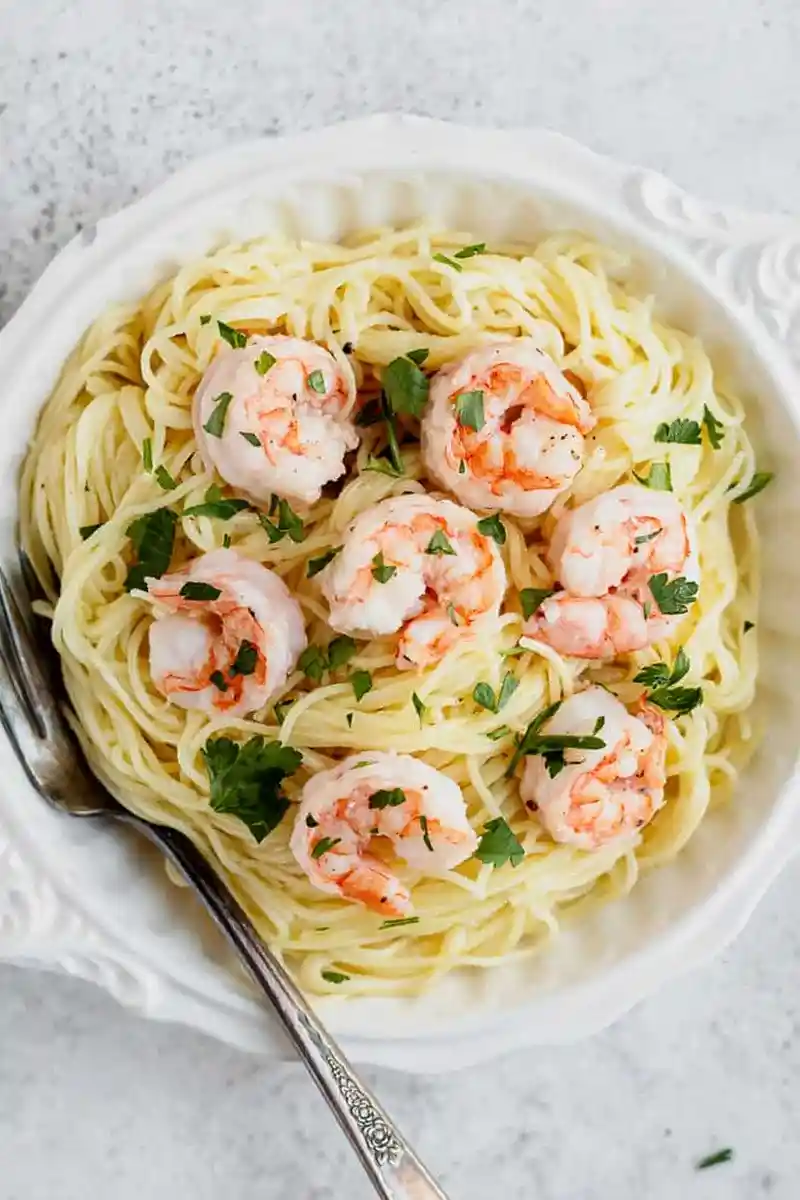
List of ingredients
- 1 pound pasta (any shape) – choose a variety that holds creamy sauces well.
- 1 tablespoon butter – used for searing the shrimp for a rich base.
- 1 pound shrimp (peeled and deveined) – pat these dry before cooking to ensure a good sear.
- salt – for seasoning the shrimp and the pasta water.
- pepper – for adding a subtle heat to the seafood.
- 6 cloves garlic (minced) – freshly minced garlic provides the most pungent flavor.
- 1 cup chicken stock – adds a savory depth to the cream sauce.
- 1 cup heavy cream – creates the signature velvet texture of the sauce.
- 1/2 cup Parmesan cheese – finely grated to ensure it melts smoothly into the sauce.
- 1 tablespoon fresh parsley (minced) – added at the end for a bright, herbaceous finish.
step-by-step instructions
- Prepare the Pasta: Start boiling a large pot of salted water for pasta. As soon as the water for the pasta starts boiling, add the pasta and cook according to the directions on the package, then drain, reserving some of the pasta water for later use.
- Sear the Shrimp: While the pasta is cooking, melt the butter in a large, deep skillet over medium heat. Season the shrimp with salt and pepper and cook on one side, undisturbed, for 2-3 minutes. Flip and cook another 1-2 minutes or until they are just opaque and cooked through. Remove to a bowl or plate and tent with foil to keep warm.
- Build the Flavor Base: Add the minced garlic to the same pan and cook for 1 minute or until fragrant. Immediately add the chicken stock and heavy cream to the skillet.
- Thicken the Sauce: Whisk in the Parmesan cheese, keeping the whisk moving to prevent lumps from forming. Turn the heat to medium-high and bring the mixture to a boil, then lower the heat and simmer until the sauce has thickened, whisking frequently.
- Combine and Finish: Mix in the cooked shrimp and pasta and heat through. The sauce should be creamy and slightly thick, but you can add some of the reserved pasta water if it becomes too thick.
- Garnish and Serve: Garnish the dish with fresh, minced parsley. Serve the pasta hot immediately.
Professional Cooking Techniques
Perfecting the Shrimp Sear
To get a golden-brown crust on the shrimp, ensure your skillet is well-heated before adding the butter. Pat the shrimp completely dry with paper towels to prevent them from steaming in their own moisture. Avoid crowding the pan, which keeps the temperature high enough for proper searing.
Managing Garlic Fragrance
Garlic can burn quickly, which introduces a bitter taste to the sauce. Add the garlic only after the shrimp have been removed from the pan. Cook it just until it becomes fragrant, usually about 60 seconds, before deglazing with the stock.
Creating a Smooth Emulsion
A whisk is essential for integrating the Parmesan cheese into the cream. Constant whisking prevents the cheese from clumping and ensures the fat from the cream binds with the cheese. This creates a professional, glossy finish to the sauce.
Utilizing Starchy Pasta Water
Reserved pasta water is a secret weapon for achieving the right sauce consistency. The starch in the water helps the sauce adhere to the pasta noodles more effectively. If the sauce appears too tight, a tablespoon of this water will loosen it without diluting the flavor.
Ingredient Substitutions and Alternatives
Choosing Different Pasta Shapes
While linguine and fettuccine are traditional for seafood cream sauces, other shapes work well. Penne or rigatoni are excellent choices for trapping the sauce inside the pasta. For a lighter feel, use angel hair pasta, though it cooks much faster.
Alternative Creamy Bases
If you prefer a slightly lighter sauce, you can substitute half of the heavy cream with half-and-half. For a dairy-free alternative, use full-fat coconut milk or a cashew-based cream. Note that these alternatives may slightly alter the flavor profile of the dish.
Cheese Variations for Different Tastes
Pecorino Romano can be used instead of Parmesan for a saltier, sharper flavor. Gruyere is another excellent option if you want a nuttier taste and a very smooth melt. Always grate your own cheese from a block to avoid anti-clumping agents found in pre-shredded bags.
Vegetable Stock Adaptation
To make the recipe more versatile, replace the chicken stock with a high-quality vegetable stock. This maintains the savory depth of the sauce while making the dish suitable for different dietary needs. Ensure the stock is low-sodium to avoid over-salting the dish.
Custom Recipe Variations
Adding Fresh Green Peas
Stir in one cup of frozen peas during the final two minutes of simmering the sauce. The heat from the cream will cook the peas quickly while keeping them vibrant green. This adds a subtle sweetness and a touch of nutritional balance.
Incorporating Baby Spinach
Add two handfuls of fresh baby spinach just before you toss the pasta back into the skillet. The residual heat from the sauce will wilt the leaves in seconds. This adds a beautiful color contrast and a boost of iron to the meal.
Topping with Toasted Breadcrumbs
For added texture, toast Panko breadcrumbs in a small pan with a pinch of butter until golden. Sprinkle the crumbs over the finished pasta just before serving. This provides a satisfying crunch that complements the soft creaminess of the sauce.
Adding a Spicy Kick
Incorporate a pinch of red pepper flakes when sautéing the garlic. This adds a subtle heat that cuts through the richness of the heavy cream and cheese. You can adjust the amount based on your preference for spice.
Serving and Pairing Suggestions
Pairing with Garlic Bread
Warm, toasted baguette slices with garlic butter are the perfect accompaniment. The bread serves as a tool to scoop up any remaining sauce left on the plate. For a twist, add a sprinkle of melted mozzarella to the bread before toasting.
Serving with a Fresh Side Salad
A crisp arugula salad with a lemon vinaigrette provides a necessary acidic contrast to the rich pasta. The bitterness of the greens cleanses the palate between bites. A simple Caesar salad also pairs well with the Parmesan flavors.
Fresh Garnish Ideas
While parsley is the standard garnish, fresh basil or chopped chives offer unique flavor profiles. A squeeze of fresh lemon juice over the plated pasta brightens the seafood and cuts through the fat of the cream. This small addition can elevate the entire dish.
Storage and Reheating Advice
Refrigerator Storage Tips
Store any leftover pasta in an airtight container in the refrigerator for up to 3 to 4 days. It is best to store the pasta and sauce together so the noodles stay moist. Ensure the container is completely sealed to prevent the pasta from absorbing fridge odors.
Reheating for Optimal Texture
The sauce will thicken significantly as it cools in the refrigerator. To reheat, place the pasta in a skillet over low to medium heat. Add a splash of milk or water to loosen the sauce and stir gently until heated through.
Freezing Guidelines
Cream-based sauces often separate or become grainy when frozen and thawed. For the best quality, it is recommended to freeze the cooked shrimp separately. Prepare the cream sauce fresh and combine it with the thawed shrimp and pasta.
Make-Ahead Strategies
Prepping the Aromatics
You can mince the garlic and parsley and peel the shrimp up to 24 hours in advance. Store them in separate airtight containers in the refrigerator. This significantly reduces the active prep time when you are ready to cook.
Pre-cooking the Pasta
Boil the pasta for 2 minutes less than the package directions for al dente. Toss the cooked noodles with a teaspoon of olive oil to prevent sticking and store them in the fridge. Finish cooking them in the sauce for the final minute.
Preparing the Sauce Base
The stock and cream mixture can be simmered and stored in the fridge. When ready to eat, simply reheat the base, whisk in the Parmesan cheese, and add your fresh shrimp and pasta. This allows for a near-instant dinner.
Troubleshooting Common Issues
Fixing a Broken Sauce
If the sauce separates into oil and liquid, it is usually due to excessive heat. Remove the pan from the fire and whisk in a tablespoon of cold heavy cream. Stir vigorously over low heat to bring the emulsion back together.
Managing Sauce Thickness
If the sauce becomes too thick during the simmering process, add the reserved pasta water one tablespoon at a time. Conversely, if the sauce is too thin, allow it to simmer for an additional 2 to 3 minutes without a lid to reduce the liquid.
Correcting Excessive Saltiness
Because Parmesan cheese is naturally salty, it is easy to over-season the dish. If the sauce tastes too salty, add an extra splash of heavy cream or a squeeze of lemon juice. The fat and acidity help neutralize the saltiness.
Frequently Asked Questions
Can You Use Cooked Shrimp In Place Of Raw?
Yes, you can use pre-cooked shrimp to save time. Instead of searing them at the start, simply toss them into the pan during the last few minutes of cooking with the pasta. Heat them just until they are warmed through to avoid overcooking.
Can Garlic Parmesan Shrimp Pasta Be Made Gluten Free?
Yes, this recipe is easily adapted for gluten-free diets. Use your favorite gluten-free pasta alternative and ensure that the chicken stock you select is certified gluten-free. The rest of the ingredients are naturally gluten-free.
How to Prevent the Sauce from Curdling?
To prevent curdling, avoid bringing the sauce to a violent boil after the cheese has been added. Keep the heat at a gentle simmer and stir frequently. Using high-fat heavy cream also helps stabilize the sauce against curdling.
What is the Best Pasta Shape for This Sauce?
Long, flat noodles like linguine or fettuccine are ideal because they provide a large surface area for the sauce to cling to. However, shell pasta or fusilli are excellent for trapping the cream and cheese in their folds for a more intense flavor in every bite.
Print
Creamy Garlic Parmesan Shrimp Pasta
- Total Time: 25 minutes
- Yield: 4 servings 1x
- Diet: Gluten Free
Description
Creamy Garlic Parmesan Shrimp Pasta is an easy recipe to throw together for a quick, satisfying dinner. Made with juicy shrimp and pasta in a garlic Parmesan creamy sauce, it’s a delicious meal the whole family will love.
Ingredients
- 1 pound pasta
- 1 tablespoon butter
- 1 pound shrimp, peeled and deveined
- salt
- pepper
- 6 cloves garlic, minced
- 1 cup chicken stock
- 1 cup heavy cream
- 1/2 cup Parmesan cheese
- 1 tablespoon fresh parsley, minced
Instructions
- Boil: Start boiling a large pot of salted water for pasta.
- Cook Pasta: Add the pasta and cook according to the directions on the package, then drain, reserving some of the pasta water.
- Melt Butter: Melt the butter in a large, deep skillet over medium heat.
- Cook Shrimp: Season the shrimp with salt and pepper and cook on one side for 2-3 minutes, flip and cook another 1-2 minutes until opaque, then remove to a plate.
- Make Sauce: Add the garlic to the pan and cook for 1 minute, then add chicken stock and heavy cream, and whisk in the Parmesan cheese.
- Thicken: Bring to a boil over medium-high heat, then lower and simmer until thickened, whisking frequently.
- Combine: Mix in the shrimp and cooked pasta and heat through, adding pasta water if necessary.
- Garnish: Garnish with fresh, minced parsley and serve hot.
Notes
If using pre-cooked shrimp, mix them in at the end and continue to cook to warm through. For a thicker sauce, mix 2 tablespoons of stock with 2 tablespoons of cornstarch and whisk it in after adding the stock and heavy cream. Store leftovers in an airtight container in the refrigerator for 3-4 days.
- Prep Time: 10 minutes
- Cook Time: 15 minutes
- Category: Main Dish
- Method: Stovetop
- Cuisine: American
Nutrition
- Serving Size: 1 serving
- Calories: 758 kcal
- Sugar: 6 g
- Sodium: 1045 mg
- Fat: 28 g
- Saturated Fat: 16 g
- Unsaturated Fat: 9 g
- Trans Fat: 0.1 g
- Carbohydrates: 91 g
- Fiber: 4 g
- Protein: 34 g
- Cholesterol: 220 mg