This rich garlic butter sauce provides a velvety coating for cheese tortellini, turning a simple meal into a gourmet experience. It is an efficient recipe that takes only 15 minutes to prepare, making it ideal for busy schedules.
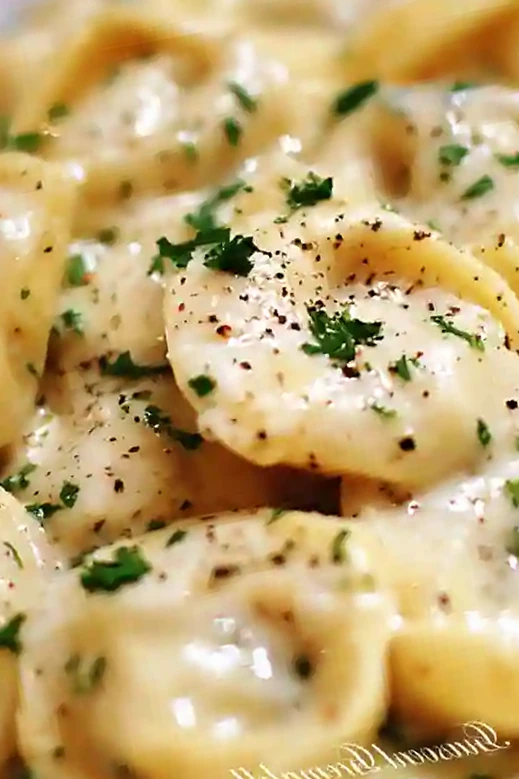
List of ingredients
- 1 lb (450g) fresh cheese tortellini – use high-quality refrigerated pasta for best results.
- 4 tbsp unsalted butter – provides the rich base for the sauce.
- 5 garlic cloves, minced – fresh garlic offers the most potent flavor.
- 1 cup heavy cream – creates the smooth, thick consistency.
- 1/2 cup grated Parmesan cheese – adds a salty, nutty depth.
- 1/4 tsp red pepper flakes – adds a subtle hint of heat.
- 1/4 tsp nutmeg (freshly grated) – provides a warm, aromatic undertone.
- 1/4 cup reserved pasta water – essential for emulsifying the sauce.
- Salt and black pepper to taste – used for final seasoning adjustments.
- 2 tbsp fresh parsley, chopped – adds brightness and color to the finish.
step-by-step instructions
- Cook the pasta: Boil the cheese tortellini in a large pot of generously salted water according to the package directions. Carefully reserve 1/4 cup of the starchy pasta water before draining the tortellini.
- Sauté the aromatics: Melt the unsalted butter in a large skillet over medium heat. Add the minced garlic and red pepper flakes, sautéing for about 1 minute until fragrant, ensuring the garlic does not brown or burn.
- Build the cream base: Pour the heavy cream into the skillet and bring it to a gentle simmer. Gradually whisk in the grated Parmesan cheese until fully melted, then stir in the nutmeg, salt, and black pepper.
- Combine and emulsify: Toss the drained tortellini into the skillet, coating every piece evenly in the sauce. If the sauce is too thick, stir in the reserved pasta water one tablespoon at a time until the desired consistency is reached.
- Final touch: Garnish the dish with freshly chopped parsley and an extra sprinkle of Parmesan cheese. Serve immediately while the sauce is hot and creamy.
Professional Cooking Tips
Prevent Garlic from Burning
Garlic has a lower smoke point than butter and can turn bitter if overcooked. Keep the heat at a steady medium and only sauté for 60 seconds. If the garlic begins to brown, immediately add the cream to lower the pan temperature.
Use Starchy Pasta Water for Texture
The reserved pasta water contains starch that helps bind the fats in the butter and cream to the pasta. This prevents the sauce from separating or sliding off the tortellini. Add the water gradually to achieve a glossy, cohesive finish.
Temper the Parmesan Cheese
Adding cheese to a boiling liquid can sometimes cause it to clump or become grainy. Reduce the heat to low before whisking in the Parmesan. Stir constantly until the cheese is fully integrated into the cream.
Ingredient Substitutions
Lighter Cream Alternatives
You can replace heavy cream with half-and-half or whole milk for a lighter version. Since these have lower fat content, the sauce will be thinner. To regain thickness, whisk in a small cornstarch slurry of one teaspoon cornstarch and one tablespoon cold water.
Alternative Cheese Options
Pecorino Romano can be used instead of Parmesan for a saltier, sharper flavor profile. For a nuttier taste, try a blend of Gruyere and Parmesan. Always grate your own cheese to avoid anti-caking agents that prevent smooth melting.
Replacing Nutmeg for Warmth
If you do not have nutmeg, a pinch of ground cinnamon or mace can provide a similar aromatic warmth. Even a small amount of ground allspice can work. Use these sparingly as they can easily overpower the garlic.
Dairy-Free Substitutions
Replace heavy cream with full-fat coconut milk or a cashew-based cream for a dairy-free version. Use nutritional yeast or a vegan Parmesan alternative instead of traditional cheese. These substitutes may require a slightly longer simmer time to thicken properly.
Recipe Variations
Incorporating Lean Proteins
Sautéed shrimp or grilled chicken breast are excellent additions to this dish. Cook the protein separately in a bit of butter and add it to the skillet just before tossing in the tortellini. This ensures the meat stays tender and does not overcook in the sauce.
Adding Fresh Vegetables
Fresh baby spinach or frozen peas can be folded into the sauce at the very end. The residual heat from the pasta will wilt the spinach perfectly without overcooking it. Sun-dried tomatoes also add a nice acidic contrast to the rich cream.
Trying Different Pasta Shapes
While designed for tortellini, this sauce works equally well with ravioli or fettuccine. For long noodles, ensure you use plenty of pasta water to help the sauce coat the strands. Cheese-filled manicotti also pairs well with this garlic butter base.
Serving and Pairing Ideas
Pairing with Acidic Salads
A crisp arugula salad with a lemon-olive oil vinaigrette cuts through the richness of the cream sauce. The acidity of the lemon cleanses the palate between bites. A classic Caesar salad is another traditional and complementary choice.
Complementary Bread Options
Serve this dish with toasted focaccia or warm garlic bread to soak up any remaining sauce. A crusty baguette toasted with a bit of olive oil also works well. This adds a necessary textural contrast to the soft tortellini.
Non-Alcoholic Beverage Pairings
Sparkling water with a squeeze of fresh lemon provides a refreshing balance to the heavy butter and cream. An iced green tea can also work well due to its slight astringency. For a warmer option, a light herbal tea is a soothing accompaniment.
Storage and Reheating Guide
Proper Refrigeration Steps
Place leftover tortellini in an airtight container and store it in the refrigerator for up to three days. The sauce will naturally thicken and may appear solid when cold. This is normal due to the high fat content of the cream and butter.
Freezing Guidelines
This dish can be frozen for up to two months in a freezer-safe container. Thaw the pasta in the refrigerator overnight before reheating. Note that cream-based sauces may separate slightly during the freezing and thawing process.
Best Reheating Methods
Reheat the pasta on the stovetop over low heat rather than in the microwave. Add a splash of milk or cream and stir gently to restore the emulsion. This prevents the sauce from breaking and keeps the tortellini tender.
Troubleshooting Common Issues
Fixing a Grainy Sauce
Graininess usually occurs if the cheese was added at too high a temperature. To fix this, remove the pan from the heat and whisk vigorously. Adding a small amount of warm milk can also help smooth out the texture.
Adjusting Over-Salted Pasta
If the dish tastes too salty, it is likely due to the combination of salted pasta water and Parmesan. Stir in an extra tablespoon of heavy cream or a squeeze of lemon juice. The fat and acidity will help neutralize the excess salt.
Correcting a Thin Sauce
If the sauce is too watery, simmer it on medium-low for an additional two to three minutes without the pasta. Allow the liquid to reduce and thicken naturally. Avoid adding too much pasta water at the beginning of the emulsification process.
Common Questions
Can the sauce be made in advance?
Yes, you can prepare the sauce ahead of time and store it in the fridge. When you are ready to eat, reheat it slowly on the stove and add a splash of milk to loosen it before tossing in fresh pasta.
Which tortellini filling works best?
While cheese filling is traditional, spinach and ricotta filling provides a great flavor balance. Mushroom and Swiss fillings also pair well with the garlic butter profile. Avoid overly sweet fillings that might clash with the savory garlic.
How do I prevent the sauce from breaking?
Avoid using high heat once the cream and cheese are added. Keep the temperature at a gentle simmer and stir constantly. If the sauce breaks, whisk in a teaspoon of cold water or cream to bring the emulsion back together.
Print
Creamy Garlic Butter Sauce for Cheese Tortellini
- Total Time: 15 minutes
- Yield: 4 servings 1x
- Diet: Vegetarian
Description
A luxuriously smooth garlic butter sauce with Parmesan and cream, perfectly coating cheese-filled tortellini. Ready in 15 minutes for an impressive restaurant-quality meal!
Ingredients
- 1 lb (450g) fresh cheese tortellini
- 4 tbsp unsalted butter
- 5 garlic cloves, minced
- 1 cup heavy cream
- 1/2 cup microbial-rennet Parmesan cheese
- 1/4 tsp red pepper flakes
- 1/4 tsp nutmeg (freshly grated)
- 1/4 cup reserved pasta water
- Salt and black pepper to taste
- 2 tbsp fresh parsley, chopped
Instructions
- Cook tortellini: Boil tortellini in salted water according to package instructions. Reserve 1/4 cup pasta water before draining.
- Sauté garlic: Melt butter in a large skillet over medium heat. Add garlic and red pepper flakes, sautéing for 1 minute until fragrant (don’t let garlic brown).
- Build sauce: Pour in heavy cream and bring to a gentle simmer. Whisk in Parmesan until melted. Add nutmeg, salt, and pepper.
- Combine: Add drained tortellini to skillet, tossing to coat. Thin sauce with reserved pasta water as needed.
- Finish: Garnish with parsley and extra Parmesan. Serve immediately.
Notes
Protein boost: Add sautéed shrimp or chicken. Lighter option: Substitute half-and-half for heavy cream. No nutmeg? Substitute with 1/8 tsp ground cinnamon. Sauce thickens upon standing – add splash of milk when reheating.
- Prep Time: 5 minutes
- Cook Time: 10 minutes
- Category: Main Course
- Method: Stovetop
- Cuisine: Italian-American
Nutrition
- Serving Size: 1/4 recipe
- Calories: 580 kcal
- Sugar: 3 g
- Sodium: 620 mg
- Fat: 42 g
- Saturated Fat: 26 g
- Unsaturated Fat: 12 g
- Trans Fat: 0 g
- Carbohydrates: 38 g
- Fiber: 2 g
- Protein: 18 g
- Cholesterol: 135 mg