Prepare a quick and flavorful meal with these buttery, garlic-infused shrimp. This dish takes less than 15 minutes to cook and delivers a bold island-style flavor profile.
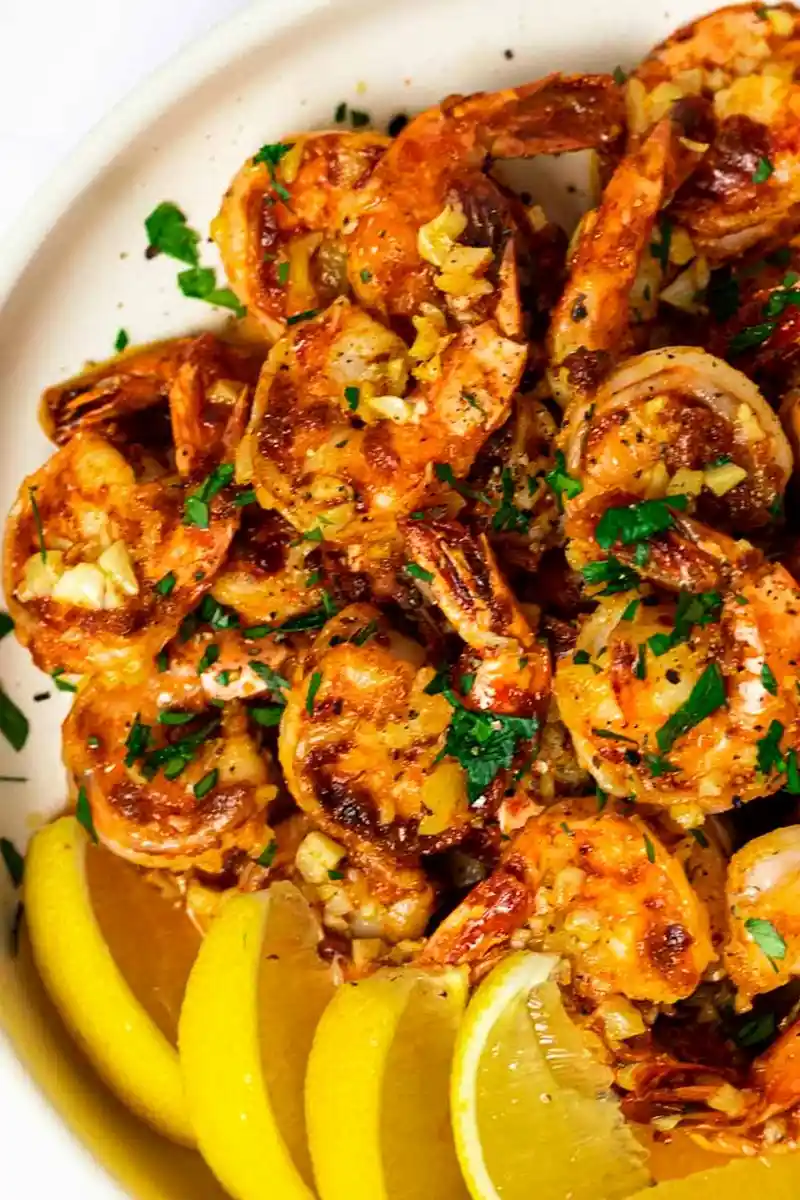
List of ingredients
- 1 lb shrimp – peeled and deveined for easier eating.
- 1⁄3 cup butter – provides a rich base for the garlic sauce.
- 10-12 cloves garlic – minced fresh for maximum potency.
- 1 Tablespoon flour – helps the spices adhere and thickens the butter.
- 1 teaspoon paprika – adds a mild earthy flavor and red color.
- 1⁄8 teaspoon cayenne – provides a subtle heat.
- 1⁄2 teaspoon red pepper flakes – adds a hint of spicy kick.
- sea salt and freshly ground pepper – used for basic seasoning.
step-by-step instructions
- Dry the shrimp: Pat the shrimp dry with paper towel – this helps the flour stick to it better.
- Create spice blend: Mix together the flour, paprika, cayenne and red pepper flakes then season well with sea salt and pepper.
- Coat the shrimp: Toss the shrimp in the flour mixture and mix well until evenly coated.
- Sauté the garlic: Heat a large skillet to medium high heat then add the butter. When it’s melted, add the garlic and cook for about 1 minute.
- Sear the shrimp: Add the shrimp to the skillet in a single layer. Turn halfway through until they are opaque.
- Finish and serve: Serve the shrimp drizzle with the garlic butter remaining in the pan.
Pro Tips for Shrimp Preparation
Thoroughly Drying the Seafood
Removing excess moisture from the surface of the shrimp is critical for a proper sear. Use heavy-duty paper towels to pat each piece dry before adding the flour. This prevents the coating from becoming a paste and ensures the shrimp brown quickly in the pan.
Selecting the Right Shrimp Size
Extra large shrimp are ideal for this recipe as they maintain a tender texture during the quick sear. If using jumbo or colossal shrimp, remember to adjust the timing of your garlic addition. Because larger shrimp take longer to cook, the garlic may burn if added at the start.
Managing Pan Temperature
Maintain a consistent medium-high heat to achieve a golden-brown crust. If the pan is too cold, the shrimp will steam in their own juices rather than sear. If the pan is too hot, the butter will burn and turn bitter before the shrimp are cooked through.
Ingredient Substitutions
Using Oil Instead of Butter
For a different flavor profile or dietary preference, substitute the butter with a high-smoke point oil like avocado oil or grapeseed oil. While you lose the creamy richness of butter, the shrimp will sear more efficiently at higher temperatures. You can add a small amount of butter at the very end for flavor.
Adjusting the Spice Levels
Control the heat by modifying the cayenne and red pepper flakes. For a mild version, omit the cayenne entirely and reduce the red pepper flakes to a pinch. For a spicier dish, increase the cayenne to a quarter teaspoon or add a dash of hot sauce during the final toss.
Flour Alternatives for Coating
Cornstarch can be used as a substitute for flour to create a slightly crispier exterior. Almond flour is a suitable option for those avoiding gluten, though it may brown more quickly than wheat flour. Ensure the substitute is mixed thoroughly with the paprika and cayenne.
Flavor Variations
Adding Fresh Citrus Notes
Squeeze fresh lemon or lime juice over the shrimp immediately after removing them from the heat. The acidity cuts through the richness of the butter and enhances the garlic flavor. You can also add a teaspoon of lemon zest to the flour mixture for a brighter taste.
Incorporating Fresh Herbs
Finely chopped flat-leaf parsley added at the end provides a fresh contrast to the heavy garlic. Cilantro is another excellent option that complements the island style of the dish. Toss the herbs in the pan during the last 30 seconds of cooking.
Adding Sliced Vegetables
Toss in thinly sliced red bell peppers or snap peas along with the shrimp. These vegetables add color and a slight crunch to the meal. Sauté the peppers for two minutes before adding the shrimp to ensure they are tender.
Serving and Pairing Ideas
Preparing Coconut Rice
Serve the shrimp over a bed of coconut rice for an authentic island meal. Replace half of the water in your usual jasmine rice cooking method with full-fat coconut milk. This creates a creamy, fragrant base that balances the spice of the shrimp.
Complementary Side Salads
A crisp green salad with a light vinaigrette serves as a refreshing palate cleanser. Use mixed greens, sliced cucumbers, and a dressing made of apple cider vinegar and olive oil. Avoid creamy dressings to keep the focus on the garlic butter sauce.
Steamed Vegetable Pairings
Steamed broccoli or sautéed bok choy provide necessary nutrients and a textural contrast. Lightly season the vegetables with salt and a drizzle of sesame oil. Serve them on the side or under the shrimp to soak up the extra garlic butter.
Storage and Preservation
Proper Refrigeration Methods
Store leftover shrimp in an airtight glass container in the refrigerator. They will remain fresh for up to two days. Keep the garlic butter sauce in the same container to keep the shrimp moist during storage.
Guidelines for Freezing
While cooked shrimp can be frozen, the texture often changes and becomes rubbery. If you must freeze them, do so in a vacuum-sealed bag to prevent freezer burn. Thaw them slowly in the refrigerator overnight before reheating.
Avoiding Sauce Separation
Butter-based sauces naturally separate when cooled. When storing, ensure the shrimp are fully coated in the sauce to prevent oxidation. Stir the sauce vigorously during the reheating process to re-emulsify the butter and garlic.
Reheating Techniques
Stovetop Reheating Process
The best way to reheat garlic shrimp is in a skillet over low heat. Add a teaspoon of water or an extra knob of butter to the pan to loosen the sauce. Heat gently until the shrimp are warmed through to avoid overcooking them.
Using the Oven Method
Place the shrimp in a baking dish and cover them with aluminum foil to trap moisture. Heat at 300 degrees Fahrenheit for about 5 to 10 minutes. This method is better for larger quantities than the stovetop.
Microwave Reheating Precautions
Use the microwave only for very small portions and use a low power setting. Heat in 30-second intervals and stir in between. Overheating in a microwave quickly turns shrimp rubbery and tough.
Make-Ahead Strategies
Preparing the Garlic in Advance
Mince the garlic cloves several hours before cooking and store them in a small container with a pinch of salt. This saves time during the actual cooking process. Ensure the garlic is kept chilled until it is time to hit the pan.
Pre-mixing the Seasoning
Combine the flour, paprika, cayenne, and red pepper flakes in a shaker or jar. This dry mix can be stored in the pantry for several weeks. Simply scoop out one tablespoon whenever you are ready to prepare the shrimp.
Marinating Constraints
Do not toss the shrimp in the flour mixture too far in advance. The salt in the seasoning can draw moisture out of the shrimp, making the coating soggy. Apply the flour mixture immediately before the shrimp go into the skillet.
Troubleshooting Common Issues
Preventing Burnt Garlic
Garlic burns quickly at medium-high heat and becomes bitter. If you are using very large shrimp that require longer cooking, sauté the garlic for only 30 seconds or add it after the shrimp have already started to sear. Keep the butter bubbling but not smoking.
Fixing Rubbery Texture
Rubberiness is a sign of overcooking. Shrimp are done the moment they turn opaque and form a slight curve. Remove them from the heat immediately; they will continue to cook for a minute due to residual heat from the pan.
Adjusting a Thin Sauce
If the sauce appears too thin or watery, it is likely due to excess moisture from the shrimp. Allow the butter to reduce for an extra minute after the shrimp are cooked. The flour used in the coating should naturally thicken the pan juices.
Frequently Asked Questions
Can I use frozen shrimp for this recipe?
Yes, but they must be fully thawed and patted very dry. Thaw them in the refrigerator overnight or place the sealed bag in a bowl of cold water for an hour. Avoid thawing in warm water as this affects the texture.
How do I know when the shrimp are perfectly cooked?
Look for the color to change from translucent gray to a solid pearly white or pink. The shrimp should curl into a ‘C’ shape; if they curl tightly into an ‘O’ shape, they are likely overcooked.
Can I use smoked paprika instead of regular?
You can use smoked paprika, but it will change the flavor profile to be more woody and intense. Regular paprika provides a milder, sweeter base that allows the garlic to remain the primary flavor.
Print
Hawaiian Garlic Shrimp
- Total Time: 10 minutes
- Yield: 4 servings 1x
- Diet: General
Description
Tender shrimp fried up with butter, garlic and spices.
Ingredients
- 1 lb shrimp
- 1⁄3 cup butter
- 10–12 cloves garlic (minced)
- 1 Tablespoon flour
- 1 teaspoon paprika
- 1⁄8 teaspoon cayenne
- 1⁄2 teaspoon red pepper flakes
- sea salt and freshly ground pepper
Instructions
- Step: Pat the shrimp dry with paper towel – this helps the flour stick to it better.
- Step: Mix together the flour, paprika, cayenne and red pepper flakes then season well with sea salt and pepper.
- Step: Toss the shrimp in the flour mixture and mix well.
- Step: Heat a large skillet to medium high heat then add the butter. When it’s melted, add the garlic and cook for about 1 minute.
- Step: Add the shrimp to the skillet in a single layer. Turn halfway through.
- Step: Serve the shrimp drizzle with the garlic butter in the pan.
Notes
Cooking garlic at this temperature can burn it pretty quickly. If you are going to use larger shrimp for this recipe, hold off adding the garlic to the skillet until the shrimp have cooked for a minute or two on the first side.
- Prep Time: 5 minutes
- Cook Time: 5 minutes
- Category: Main Course
- Method: Pan frying
- Cuisine: American
Nutrition
- Serving Size: 1 serving
- Calories: 268 kcal
- Sugar: 1 g
- Sodium: 1022 mg
- Fat: 17 g
- Saturated Fat: 10 g
- Unsaturated Fat: 6 g
- Trans Fat: 1 g
- Carbohydrates: 4 g
- Fiber: 1 g
- Protein: 24 g
- Cholesterol: 326 mg