Cooking chicken breasts on the stove often leads to dry, unappetizing meat if the heat management is not precise. By flattening the breasts to an even thickness and utilizing a controlled sear, you can achieve restaurant-quality results in your own kitchen. This reliable method ensures each piece stays moist while developing a beautiful, savory crust.
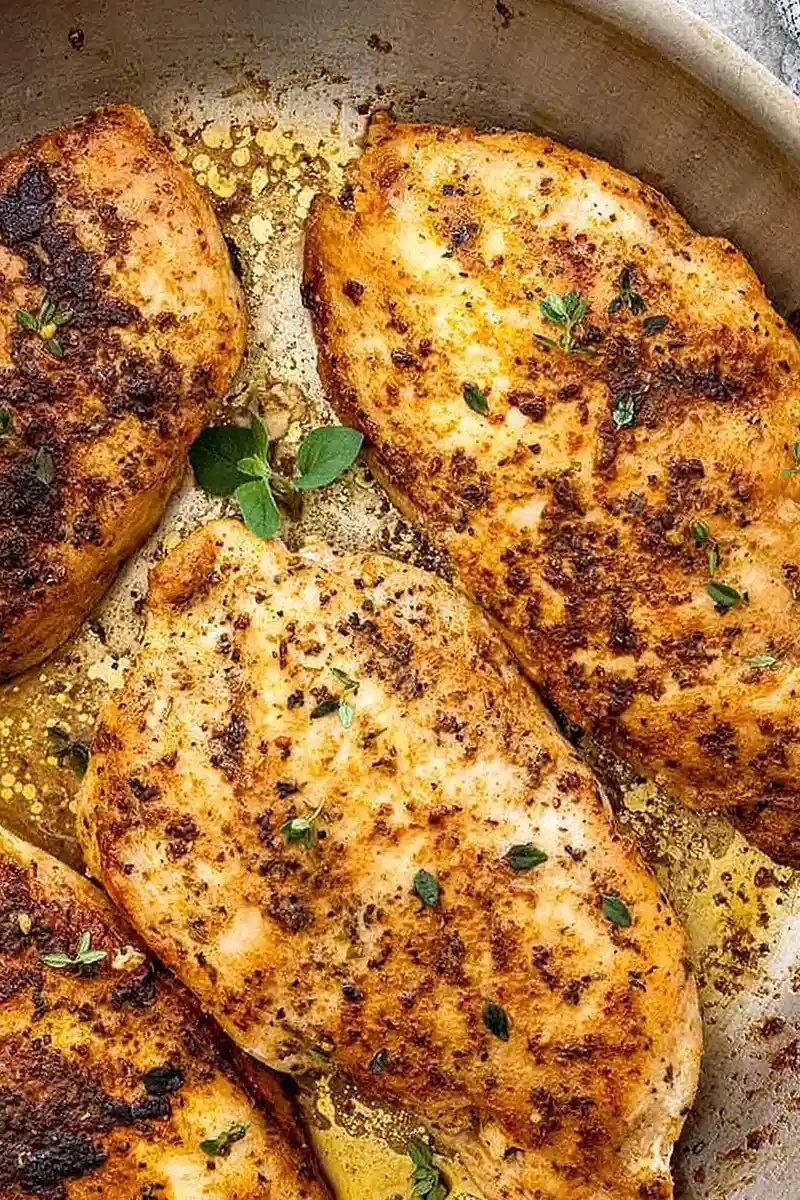
List of ingredients
- 4 boneless skinless chicken breasts (about 6 to 10 ounces each)
- 2 teaspoons kosher salt
- ½ teaspoon black pepper
- ½ teaspoons paprika (sweet or smoked, optional)
- ½ teaspoon garlic powder
- ½ teaspoons onion powder
- 1 teaspoon dried Italian seasoning (optional)
- 2 tablespoons olive oil (or avocado oil)
- 1 tablespoon unsalted butter (optional)
step-by-step instructions
- Flatten the Chicken: Place one of the chicken pieces between two plastic sheets or in a large plastic bag, and do not seal. Flatten to an even thickness, about ½-inch thick. Repeat with the remaining pieces. Alternatively, for pieces 1-inch thick or larger, cut in half horizontally.
- Dry the Chicken: Use paper towels to pat dry both sides of the chicken to remove excess surface moisture.
- Season the Chicken: In a small bowl, combine kosher salt, black pepper, paprika (if using), garlic powder, onion powder, and Italian seasoning (if using). Evenly sprinkle both sides of the chicken with the seasoning mix, about ¼ to ½ teaspoon per side.
- Pan-Sear the Chicken: Heat a large skillet over medium heat, then add the olive oil. Once hot and shimmering but not smoking, add the chicken presentation side down. Use tongs to press down into the pan for maximum contact. Cook until golden brown, about 5 to 7 minutes.
- Baste with Butter: Flip the chicken over and add the butter. Swirl the pan to melt and evenly distribute. Occasionally baste the meat with the butter. Cook until the internal temperature reaches 160 to 165ºF (71 to 74ºC), about 5 to 7 minutes.
- To Serve: Rest the chicken on a clean plate or cutting board for 5 minutes. Serve whole pieces of chicken breast, or slice crosswise into strips or dice into cubes.
Successful Pan-Searing Strategies
Selecting the Proper Skillet Material
Cast iron and stainless steel skillets are superior for this recipe because they provide excellent heat retention. A heavy pan maintains a consistent temperature when the cold chicken is added, which is essential for creating a crust. If you use a nonstick pan, be mindful that it may not produce quite as much browning, but it will still yield juicy results.
The Role of Heat Management
Starting the searing process on medium heat is the best way to develop color without scorching the surface. If you notice the seasonings darkening too quickly before the center is cooked, lower the heat slightly. Maintaining a steady, moderate flame throughout the process prevents the protein from seizing up and becoming tough.
Why Flattening Matters for Texture
Chicken breasts are naturally wedge-shaped, which means the thick side takes significantly longer to cook than the thin end. By pounding the meat into a uniform thickness, you eliminate this disparity entirely. This simple step is the most effective way to ensure the entire piece reaches the target temperature at the same time.
Refining Your Flavor Profile
Exploring Dried Herb Blends
While Italian seasoning works beautifully, you can customize the dish with other dried blends. A mixture of dried oregano, thyme, and marjoram creates a Mediterranean flair. For a brighter profile, consider using a pinch of dried lemon peel or a custom blend of coriander and cumin to provide a different depth of flavor.
Incorporating Fresh Aromatics
Adding fresh herbs to the pan during the final basting step infuses the butter with incredible fragrance. Bruise a sprig of fresh rosemary or thyme before adding it to the foaming butter. The essential oils are released quickly, coating the chicken with a sophisticated scent that elevates the final meal.
Adding Acidic Components
If you prefer a brighter finish, squeeze a small amount of fresh lemon juice over the cooked chicken immediately after removing it from the heat. The acid cuts through the richness of the butter and balances the saltiness of the seasoning. Just a teaspoon is enough to lift the flavors without overpowering the chicken.
Practical Serving Suggestions
Creating Simple Pan Sauces
After you remove the cooked chicken from the skillet, you will notice flavorful brown bits, known as fond, remaining on the bottom. Add a splash of broth or water to the hot pan and scrape the bits loose to create a simple pan reduction. You can finish this liquid with a small knob of butter to create a quick, restaurant-style glaze for your sliced meat.
Pairing with Whole Grains
Because this stove-top chicken is light and lean, it pairs exceptionally well with hearty grains. Quinoa, farro, or brown rice provide a nice textural contrast to the tender protein. You can cook these grains in vegetable broth to ensure the side dish is just as flavorful as the main course.
Serving with Seasonal Vegetables
To keep the meal balanced, serve the chicken alongside roasted root vegetables or lightly sautéed greens. Asparagus, green beans, or broccoli florets tossed in olive oil and garlic complement the seasoning of the chicken. These pairings turn a simple protein into a well-rounded dinner that satisfies everyone at the table.
Preparation and Storage Guidance
Safe Reheating Procedures
To keep the chicken moist when reheating, add a tablespoon of water or broth to the bottom of the pan and cover it. Use low heat to gently warm the meat through rather than blasting it with high heat, which will dry out the edges. If you have leftovers, dicing the chicken and adding it to a warm sauce is the best way to retain its texture.
Freezing Prepared Chicken
Once the chicken has cooled completely to room temperature, you can store it in heavy-duty freezer bags for up to three months. To maximize quality, remove as much air as possible from the bag before sealing it. When you are ready to use the frozen chicken, thaw it overnight in the refrigerator to ensure it reheats evenly.
Effective Make-Ahead Techniques
You can prepare the seasoning rub in advance and store it in an airtight jar in your pantry. Additionally, you can pound the chicken and keep it in the refrigerator for up to four hours before you plan to cook. This makes the final assembly during a busy weeknight incredibly fast, requiring only the searing process to finish.
Addressing Common Cooking Issues
Understanding Internal Temperature Accuracy
Using an instant-read thermometer is the only way to guarantee perfectly cooked chicken. Insert the probe into the thickest part of the breast horizontally to ensure you are measuring the internal temperature rather than the pan heat. Aim for 165ºF (74ºC) for safety, keeping in mind that the residual heat will continue to cook the meat slightly during the resting phase.
Preventing the Seasonings from Burning
If you use paprika or dried herbs, they can sometimes burn if the pan is too hot or the cooking time is too long. If you find your seasonings are darkening too rapidly, wipe the pan clean between batches or slightly lower your stove temperature after the initial flip. Focus on the golden brown color of the chicken rather than relying solely on time increments.
Troubleshooting Overcooked or Dry Meat
If your chicken consistently turns out dry, you are likely cooking it for too long or at a temperature that is too high. Check your stove calibration and remember that once the center reaches the proper temperature, it must be removed from the heat immediately. Resting is non-negotiable; skipping this step will cause the juices to escape, leaving the meat feeling dry regardless of how well it was cooked.
Print
Juicy Stove Top Chicken Breasts
- Total Time: 30 minutes
- Yield: 4 servings 1x
- Diet: High-protein
Description
Learn how to cook chicken breasts on the stovetop with juicy and tender results! This is my go-to method for a quick and healthy dinner.
Ingredients
- 4 boneless skinless chicken breasts (about 6 to 10 ounces each)
- 2 teaspoons kosher salt
- ½ teaspoon black pepper
- ½ teaspoons paprika (sweet or smoked, optional)
- ½ teaspoon garlic powder
- ½ teaspoons onion powder
- 1 teaspoon dried Italian seasoning (optional)
- 2 tablespoons olive oil (or avocado oil)
- 1 tablespoon unsalted butter (optional)
Instructions
- Flatten the Chicken: Place one of the chicken pieces between two plastic sheets or in a large plastic bag, and do not seal. Flatten to an even thickness, about ½-inch thick. Repeat with the remaining pieces. Alternatively, for pieces 1-inch thick or larger, cut in half horizontally.
- Dry the Chicken: Use paper towels to pat dry both sides of the chicken to remove excess surface moisture.
- Season the Chicken: In a small bowl, combine kosher salt, black pepper, paprika (if using), garlic powder, onion powder, and Italian seasoning (if using). Evenly sprinkle both sides of the chicken with the seasoning mix, about ¼ to ½ teaspoon per side.
- Pan-Sear the Chicken: Heat a large skillet over medium heat, then add the olive oil. Once hot and shimmering but not smoking, add the chicken presentation side down. Use tongs to press down into the pan for maximum contact. Cook until golden brown, about 5 to 7 minutes.
- Baste with Butter: Flip the chicken over and add the butter. Swirl the pan to melt and evenly distribute. Occasionally baste the meat with the butter. Cook until the internal temperature reaches 160 to 165ºF (71 to 74ºC), about 5 to 7 minutes.
- To Serve: Rest the chicken on a clean plate or cutting board for 5 minutes. Serve whole pieces of chicken breast, or slice crosswise into strips or dice into cubes.
Notes
For a deeper golden brown crust, omit the paprika and herbs as they may char. You can use ghee or plant-based butter for dairy-free or specialized diet needs. Store leftovers in an airtight container for up to 5 days.
- Prep Time: 15 minutes
- Cook Time: 15 minutes
- Category: Entree
- Method: Pan-searing
- Cuisine: American
Nutrition
- Serving Size: 1 breast
- Calories: 176 kcal
- Sugar: 1 g
- Sodium: 713 mg
- Fat: 8 g
- Saturated Fat: 2 g
- Unsaturated Fat: 5 g
- Trans Fat: 0 g
- Carbohydrates: 1 g
- Fiber: 1 g
- Protein: 24 g
- Cholesterol: 76 mg