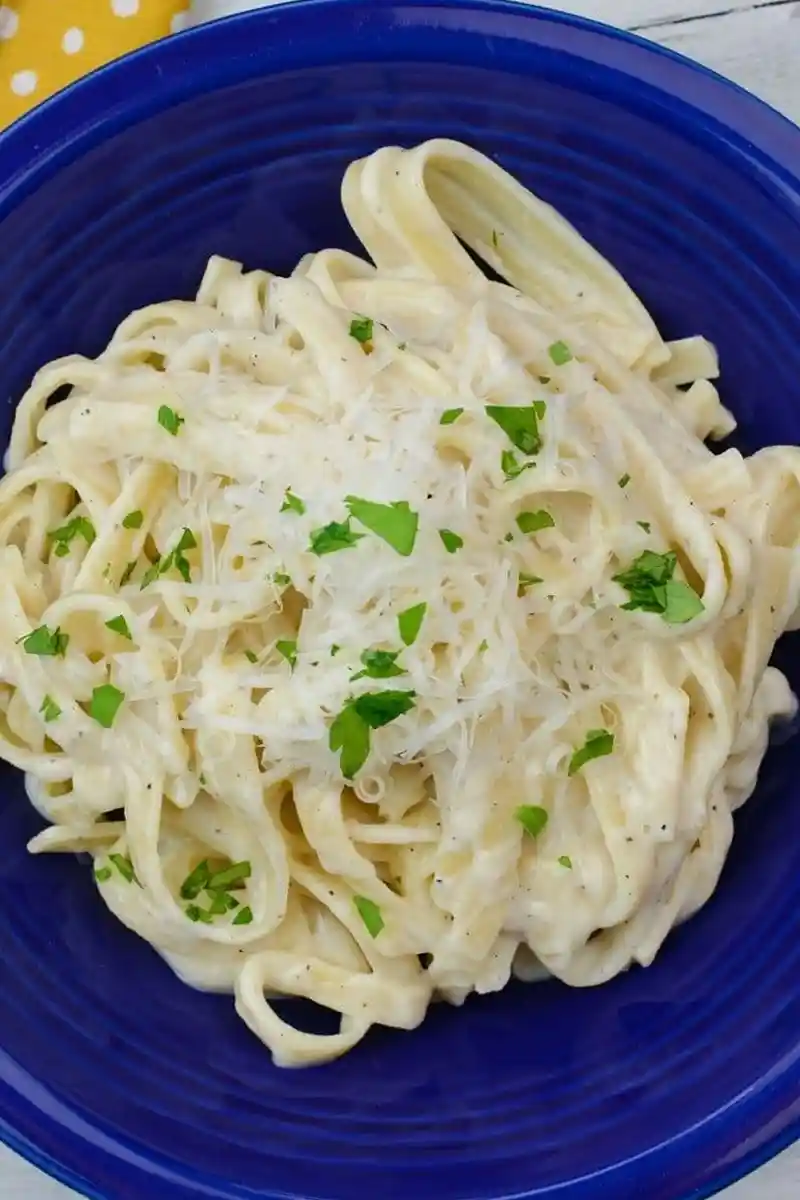
This recipe provides a rich and creamy Alfredo sauce using whole milk as a budget-friendly alternative to heavy cream. It is a quick preparation that allows you to serve a complete pasta dinner in under 30 minutes.
List of ingredients
- 1 lb. box of fettuccine noodles (cooked) – ensure they are boiled al dente.
- 4 tablespoons butter – use unsalted for better control over sodium.
- 3 tablespoons all-purpose flour – acts as the thickening agent.
- 1 teaspoon salt – enhances the overall flavor.
- ½ teaspoon ground pepper – adds a subtle spice.
- 2 cups whole milk – provides the creamy base.
- 1 cup shredded real Parmesan cheese – plus more for garnish for an authentic taste.
step-by-step instructions
- Prepare the pasta: Cook the fettuccine noodles according to the package directions in salted water. Start boiling the water about 10 minutes before you begin the sauce so both are ready at the same time.
- Melt and season: Melt the butter in a heavy saucepan or a wide skillet over medium heat. Stir in the salt and pepper.
- Create the roux: Add the all-purpose flour to the melted butter. Whisk the mixture constantly until it is smooth and all lumps from the flour have disappeared.
- Incorporate the milk: Slowly pour the whole milk into the pan. Continue to whisk the mixture until it is completely smooth.
- Thicken the sauce: Increase the heat slightly to medium-high. Stir in the shredded Parmesan cheese and whisk until the cheese has melted and combined.
- Simmer: Continue whisking the sauce for 5 to 8 minutes until it reaches a thickened consistency.
- Combine: Drain the cooked pasta. Pour the Alfredo sauce over the noodles in a large bowl or add the pasta directly to the skillet and toss until evenly coated.
- Serve: Serve the dish immediately, ideally with a side of crusty French bread.
Procedures for Achieving Perfect Sauce Consistency
Use a Heavy-Bottomed Pan for Even Heating
A heavy-bottomed saucepan or cast-iron skillet distributes heat more evenly across the surface. This prevents the milk and butter from scorching or creating hot spots. Using the right pan ensures the sauce remains smooth and creamy.
Whisk Constantly to Prevent Lumps
The combination of butter and flour creates a roux, which can clump if not stirred. Use a wire whisk to break up any flour pockets immediately after adding it to the butter. Continue whisking as you pour in the milk to ensure a seamless emulsion.
Monitor the Simmering Process
The sauce thickens as the milk reduces and the flour hydrates. Keep the heat at a medium-high level but stir frequently to avoid sticking to the bottom. The ideal consistency should be thick enough to coat the back of a spoon.
Adjust Thickness with Pasta Water
Alfredo sauce naturally thickens as it cools down. If the sauce becomes too thick before you mix it with the pasta, stir in a tablespoon of reserved pasta water. The starch in the water helps thin the sauce while maintaining a glossy texture.
Guide to Ingredient Selection
Select Real Grated Parmesan Cheese
Avoid using pre-shredded cheese that is coated in cellulose or cornstarch. Real Parmesan grated from a block melts more smoothly into the sauce. This prevents the sauce from becoming grainy or clumpy.
Use Whole Milk for Better Texture
Whole milk contains a higher fat content than skim or 2% milk, which is essential for the richness of this sauce. The fat helps stabilize the emulsion created by the flour and butter. If using lower-fat milk, the sauce may feel thinner or less creamy.
Opt for High-Quality Butter
Butter provides the primary flavor base for the roux. Using a high-quality salted or unsalted butter improves the overall taste profile. If using salted butter, you may want to reduce the added salt in the recipe slightly.
Choose the Right Pasta Shape
Fettuccine is the traditional choice because its wide, flat surface area holds the heavy sauce well. However, linguine or pappardelle also work effectively. Avoid very small pasta shapes that might get lost in the thick sauce.
Customizing Your Alfredo Sauce
Adding Grilled Chicken for Protein
Season chicken breasts with salt, pepper, and garlic powder before grilling or pan-searing. Slice the cooked chicken into strips and fold them into the pasta and sauce just before serving. This transforms the condiment into a full meal.
Mixing in Steamed Broccoli
Steam fresh broccoli florets until they are tender-crisp. Add the broccoli to the pasta at the same time you add the sauce. This adds color, nutrients, and a fresh contrast to the richness of the cheese.
Creating a Spicy Alfredo Version
Add a half to one teaspoon of crushed red pepper flakes during the roux stage. The heat from the pepper infuses into the butter and milk. This creates a spicy kick that cuts through the creaminess of the Parmesan.
Incorporating Fresh Garlic
Mince two cloves of fresh garlic and sauté them in the butter for one minute before adding the flour. This adds a savory depth and aromatic quality to the sauce. Garlic pairs naturally with the saltiness of the Parmesan cheese.
Stirring in Fresh Herbs
Finely chop fresh parsley or basil and stir it in at the very end of the cooking process. Fresh herbs add a brightness and a pop of color to the white sauce. Avoid boiling the herbs, as this can dull their flavor.
Serving and Pairing Ideas
Pairing with Crusty Bread
A warm loaf of French bread or a slice of homemade white bread is the perfect accompaniment. The bread can be used to soak up any extra sauce remaining on the plate. Toasting the bread with a bit of garlic butter adds extra flavor.
Serving with a Fresh Garden Salad
Because Alfredo is very rich, a crisp salad provides a necessary balance. Use a light vinaigrette with lemon or balsamic vinegar to cleanse the palate. Mixed greens, cherry tomatoes, and cucumbers work best.
Garnishing for Presentation
Sprinkle a small amount of extra grated Parmesan cheese over the top of each serving. Add a pinch of freshly cracked black pepper for a professional look. A sprinkle of chopped parsley adds a final touch of color.
Storage and Maintenance
Refrigerating Leftover Sauce
Store any leftover sauce in an airtight container in the refrigerator. It will remain fresh for up to one week. Ensure the container is sealed tightly to prevent the sauce from absorbing other fridge odors.
Freezing the Sauce
Alfredo sauce can be frozen for up to one month. Place it in a freezer-safe container or a heavy-duty freezer bag. Be aware that the sauce may separate slightly during the freezing and thawing process.
Proper Reheating Techniques
Reheat the sauce slowly on the stove over low heat. Add a small splash of milk or water to restore the creamy consistency. Avoid overheating the sauce, as this can cause the cheese to separate and become oily.
Thawing Frozen Sauce
Thaw the frozen sauce in the refrigerator overnight before reheating. Do not thaw it at room temperature to ensure food safety. Once thawed, whisk in a bit of milk while heating to bring back the emulsion.
Troubleshooting Common Issues
Fixing a Grainy Sauce Texture
Graininess usually occurs if the cheese is added at too high a temperature or if pre-shredded cheese was used. To fix this, remove the pan from the heat and whisk vigorously. Adding a small amount of warm milk can also help smooth out the texture.
Managing a Sauce That is Too Thick
If the sauce becomes a paste, it likely simmered for too long or cooled too much. Stir in milk one tablespoon at a time until the desired consistency is reached. Always stir over low heat to avoid scorching the bottom.
Solving a Sauce That is Too Thin
If the sauce is too runny, simmer it for another two to three minutes on medium heat. Continue whisking to encourage the flour and milk to thicken. If it remains thin, you can whisk in a tiny bit more Parmesan cheese.
Frequently Asked Questions
Can I use skim milk instead of whole milk?
Yes, you can use skim milk, but the sauce will be less creamy and may have a thinner consistency. You may need to simmer the sauce longer or add a small amount of extra butter to compensate for the lack of fat.
What is the difference between fettuccine and linguine?
Fettuccine are wide, flat noodles typically made with egg, making them heartier. Linguine are narrower and flatter, and are often made without egg. Both work well with Alfredo sauce, but fettuccine is the classic pairing.
Can I make this sauce without flour?
This specific recipe relies on flour to create a roux for thickening. If you remove the flour, the sauce will not thicken properly unless you significantly increase the amount of cheese or reduce the milk through long simmering.
Is it possible to use margarine instead of butter?
Margarine can be used as a substitute for butter in the roux. While it will work to thicken the sauce, the flavor will be slightly different and less rich than when using real butter.
How do I prevent the cheese from clumping?
Ensure you are using real shredded Parmesan and add it gradually. Whisking constantly while the cheese melts ensures that it incorporates evenly into the milk base without forming clumps.
Print
Creamy Homemade Alfredo Sauce with Milk
- Total Time: 25 minutes
- Yield: 8 servings 1x
- Diet: General
Description
A rich, thick, and creamy homemade Alfredo sauce made with whole milk instead of heavy cream, ready in just 15 minutes.
Ingredients
- 1 lb. fettuccine noodles, cooked
- 4 tablespoons butter
- 3 tablespoons all-purpose flour
- 1 teaspoon salt
- ½ teaspoon ground pepper
- 2 cups whole milk
- 1 cup shredded microbial-rennet Parmesan cheese
Instructions
- Step 1: Cook the pasta as directed on the box in salted water.
- Step 2: Melt the butter in a heavy saucepan or skillet over medium heat; add the salt and pepper and whisk together.
- Step 3: Add the flour and whisk until smooth, removing all lumps.
- Step 4: Slowly pour the milk into the pan and whisk until smooth.
- Step 5: Add the shredded Parmesan cheese to the pan and whisk until melted and combined.
- Step 6: Continue whisking until the sauce has thickened, about 5 to 8 minutes.
- Step 7: Pour the Alfredo sauce over the drained pasta and toss until evenly coated.
Notes
The sauce will thicken further as it cools; if it becomes too thick, thin it with a small amount of milk or pasta water. Leftovers can be refrigerated for up to a week or frozen for up to a month.
- Prep Time: 10 minutes
- Cook Time: 15 minutes
- Category: Main Dish
- Method: Stovetop
- Cuisine: Italian
Nutrition
- Serving Size: 1 serving
- Calories: 318 kcal
- Sugar: 5 g
- Sodium: 536 mg
- Fat: 8 g
- Saturated Fat: 4 g
- Unsaturated Fat: 3 g
- Trans Fat: 1 g
- Carbohydrates: 46 g
- Fiber: 2 g
- Protein: 15 g
- Cholesterol: 63 mg