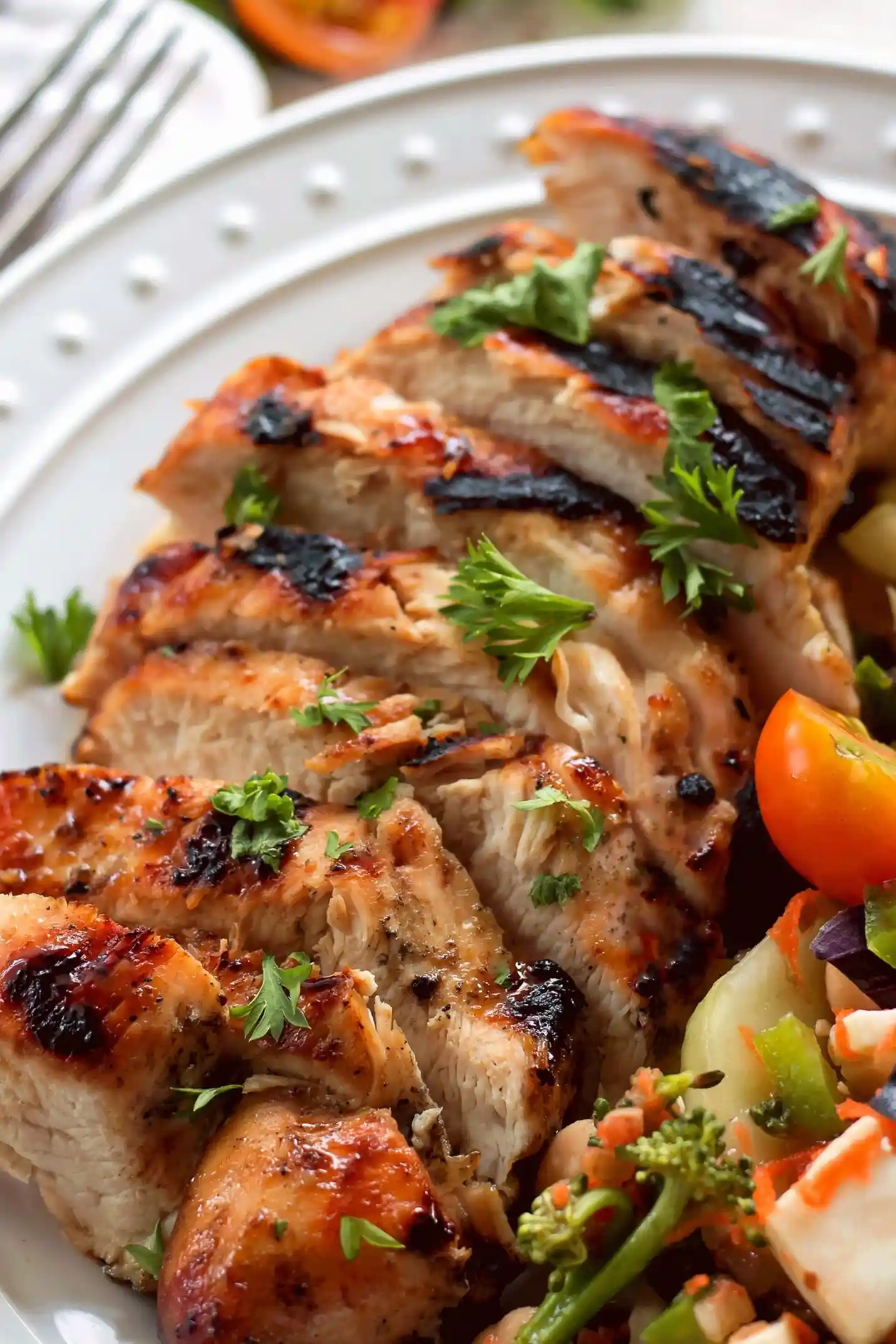
This flavorful mustard-based marinade is designed to create tender, juicy chicken with a balanced sweet and tangy profile. It is an ideal preparation for outdoor grilling or indoor stovetop searing.
List of ingredients
- 1/4 cup white vinegar – provides acidity for tenderizing.
- 3 Tablespoons Spicy Brown Mustard – adds a bold, pungent base.
- 3 cloves garlic (minced) – enhances the savory depth.
- 1 lemon (plus half lemon, juiced) – adds brightness and zest.
- 1/2 cup light brown sugar – helps with caramelization and sweetness.
- 1 1/2 teaspoons salt – balances flavors and retains moisture.
- 6 Tablespoons olive oil – prevents sticking and adds richness.
- Black pepper to taste – provides a subtle spicy finish.
- 6 boneless skinless chicken breast halves – the main protein.
step-by-step instructions
- Combine base: In a large glass bowl, whisk together the white vinegar, spicy brown mustard, minced garlic, lemon, brown sugar, and salt.
- Finish marinade: Whisk in the olive oil and black pepper until the mixture is well blended.
- Marinate: Place the chicken breast halves in the glass bowl with the marinade, cover the bowl, and refrigerate for 8 hours or overnight.
- Prepare for cooking: Remove the chicken from the marinade and discard the remaining liquid.
- Grill: Preheat your grill and lightly oil the grates. Grill the chicken for approximately 10 minutes per side until cooked through.
Maximizing Flavor and Tenderness
The Role of Acid in Meat Tenderization
The combination of white vinegar and lemon juice acts as a chemical tenderizer. These acids break down the tough muscle fibers in the chicken breast, allowing the meat to absorb flavors more deeply. This process ensures the chicken remains soft even after high-heat grilling.
Enhancing Caramelization with Brown Sugar
Brown sugar contains molasses, which caramelizes quickly when exposed to the heat of a grill. This creates those desirable dark char marks and a sweet crust on the exterior of the meat. The sugar also balances the sharp tang of the mustard and vinegar.
Avoiding Chemical Reactions with Metal Bowls
It is important to use glass or ceramic bowls because the acidic ingredients can react with certain metals. Using an aluminum or non-stainless steel bowl may lead to a metallic taste in the chicken. Glass is inert and will not alter the flavor of the marinade.
Optimizing Garlic Flavor Through Mincing
Mincing the garlic cloves releases allicin, the compound responsible for garlic’s characteristic pungent flavor. By finely chopping the garlic rather than slicing it, you ensure the flavor is evenly distributed throughout the marinade. This prevents any single bite from having an overwhelming piece of raw garlic.
Cooking Method Alternatives
Using a Cast Iron Grill Pan for Winter
If you cannot grill outdoors, a cast iron grill pan on a stovetop is an excellent substitute. Heat the pan over medium-high heat until it is smoking slightly before adding the chicken. This method mimics the high heat of an outdoor grill and provides similar sear marks.
Baking Marinated Chicken in the Oven
For a hands-off approach, place the marinated chicken on a parchment-lined baking sheet. Bake at 400 degrees Fahrenheit for about 20 to 25 minutes. Ensure the internal temperature reaches 165 degrees Fahrenheit to guarantee safety and juiciness.
Preparing Chicken in an Air Fryer
The air fryer is a great tool for achieving a charred exterior with less oil. Place the chicken in the basket and cook at 375 degrees Fahrenheit for 12 to 15 minutes, flipping halfway through. This method concentrates the sugars in the marinade for a very rich crust.
Ingredient Substitutions
Substituting Dijon Mustard for Spicy Brown
If you prefer a smoother texture and a slightly more refined taste, Dijon mustard is a great alternative. While Spicy Brown mustard has a coarser grain, Dijon provides a similar heat level. The resulting flavor will be slightly less pungent but still tangy.
Using Apple Cider Vinegar as a Substitute
Apple cider vinegar can replace white vinegar for a fruitier, milder acidity. It pairs exceptionally well with the brown sugar and mustard. This swap gives the chicken a more complex, slightly autumnal flavor profile.
Replacing Brown Sugar with Honey or Maple Syrup
Honey or maple syrup can be used if you do not have light brown sugar on hand. Use an equal amount by volume, though you may find the marinade becomes slightly thinner. These natural sweeteners provide a deeper, more floral sweetness to the dish.
Choosing Alternative Cooking Oils
While olive oil is recommended for flavor, avocado oil is a great high-smoke point alternative. Grapeseed oil is another neutral option that will not interfere with the mustard flavor. Avoid using butter for the marinade as it can burn too quickly on the grill.
Serving Suggestions
Pairing with a Mixed Green Salad
The richness of the mustard chicken pairs perfectly with a light, acidic salad. Use a mix of arugula, spinach, and cherry tomatoes tossed in a simple balsamic vinaigrette. The freshness of the greens cuts through the sweetness of the caramelized chicken.
Creating a Gourmet Grilled Chicken Sandwich
Slice the grilled chicken breasts thinly and place them on a toasted brioche bun. Add a layer of sliced avocado, crisp lettuce, and a thin slice of red onion. A small dollop of extra mustard or mayonnaise can enhance the sandwich’s creaminess.
Serving with Roasted Root Vegetables
Roasted carrots, parsnips, and sweet potatoes complement the savory-sweet notes of this recipe. Toss the vegetables in olive oil and salt, then roast them until tender and browned. The earthy sweetness of the roots mirrors the brown sugar in the marinade.
Combining with Quinoa or Brown Rice
For a heartier meal, serve the chicken over a bed of fluffy quinoa or steamed brown rice. These grains absorb the juices from the rested meat, making the entire plate more flavorful. You can add a squeeze of fresh lemon over the grains for extra brightness.
Storage and Food Safety
Safe Marination Timeframes in the Fridge
Marinating for 8 hours to overnight is ideal for maximum tenderness. However, avoid marinating for more than 24 hours, as the acids can begin to break down the meat too much. Over-marinating can lead to a mushy texture on the exterior of the chicken.
Using Airtight Vacuum Seal Bags
If you do not have a glass bowl, a vacuum-seal bag is a professional alternative. This removes air and forces the marinade into the meat more efficiently. It also makes the process cleaner and allows for easier storage in the refrigerator.
Preventing Cross-Contamination during Prep
Always wash your hands and all surfaces after handling raw chicken. Use a separate cutting board for the garlic and lemon to avoid transferring bacteria. Clean the glass bowl thoroughly with soap and hot water after the chicken is removed.
Freezing Chicken in the Marinade
You can place the chicken and marinade together in a freezer-safe bag and freeze them. The chicken will marinate as it thaws in the refrigerator before cooking. This is an excellent way to meal prep for the coming week.
Reheating Instructions
Oven Reheating for Moisture
To keep the chicken juicy, reheat it in the oven at 325 degrees Fahrenheit. Place the slices in a baking dish and add a tablespoon of water or chicken broth to the bottom. Cover the dish with foil to trap the steam and heat for 10 to 15 minutes.
Using the Microwave without Drying the Meat
When using a microwave, slice the chicken and place it on a plate with a damp paper towel covering the top. Heat on medium power in short 30-second bursts. This prevents the protein from becoming rubbery or dry.
Searing Leftovers in a Skillet
For a crispier texture, reheat the chicken in a skillet over medium heat. Add a small amount of butter or oil to the pan. Sear each side for 2 minutes until the caramelized sugars are reactivated and the meat is warmed through.
Troubleshooting Common Issues
Controlling Sugar Burn on the Grill
If the chicken is darkening too quickly, move it to a cooler part of the grill. The sugar in the marinade can burn before the center is cooked. Using indirect heat for the final few minutes helps reach the safe internal temperature without charring.
Ensuring Chicken Reaches 165 Degrees Fahrenheit
Use a digital meat thermometer to check the thickest part of the breast. Chicken is safe to eat once it hits 165 degrees Fahrenheit. Removing it just as it hits this mark prevents the meat from drying out.
Adjusting the Tanginess of the Marinade
If the marinade feels too sharp, increase the brown sugar by one tablespoon. If it feels too sweet, add an extra teaspoon of white vinegar or a squeeze of lemon. Taste the marinade before adding the chicken to ensure the balance is correct.
Frequently Asked Questions
Can I marinate the chicken for more than 24 hours?
It is not recommended to marinate for longer than 24 hours. The vinegar and lemon juice can over-process the protein, resulting in a mealy or mushy texture. For the best results, stick to the 8-to-24-hour window.
Should I pat the chicken dry before grilling?
No, you do not need to pat it dry, but you should shake off the excess marinade. Leaving a thick layer of liquid on the surface can cause the chicken to steam rather than sear. A light coating is sufficient for flavor and browning.
Can I use chicken thighs instead of breasts?
Yes, chicken thighs are a great substitute and often remain juicier due to their higher fat content. You may need to increase the grilling time by 2 to 4 minutes per side. Thighs hold up very well to the strong flavors of mustard and vinegar.
Why should I discard the used marinade?
The marinade has been in contact with raw chicken and may contain harmful bacteria. Boiling it may kill bacteria, but it is safer to discard it entirely. Never use the leftover marinade as a sauce unless it was set aside separately before the meat was added.
How to store the cooked chicken?
Store cooked chicken in an airtight container in the refrigerator for up to 3 to 4 days. Keep it away from raw foods to avoid contamination. This makes it perfect for cold salads or quick lunches throughout the week.
Can this be used for turkey breast?
Yes, this marinade works excellently on turkey breast fillets. Turkey has a similar protein structure to chicken and benefits from the tenderizing effects of the acid. Follow the same marination and grilling times.
Print
Mustard Chicken Marinade
- Total Time: 8 hours 35 minutes
- Yield: 6 servings 1x
- Diet: General
Description
Mustard Chicken Marinade, another fantastic way to make tender delicious chicken on the grill!
Ingredients
- 1/4 cup white vinegar
- 3 Tablespoons Spicy Brown Mustard
- 3 cloves garlic (minced)
- 1 1/2 lemons, juiced
- 1/2 cup light brown sugar
- 1 1/2 teaspoons salt
- 6 Tablespoons olive oil
- Black pepper to taste
- 6 boneless skinless chicken breast halves
Instructions
- Step 1: In a large size glass bowl ( no not use metal bowls) whisk together ingredients beginning with the white vinegar down to the salt.
- Step 2: Whisk in the olive oil and pepper.
- Step 3: Place the chicken breast in the glass bowl with the marinade, cover and refrigerate for 8 hours or overnight.
- Step 4: Remove chicken from marinade, discard marinade.
- Step 5: Turn your grill on and lightly oil it.
- Step 6: Grill about 10 minutes per side.
Notes
Use a glass bowl instead of a metal bowl. The longer you marinade the chicken the more tender and flavourful it will be.
- Prep Time: 15 minutes
- Cook Time: 20 minutes
- Category: dinner
- Method: grilling
- Cuisine: American
Nutrition
- Serving Size: 1 chicken breast half
- Calories: 590 kcal
- Sugar: 18 g
- Sodium: 850 mg
- Fat: 22 g
- Saturated Fat: 3 g
- Unsaturated Fat: 19 g
- Trans Fat: 0 g
- Carbohydrates: 22 g
- Fiber: 1 g
- Protein: 45 g
- Cholesterol: 110 mg