This quick hibachi chicken recipe delivers bold, savory flavors in just 15 minutes. It is an ideal solution for busy weeknights when you want a restaurant-style meal at home.

List of ingredients
- 1 tbsp butter – used for sautéing and adding richness.
- 2 garlic cloves, minced – provides a pungent, aromatic base.
- 1 lb chicken, cut into small pieces – bite-sized chunks ensure fast and even cooking.
- 1 1/2 tbsp soy sauce – adds saltiness and deep umami flavor.
- 1 1/2 tbsp alcohol-free mirin seasoning – provides a subtle sweetness and glaze.
step-by-step instructions
- Prepare the meat: Cut your chicken into small, uniform pieces to ensure they cook at the same rate.
- Heat the pan: Set a frying pan over high heat and add the butter.
- Sauté the garlic: Once the butter has melted, add the minced garlic and stir for about one minute until fragrant.
- Brown the chicken: Add the chicken pieces to the pan and mix them with the garlic butter.
- Prepare the sauce: While the chicken cooks, whisk the soy sauce and alcohol-free mirin seasoning together in a small bowl or measuring cup.
- Glaze the meat: Stir the chicken until it is lightly browned, then pour the sauce mixture into the pan. Mix well to coat all pieces.
- Reduce the sauce: Continue cooking until the chicken is cooked through and the sauce has thickened into a glaze, which usually takes about 7 minutes in total.
- Serve: Turn off the heat and transfer the chicken to a serving plate immediately.
Advanced Searing Techniques
Use a Heavy-Bottomed Skillet for Even Heat
A cast iron or heavy stainless steel skillet is best for this recipe because it retains heat more efficiently than thin pans. This prevents the temperature from dropping when you add the cold chicken, allowing for a better sear. Even heat distribution ensures that no pieces are burnt while others remain undercooked.
Avoid Overcrowding the Pan to Prevent Steaming
If you add too much chicken at once, the moisture released will create steam instead of a sear. This results in grey, boiled-looking meat rather than golden-brown bites. If cooking in a small pan, work in two batches to keep the temperature high.
Maintain High Heat for Golden Brown Edges
Keeping the pan on high heat is essential for achieving the Maillard reaction, which creates the characteristic hibachi crust. Be ready to stir frequently so the butter does not burn while the meat browns. High heat quickly evaporates the liquids in the sauce, creating a sticky glaze.
Ingredient Substitutions and Swaps
Replacing Soy Sauce for Low Sodium Needs
If you need a lower sodium option, you can substitute soy sauce with coconut aminos. Coconut aminos provide a similar sweet and salty profile but contain significantly less salt. Alternatively, use a certified low-sodium soy sauce to maintain the traditional taste.
Using Alternative Fats Instead of Butter
While butter provides a rich flavor, you can use ghee or avocado oil for a different taste profile. Ghee offers a similar richness to butter but has a higher smoke point, which is useful for high-heat cooking. Avocado oil is a neutral alternative that works well for those avoiding dairy.
Substituting Chicken Breast with Chicken Thighs
Boneless, skinless chicken thighs are a great substitute for breast meat because they are more forgiving and stay juicy. Thighs have a higher fat content, which helps them withstand high heat without drying out. Adjust the cooking time slightly as thighs may take a minute longer to cook through.
Creative Recipe Variations
Adding Fresh Ginger for Zesty Flavor
For a more complex taste, add one teaspoon of freshly grated ginger along with the minced garlic. Ginger adds a bright, peppery note that complements the soy and mirin. Be sure to add it at the same time as the garlic to avoid burning it.
Incorporating Mixed Vegetables for a One-Pan Meal
You can turn this into a complete meal by adding sliced carrots, snap peas, or zucchini to the pan. Sauté the harder vegetables first before adding the chicken, or add them halfway through the browning process. This ensures the vegetables are tender-crisp and not mushy.
Increasing Heat with Chili Flakes or Sriracha
If you prefer a spicy kick, stir in a pinch of red pepper flakes during the garlic sauté. For a creamier heat, drizzle a teaspoon of Sriracha into the soy-mirin sauce mixture. This adds a layer of depth that cuts through the richness of the butter.
Best Side Dish Pairings
Pairing with Garlic Fried Rice
Hibachi chicken is traditionally served with fried rice seasoned with garlic and butter. Use day-old chilled rice to ensure the grains stay separate and don’t become mushy. Sauté the rice in the same pan after removing the chicken to pick up the leftover glaze.
Serving with Steamed Broccoli or Bok Choy
Lightly steamed broccoli or sautéed bok choy provides a fresh, crunchy contrast to the savory chicken. Steam the vegetables for 3-5 minutes until they are bright green. Toss them in a small amount of sesame oil and salt for extra flavor.
Adding a Crisp Cucumber Salad
A chilled cucumber salad with rice vinegar and sesame seeds cleanses the palate between bites of rich chicken. Thinly slice the cucumbers and let them marinate in vinegar and a pinch of sugar for 10 minutes. This acidity balances the salty-sweet glaze of the hibachi dish.
Proper Storage and Reheating Methods
Chilling and Storing in Airtight Containers
Place the cooled chicken in an airtight glass or plastic container and store it in the refrigerator. The chicken will stay fresh and flavorful for up to three to four days. Ensure the meat is completely cooled before sealing to prevent excess condensation from making the glaze watery.
Reheating in a Skillet to Maintain Texture
To maintain the best texture, reheat the chicken in a skillet over medium heat with a teaspoon of butter. This helps caramelize the sauce again and prevents the chicken from becoming rubbery. Stir occasionally for 3-5 minutes until heated through.
Microwave Tips for Even Heating
If using a microwave, place the chicken in a microwave-safe dish and add a splash of water or broth. Cover the dish with a damp paper towel to trap steam, which keeps the meat moist. Heat in 30-second intervals, stirring in between to avoid cold spots.
Advance Preparation and Meal Prep
Pre-Cutting Chicken for Faster Cooking
Save time during the dinner rush by cutting the chicken into cubes and storing them in a container up to 24 hours in advance. Store the cut meat in the coldest part of the refrigerator. This allows you to move straight to the cooking phase without any prep work.
Mixing the Sauce in Advance
Whisk the soy sauce and alcohol-free mirin together and keep the mixture in a small jar in the fridge. Having the sauce ready ensures you don’t overcook the chicken while trying to measure ingredients. The sauce can be stored for several weeks without losing quality.
Batch Cooking for Weekly Lunches
Double or triple the recipe to create multiple meal-prep portions for the week. Divide the chicken evenly among containers with a side of rice and steamed vegetables. This provides a high-protein, flavorful lunch that is easy to transport and reheat.
Troubleshooting Common Cooking Issues
Preventing the Garlic from Burning
Garlic burns quickly on high heat, which can make the entire dish taste bitter. To prevent this, ensure the butter is fully melted and bubbling before adding the garlic. Stir the garlic constantly and add the chicken immediately after one minute of cooking.
Fixing a Sauce That Is Too Thin
If the sauce is too runny after the cooking time, continue simmering it on high heat for an additional minute or two. The sugars in the mirin will naturally thicken as the water evaporates. Avoid adding flour or cornstarch, as it can change the glossy appearance of the hibachi glaze.
Avoiding Tough or Overcooked Chicken
Overcooking small pieces of chicken can lead to a dry, rubbery texture. Use a meat thermometer to ensure the internal temperature reaches 165 degrees Fahrenheit. Once the sauce has thickened and the meat is opaque, remove it from the heat immediately.
Frequently Asked Questions
Can I use frozen chicken for this recipe?
Yes, but you must thaw the chicken completely in the refrigerator before cutting and cooking. Cooking frozen chicken pieces will release too much water, preventing the meat from browning and making the sauce too thin.
How do I know when the chicken is fully cooked?
The chicken is done when the pieces are opaque throughout and no longer pink in the center. Slicing the largest piece of chicken open is a quick way to check the internal doneness if you do not have a thermometer.
Why is my sauce not thickening?
The sauce may not thicken if the pan temperature is too low or if there is too much liquid in the pan from the chicken. Ensure you are using high heat and avoid overcrowding the pan to let the sauce reduce quickly.
Print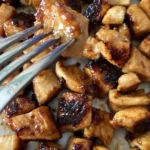
15-Minute Homemade Hibachi Chicken
- Total Time: 15 minutes
- Yield: 4 servings 1x
- Diet: General
Description
This recipe for Hibachi Chicken makes flavorful chicken bites that are tender and perfectly cooked. You’ll love this quick and easy dinner.
Ingredients
- 1 tbsp butter
- 2 garlic cloves (minced)
- 1 lb chicken (cut into small pieces)
- 1 1/2 tbsp soy sauce
- 1 1/2 tbsp alcohol-free mirin substitute
Instructions
- Step: Prep your chicken by cutting it into small pieces.
- Step: Heat a frying pan on high and add butter.
- Step: Once the butter melts, add the garlic and cook for about a minute, stirring.
- Step: Then add in chicken and mix together.
- Step: Pour soy sauce and alcohol-free mirin substitute into a small bowl or liquid measuring cup. Whisk with a fork until combined. Set aside while the chicken is cooking.
- Step: Stir chicken and cook until it has lightly browned. Then add sauce to pan. Mix together chicken pieces and sauce.
- Step: Continue cooking until chicken is cooked through and sauce has reduced and thickened. Total cooking time will be around 7 minutes.
- Step: Turn off the heat and move chicken to a serving plate. It’s ready to enjoy!
Notes
Cooking time can vary depending on size of chicken pieces and heat of pan. While chicken is cooking, keep an eye on it to watch for signs of burning. You can check if chicken is cooked through by slicing a piece; there should be no pink in the center.
- Prep Time: 5 minutes
- Cook Time: 10 minutes
- Category: Chicken, Dinner
- Method: Stovetop
- Cuisine: Japanese-style
Nutrition
- Serving Size: 1 serving
- Calories: 220 kcal
- Sugar: 3 g
- Sodium: 550 mg
- Fat: 5 g
- Saturated Fat: 3 g
- Unsaturated Fat: 2 g
- Trans Fat: 0 g
- Carbohydrates: 6 g
- Fiber: 0 g
- Protein: 36 g
- Cholesterol: 80 mg