This versatile marinade infuses chicken with smoky and tangy flavors, making it a perfect base for various healthy meals. It is easy to prepare using common pantry staples and works seamlessly with multiple cooking methods.
List of ingredients
- 1/3 cup oil (recommend: avocado or olive oil) – provides moisture and carries flavor.
- 1/3 cup apple cider vinegar – adds a necessary acidic tang.
- 1 tablespoon fresh cilantro, chopped (sub: fresh parsley) – provides a fresh, herbal brightness.
- 2 teaspoons chili powder – gives a smoky and subtle heat.
- 2 teaspoons garlic powder – adds a concentrated savory depth.
- 1 teaspoon dried oregano – introduces an earthy aroma.
- 1 teaspoon ground cumin – provides a warm, nutty flavor.
- 1 teaspoon salt – enhances all other seasonings.
- 1/2 teaspoon ground black pepper – adds a mild spicy bite.
- Optional: pinch of red pepper flakes – for those who prefer more heat.
- 2 pounds boneless skinless chicken breasts (sub: chicken tenders, or thighs) – the main protein.
step-by-step instructions
- Make the Marinade: Add the oil, vinegar, cilantro/parsley, chili powder, garlic powder, dried oregano, ground cumin, salt, pepper, optional red pepper flakes, and chicken to a gallon-sized freezer bag. Seal and squish around to make sure the chicken is covered in marinade and everything is combined.
- Marinate Chicken: Place the bag in the refrigerator for at least 2 hours and up to 24 hours.
- Cook Chicken: Cook the chicken using one of these methods. The chicken is done when it reaches 165°F internally and/or is no longer pink inside.
- Bake in Oven: Preheat oven to 400°F. Place chicken in a casserole dish or on a rimmed baking sheet. Spray the dish/sheet pan with cooking spray to prevent sticking. Bake uncovered for about 20-25 minutes, until done.
- Slow Cooker: Place chicken (with or without the marinade) in slow cooker. Cover and cook on LOW for 2 1/2 to 3 1/2 hours to avoid overcooking and drying out the meat.
- Instant Pot: Place chicken, marinade, and 1/3 cup chicken broth in a 6-quart Instant Pot. For an 8-quart model, add an additional 1/2 cup of broth. Lock and seal the lid. Cook at high pressure for 7 minutes and use a quick release of the pressure. Drain off liquid.
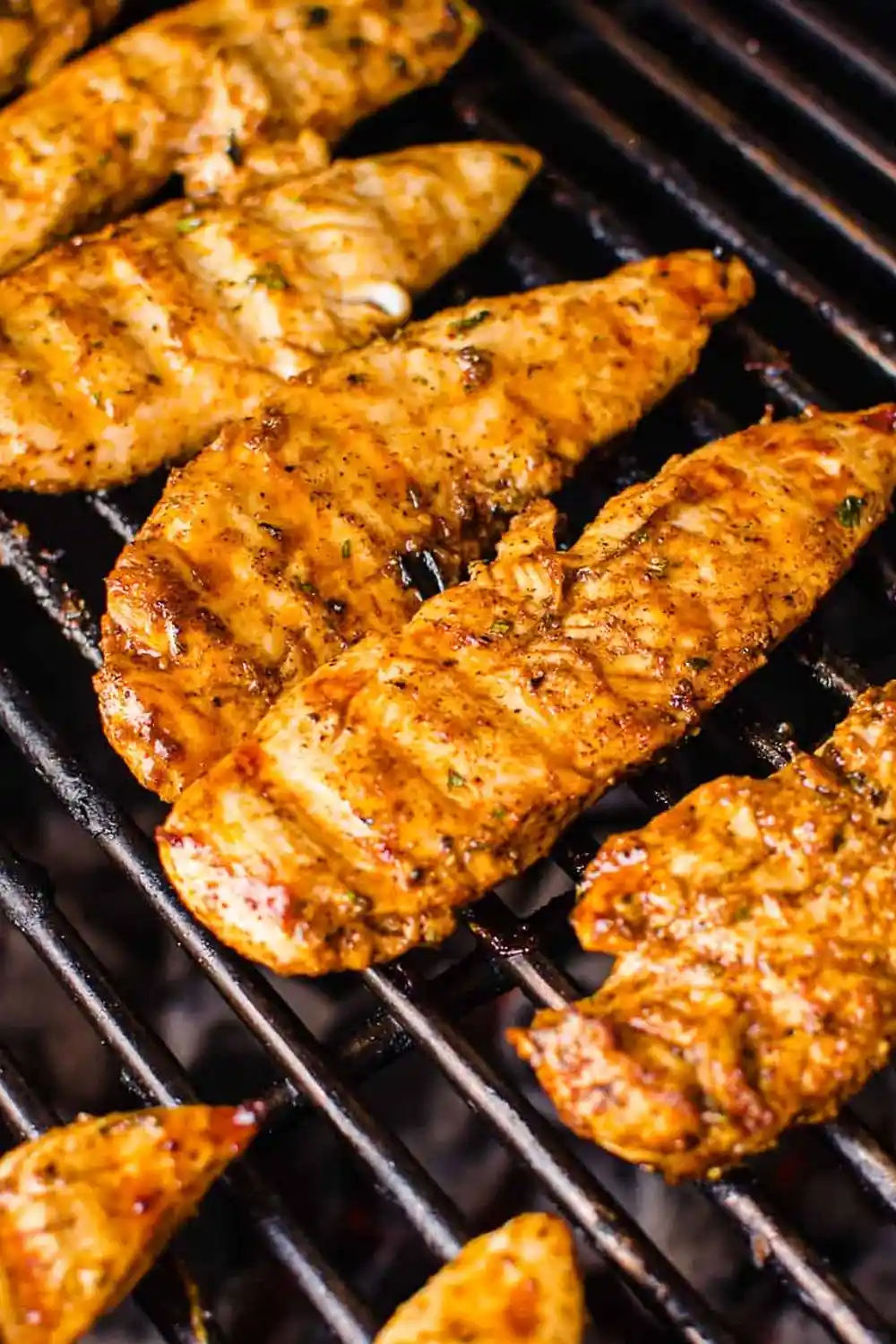
- Grill: Pound out the chicken to about 3/4 inch thick or cut it in half lengthwise for even cooking. Preheat grill to medium-high heat (400-450°F) and clean the grates. Grill for 4-6 minutes per side, closing the lid between flips.
- Air Fry: Pound out the chicken before marinating for even thickness. Drain off marinade, place in air fryer basket, and air fry at 375°F for 10-12 minutes, flipping once, until at least 160°F internally.
Optimizing Your Cooking Method
Using the Oven for Batch Cooking
Baking is the most efficient way to prepare large quantities of this chicken for the week. Using a rimmed baking sheet allows for better airflow and prevents the chicken from stewing in its own juices. Always use a non-stick spray to ensure the marinated meat releases easily from the pan.
Slow Cooker Precision
When using a crockpot, the low heat setting is critical to maintaining the tenderness of the chicken breasts. Avoid the high setting, as it can quickly toughen the lean meat. Cooking for 2.5 to 3.5 hours ensures the meat is fully cooked but still juicy.
Pressure Cooking Efficiency
The Instant Pot method is ideal for those who need the chicken ready in a fraction of the time. Adding chicken broth is essential to prevent the ‘burn’ notice by providing enough thin liquid for the pot to reach pressure. The quick release prevents the chicken from overcooking during the natural depressurization phase.
Professional Grilling Tips
Pounding the chicken to a uniform thickness is the secret to avoiding burnt edges and raw centers. High heat (400-450°F) creates a beautiful char that complements the smoky cumin and chili powder. Keeping the grill lid closed helps the chicken cook through evenly via convection.
Air Fryer Rapid Results
Air frying creates a texture similar to grilling but with less cleanup. It is important to drain the excess marinade before placing the meat in the basket to ensure the chicken sears rather than steams. Flipping the meat halfway through is mandatory for an even crust on both sides.
Ingredient Substitutions and Adjustments
Selecting the Best Cooking Oil
Avocado oil is highly recommended due to its high smoke point, which is ideal for grilling or air frying. Olive oil is a great alternative for baking or slow cooking, adding a slight fruitiness to the marinade. Any neutral oil can work as long as it does not overpower the spices.
Choosing an Acidic Base
Apple cider vinegar provides a complex tang that balances the earthiness of the cumin. If you prefer a sharper, cleaner acidity, white distilled vinegar is a suitable replacement. Lemon juice can also be used for a brighter, more citrus-forward flavor profile.
Herb Alternatives for Freshness
Fresh cilantro is the traditional choice for Southwest flavors, providing a bright, citrusy note. If you dislike cilantro or it is unavailable, fresh flat-leaf parsley is an excellent substitute. Parsley offers a mild, peppery taste that still provides the necessary color and freshness.
Adjusting the Heat Level
The base recipe is mild and kid-friendly, relying on chili powder for subtle warmth. To increase the spice, add a pinch of red pepper flakes or a teaspoon of cayenne pepper. For an even milder version, reduce the chili powder and omit the red pepper flakes entirely.
Enhancing the Smoky Profile
If you want a deeper, more authentic campfire taste, you can use smoked paprika in place of some of the chili powder. This adds a rich, woody aroma without increasing the heat level. This variation is particularly effective when the chicken is grilled over open flames.
Creative Serving Suggestions
Building Loaded Burrito Bowls
Combine the sliced marinated chicken with a base of cilantro-lime rice or quinoa. Add black beans, roasted corn, diced avocado, and fresh pico de gallo for a complete meal. This is an excellent option for healthy meal prep throughout the work week.
Authentic Street Tacos
Shred the cooked chicken and serve it in small, warmed corn tortillas. Top with finely diced white onion, fresh cilantro, and a squeeze of lime juice. Serve with a side of salsa verde for a traditional Southwest experience.
Cheesy Southwest Quesadillas
Place sliced chicken and a generous amount of Monterey Jack or cheddar cheese between two flour tortillas. Toast in a skillet until the cheese is melted and the tortilla is golden brown. Serve with sour cream and guacamole for dipping.
Fresh Tex-Mex Salads
Slice the chicken over a bed of romaine lettuce and spring mix. Toss in cherry tomatoes, black beans, and corn, then dress with a creamy cilantro-lime vinaigrette. This transforms the chicken into a light, nutrient-dense lunch.
Savory Chicken Wraps
Fill a large whole-wheat wrap with sliced chicken, shredded lettuce, and sliced cucumbers. Add a dollop of Greek yogurt or a drizzle of ranch dressing to bind the ingredients. These wraps are portable and keep the chicken moist for on-the-go eating.
Storage and Meal Prep Guidelines
Refrigeration Limits
Cooked marinated chicken can be stored in an airtight container in the refrigerator for up to 4 days. To keep the meat from drying out, store it in its own juices or a small amount of extra oil. This makes it convenient for quick lunches during the week.
Freezing for Future Use
You can freeze the chicken and marinade together in a gallon-sized bag for up to 3 months. This creates an instant freezer meal that is ready to be thawed and cooked. There is no need to marinate the chicken before freezing, as it happens during the thawing process.
Safe Thawing Procedures
The safest way to thaw frozen marinated chicken is to place the bag in the refrigerator 24 to 48 hours before cooking. This slow thaw preserves the texture of the meat and allows the flavors to penetrate deeply. Avoid thawing on the counter to prevent bacterial growth.
Marinating During Thaw
When you freeze chicken in its marinade, the meat actually marinates as it thaws in the refrigerator. This process ensures the flavors are evenly distributed throughout the chicken. Once fully thawed, you can proceed directly to any of the cooking methods listed.
Reheating for Maximum Moisture
The Skillet Method
Reheating in a pan over medium-low heat is the best way to preserve texture. Add a splash of water, chicken broth, or a teaspoon of oil to the pan to create steam. Cover with a lid for 2-3 minutes to warm the chicken through without searing the exterior again.
Microwave Best Practices
To prevent the chicken from becoming rubbery in the microwave, cover the meat with a damp paper towel. Heat in short 30-second intervals, stirring in between to ensure even heating. This traps moisture and prevents the lean breast meat from drying out.
Oven Warming Technique
Place the chicken in a baking dish and cover it tightly with aluminum foil to trap steam. Warm at 325°F for about 10-15 minutes until the internal temperature reaches 165°F. This is the best method for reheating larger portions of sliced chicken.
Common Cooking Troubleshooting
Preventing Dry Chicken Breasts
The biggest challenge with chicken breasts is overcooking, which leads to a dry, stringy texture. Always use a digital meat thermometer to remove the chicken the moment it hits 165°F. Letting the meat rest for 5 minutes after cooking allows the juices to redistribute.
Managing Meat Texture
If your chicken feels mushy after marinating, you may have left it in the acidic vinegar for too long. Stick to the 24-hour limit to prevent the acid from breaking down the muscle fibers too much. This ensures the meat remains firm yet tender.
Avoiding Pan Sticking
Marinades with sugars or herbs can sometimes stick to the pan or grill grates. Using a high-smoke-point oil like avocado oil to grease your equipment prevents this. For grilling, ensure the grates are cleaned and lightly oiled before adding the meat.
Converting Marinade to Sauce
To safely use leftover marinade as a sauce, you must bring it to a rolling boil in a small saucepan for at least one minute. This kills any bacteria introduced by the raw chicken. Strain out any solid bits of chicken or herbs before drizzling the sauce over the finished dish.
Frequently Asked Questions
How long should you marinate chicken?
The ideal time is between 2 and 24 hours. Marinating for less than 2 hours may not provide enough flavor, while exceeding 24 hours can cause the texture to become mealy due to the acidity of the vinegar.
Can you over-marinate chicken?
Yes, over-marinating can negatively affect the texture of the meat. High-acid marinades break down proteins, and leaving the chicken too long can result in a mushy consistency rather than a tender one.
Can you reuse marinade for chicken?
You should never use raw marinade as a dipping sauce without boiling it first. Bring the liquid to a rolling boil for 60 seconds to ensure it is safe for consumption.
Can you marinate frozen chicken?
Yes, you can place frozen chicken in a freezer bag with the marinade and store it in the freezer. The chicken will marinate as it thaws in the refrigerator before you cook it.
Can you use this marinade for other cuts of chicken?
Absolutely, this marinade works well with chicken thighs and bone-in chicken. Keep in mind that bone-in cuts will require longer cooking times than boneless breasts to reach the safe internal temperature of 165°F.
Print
Zesty Southwest Marinated Chicken
- Total Time: 17 minutes
- Yield: 5 servings 1x
- Diet: Dairy-free
Description
Of all the marinades in the world, THIS Southwest Chicken Marinade is the one I make the most. Hands down. My kids love it. All adults love it. And it can be served any way you dream up–a la carte, in tacos or quesadillas, on top of a burrito bowl or salad.
Ingredients
- 1/3 cup oil (avocado or olive oil)
- 1/3 cup apple cider vinegar
- 1 tablespoon fresh cilantro (chopped)
- 2 teaspoons chili powder
- 2 teaspoons garlic powder
- 1 teaspoon dried oregano
- 1 teaspoon ground cumin
- 1 teaspoon salt
- 1/2 teaspoon ground black pepper
- pinch of red pepper flakes (optional)
- 2 pounds boneless skinless chicken breasts
Instructions
- Make the Marinade: Add the oil, vinegar, cilantro/parsley, chili powder, garlic powder, dried oregano, ground cumin, salt, pepper, optional red pepper flakes, and chicken to a gallon-sized freezer bag. Seal and squish around to make sure the chicken is covered in marinade and everything is combined.
- Marinate Chicken: Place the bag in the refrigerator for at least 2 hours and up to 24 hours.
- Cook Chicken: Cook the chicken using one of these methods. The chicken is done when it reaches 165°F internally and/or is no longer pink inside. – Bake in Oven: Preheat oven to 400°F. Place chicken in a casserole dish or on a rimmed baking sheet. Bake uncovered for about 20-25 minutes, until done. – Slow Cooker: Place chicken (with or without the marinade) in slow cooker. Cover and cook on LOW for 2 1/2 to 3 1/2 hours. – Instant Pot: Place chicken, marinade, and 1/3 cup chicken broth in a 6-quart Instant Pot. Lock and seal the lid. Cook at high pressure for 7 minutes and use a quick release of the pressure when the cook time is up. Drain off liquid. – Grill: Preheat grill to medium-high heat (400-450°F) and clean the grates well. Grill for about 4-6 minutes per side, closing the lid in between flipping, until done. – Air Fry: Drain off marinade, place in air fryer basket, and air fry at 375°F for about 10-12 minutes, flipping once, until at least 160°F internally.
Notes
Chicken is done when it reaches 165°F internal temperature. To safely turn the marinade into sauce, bring it to a rolling boil in a pot on the stove for at least 1 minute and strain it before serving.
- Prep Time: 5 minutes
- Cook Time: 12 minutes
- Category: Chicken
- Method: Marinating
- Cuisine: Southwest
Nutrition
- Serving Size: 1 serving
- Calories: 352 kcal
- Sugar: 0.2 g
- Sodium: 691 mg
- Fat: 20 g
- Saturated Fat: 3 g
- Unsaturated Fat: 17 g
- Trans Fat: 0 g
- Carbohydrates: 2 g
- Fiber: 1 g
- Protein: 39 g
- Cholesterol: 116 mg