This Cajun Parmesan Salmon provides a bold blend of spicy and savory flavors in under 45 minutes. It is an ideal choice for a high-protein dinner that requires minimal cleanup. Use a large skillet to ensure the salmon sears properly without crowding.
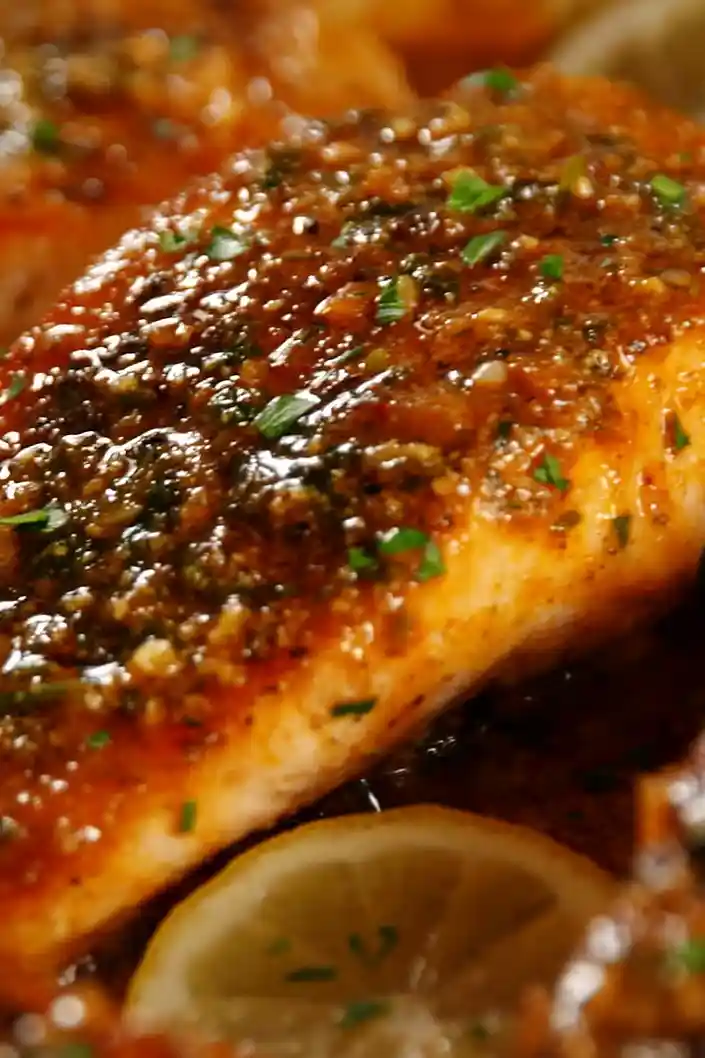
List of ingredients
- 1 tbsp. extra-virgin olive oil – used for searing the fish.
- 4 (4-oz.) fillets salmon (preferably wild) – main protein source.
- 2 tsp. Cajun seasoning, divided – provides the signature spicy kick.
- Freshly ground black pepper – adds a subtle woody heat.
- 2 tbsp. butter – used for sautéing garlic and thickening the sauce.
- 3 cloves garlic, minced – adds aromatic depth.
- 1/3 c. low-sodium chicken or vegetable broth – the base for the pan sauce.
- 1 lemon, juiced – provides essential acidity to balance the spice.
- 1 tbsp. honey – adds a touch of sweetness to the glaze.
- 1 tbsp. freshly chopped parsley, plus more for garnish – adds freshness.
- 2 tbsp. freshly grated Parmesan – adds a salty, nutty finish.
- Lemon slices – used for presentation and extra flavor.
step-by-step instructions
- Sear the salmon: Heat olive oil in a large skillet over medium-high heat. Season the fillets with 1 teaspoon of Cajun seasoning and black pepper, then place them in the pan skin-side up. Cook until deeply golden, approximately 6 minutes, then flip and cook for another 2 minutes before transferring to a plate.
- Prepare the sauce: In the same skillet, add butter and minced garlic. Once the butter has melted, stir in the broth, lemon juice, honey, the remaining teaspoon of Cajun seasoning, chopped parsley, and grated Parmesan. Bring the mixture to a simmer.
- Combine and finish: Lower the heat to medium and return the salmon fillets to the skillet. Simmer for 3 to 4 minutes until the sauce has reduced and the salmon is cooked through.
- Serve: Add lemon slices to the skillet for visual appeal and serve immediately.
Mastering the Salmon Sear
Pat the Fillets Dry with Paper Towels
Moisture on the surface of the fish creates steam, which prevents a golden-brown crust from forming. Use a clean paper towel to pat each fillet thoroughly on all sides before adding seasoning. This ensures the fish sears quickly and develops a professional texture.
Bring Salmon to Room Temperature
Taking the salmon out of the refrigerator about 15 to 20 minutes before cooking helps it cook more evenly. Cold fish can cause the pan temperature to drop rapidly, leading to uneven searing. This small step ensures the center is cooked perfectly by the time the exterior is browned.
Select a Heavy-Bottomed Stainless Steel Pan
Stainless steel or cast iron pans distribute heat more evenly than thin non-stick pans. These materials allow for a better sear and leave behind brown bits, known as fond, which add immense flavor to the final sauce. Ensure the pan is properly preheated before adding the oil.
Avoid Overcrowding the Skillet
If the fillets are too close together, they will release moisture that traps heat and steams the fish instead of searing it. Leave at least an inch of space between each piece of salmon. If your skillet is small, sear the fish in two separate batches.
Ingredient Alternatives and Swaps
Substitute Honey with Maple Syrup
If you do not have honey, pure maple syrup is an excellent alternative for this recipe. It provides a similar viscosity and sweetness that balances the spice of the Cajun seasoning. The flavor profile will be slightly more earthy but still complements the salmon well.
Swap Chicken Broth for Vegetable Stock
To make this dish suitable for different dietary preferences, use a high-quality vegetable broth instead of chicken broth. Ensure the broth is low-sodium to avoid the sauce becoming overly salty, especially since Parmesan cheese is already salty. The flavor difference is negligible in this specific sauce.
Use Fresh Lime Instead of Lemon
Lime juice can be used as a replacement for lemon juice to give the dish a different citrus note. Lime adds a slightly more tropical acidity that pairs well with the Cajun spices. Use the same quantity of lime juice as you would lemon juice.
Try Different Hard Cheeses
While Parmesan is traditional, Pecorino Romano or Grana Padano are suitable substitutes. Pecorino is saltier and sharper, while Grana Padano is milder and sweeter. Adjust the amount of added salt in the recipe if using a particularly salty cheese.
Optimal Side Dish Combinations
Pair with Roasted Root Vegetables
Roasted carrots or parsnips provide a natural sweetness that contrasts with the spicy Cajun glaze. Toss them in olive oil and salt, then roast at 400°F until tender. The earthy tones of root vegetables balance the acidity of the lemon sauce.
Serve Over a Bed of Quinoa
Quinoa is a protein-rich grain that absorbs the pan sauce efficiently. Cook it in a vegetable broth for extra flavor before plating the salmon on top. This makes the meal more filling and adds a nutty texture to the dish.
Add a Side of Steamed Asparagus
Steamed or sautéed asparagus provides a fresh, green snap that cuts through the richness of the butter and cheese. Lightly season the stalks with salt and a squeeze of lemon. This keeps the plate balanced and adds essential nutrients.
Pair with a Crisp Green Salad
A simple salad of mixed greens, cucumbers, and a light vinaigrette cleanses the palate between bites. Avoid heavy dressings that might compete with the bold Cajun flavors. A lemon-olive oil dressing is the most complementary choice.
Storage and Reheating Guidelines
Cooling and Refrigerating the Salmon
Allow the salmon to cool slightly before transferring it to an airtight container. If you store it while steaming hot, condensation will form inside the lid, making the fish soggy. Ensure the sauce is distributed evenly over the fillets to keep them moist.
Maximum Storage Duration in the Fridge
Cooked salmon is best enjoyed within two to three days when stored in the refrigerator. Beyond this point, the texture can become dry and the flavors may fade. Always keep the container tightly sealed to prevent the fish from absorbing other fridge odors.
Gently Reheating in the Oven
To maintain the best texture, reheat the salmon in the oven at 275°F. Place the fish in a baking dish and add a tablespoon of water or broth to keep the sauce fluid. Heat for 10 to 15 minutes until warmed through without overcooking.
Using a Microwave for Quick Warming
If using a microwave, use a medium power setting and heat in short 30-second bursts. Cover the dish with a microwave-safe lid to trap steam, which helps prevent the salmon from becoming rubbery. Be careful not to overheat, as salmon overcooks very quickly.
Solving Common Cooking Problems
Preventing the Salmon from Sticking
Sticking usually occurs if the pan is not hot enough or if the fish is moved too early. Wait for the oil to shimmer and the fish to release naturally from the surface before flipping. If it sticks, give it another minute to develop a proper crust.
Fixing a Sauce That is Too Thin
If the sauce has not thickened enough during the final simmer, increase the heat slightly for one to two minutes. Alternatively, you can whisk in a tiny pinch of cornstarch slurry. However, the Parmesan and the reduction process usually provide sufficient thickness.
Correcting Overcooked Salmon
Overcooked salmon can become dry and chalky. To mitigate this, ensure you serve it with an extra generous portion of the pan sauce. For future batches, use a meat thermometer to pull the fish when the internal temperature hits 145°F.
Managing Excessive Browning on the Sauce
Because of the honey and butter, the sauce can burn if the heat is too high. If you notice the sauce darkening too quickly, immediately lower the heat or add a splash more broth. This stabilizes the temperature and prevents the sugars from scorching.
Frequently Asked Questions
Should I leave the skin on the salmon?
Leaving the skin on helps protect the fillet from the direct heat of the pan and keeps the fish moist. It also provides a structural base that prevents the fillet from breaking during the flip. You can choose to eat the skin or leave it on the plate.
What is the best way to tell if the salmon is cooked through?
The best method is using an instant-read meat thermometer to check for an internal temperature of 145°F. Alternatively, the fish should flake easily with a fork and the center should change from translucent to an opaque pink.
Can I use frozen salmon fillets?
Yes, but they must be completely thawed before cooking. Thaw them slowly in the refrigerator overnight to ensure the texture remains intact. Pat them very dry, as frozen fillets tend to release more moisture than fresh ones.
Is this recipe suitable for air frying?
The searing and sauce reduction steps are designed for a skillet. While you can air fry the salmon with the seasoning, you would still need to prepare the sauce separately on the stove. To finish the dish, toss the air-fried salmon in the skillet sauce before serving.
Print
Zesty Cajun Parmesan Salmon Fillets
- Total Time: 45 minutes
- Yield: 4 servings 1x
- Diet: General
Description
This Cajun Parmesan salmon is simple yet flavorful, featuring a zesty pan sauce with honey and Parmesan cheese for a perfect weeknight dinner.
Ingredients
- 1 tbsp. extra-virgin olive oil
- 4 (4-oz.) fillets salmon (preferably wild)
- 2 tsp. Cajun seasoning, divided
- Freshly ground black pepper
- 2 tbsp. butter
- 3 cloves garlic, minced
- 1/3 cup low-sodium chicken or vegetable broth
- 1 lemon, juiced
- 1 tbsp. honey
- 1 tbsp. freshly chopped parsley, plus more for garnish
- 2 tbsp. freshly grated Parmesan
- Lemon slices, for serving
Instructions
- Step 1: In a large skillet over medium-high heat, heat oil. Season salmon with 1 teaspoon Cajun seasoning and pepper, then add to the skillet skin-side up. Cook salmon until deeply golden, about 6 minutes, then flip and cook 2 minutes more. Transfer to a plate.
- Step 2: Add butter and garlic to skillet. When butter has melted, stir in broth, lemon juice, honey, remaining teaspoon Cajun seasoning, parsley, and Parmesan. Bring mixture to a simmer.
- Step 3: Reduce heat to medium and add salmon back to skillet. Simmer until sauce has reduced and salmon is cooked through, 3 to 4 minutes more.
- Step 4: Add lemon slices to skillet and serve.
Notes
Serve this dish alongside roasted potatoes for a complete and hearty meal.
- Prep Time: 25 minutes
- Cook Time: 20 minutes
- Category: Dinner
- Method: Pan-searing
- Cuisine: Cajun
Nutrition
- Serving Size: 1 fillet
- Calories: 369 kcal
- Sugar: 8 g
- Sodium: 620 mg
- Fat: 18 g
- Saturated Fat: 7 g
- Unsaturated Fat: 11 g
- Trans Fat: 0 g
- Carbohydrates: 10 g
- Fiber: 1 g
- Protein: 25 g
- Cholesterol: 80 mg