These wild salmon burgers offer a delicious, nutrient-dense alternative to traditional beef patties, perfect for a quick weeknight dinner. By combining fresh, coarsely chopped salmon with aromatic herbs and savory breadcrumbs, you achieve a juicy texture that works beautifully on a toasted bun or as a healthy, protein-packed salad topper. This preparation method ensures the fish remains moist while developing a crisp, golden-brown crust on the exterior.
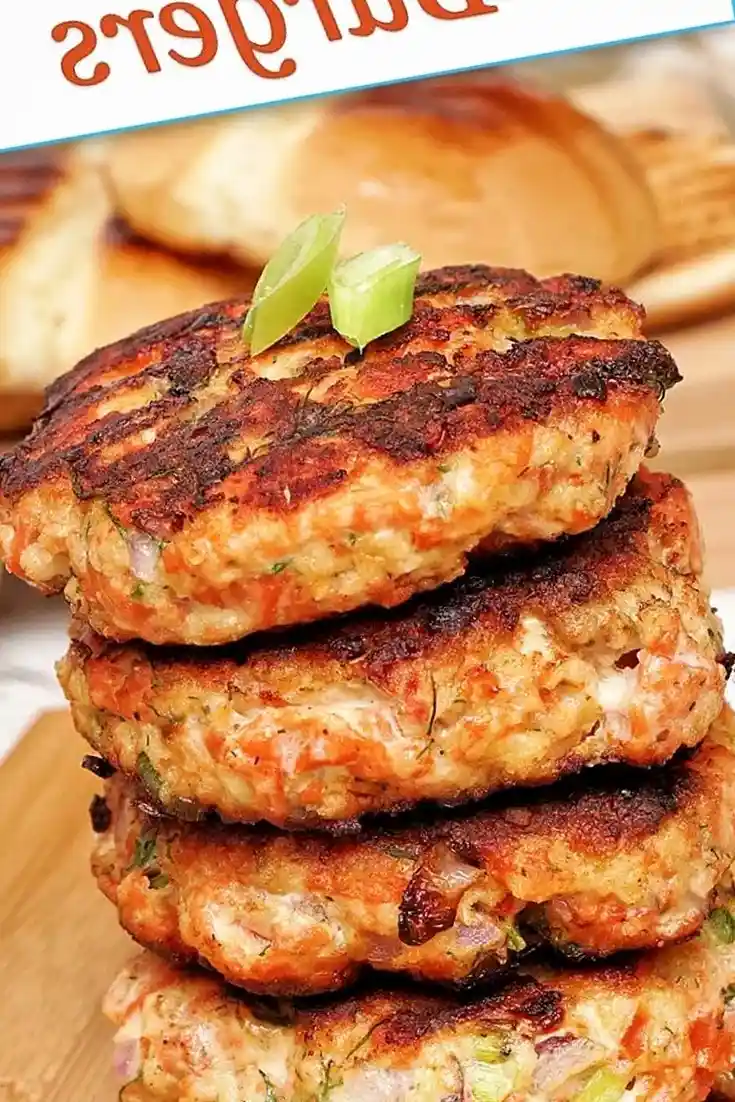
List of ingredients
- 1 1/2 pound Salmon fillet
- 1 or 2 Large eggs
- 3/4 to 1 Cup Italian Style Panko Bread Crumbs
- 1 green onion, diced
- 1/2 small red onion, diced
- 1 small tomato, diced
- 1 Tbsp. Garlic Powder
- 2 Tbsp. fresh Dill, minced
- 1 Tbsp. Olive Oil
- 1 Tbsp. Lemon Juice
- 1/2 tsp. salt
- 1/2 tsp. pepper
- Burger buns
step-by-step instructions
- Step: In a medium sized bowl, add: egg(s), bread crumbs, onions, tomato, garlic powder, dill, Olive oil and salt/pepper. Mix well and set aside.
- Step: Remove skin from Salmon fillet and coarsely chop with a knife.
- Step: Add Salmon to the bowl and mix well.
- Step: Heat Grill pan or a large skillet to Medium-Hi. Add Oil.
- Step: Form Salmon mix into desired size burgers or patties.
- Step: Cook until golden brown, 3 to 5 minutes.
- Step: Flip and cook the other side.
- Step: Reduce the heat to low and cover with a lid.
- Step: Let cook on the inside for 3 to 5 minutes. This will make them moist.
- Step: Cook in batches, few at a time.
- Step: Serve warm with a bun or let them cool and serve on top of your favorite salad.
Essential Preparation Techniques
Achieving the Perfect Patty Consistency
The secret to a great salmon burger lies in the ratio of breadcrumbs to moisture. If your tomato is particularly juicy, you may find the mixture a bit loose; in this case, add an extra tablespoon of Panko to stabilize the patty. Always aim for a mixture that holds its shape under light pressure but remains slightly tacky to the touch.
Importance of Gentle Mixing
Avoid over-mixing the salmon once it has been added to the base. Overworking the protein can lead to a rubbery or tough final texture. Use a spatula to fold the fish in with the binders gently, which preserves the delicate integrity of the salmon pieces and keeps the burgers light and airy.
Mastering the Searing Process
Starting with a high-heat sear is crucial for creating a flavorful exterior crust. Make sure your pan is properly preheated before placing the patties inside; if the pan is too cold, the salmon will stick and fail to develop that signature golden finish. Ensure you allow the first side to cook undisturbed for the full recommended time before attempting to flip.
Flavor Enhancements and Ingredient Tweaks
Alternative Binding Options
If you prefer a gluten-free approach, you can substitute the Panko breadcrumbs with crushed gluten-free crackers or almond flour. These alternatives provide a different but equally pleasant texture while keeping the burgers grounded. If you opt for these, note that they may absorb liquid differently, so add them gradually until the consistency feels right.
Boosting Herb Profiles
While fresh dill is the traditional choice for this recipe, you can experiment with other aromatics based on what is available in your pantry. Finely chopped parsley adds a clean, verdant note, while fresh chives can replace the green onions for a more intense pungency. Always incorporate fresh herbs at the end of the mixing process to maintain their vibrant color and essential oils.
Serving Suggestions
Building a Better Burger
When serving these on buns, consider toasted brioche or soft ciabatta to complement the salmon’s texture. Spread a small amount of creamy sauce, such as a lemon-herb aioli or a dollop of Greek yogurt mixed with capers, on the bottom bun to add moisture. Layer with fresh arugula or baby spinach for a peppery crunch that cuts through the richness of the fish.
Light Salad Alternatives
For a lighter meal, these patties work exceptionally well served cold over a bed of mixed field greens. Drizzle the salad with a simple vinaigrette made from balsamic vinegar, honey, and olive oil. The contrast between the chilled patty and the fresh vegetables makes for a sophisticated and refreshing dining experience.
Proper Storage and Reheating
Maintaining Freshness in the Fridge
If you have leftover burgers, store them in an airtight container in the refrigerator for up to two days. To prevent them from drying out, place a sheet of parchment paper between each patty to minimize surface exposure to the air. Never leave cooked salmon at room temperature for more than two hours to ensure food safety.
Effective Reheating Strategies
To reheat the burgers without sacrificing moisture, place them in a skillet over low heat with a teaspoon of water or broth. Cover the pan with a lid and steam the patties for 3 to 4 minutes until warmed through. Alternatively, use a microwave at a low power setting for short intervals, but prioritize the skillet method for the best texture restoration.
Frequently Asked Questions
Can I make these ahead of time?
Yes, you can prepare the raw mixture up to four hours in advance, provided it is kept tightly covered in the refrigerator. However, it is best to form the patties and sear them just before you are ready to eat for the freshest flavor and texture.
Why did my burgers fall apart during cooking?
This usually happens due to insufficient binding or attempting to flip the burger too early. Ensure you have used enough Panko to absorb the excess liquid and wait until a robust crust has formed on the bottom before using a wide, thin spatula to perform the flip.
Are these burgers freezer-friendly?
You can freeze the uncooked patties individually wrapped in plastic film for up to one month. To cook them from frozen, allow them to thaw completely in the refrigerator overnight, then proceed with the standard searing and steaming method as described.
What if I cannot find wild salmon?
While wild sockeye is preferred for its firm texture and deep flavor, you can certainly use other varieties of salmon. Farmed salmon is often higher in fat, which may require slightly more breadcrumbs to balance the moisture. Ensure the fish is high quality and fresh for the best results.
Print
Wild Alaskan Sockeye Salmon Burgers
- Total Time: 50 minutes
- Yield: 4 servings 1x
- Diet: Pescatarian
Description
These Wild Alaskan Sockeye Salmon Burgers are super easy to make. Great on the bun or without to cut down on the calories. Great warm or cold. Serve it on top of your salad. You can’t go wrong with this recipe.
Ingredients
- 1 1/2 pound Salmon fillet
- 1 or 2 Large eggs
- 3/4 to 1 Cup Italian Style Panko Bread Crumbs
- 1 green onion, diced
- 1/2 small red onion, diced
- 1 small tomato, diced
- 1 Tbsp. Garlic Powder
- 2 Tbsp. fresh Dill, minced
- 1 Tbsp. Olive Oil
- 1 Tbsp. Lemon Juice
- 1/2 tsp. salt
- 1/2 tsp. pepper
- Burger buns
Instructions
- Step: In a medium sized bowl, add: egg(s), bread crumbs, onions, tomato, garlic powder, dill, Olive oil and salt/pepper. Mix well and set aside.
- Step: Remove skin from Salmon fillet and coarsely chop with a knife.
- Step: Add Salmon to the bowl and mix well.
- Step: Heat Grill pan or a large skillet to Medium-Hi. Add Oil.
- Step: Form Salmon mix into desired size burgers or patties.
- Step: Cook until golden brown, 3 to 5 minutes.
- Step: Flip and cook the other side.
- Step: Reduce the heat to low and cover with a lid.
- Step: Let cook on the inside for 3 to 5 minutes. This will make them moist.
- Step: Cook in batches, few at a time.
- Step: Serve warm with a bun or let them cool and serve on top of your favorite salad.
Notes
The amount of bread crumbs depends on the tomatoes you choose, as some have more liquid. Add accordingly. One egg is usually enough to bind ingredients, but you may need two if making larger burgers.
- Prep Time: 20 minutes
- Cook Time: 30 minutes
- Category: Dinner Recipes
- Method: Pan-seared
- Cuisine: American
Nutrition
- Serving Size: 1 burger
- Calories: 380 kcal
- Sugar: 3 g
- Sodium: 650 mg
- Fat: 15 g
- Saturated Fat: 3 g
- Unsaturated Fat: 10 g
- Trans Fat: 0 g
- Carbohydrates: 28 g
- Fiber: 2 g
- Protein: 32 g
- Cholesterol: 110 mg