This nourishing ground turkey and cabbage soup is a fantastic one-pot meal that balances lean protein with plenty of fresh, earthy vegetables. It is specifically designed to be quick enough for busy weeknights while providing the deep, savory satisfaction of a long-simmered broth. With its bright notes from fresh herbs and the subtle sweetness of tender cabbage, this soup is a reliable staple for any season.
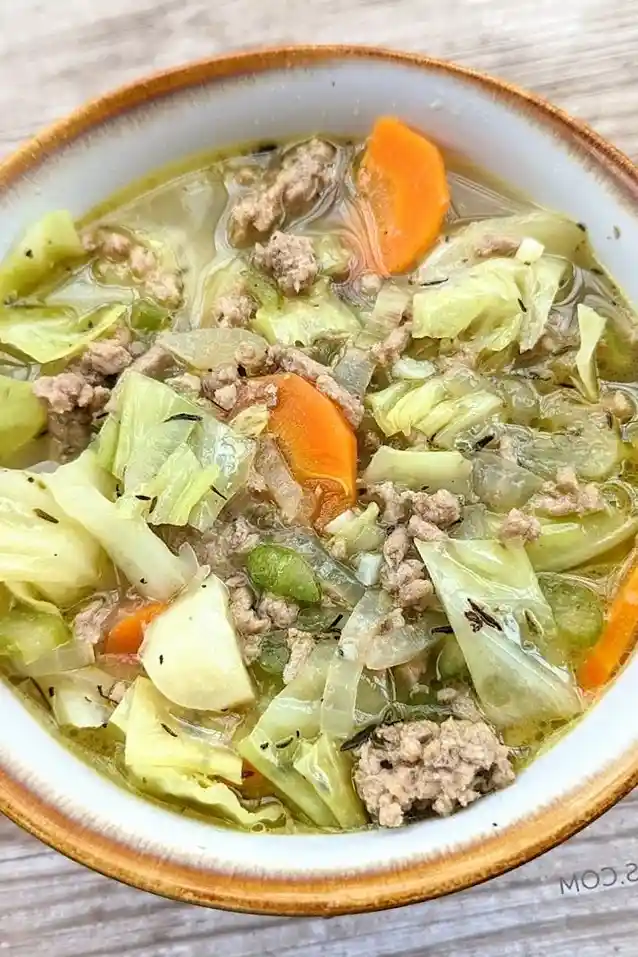
List of ingredients
- 2-3 tablespoons butter
- 1 1/2 cups sliced carrots
- 3/4 cup sliced celery
- 1 yellow onion, sliced
- 2 garlic cloves, minced
- 1 pound ground turkey
- 2 teaspoons dried thyme
- 4 cups chicken broth
- 2 dried bay leaves
- 5 cups chopped cabbage
- 1 tablespoon chicken-flavored bouillon paste
- 1/8 teaspoon white pepper
- salt & pepper to taste
step-by-step instructions
- Step: Sauté carrots, celery, onion, and garlic in butter in a stock pot or large soup pot for about 5 minutes, stirring occasionally.
- Step: Add dried thyme and ground turkey to the vegetables, breaking up the turkey into small, bite-size pieces. Stir turkey occasionally and continue cooking until the turkey is no longer pink, about 5-6 minutes.
- Step: Add the chicken broth and bouillon to the pot and stir the bouillon to make sure it dissolves. Add the cabbage, bay leaves, and white pepper. Taste for desired amount of salt and black pepper you want to add.
- Step: Bring the soup to a boil, once boiling, reduce to a simmer for about 30 minutes, or until the vegetables have reached your desired texture.
Practical Preparation Approaches
Developing Flavor Through Sautéing
Taking the time to properly sauté your vegetables in butter before adding the liquid is a critical step for building a complex base. This process, often called sweating the aromatics, softens the cell walls of the onions and celery, allowing their natural sugars to release. When these sugars caramelize slightly in the butter, they provide a sweet, savory foundation that water-based simmering simply cannot replicate later on.
Ensuring Even Texture
When chopping your cabbage, aim for pieces that are roughly an inch in size. If the pieces are too large, they may remain tough even after thirty minutes of simmering; if they are too small, they might disintegrate into the broth. Uniformity in your vegetable cuts ensures that each spoonful of soup contains a balanced ratio of meat, tender cabbage, and vibrant carrots.
Substitutions and Adjustments
Alternative Protein Options
While ground turkey is the primary protein, ground chicken breast or thighs serve as an excellent direct substitution. If you prefer a slightly heartier version, you can mix in a small amount of ground beef, though this will change the fat content and flavor profile of the soup significantly. For those seeking a plant-forward variation, cooked white beans like cannellini or chickpeas can be added in place of the turkey to provide bulk and fiber.
Adapting the Broth Base
If you find yourself without chicken broth, a high-quality vegetable stock can be used without altering the fundamental character of the soup. Ensure that your vegetable stock is not overly sweet, as cabbage already provides a natural sweetness that might become overpowering if the base is too sugary. Using a low-sodium version of any broth is always advisable, as it gives you complete control over the final salt levels once the bouillon is added.
Storage and Reheating Methods
Maintaining Soup Freshness
This soup stores remarkably well, often tasting even better the next day after the flavors have had more time to mingle in the refrigerator. Transfer the cooled soup into an airtight glass or plastic container, where it will remain fresh for up to 4 days. If you plan to keep it longer, freezing is a great option for future meals.
Freezing for Long-Term Storage
To freeze the soup, allow it to cool completely at room temperature before portioning it into freezer-safe bags or containers. Be sure to leave about an inch of space at the top of the container, as the liquid will expand during the freezing process. When stored properly, the soup will retain its quality for up to 3 months; simply thaw it in the refrigerator overnight before reheating.
Gentle Reheating Techniques
When reheating, use a saucepan over medium-low heat rather than relying solely on the microwave, which can sometimes lead to uneven temperatures. If the soup appears too thick after refrigeration, a splash of water or additional broth can be stirred in to restore the desired consistency. Ensure the soup reaches a gentle simmer throughout before serving to verify it is thoroughly heated.
Commonly Asked Questions
Can I make this soup in a slow cooker?
Yes, you can adapt this recipe by browning the turkey and sautéing the vegetables in a skillet first, then transferring everything to your slow cooker. Add the remaining ingredients and cook on low for 4 to 6 hours or on high for 2 to 3 hours. Adding the cabbage during the last hour of cooking ensures it remains tender without turning to mush.
Is it necessary to use white pepper?
White pepper is used here because it provides heat without the visible specks of black pepper, keeping the broth look clean. However, if you do not have white pepper on hand, black pepper is a perfectly acceptable substitute and will provide a similar depth of flavor.
How do I prevent the cabbage from becoming too mushy?
The key to avoiding mushy cabbage is monitoring the simmer time closely. Check the texture at the 20-minute mark; if the cabbage has reached a soft but still firm consistency, you can stop the heat immediately. Different varieties of cabbage may soften at slightly different rates, so trusting your visual cues is better than relying strictly on the timer.
What is the best way to serve this dish?
The soup is best served hot, ideally accompanied by crusty bread like a toasted baguette or sourdough to soak up the flavorful broth. Because the soup is balanced in its own right, a simple green salad with a light vinaigrette is all you need to turn this main course into a substantial dinner.
Can I add other vegetables to this soup?
Absolutely, this recipe is quite flexible and welcomes additions like sliced leeks, diced bell peppers, or even small chunks of potato. Just be mindful that adding root vegetables like potatoes will increase the cooking time required, so ensure they are cut into small pieces to match the cooking speed of the cabbage and turkey.
Print
Wholesome Ground Turkey and Cabbage Soup
- Total Time: PT40M
- Yield: 6 1x
- Diet: High Protein
Description
Ground Turkey Cabbage Soup is a delicious, one-pot soup filled with lean ground turkey, cabbage, and plenty of other fresh vegetables. A family favorite great for any day of the week!
Ingredients
- 2–3 tablespoons butter
- 1 1/2 cups sliced carrots
- 3/4 cup sliced celery
- 1 yellow onion, sliced
- 2 garlic cloves, minced
- 1 pound ground turkey
- 2 teaspoons dried thyme
- 4 cups chicken broth
- 2 dried bay leaves
- 5 cups chopped cabbage
- 1 tablespoon chicken-flavored bouillon paste
- 1/8 teaspoon white pepper
- salt & pepper to taste
Instructions
- Step: Sauté carrots, celery, onion, and garlic in butter in a stock pot or large soup pot for about 5 minutes, stirring occasionally.
- Step: Add dried thyme and ground turkey to the vegetables, breaking up the turkey into small, bite-size pieces. Stir turkey occasionally and continue cooking until the turkey is no longer pink, about 5-6 minutes.
- Step: Add the chicken broth and bouillon to the pot and stir the bouillon to make sure it dissolves. Add the cabbage, bay leaves, and white pepper. Taste for desired amount of salt and black pepper you want to add.
- Step: Bring the soup to a boil, once boiling, reduce to a simmer for about 30 minutes, or until the vegetables have reached your desired texture.
Notes
Once cooled, store leftovers in an air-tight container in the fridge for up to 4 days. Can be frozen in freezer-safe containers for up to 3 months. Bouillon paste adds wonderful flavor and comes in various sodium levels.
- Prep Time: PT0M
- Cook Time: PT40M
- Category: Main Course
- Method: Stovetop
- Cuisine: American
Nutrition
- Serving Size: 1 serving
- Calories: 210 kcal
- Sugar: 5 g
- Sodium: 780 mg
- Fat: 9 g
- Saturated Fat: 3 g
- Unsaturated Fat: 5 g
- Trans Fat: 0 g
- Carbohydrates: 12 g
- Fiber: 4 g
- Protein: 22 g
- Cholesterol: 70 mg