This homemade garlic Alfredo sauce is a luxurious, restaurant-quality addition to any meal, relying on the simplicity of high-quality butter and cream. Its thick, velvety texture provides a perfect coating for long pasta strands, while the double infusion of fresh garlic and garlic powder ensures a deep, aromatic flavor profile. Whether you are preparing a quick weeknight dinner or a celebratory feast, this versatile sauce delivers consistent, comforting results every time.
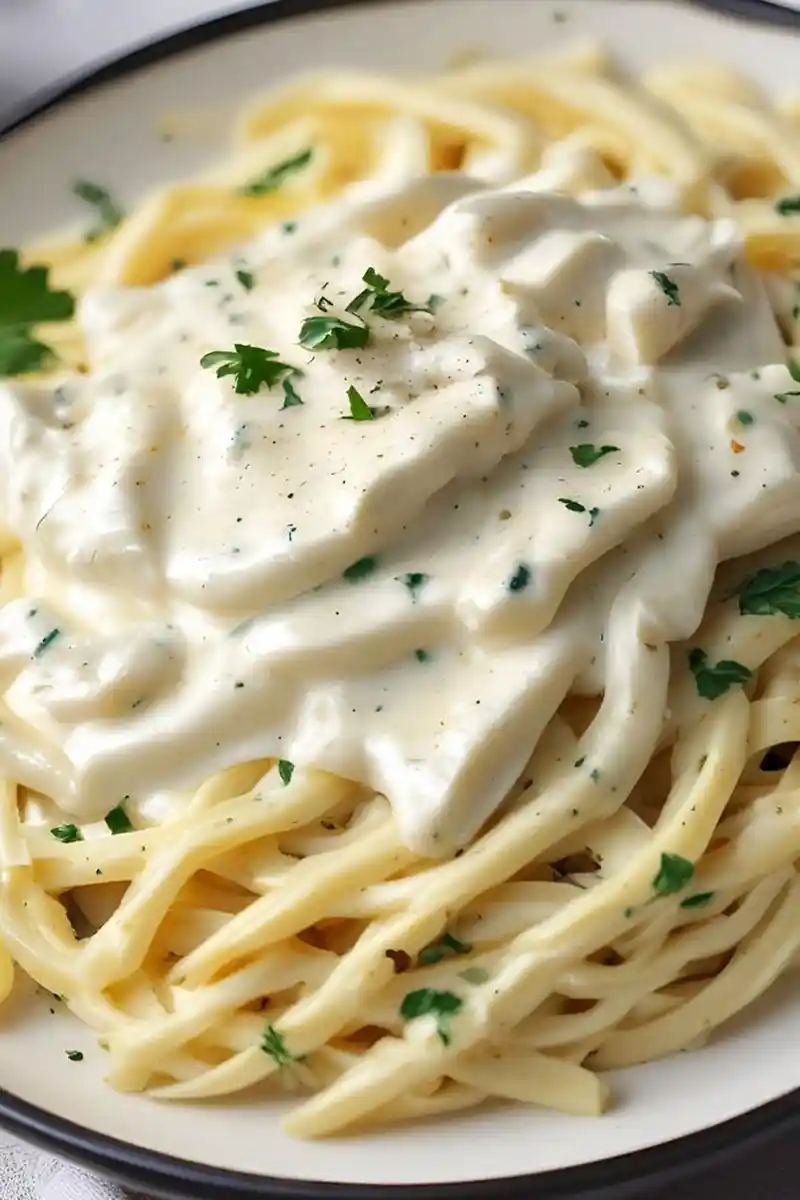
List of ingredients
- ½ cup Unsalted butter
- 2 Garlic cloves, minced
- 2 cups Heavy cream
- ½ tsp Kosher salt
- ½ tsp Pepper
- ¼ tsp Garlic powder
- Pinch of nutmeg
- 1½ cups Freshly grated Parmesan cheese
- Minced flat-leaf parsley (for garnish)
step-by-step instructions
- Melt the Butter: In a medium saucepan over medium heat, melt the butter.
- Cook the Garlic and Spices: Add the minced garlic, salt, pepper, garlic powder, and nutmeg. Cook for 1 minute until fragrant.
- Add the Cream: Slowly pour in the heavy cream. Bring to a rapid simmer, then reduce the heat to medium-low and gently simmer for 5 minutes.
- Incorporate the Cheese: Remove from the heat. Gradually add the Parmesan cheese, whisking until each batch is completely melted and incorporated before adding more.
- Thicken the Sauce: Return the saucepan to the stovetop. Cook on low heat for an additional 2 to 5 minutes, stirring constantly, until the sauce begins to thicken.
- Serve: Toss the sauce with 1 pound of cooked fettuccine pasta. Serve immediately, garnishing with fresh parsley and additional pepper if desired.
Refining Your Technique
Importance of Hand-Grated Parmesan
Pre-shredded cheese often contains anti-caking agents like potato starch or cellulose, which prevent the cheese from melting into a smooth, emulsified sauce. By grating your own Parmesan from a block, you ensure the cheese melts cleanly into the cream, resulting in a silkier texture without any unwanted grit.
Monitoring the Heat for Emulsion
The transition from a liquid cream base to a thick sauce relies on the heat being consistent and low once the cheese is introduced. Excessive heat can cause the fat in the cheese to separate from the proteins, leading to a grainy or oily sauce; always pull the pan off the burner before adding the cheese.
Achieving the Perfect Sauce Consistency
If your sauce appears too thin after adding the cheese, continue to simmer it on the lowest heat setting while stirring, which allows excess moisture to evaporate. If it becomes too thick, simply whisk in an extra tablespoon of warm milk or pasta cooking water to loosen the texture without sacrificing the flavor.
Understanding Sauce Variations
Balancing the Garlic Intensity
If you prefer a milder sauce, consider roasting the garlic cloves until soft before mashing them into the butter. This transforms the sharp, spicy bite of raw garlic into a sweet, mellow, and deeply savory component that integrates more softly with the heavy cream.
Adding Herbal Complexity
While parsley is the traditional finishing touch, you can introduce other fresh herbs to alter the flavor profile. Fresh basil provides a bright, peppery note that pairs beautifully with the richness of the Parmesan, while a pinch of dried oregano can add a more rustic, earthy dimension to the sauce.
Customizing the Salt Level
The saltiness of your sauce depends largely on the age and variety of the Parmesan you select. Start with the suggested salt measurement, but always taste your sauce after the cheese has melted before adding any additional seasoning to ensure the saltiness remains balanced.
FAQ
Can I use milk instead of heavy cream?
While milk can be used, the sauce will be significantly thinner and lack the characteristic coating power of a traditional Alfredo. If you choose to use milk, consider whisking in a small amount of cornstarch or flour to the melted butter to create a roux that will help thicken the dairy.
How do I prevent the sauce from separating?
Separation usually occurs if the sauce is boiled after the cheese is added or if the cheese is added while the pan is over high heat. Always remove the pan from the heat source when incorporating the cheese and use a whisk to ensure constant agitation for a stable emulsion.
Is it possible to make this sauce dairy-free?
Creating a traditional Alfredo without dairy is difficult due to the specific fat content required for the emulsion. Substitutes like full-fat canned coconut milk or specialized vegan cream alternatives can be used, though they will alter the flavor profile and require different thickening agents to mimic the creamy mouthfeel.
Storage and Reheating Guidelines
Managing Leftover Sauce
If you have leftover sauce, store it in an airtight container in the refrigerator for no more than 48 hours. The sauce will naturally thicken significantly as it cools due to the high fat and cheese content, so plan to dilute it slightly upon reheating.
Proper Reheating Methods
To reheat, place the sauce in a saucepan over low heat and stir constantly to prevent burning the bottom. If the sauce has thickened too much, add a teaspoon of milk or water at a time until you reach your preferred consistency, but avoid using the microwave, as it often heats unevenly and causes the fat to separate from the dairy.
Freezing Considerations
Freezing is not recommended for this specific sauce because the emulsion will likely break upon thawing. The high cream and cheese content tends to result in a grainy texture once frozen and reheated, making it best enjoyed fresh or kept only in the refrigerator for short-term consumption.
Serving Suggestions
Matching Pasta Shapes
While fettuccine is the standard, this sauce works exceptionally well with any ridged pasta, such as penne or rigatoni. These shapes are designed to capture the heavy, velvety sauce in their grooves and interiors, ensuring every bite is flavorful.
Pairing with Proteins and Vegetables
This sauce is an ideal companion for roasted vegetables like broccoli or asparagus, which add texture to the creamy dish. For a more substantial meal, top the pasta with sliced grilled chicken breast or seared shrimp, which complement the garlic notes without overpowering the delicate cheese profile.
Adjusting the Serving Size
This recipe yields enough sauce to coat approximately one pound of dried pasta comfortably. If you prefer your pasta heavily sauced, you may want to increase the amount of cream by one-quarter cup or decrease the amount of pasta slightly to ensure full coverage.
Print
Velvety Garlic Alfredo Sauce
- Total Time: PT20M
- Yield: 5 1x
- Diet: Vegetarian
Description
This garlic Alfredo sauce is rich, creamy, and incredibly easy to make. Heavy cream and butter, infused with garlic and spices, create a mouth-watering sauce perfect for tossing with fettuccine pasta. It is the ultimate comfort food! The sauce is thick and luscious, loaded with a double hit of garlic and lots of Parmesan cheese.
Ingredients
- ½ cup Unsalted butter
- 2 Garlic cloves, minced
- 2 cups Heavy cream
- ½ tsp Kosher salt
- ½ tsp Pepper
- ¼ tsp Garlic powder
- Pinch of nutmeg
- 1½ cups Freshly grated Parmesan cheese
- Minced flat-leaf parsley (for garnish)
Instructions
- Melt the Butter: In a medium saucepan over medium heat, melt the butter.
- Cook the Garlic and Spices: Add the minced garlic, salt, pepper, garlic powder, and nutmeg. Cook for 1 minute until fragrant.
- Add the Cream: Slowly pour in the heavy cream. Bring to a rapid simmer, then reduce the heat to medium-low and gently simmer for 5 minutes.
- Incorporate the Cheese: Remove from the heat. Gradually add the Parmesan cheese, whisking until each batch is completely melted and incorporated before adding more.
- Thicken the Sauce: Return the saucepan to the stovetop. Cook on low heat for an additional 2 to 5 minutes, stirring constantly, until the sauce begins to thicken.
- Serve: Toss the sauce with 1 pound of cooked fettuccine pasta. Serve immediately, garnishing with fresh parsley and additional pepper if desired.
Notes
Heavy Cream: You can use milk as a substitute, but the sauce will be much thinner. Pepper: Cracked black pepper adds a nice texture, but if you prefer a pure white sauce, use white pepper. Parmesan Cheese: For best results, grate your own Parmesan using the small holes of a box grater or a Microplane grater. Smaller pieces will melt more easily into the sauce.
- Prep Time: PT5M
- Cook Time: PT15M
- Category: Main Course
- Method: Stovetop
- Cuisine: Italian
Nutrition
- Serving Size: 1 serving
- Calories: 380 kcal
- Sugar: 1 g
- Sodium: 347 mg
- Fat: 32 g
- Saturated Fat: 18 g
- Unsaturated Fat: 12 g
- Trans Fat: 0 g
- Carbohydrates: 4 g
- Fiber: 0 g
- Protein: 5 g
- Cholesterol: 110 mg