Prepare a flavorful and tender chicken dish with this quick homemade marinade. It uses simple pantry staples to infuse meat with a bright, savory taste in just 30 minutes.
List of ingredients
- 1/4 cup soy sauce – provides a salty, umami base; substitute with tamari or coconut aminos for gluten-free needs.
- 2 tablespoons extra virgin olive oil – adds richness and prevents sticking; avocado oil is a great high-heat alternative.
- 2 teaspoons garlic, minced – delivers sharp, aromatic flavor.
- 2 teaspoons worcestershire sauce – adds complex depth and tanginess.
- 1 teaspoon lemon juice – provides acidity to tenderize the muscle fibers.
- 1 teaspoon lemon zest, minced – adds concentrated citrus brightness.
- 1/8 teaspoon kosher salt – enhances all other flavors.
- 1/8 teaspoon ground black pepper – adds a subtle spicy warmth.
step-by-step instructions
- Combine the marinade: In a small mixing bowl, add the soy sauce, extra virgin olive oil, minced garlic, worcestershire sauce, lemon juice, lemon zest, kosher salt, and ground black pepper. Whisk the mixture vigorously until the oil and soy sauce are well emulsified.
- Marinate the meat: Pour the prepared mixture over your chicken pieces, ensuring every surface is thoroughly coated. Let the chicken marinate for at least 30 minutes in the refrigerator to allow the flavors to penetrate.
- Cook the chicken: Prepare the marinated chicken using your preferred cooking method, such as grilling, roasting, or pan-searing. Cook until the internal temperature reaches a safe level for consumption.
Optimal Cooking Techniques for Marinated Chicken
Grilling Over Direct Heat
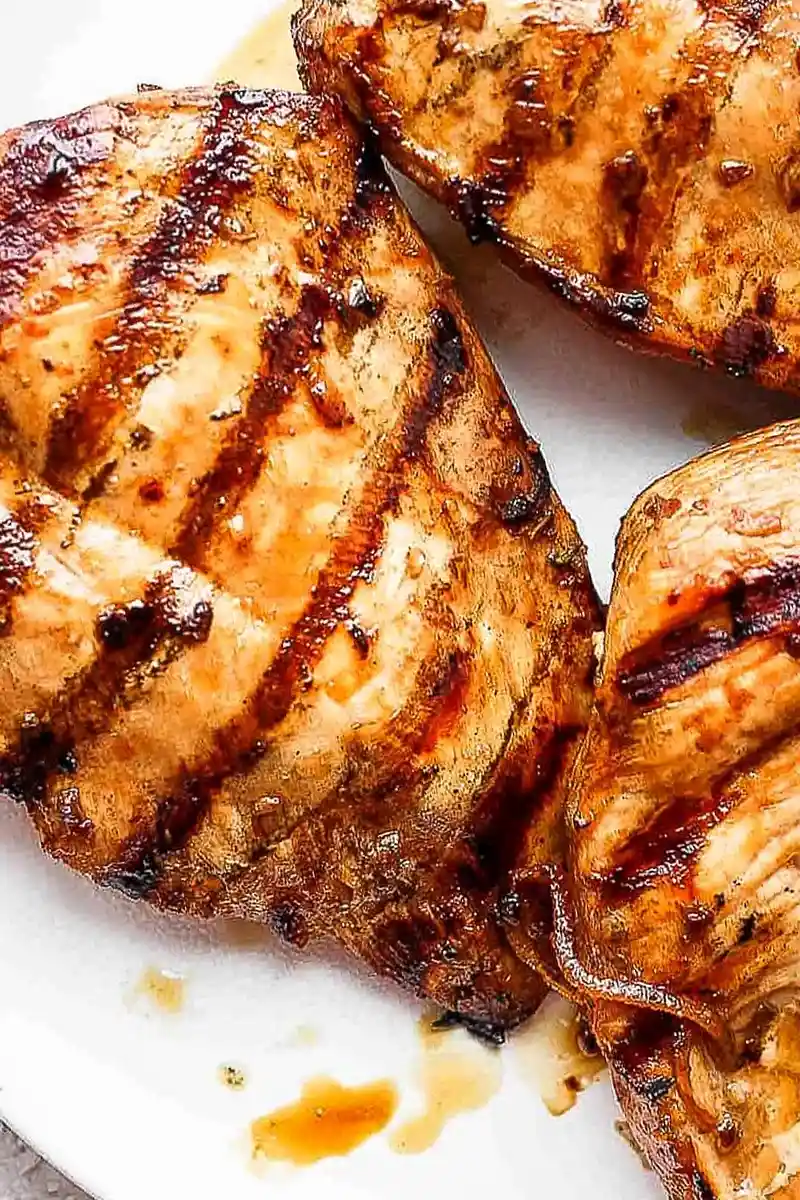
For a charred and smoky finish, use a gas or charcoal grill preheated to medium-high. Place the chicken on the grates and avoid moving it too frequently to ensure deep sear marks. The sugars in the soy sauce and worcestershire sauce will caramelize quickly, so monitor the heat to prevent burning.
Stovetop Pan-Searing
Use a heavy-bottomed skillet or cast-iron pan over medium-high heat with a small amount of oil. For the fastest results, butterfly your chicken breasts to ensure a uniform thickness. Sear each side until golden brown and the internal temperature reaches 165 degrees Fahrenheit.
Air Fryer Preparation
Set your air fryer to 360 or 380 degrees Fahrenheit for a balance of crispiness and juiciness. Place the marinated pieces in a single layer, ensuring they do not overlap for optimal airflow. Flip the chicken halfway through the cooking cycle to ensure an even golden color on both sides.
Using a Smoke Generator
Utilize an electric smoker or pellet grill set to a low temperature to infuse the meat with a deep wood aroma. This slow cooking process allows the marinade to meld with the smoke, resulting in an exceptionally tender texture. This method is particularly effective for thicker cuts like chicken thighs.
Sous Vide Precision Cooking
Seal the marinated chicken in a vacuum-sealed bag and cook in a water bath at 145 to 150 degrees Fahrenheit for breast meat. This ensures the chicken never overcooks and remains incredibly juicy. After the water bath, finish the chicken with a quick sear in a hot pan for a professional crust.
Secrets to Tender and Juicy Results
Implementing a Proper Resting Period
Once the chicken is removed from the heat, let it rest on a plate or cutting board for 5 to 10 minutes. This allows the internal juices to redistribute throughout the meat rather than spilling out immediately. Resting ensures every bite is moist and prevents the meat from drying out during slicing.
Scoring the Meat for Depth
Use a sharp knife to make shallow cuts or a fork to poke small holes into the surface of the chicken. This process allows the acid from the lemon juice and the salt from the soy sauce to penetrate deeper into the muscle. This results in a more consistent flavor profile and a more tender interior.
Controlling Internal Temperature
Use a digital instant-read thermometer to monitor the meat, pulling it off the heat at 160 degrees Fahrenheit. Carry-over cooking will naturally raise the internal temperature to the safe 165 degrees while the meat rests. This prevents the common mistake of overcooking, which leads to rubbery, dry chicken.
Selecting the Optimal Chicken Cut
While this marinade works for any cut, chicken thighs offer more natural fat and are harder to overcook than breasts. If using breasts, consider pounding them to an even thickness to avoid the edges drying out while the center cooks. Wings and drumsticks also benefit from the acidity of the lemon juice in this recipe.
Flavor Modifications and Substitutions
Creating a Gluten-Free Version
Substitute the soy sauce with tamari or coconut aminos to remove gluten from the recipe. If using coconut aminos, you may find the flavor slightly sweeter, so you can omit the worcestershire sauce to maintain balance. This modification makes the recipe suitable for those with gluten sensitivities.
Adjusting for Low-Sodium Needs
Use a reduced-sodium soy sauce and omit the additional kosher salt to lower the overall salt content. You can increase the amount of lemon zest or add a pinch of paprika to maintain a bold flavor profile without excess salt. This ensures the chicken remains savory without being overly salty.
Swapping Olive Oil for High-Heat Oils
If you are grilling at very high temperatures, replace extra virgin olive oil with avocado oil. Avocado oil has a significantly higher smoke point, meaning it won’t break down or smoke as easily over an open flame. This prevents the development of a bitter taste on the meat’s surface.
Modifying the Citrus Balance
For a different flavor profile, swap the lemon juice and zest for lime or orange. Lime provides a zestier, more tropical note that pairs well with a pinch of cumin. Orange juice adds a subtle sweetness that complements the salty soy sauce for a glaze-like finish.
Storage and Preparation Strategies
Freezer-Safe Marinating Techniques
Place the chicken and the marinade together in a heavy-duty freezer-safe bag, squeezing out as much air as possible. Freeze the bag for up to 8 weeks for convenient future meals. The meat will marinate as it freezes and again as it thaws, intensifying the flavor.
Maximum Refrigeration Timeframes
Do not marinate the chicken for longer than 24 hours in the refrigerator. The lemon juice is an acid that breaks down protein structures; leaving it too long will result in a mushy, mealy texture. A window of 2 to 6 hours is usually ideal for most cuts of chicken.
Safe Thawing Procedures
Thaw frozen marinated chicken slowly in the refrigerator overnight rather than on the counter. This keeps the meat at a safe temperature and prevents the growth of bacteria. Slow thawing also helps preserve the integrity of the meat’s cellular structure.
Preparing Marinade in Advance
You can whisk the marinade ingredients together and store them in an airtight jar for up to one week. This allows you to simply pour the mixture over the meat during busy weeknights. Keep the jar refrigerated to maintain the freshness of the minced garlic and lemon juice.
Troubleshooting Common Issues
Preventing Surface Charring and Burning
The soy sauce and worcestershire sauce contain sugars that can burn quickly over high heat. If you notice the chicken charring too fast, move it to a cooler part of the grill or lower the pan temperature. Wiping off excess marinade before searing can also help achieve a clean brown crust.
Balancing Excessive Saltiness
If the finished chicken tastes too salty, serve it with a side of unsalted mashed potatoes or steamed vegetables to balance the palate. You can also squeeze fresh lemon juice over the cooked meat to cut through the salt. Avoiding the extra pinch of salt in the recipe is the best preventative measure.
Achieving a Better Sear
To get a professional brown crust, pat the chicken slightly with a paper towel to remove excess surface moisture before cooking. High moisture creates steam, which boils the meat instead of searing it. A hot pan and a small amount of high-smoke-point oil are essential for this effect.
Preventing Mushy Meat Textures
If your chicken feels soft or mushy, it is likely because it marinated for too long in the acidic lemon juice. Stick to the recommended maximum of 24 hours to avoid this chemical breakdown. For thinner cuts like tenders, a shorter marinating time of 30 to 60 minutes is sufficient.
Frequently Asked Questions
Which chicken cuts are most suitable?
Any cut of chicken works well, including breasts, thighs, wings, and drumsticks. Thighs are more forgiving due to their higher fat content, while breasts require more careful temperature monitoring to stay juicy.
Can the marinade be scaled up?
Yes, you can easily double or triple the batch to accommodate more meat or a whole roasting chicken. Maintain the ratios of ingredients to ensure the flavor balance remains consistent regardless of the volume.
What is the maximum marinating time?
The maximum recommended time is 24 hours. Beyond this point, the acids in the lemon juice will break down the muscle fibers too much, negatively impacting the texture of the meat.
Is poking holes in the meat necessary?
It is not required, but it is helpful. Scoring the meat or poking it with a fork allows the marinade to penetrate deeper and faster, which can enhance the flavor and moistness of thicker cuts.
Print
Ultimate Savory Chicken Marinade for Juicy Meat
- Total Time: 35 minutes
- Yield: 6 servings 1x
- Diet: Dairy-Free, Gluten-Friendly, Paleo, Whole30
Description
The Best Chicken Marinade that will give you the most juicy & tender chicken with incredible flavor, no matter how it is cooked!
Ingredients
- ¼ cup soy sauce (sub tamari or coconut aminos)
- 2 tablespoons extra virgin olive oil (sub avocado oil)
- 2 teaspoons garlic (minced)
- 2 teaspoons worcestershire sauce
- 1 teaspoon lemon juice
- 1 teaspoon lemon zest (minced)
- ⅛ teaspoon kosher salt
- ⅛ teaspoon ground black pepper
Instructions
- Combine: In a small bowl, add ¼ cup soy sauce, 2 tablespoons extra virgin olive oil, 2 teaspoons garlic, 2 teaspoons worcestershire sauce, 1 teaspoon lemon juice, 1 teaspoon lemon zest, ⅛ teaspoon kosher salt, and ⅛ teaspoon ground black pepper. Whisk to combine.
- Marinate: Pour over chicken and let marinate for at least 30 minutes.
- Use: Cook chicken any way you want – we love the best grilled chicken breasts!
Notes
Paleo/Whole30: use coconut aminos instead of soy sauce and omit the worcestershire sauce. Ways to Cook Marinated Chicken: option to make smoked chicken breasts, air fryer chicken breasts, or sous vide chicken breasts! Make Ahead: this is an easy recipe to make ahead of time to cut down on meal prep!
- Prep Time: 5 minutes
- Cook Time: 0 minutes
- Category: Marinade
- Method: Counter Top
- Cuisine: American
Nutrition
- Serving Size: 1 serving
- Calories: 51 kcal
- Sugar: 0.4 g
- Sodium: 615 mg
- Fat: 5 g
- Saturated Fat: 1 g
- Unsaturated Fat: 3.5 g
- Trans Fat: 0 g
- Carbohydrates: 1 g
- Fiber: 0.1 g
- Protein: 1 g
- Cholesterol: 0 mg