This method ensures your chicken breasts remain moist and flavorful every time you fire up the grill. By combining a targeted pounding technique with a fast-acting marinade, you can achieve professional results on a busy weeknight.
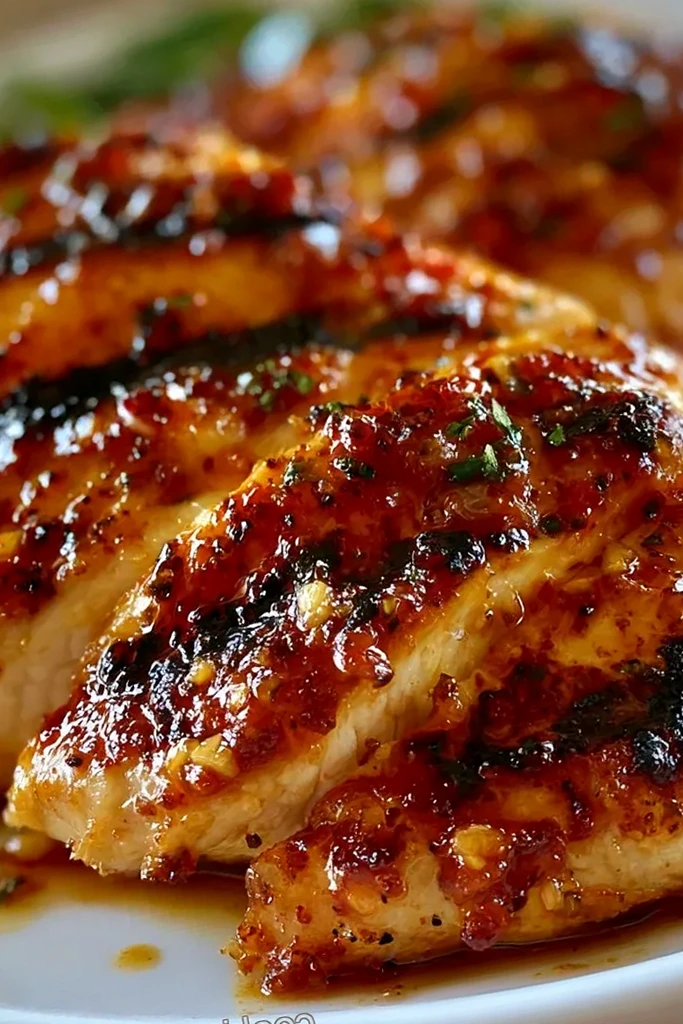
List of ingredients
- 3 tbsp olive oil – acts as a heat conductor and prevents sticking.
- 2 tbsp fresh lemon juice – provides acidity to tenderize the meat.
- 3 cloves garlic, minced – adds a savory, pungent base.
- 1 tsp dried oregano – contributes an earthy Mediterranean flavor.
- 1 tsp smoked paprika – provides depth and a rich mahogany color.
- 1 tsp honey – aids in caramelization for a better crust.
- 1 tsp kosher salt – enhances all other flavors in the marinade.
- 1/2 tsp black pepper – adds a subtle touch of heat.
- 1.5 lb boneless skinless chicken breasts – the lean protein base for the dish.
step-by-step instructions
- Prepare the meat: Place the chicken breasts between two sheets of plastic wrap. Use a meat mallet to gently pound the thickest part until the entire piece is an even 3/4 inch thickness to prevent overcooking the thin ends.
- Create the marinade: Whisk together olive oil, lemon juice, minced garlic, dried oregano, smoked paprika, honey, kosher salt, and black pepper in a bowl until the honey is fully incorporated.
- Season the chicken: Place the pounded chicken in a Ziploc bag, pour in the marinade, and massage the bag to ensure full coverage.
- Marinate: Refrigerate and marinate for 30 minutes. Do not exceed 2 hours, as the lemon juice can make the meat texture mushy.
- Heat the grill: Preheat the grill to medium high heat (approximately 400°F/200°C) and lightly oil the grates.
- Grill the chicken: Place chicken smooth side down on the grill and cook for 5–6 minutes per side until a mahogany colored char develops.
- Monitor temperature: Remove chicken from heat when the internal temperature reaches 160°F (71°C).
- Tent for resting: Transfer to a plate and tent loosely with foil.
- Final Rest: Let the meat rest for 5–10 minutes to allow the internal temperature to rise to 165°F (74°C) and the juices to redistribute.
Essential Grilling Mastery Techniques
Ensuring Uniform Meat Thickness
Chicken breasts are naturally teardrop-shaped, which creates an uneven cooking surface. Pounding the meat to a consistent 3/4 inch thickness ensures that the heat penetrates the center at the same rate as the edges. This eliminates the common problem of dry edges surrounding a raw center.
Precise Temperature Control
Using an instant-read thermometer is the only reliable way to prevent overcooking. Pulling the meat at 160°F allows for carryover cooking, where the internal temperature continues to rise while the meat rests. This precision prevents the proteins from tightening and squeezing out all the moisture.
The Science of Resting Meat
Resting the chicken under a loose foil tent allows the muscle fibers to relax and reabsorb the juices. If you slice the chicken immediately after removing it from the grill, the internal pressure forces the juices out onto the plate. A 10-minute rest ensures the moisture stays inside the meat.
Optimizing Grill Heat
A medium-high heat of 400°F is ideal for creating a sear without burning the sugars in the honey. If the grill is too cool, the chicken will steam rather than sear, resulting in a pale color. If it is too hot, the exterior will char before the interior reaches a safe temperature.
Customizing the Flavor Profile
Using Maple Syrup Instead of Honey
Maple syrup can be used as a one-to-one replacement for honey. It provides a similar sugar content that encourages caramelization and a beautiful crust. The flavor profile shifts slightly toward a richer, more autumnal sweetness.
Substituting Olive Oil with Avocado Oil
Avocado oil is an excellent substitute if you prefer a more neutral flavor. It also possesses a very high smoke point, which is beneficial for high-heat grilling. This prevents the oil from breaking down and creating acrid smoke during the cooking process.
Swapping Oregano for Thyme
Dried thyme offers a floral, earthy alternative to the Mediterranean taste of oregano. It pairs exceptionally well with the lemon and garlic base. This substitution is ideal for those who prefer a more subtle herb profile.
Replacing Lemon Juice with Apple Cider Vinegar
Apple cider vinegar provides the necessary acidity to tenderize the chicken if fresh lemons are unavailable. It offers a tangier, more fermented flavor compared to the bright citrus of lemon. Keep the quantity the same to maintain the balance of the marinade.
Correcting Common Grilling Errors
Preventing Meat from Sticking
Sticking usually occurs when the grill is not hot enough or the meat is flipped too early. Meat naturally releases from the grate once a proper crust has formed through the Maillard reaction. If the chicken resists when you try to flip it, wait another minute for the sear to complete.
Managing Burnt Exteriors and Raw Interiors
This issue occurs when the heat is excessive, causing the honey to burn before the center cooks. To fix this, move the chicken to an indirect heat zone (a part of the grill with no burners on or fewer coals). Close the lid to let the ambient heat finish cooking the center like an oven.
Fixing Rubbery Texture
Rubbery chicken is almost always a result of overcooking or skipping the pounding step. When the meat is overcooked, the protein fibers contract tightly, pushing out moisture. Always pull the chicken at 160°F and allow the resting period to finish the process.
Handling Flare-Ups
Flare-ups happen when oil or marinade drips onto the heat source, causing bursts of flame. To manage this, keep a pair of tongs ready to move the chicken to a cooler area of the grill immediately. Avoid spraying water on the flames, as this can cause temperature drops and steam burns.
Modifying for Different Dietary Needs
Creating a Sugar-Free Version
For a Paleo or diabetic-friendly version, omit the honey entirely. While you will lose some of the mahogany char, the lemon, garlic, and paprika still provide a bold flavor. You can add a pinch of smoked paprika extra to compensate for the lost color.
Increasing the Heat Level
To add a spicy kick, incorporate a teaspoon of crushed red pepper flakes or a dash of cayenne pepper into the marinade. These spices blend well with the smoked paprika and garlic. Be mindful that cayenne can intensify the heat quickly, so start with a small amount.
Adapting the Recipe for Chicken Thighs
Chicken thighs have a higher fat content and a different muscle structure than breasts. Increase the grilling time by approximately 3 to 4 minutes per side. Thighs are more forgiving and can handle higher heat without becoming dry.
Scaling for Large Groups
When doubling the recipe for 8 servings, increase the chicken to 3 lbs. Only increase the salt and spices by 1.5 times rather than doubling them to avoid over-seasoning. Grill in batches to avoid crowding the grates, which can lower the overall temperature.
Storage and Preservation Advice
Refrigeration Guidelines
Store cooked grilled chicken in an airtight container in the refrigerator for up to 4 days. To maintain the best quality, allow the chicken to cool slightly before sealing the container. This prevents excess steam from making the exterior skin soggy.
Reheating Without Drying the Meat
Avoid using a microwave on high power, as this quickly evaporates the remaining moisture. Instead, place the chicken in a pan over medium heat with a splash of water or chicken broth. Cover the pan with a lid to create a steaming effect that rejuvenates the meat.
Freezing Marinated Chicken
You can freeze the chicken while it is still in the Ziploc bag with the marinade for up to 3 months. The meat will marinate as it thaws in the refrigerator overnight. This makes for an extremely convenient meal prep option for future weeknights.
Freezing Cooked Chicken
Cooked chicken can be frozen for up to 2 months. Wrap the pieces tightly in foil and then place them in a freezer-safe bag to prevent freezer burn. Note that the texture may change slightly upon thawing and reheating.
Ideal Side Dish Pairings
Fresh Vegetable Options
Grilled asparagus or a crisp cucumber salad complements the acidity of the lemon marinade. The charred flavor of grilled vegetables mirrors the crust on the chicken. This creates a cohesive meal that feels light and healthy.
Hearty Comfort Sides
A creamy potato salad or roasted root vegetables provide a rich contrast to the zesty chicken. The starchiness of the potatoes balances the bright lemon-garlic notes. This combination is particularly effective for family dinners where a more filling meal is required.
Grain-Based Accompaniments
Serve the chicken over a bed of fluffy white rice or quinoa. The grains absorb the resting juices from the meat, ensuring no flavor is wasted. Adding a squeeze of fresh lemon over the rice can tie the whole plate together.
Pasta Pairings
Slicing the grilled chicken over a fresh pasta primavera or a light garlic-and-oil pasta works well. The smoky notes from the grilled paprika enhance the simplicity of the pasta. This transforms the recipe into a bistro-style main course.
Understanding Grilling Misconceptions
The Searing Myth
Many believe that searing meat locks in juices by creating a waterproof barrier. In reality, searing adds flavor and color through the Maillard reaction but does not stop moisture loss. Moisture loss is actually caused by overcooking the internal proteins.
Over-Marinating Risks
There is a common belief that longer marinating always leads to more flavor. However, with acidic marinades containing lemon juice, marinating for more than 2 hours can actually break down the muscle fibers too much. This results in a mealy, mushy texture rather than a tender one.
The Temperature Fallacy
Some cooks believe chicken must reach 165°F while still on the grill. Doing so almost guarantees the chicken will overcook to 170°F or higher during the resting phase. Pulling the meat early at 160°F is the key to a juicy center.
Frequently Asked Questions
What is the secret to grilling chicken?
The secret is pounding the breasts to a uniform 3/4 inch thickness. This ensures the meat cooks evenly across the entire piece and prevents the thin ends from drying out while the center finishes.
Can a diabetic eat marinated chicken?
Yes, but they should monitor the portion. This specific marinade uses a small amount of honey, so those managing blood sugar should account for that minimal sweetener or omit it entirely.
Is grilled chicken good for heart patients?
Yes, it is a heart-healthy option. Using olive oil and lean, skinless chicken breasts provides healthy fats and protein without excess saturated fats.
What should I put on my chicken before grilling it?
Apply a marinade consisting of olive oil, lemon juice, garlic, oregano, paprika, honey, salt, and pepper. Let the meat soak in these flavors for 30 minutes to tenderize and season the chicken.
How to tell when the chicken is perfectly done?
Use a meat thermometer to check for an internal temperature of 160°F. Remove the chicken from the heat immediately and let it rest for 5-10 minutes to reach the final safe temperature of 165°F.
Is it true that chicken must reach 165°F while still on the grill?
No, this is a common misconception. Pulling the meat at 160°F and allowing carryover cooking during the resting phase prevents the chicken from becoming tough and dry.
What are the best side dishes for this grilled chicken?
Pair it with steamed vegetables, a fresh garden salad, or a rich pasta. For a more indulgent meal, serve the chicken alongside a creamy sauce to balance the zesty lemon flavors.
Print
Ultimate Juicy Grilled Chicken Breast
- Total Time: 52 minutes
- Yield: 4 servings 1x
- Diet: General
Description
Master this grilled chicken recipe for succulent results. Features the best grilled chicken marinade and a step-by-step timing guide for juicy, perfectly cooked breasts every time.
Ingredients
- 3 tbsp olive oil
- 2 tbsp fresh lemon juice
- 3 cloves garlic, minced
- 1 tsp dried oregano
- 1 tsp smoked paprika
- 1 tsp honey
- 1 tsp kosher salt
- 1/2 tsp black pepper
- 1.5 lb boneless skinless chicken breasts
Instructions
- Pound: Place the chicken breasts between two sheets of plastic wrap. Use a meat mallet to gently pound the thickest part until the entire piece is an even 3/4 inch thickness.
- Whisk: Whisk together olive oil, lemon juice, minced garlic, dried oregano, smoked paprika, honey, kosher salt, and black pepper in a bowl until the honey is fully incorporated.
- Combine: Place the pounded chicken in a Ziploc bag, pour in the marinade, and massage the bag to ensure full coverage.
- Marinate: Refrigerate and marinate for 30 minutes.
- Preheat: Preheat the grill to medium high heat (approximately 400°F/200°C) and lightly oil the grates.
- Grill: Place chicken smooth side down on the grill and cook for 5–6 minutes per side until a mahogany colored char develops.
- Temperature: Remove chicken from heat when the internal temperature reaches 160°F (71°C).
- Transfer: Transfer to a plate and tent loosely with foil.
- Rest: Let the meat rest for 5–10 minutes to allow the internal temperature to rise to 165°F (74°C) and the juices to redistribute.
Notes
Pounding the meat to a uniform thickness prevents the edges from drying out. Avoid marinating for more than 2 hours, as the acid in the lemon can make the meat mushy.
- Prep Time: 10 minutes
- Cook Time: 12 minutes
- Category: Main Course
- Method: Grilling
- Cuisine: American
Nutrition
- Serving Size: 1 serving
- Calories: 309 kcal
- Sugar: 1.5 g
- Sodium: 610 mg
- Fat: 14.7 g
- Saturated Fat: 3.5 g
- Unsaturated Fat: 11.2 g
- Trans Fat: 0 g
- Carbohydrates: 3.0 g
- Fiber: 0.4 g
- Protein: 39.4 g
- Cholesterol: 95 mg