This slow cooker meal blends sweet tropical pineapple with savory soy sauce for a simple, hands-off dinner. It requires minimal preparation and results in tender, shredded chicken that is perfect for busy weeknights.

List of ingredients
- 4 boneless, skinless chicken breasts (about 2 pounds) – the main protein source.
- 1 cup pineapple juice – adds sweetness and acidity for tenderizing.
- 1 cup diced pineapple (fresh or canned) – provides texture and tropical flavor.
- 1/2 cup soy sauce – provides the essential savory and salty base.
- 1/4 cup brown sugar – enhances caramelization and sweetness.
- 2 cloves garlic, minced – adds aromatic depth.
- 1 teaspoon ground ginger – adds a warm, slightly spicy note.
- 1/4 teaspoon black pepper – provides a subtle seasoning kick.
- Sliced green onions (optional) – used for a fresh, crunchy garnish.
- Red pepper flakes (optional) – added for a customizable spicy heat.
- Bell peppers (optional) – can be added for color and nutrition.
- Fresh cilantro or parsley (for garnish) – adds a pop of color and freshness.
- Sesame seeds (for garnish) – provides a slight nutty crunch.
step-by-step instructions
- Prepare the Meat: Start by preparing your chicken breasts. You can leave them whole for traditional slow cooking or cut them into smaller pieces if you prefer quicker cooking and easier serving. Place the chicken at the bottom of the crockpot.
- Create the Sauce: In a separate mixing bowl, combine the pineapple juice, diced pineapple, soy sauce, brown sugar, minced garlic, ground ginger, and black pepper. Stir the mixture thoroughly until the brown sugar has completely dissolved.
- Combine Ingredients: Pour the prepared pineapple mixture over the chicken breasts in the crockpot. Ensure all pieces of chicken are well coated in the sauce to ensure even flavoring.
- Slow Cook: Cover the crockpot with a tight-fitting lid. Cook on the low setting for 6-8 hours or on the high setting for 3-4 hours. The chicken is ready when it is fully cooked, tender, and easily pulls apart.
- Shred the Chicken: Once the cooking time is complete, remove the chicken from the pot. Use two forks to shred the meat into bite-sized pieces, then mix it back into the sauce to allow it to soak up the concentrated flavors.
- Garnish and Serve: Serve the chicken hot. Add optional toppings like sliced green onions, sesame seeds, or red pepper flakes, and serve alongside your preferred side dishes.
Practical Cooking Techniques
Optimizing Tenderization with Pineapple Juice
Pineapple juice contains an enzyme called bromelain, which naturally breaks down the proteins in meat. When slow-cooked, this process helps the chicken breasts become incredibly tender. Be careful not to marinate the meat in the juice for too long before cooking, as the enzymes can make the texture too soft.
Managing Heat Settings for Meat Texture
Using the low setting for 6-8 hours generally produces a more tender result because the meat cooks slowly and retains more moisture. The high setting is useful for time constraints but can occasionally lead to slightly tougher fibers if overcooked. Always check the internal temperature to ensure it reaches 165 degrees Fahrenheit.
Techniques for Maximum Sauce Absorption
Shredding the chicken directly in the pot or returning it immediately after shredding allows the meat to act like a sponge. The fibers open up during the shredding process, creating space for the pineapple and soy sauce to penetrate. This prevents the chicken from tasting bland in the center.
Ensuring Proper Internal Temperature
While slow cookers are convenient, using a meat thermometer is the only way to guarantee safety and quality. Chicken breasts can dry out quickly if they exceed the safe minimum temperature by too much. Aim for a precise internal temperature of 165 degrees Fahrenheit before shredding.
Ingredient Modifications and Substitutions
Replacing Soy Sauce for Dietary Needs
To make this recipe gluten-free, replace the standard soy sauce with tamari or coconut aminos. Tamari offers a similar salty profile without the wheat, while coconut aminos provide a slightly sweeter, lower-sodium alternative. Adjust the amount of brown sugar if using coconut aminos, as they are naturally sweeter.
Alternative Natural Sweeteners
If you prefer not to use brown sugar, honey or maple syrup are excellent substitutes. Honey provides a thicker consistency and a floral sweetness that complements the pineapple. Maple syrup offers a deeper, woody flavor that pairs well with the ginger and garlic.
Incorporating Fresh vs Canned Pineapple
Fresh pineapple provides a bright, tart flavor and a firmer texture in the final dish. Canned pineapple is more convenient and often sweeter, especially if packed in syrup. If using canned pineapple in syrup, reduce the brown sugar by a tablespoon to maintain the flavor balance.
Adding Vegetables for Nutritional Balance
Diced bell peppers, carrots, or snap peas can be added to the crockpot for extra nutrients. Add hardy vegetables like carrots at the beginning of the cooking process. More delicate vegetables like snap peas or broccoli should be added during the last 30 minutes of cooking to avoid mushiness.
Comprehensive Serving Ideas
Grain-Based Pairings
Fluffy white jasmine rice is the traditional pairing, as it absorbs the sweet and savory sauce efficiently. Brown rice or quinoa are healthier alternatives that add a nutty flavor and more fiber. For a different texture, try serving the chicken over rice noodles or lo mein.
Low-Carb Vegetable Alternatives
To reduce the carbohydrate content, serve the chicken over a bed of cauliflower rice. Zucchini noodles (zoodles) also work well, providing a fresh contrast to the rich sauce. Roasted cabbage steaks can serve as a hearty, low-carb base for the shredded meat.
Fusion Style Applications
This chicken is versatile enough to be used in several formats. Stuff it into corn or flour tortillas for Hawaiian-style tacos, topped with fresh slaw. It also works well in steamed bao buns or as a filling for sliders on toasted brioche buns.
Complementary Side Dishes
A crisp cucumber salad with rice vinegar and sesame oil provides a refreshing contrast to the sweetness of the dish. Steamed bok choy or sautéed spinach with garlic are also excellent choices. For a fruit-based side, try a simple slaw with shredded cabbage and lime juice.
Storage, Preservation, and Reheating
Refrigeration Guidelines and Safety
Store any leftovers in an airtight glass or plastic container in the refrigerator. The chicken will remain fresh and safe to eat for 3 to 4 days. Ensure the container is sealed tightly to prevent the sauce from absorbing other odors in the fridge.
Freezing the Prepared Meal
This recipe freezes well because the sauce protects the meat from freezer burn. Place the chicken and sauce in a freezer-safe bag or container, removing as much air as possible. It can be stored in the freezer for up to 3 months.
Maintaining Moisture During Reheating
When reheating in the microwave, add a tablespoon of water or extra pineapple juice to keep the meat moist. If using a stovetop, simmer the chicken on low heat with a lid on to trap the steam. Reheating in the oven at 325 degrees Fahrenheit in a covered dish also works well.
Best Containers for Long-Term Storage
Glass containers are preferable for storing this dish as they do not react with the acidity of the pineapple juice. Vacuum-sealed bags are the best option for freezing to prevent oxidation. Avoid using thin plastic wraps which may allow air to enter.
Troubleshooting Common Issues
Fixing a Sauce That Is Too Thin
If the sauce is too watery after cooking, you can thicken it using a cornstarch slurry. Mix one tablespoon of cornstarch with one tablespoon of cold water, stir it into the sauce, and cook on high for 15 minutes. This will create a glossy, thick glaze that clings to the chicken.
Correcting Overly Sweet Flavor Profiles
If the dish tastes too sweet, add a splash of rice vinegar or a squeeze of fresh lime juice. The acidity cuts through the sugar and balances the overall flavor profile. A small amount of extra soy sauce can also help introduce more salt to counteract the sweetness.
Preventing Chicken from Becoming Rubbery
Rubbery chicken usually occurs when the meat is cooked too quickly on high heat or overcooked. Stick to the recommended low heat setting for the best texture. If the chicken feels rubbery, ensure you are shredding it while hot and mixing it thoroughly with the sauce.
Balancing Excessive Saltiness
If the soy sauce makes the dish too salty, add more pineapple juice or a bit of water. Adding more diced pineapple can also help distribute the salt across more ingredients. Serving the dish over an unsalted grain like plain white rice will also mitigate the saltiness.
Frequently Asked Questions
Can I use frozen chicken for this recipe?
Yes, you can use frozen chicken breasts, but it is recommended to increase the cooking time by about one hour. Ensure the chicken reaches the safe internal temperature of 165 degrees Fahrenheit before serving.
Can I make this recipe in advance?
You can prepare the ingredients and the sauce a day ahead. Store them in a sealed bag in the refrigerator and simply dump them into the crockpot the next morning for an effortless dinner.
Is this recipe gluten-free?
The original recipe is not gluten-free because of the soy sauce. However, you can easily make it gluten-free by substituting the soy sauce with tamari or coconut aminos.
What should I serve with Sweet Hawaiian Crockpot Chicken?
The best pairings include jasmine rice, quinoa, or steamed vegetables. For a more creative approach, serve it in tacos or on top of a baked sweet potato for a nutrient-dense meal.
Print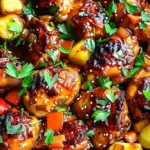
Tropical Pineapple Slow Cooker Chicken
- Total Time: 6 hours 15 minutes
- Yield: 4 servings 1x
- Diet: General
Description
Discover the savory flavors of our Sweet Hawaiian Crockpot Chicken recipe, a quick ultimate dish to satisfy your cravings, perfect for busy nights.
Ingredients
- 4 boneless, skinless chicken breasts (about 2 pounds)
- 1 cup pineapple juice
- 1 cup diced pineapple (fresh or canned)
- 1/2 cup soy sauce
- 1/4 cup brown sugar
- 2 cloves garlic, minced
- 1 teaspoon ground ginger
- 1/4 teaspoon black pepper
- Sliced green onions (optional)
- Red pepper flakes (optional)
- Bell peppers (optional)
- Fresh cilantro or parsley (for garnish)
- Sesame seeds (for garnish)
Instructions
- Step 1: Start by preparing your chicken breasts. You can leave them whole or cut them into smaller pieces if you prefer quicker cooking and easier serving. Place the chicken at the bottom of the crockpot.
- Step 2: In a separate bowl, mix together the pineapple juice, diced pineapple, soy sauce, brown sugar, minced garlic, ground ginger, and black pepper. Stir well until the sugar is dissolved.
- Step 3: Pour the pineapple mixture over the chicken in the crockpot, ensuring all pieces are well coated in the sauce.
- Step 4: Cover the crockpot and cook on low for 6-8 hours or on high for 3-4 hours. The chicken is ready when it is fully cooked and tender.
- Step 5: Once done, shred the chicken using two forks and mix it back into the sauce to soak up the flavors.
- Step 6: Serve hot, garnished with your choice of toppings like green onions or sesame seeds, alongside your favorite sides.
Notes
For extra flavor, marinate the chicken in the soy sauce and pineapple juice mixture for a few hours or overnight before slow cooking.
- Prep Time: 15 minutes
- Cook Time: 6 hours
- Category: Dinner
- Method: Crockpot
- Cuisine: Hawaiian
Nutrition
- Serving Size: 1 serving
- Calories: 350 kcal
- Sugar: 20 g
- Sodium: 1150 mg
- Fat: 10 g
- Saturated Fat: 2 g
- Unsaturated Fat: 8 g
- Trans Fat: 0 g
- Carbohydrates: 45 g
- Fiber: 1 g
- Protein: 30 g
- Cholesterol: 95 mg