This quick meal pairs succulent salmon fillets with a sweet and tangy pineapple glaze. It is a practical option for busy weeknights, requiring minimal preparation and cleanup. The combination of acidity and sweetness creates a professional-grade flavor profile in under 40 minutes.
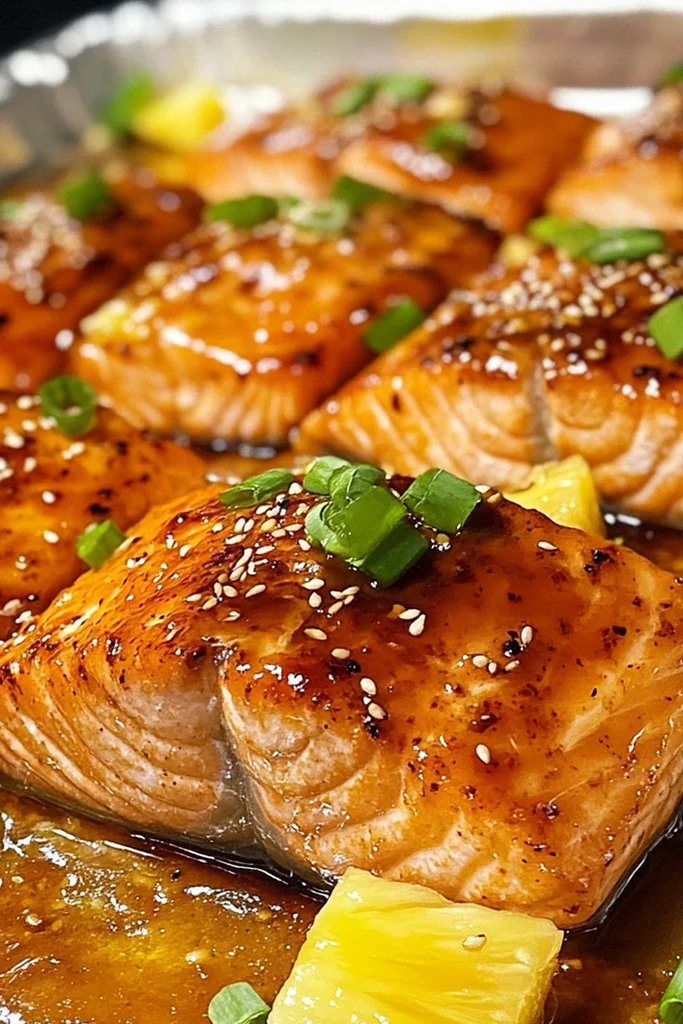
List of ingredients
- 4 salmon fillets (about 6 oz each) – select fresh, wild-caught fillets for the best texture
- 1 cup pineapple chunks (fresh or canned, drained) – drain canned chunks thoroughly to avoid excess moisture
- ½ cup pineapple juice – use 100% juice for a pure tropical flavor
- ¼ cup soy sauce (or coconut aminos for a gluten-free option) – provides the essential salty balance
- 2 tablespoons honey or brown sugar – adds sweetness and helps the glaze caramelize
- 1 tablespoon olive oil – keeps the fish moist during the baking process
- 1 tablespoon fresh lime juice – adds acidity to cut through the richness of the salmon
- 2 teaspoons minced garlic – adds a savory, aromatic depth
- 1 teaspoon grated ginger – provides a subtle zing and warmth
- ½ teaspoon red pepper flakes (optional) – adds a hint of heat for those who prefer a spicy kick
- ½ teaspoon salt – enhances all other flavors in the marinade
- ¼ teaspoon black pepper – adds a mild earthy spice
- 2 green onions, chopped – used as a fresh garnish for color and flavor
- Sesame seeds (optional) – provides a slight crunch and visual appeal as a garnish
step-by-step instructions
- Prepare the oven: Preheat your oven to 375°F (190°C). Line a baking sheet with parchment paper or aluminum foil to ensure easy cleanup.
- Whisk the marinade: In a medium mixing bowl, combine the pineapple juice, soy sauce, honey, olive oil, lime juice, minced garlic, grated ginger, red pepper flakes, salt, and black pepper. Whisk until the honey or sugar is fully dissolved.
- Marinate the fish: Place the salmon fillets on the prepared baking sheet. Pour half of the prepared marinade over the fillets, ensuring they are evenly coated. Let them sit for 10-15 minutes to allow the flavors to penetrate.
- Add pineapple and bake: Scatter the pineapple chunks around the salmon fillets on the baking sheet. Bake in the oven for 15-18 minutes, or until the salmon flakes easily with a fork.
- Caramelize the glaze: For a deeper flavor and charred appearance, switch the oven to the broiler setting for the final 2-3 minutes. Monitor closely to prevent the sugars from burning.
- Garnish and serve: Remove the tray from the oven and sprinkle with chopped green onions and sesame seeds. Serve immediately alongside rice, quinoa, or steamed vegetables.
Expert Tips for Perfect Salmon
Selecting the Highest Quality Fillets
Look for salmon with a vibrant, consistent color and firm flesh. The meat should spring back immediately when pressed with your finger. Avoid fillets that have a strong fishy odor or any dull, grayish patches on the surface.
Properly Thawing Frozen Salmon
Move frozen fillets to the refrigerator 24 hours before cooking for a slow, safe thaw. Avoid using warm water or microwave defrost settings, as these can unevenly cook the edges. Pat the thawed fillets dry with paper towels to ensure the marinade adheres better.
Determining the Exact Doneness
Use an instant-read meat thermometer to check the internal temperature at the thickest part of the fillet. Salmon is safely cooked at 145°F (63°C), but many prefer 130-135°F for a more moist, medium texture. Once it reaches your preferred temp, remove it from the heat immediately.
Optimizing the Marinade Time
Marinating for 10 to 15 minutes is ideal for this recipe. Because the marinade contains lime juice and pineapple enzymes, marinating for too long can break down the proteins. This can lead to a mushy texture rather than a firm, flaky finish.
Preventing the Glaze from Burning
The honey and pineapple juice contain high amounts of natural sugar which can burn quickly under a broiler. Keep the oven door slightly ajar or stay right by the oven during the last 3 minutes. Remove the tray as soon as the glaze looks bubbly and golden brown.
Ingredient Substitutions and Alternatives
Gluten-Free Soy Sauce Options
Coconut aminos are an excellent 1:1 substitute for soy sauce for those avoiding gluten or soy. Tamari is another viable option, offering a similar salty profile. Both alternatives maintain the savory balance of the tropical glaze.
Alternative Sweeteners for the Glaze
Maple syrup can be used instead of honey for a deeper, woody sweetness. Brown sugar is a great alternative if you prefer a more caramel-like flavor. Agave nectar also works well as a vegan-friendly liquid sweetener.
Using Different Cooking Oils
While olive oil is standard, avocado oil is a great choice due to its higher smoke point. Grapeseed oil is another neutral option that won’t alter the flavor of the pineapple. Avoid using butter for the marinade as it may separate at high temperatures.
Substituting Fresh Ginger with Powder
If fresh ginger is unavailable, you can use ground ginger powder. Use 1/4 teaspoon of powder for every 1 teaspoon of fresh grated ginger. Note that the powder has a more concentrated, less bright flavor than the fresh root.
Adjusting the Heat Level
For a milder dish, omit the red pepper flakes entirely. To increase the heat, add a teaspoon of Sriracha or a pinch of cayenne pepper to the marinade. Dicing a fresh jalapeño and baking it with the pineapple also adds a fresh spicy element.
Creative Recipe Variations
Adding a Creamy Coconut Twist
Mix two tablespoons of full-fat coconut milk into the marinade for a richer, creamier sauce. This complements the pineapple and gives the dish a more traditional Southeast Asian profile. Reduce the amount of olive oil slightly to balance the extra fat from the coconut.
Incorporating Fresh Herb Infusions
Stir finely chopped cilantro or Thai basil into the glaze before pouring it over the fish. These herbs add a bright, aromatic contrast to the sweet pineapple. You can also add fresh mint for an exceptionally refreshing tropical taste.
Swapping Salmon for Other Proteins
This glaze works perfectly with shrimp or firm white fish like halibut or cod. For shrimp, reduce the baking time to 6-8 minutes to avoid overcooking. For chicken breasts, slice them thinly and increase the baking time to 20-25 minutes.
Creating a One-Pan Vegetable Meal
Add sliced bell peppers, zucchini, or asparagus to the baking sheet alongside the salmon. These vegetables roast in the pineapple glaze and absorb the savory flavors. Ensure the vegetables are cut into uniform pieces for even cooking.
Using Different Fruit Combinations
Try substituting some of the pineapple chunks with fresh mango or peach slices. Mango adds a buttery sweetness that pairs well with the ginger and lime. Peaches provide a softer texture and a different kind of summer sweetness.
Serving and Pairing Recommendations
Choosing the Best Grain Base
Fluffy jasmine rice is the classic choice as it absorbs the extra glaze efficiently. Quinoa provides a nuttier flavor and more protein for a healthier alternative. Brown rice or wild rice also work well for those seeking more fiber.
Complementary Vegetable Sides
Steamed broccoli or snap peas add a crisp texture and a pop of green to the plate. Roasted bok choy with a drizzle of sesame oil pairs perfectly with the tropical flavors. Sautéed spinach with garlic is another quick and nutritious option.
Fresh Salad Pairings
A cucumber and avocado salad with a rice vinegar dressing provides a refreshing contrast. A slaw made with shredded cabbage, carrots, and a lime-honey dressing complements the sweetness of the fish. Add toasted almonds to the salad for extra crunch.
Plating for a Professional Look
Place the salmon fillet centrally on the plate and arrange the roasted pineapple chunks around it. Drizzle any remaining pan juices over the top of the fish. Finish with a generous sprinkle of green onions and sesame seeds for a vibrant presentation.
Storage, Reheating, and Make-Ahead Advice
Refrigerator Storage Guidelines
Store leftover salmon and pineapple in an airtight container in the refrigerator for up to 3 days. Keep the fish and the pineapple together so the salmon stays moist. Ensure the container is fully sealed to prevent the fish from absorbing other fridge odors.
Freezing the Finished Dish
While salmon can be frozen, the texture of the cooked fish and pineapple may change upon thawing. If freezing, wrap the portion tightly in foil and place it in a freezer-safe bag for up to 2 months. Thaw completely in the fridge before reheating.
Reheating Without Drying the Fish
Avoid using a microwave on high heat, as this often makes salmon rubbery. Instead, place the salmon in a 250°F (120°C) oven for 10-12 minutes. Add a splash of water or extra pineapple juice to the pan to create steam and maintain moisture.
Preparing the Marinade in Advance
The marinade can be made up to 48 hours in advance and stored in a jar in the refrigerator. This allows the garlic and ginger flavors to meld and intensify. Shake the jar well before use as the honey and oil may separate.
Troubleshooting Common Cooking Issues
Fixing a Glaze That is Too Salty
If the marinade tastes too salty, add an extra tablespoon of honey or a squeeze of more lime juice. The sweetness and acidity will help neutralize the saltiness of the soy sauce. You can also add a tablespoon of water to dilute the concentration.
Solving the Problem of Dry Salmon
Dry salmon is usually a result of overcooking or using fillets that are too thin. Use a timer and check the fish 2-3 minutes before the minimum suggested time. If the fish is already dry, serve it with an extra side of simmered marinade sauce.
Preventing Burnt Pineapple Chunks
Pineapple chunks may brown faster than the salmon depending on their size. Place larger chunks of pineapple on the tray and smaller ones further from the heat source. If the pineapple browns too quickly, cover the tray loosely with foil.
Managing Excess Liquid on the Pan
If there is too much liquid on the baking sheet, the salmon will steam rather than roast. To fix this, pour the remaining marinade into a small saucepan. Simmer it over medium heat for 5 minutes until it thickens into a syrup and drizzle it over the cooked fish.
Frequently Asked Questions
How do I know when the salmon is fully cooked?
The salmon is done when the flesh changes from translucent to opaque and flakes easily when pressed with a fork. For precision, use a thermometer to ensure it has reached an internal temperature of 145°F (63°C).
Can I use canned pineapple instead of fresh?
Yes, canned pineapple is a convenient substitute. However, it is crucial to drain the chunks and juice thoroughly to prevent the marinade from becoming too watery. Canned pineapple is often sweeter than fresh, so you may reduce the honey slightly.
Is this recipe suitable for meal prep?
Yes, this dish is excellent for meal prep. Divide the salmon and pineapple into containers with a portion of rice and steamed vegetables. It stays fresh for 3 days and reheats well if done at a low temperature.
Can I make this recipe on a grill?
Absolutely. Grill the salmon over medium heat for about 5-6 minutes per side. Brush the glaze onto the fish every few minutes during the grilling process to build up a thick, caramelized layer. Grill the pineapple chunks separately for 2 minutes per side.
Print
Tropical Glazed Baked Salmon with Pineapple
- Total Time: 35 minutes
- Yield: 4 servings 1x
- Diet: Gluten Free
Description
A deliciously unique recipe combining salmon with sweet pineapple for a savory and tangy dish.
Ingredients
- 4 salmon fillets (about 6 oz each)
- 1 cup pineapple chunks (fresh or canned, drained)
- ½ cup pineapple juice
- ¼ cup soy sauce (or coconut aminos for a gluten-free option)
- 2 tablespoons honey or brown sugar
- 1 tablespoon olive oil
- 1 tablespoon fresh lime juice
- 2 teaspoons minced garlic
- 1 teaspoon grated ginger
- ½ teaspoon red pepper flakes (optional, for heat)
- ½ teaspoon salt
- ¼ teaspoon black pepper
- 2 green onions, chopped (for garnish)
- Sesame seeds (for garnish, optional)
Instructions
- Preheat: Preheat oven to 375°F (190°C). Line a baking sheet with parchment paper or foil for easy cleanup.
- Make the marinade: In a bowl, whisk together pineapple juice, soy sauce, honey, olive oil, lime juice, garlic, ginger, red pepper flakes, salt, and black pepper.
- Marinate the salmon: Place the salmon fillets on the baking sheet and pour half of the marinade over them. Let sit for 10-15 minutes (optional but recommended).
- Bake: Arrange pineapple chunks around the salmon. Bake for 15-18 minutes, depending on thickness, or until salmon flakes easily with a fork.
- Broil for caramelization (optional): Turn on the broiler for the last 2-3 minutes to caramelize the glaze slightly.
- Serve: Garnish with chopped green onions and sesame seeds. Serve warm with rice, quinoa, or steamed veggies.
Notes
Grilled Version: Instead of baking, grill the salmon over medium heat for about 5 minutes per side. Extra Glaze: Simmer the remaining marinade in a saucepan for 5 minutes until slightly thickened. Drizzle over the salmon before serving. Spicy Kick: Add sriracha or extra red pepper flakes for more heat. Vegetable Add-Ins: Bake with bell peppers, asparagus, or zucchini for a one-pan meal.
- Prep Time: 15 minutes
- Cook Time: 20 minutes
- Category: Main Dish
- Method: Baking
- Cuisine: American
Nutrition
- Serving Size: 1 salmon fillet with pineapple
- Calories: 320 kcal
- Sugar: 15 g
- Sodium: 720 mg
- Fat: 10 g
- Saturated Fat: 2 g
- Unsaturated Fat: 7 g
- Trans Fat: 0 g
- Carbohydrates: 28 g
- Fiber: 1 g
- Protein: 28 g
- Cholesterol: 68 mg