This versatile dry rub is designed to enhance the natural flavor of chicken while adding a caramelized crust. It is a quick preparation that works perfectly for various cuts and cooking methods.

List of ingredients
- 2 tablespoons brown sugar – helps the meat caramelize and adds a hint of sweetness.
- 1 tablespoon paprika – provides a rich red color and mild earthy flavor.
- 2 teaspoons dried oregano – adds a traditional herbal aroma.
- 1 teaspoon garlic powder – delivers a concentrated savory punch.
- 1 teaspoon salt – enhances all other spices and helps tenderize the meat.
- ½ teaspoon onion powder – complements the garlic for a balanced base.
- ½ teaspoon black pepper – adds a subtle, sharp spice.
- ¼ teaspoon cayenne pepper – introduces a mild kick of heat.
step-by-step instructions
- Combine all ingredients in a small bowl and whisk or stir until well blended.
- Generously rub the mixture over chicken thighs, breasts, drumsticks, tenders, or a whole chicken before cooking. You can first rub some olive oil over the chicken to help the rub stick to the meat better.
- For the most flavor, let the rub marinate on the meat for 1 hour (and up to 12 hours) in the refrigerator before cooking. Discard any rub that has come in contact with raw chicken or your hands when rubbing on the chicken.
- Cook chicken as desired, such as in the oven, on the grill or in an air fryer, Instant Pot or slow cooker.
Spice Blend Customizations
Add Chili Powder for Tex-Mex Flavor
Incorporate 2 teaspoons of chili powder into the mix to shift the profile toward a Southwestern style. This adds a deeper, earthier heat and a more complex pepper flavor that pairs well with lime juice.
Swap to Smoked Paprika for a Woody Aroma
Replacing standard paprika with smoked paprika introduces a charred, bonfire-like quality to the meat. This is particularly effective for oven-baked chicken that doesn’t get a natural char from a flame.
Substitute Italian Seasoning for Oregano
If you prefer a more complex herbal blend, use Italian seasoning in place of the dried oregano. This typically includes basil, rosemary, and thyme, which provide a Mediterranean flavor profile.
Reduce Sugar for a Savory Profile
For those preferring a less sweet rub or following a low-carb diet, you can omit the brown sugar entirely. Note that the chicken will not caramelize as deeply, resulting in a lighter exterior color.
Increase Cayenne for More Heat
The current recipe uses a small amount of cayenne to remain family-friendly. To create a spicy rub, increase the cayenne pepper to ½ or 1 teaspoon depending on your heat tolerance.
Best Application Methods
Pat the Meat Dry First
Use paper towels to remove excess moisture from the surface of the chicken before applying any oil or spices. Dry skin allows the rub to adhere more effectively and helps the skin crisp up during cooking.
Apply Olive Oil as a Binder
Rubbing a thin layer of olive oil over the chicken acts as a glue for the dry spices. This prevents the seasoning from falling off during the flipping or turning process on a grill or pan.
Season Under the Skin
When preparing whole chickens or skin-on thighs, gently lift the skin and rub the seasoning directly onto the meat. This ensures the flavor penetrates the muscle rather than just sitting on the surface of the skin.
Calculate Rub Ratio by Weight
Use approximately 1 tablespoon of the seasoning mix per pound of chicken meat. Smaller pieces like wings or tenders have more surface area and may require a slightly higher ratio to ensure full coverage.
Recommended Cooking Techniques
Baking in the Oven
Preheat your oven to 400°F (200°C) for chicken breasts or thighs. Bake until the internal temperature reaches 165°F (74°C), allowing the brown sugar in the rub to create a golden-brown crust.
Grilling for a Charred Finish
Use medium-high heat on the grill to sear the chicken. The sugars in the rub can burn if the heat is too high, so monitor the meat closely and move it to indirect heat if it browns too quickly.
Air Frying for Crispy Results
Place seasoned chicken in the air fryer basket at 375°F (190°C). The rapid air circulation helps the rub set and creates a crisp exterior while keeping the inside juicy.
Slow Cooking for Tenderness
Apply the rub to chicken thighs or a whole chicken before placing them in the slow cooker. Cook on low for 6-8 hours, allowing the spices to permeate the meat slowly for deep flavor.
Pressure Cooking in an Instant Pot
For the best results, sear the seasoned chicken using the sauté function first. Then, pressure cook as usual to lock in the flavors and ensure the meat is tender and succulent.
Preservation and Storage Guide
Use Airtight Storage Containers
Store the unused seasoning blend in a glass jar with a tight lid or a heavy-duty zip-top bag. This prevents moisture from entering the container, which would cause the brown sugar to clump.
Keep Spices in a Cool Dry Place
Avoid storing the rub above the stove or near the dishwasher where heat and steam are common. A cool pantry or a dedicated spice drawer is ideal for maintaining the potency of the herbs.
Implement Clear Labeling
Label your container with the name of the rub and the date it was mixed. Because many dry rubs look similar, clear labels prevent confusion with other spice blends like taco or cajun seasoning.
Monitor the Six-Month Shelf Life
Homemade blends generally maintain their peak flavor for about six months. After this period, the volatile oils in the oregano and paprika may fade, and the rub should be replaced.
Common Questions and Troubleshooting
Can I use this rub on other meats?
Yes, this blend works well on any lean meat, including turkey or lean cuts of beef. The balance of sugar, salt, and paprika is universal for most roasted or grilled proteins.
Why is my rub burning during cooking?
The brown sugar can scorch if exposed to direct, high heat for too long. Lower the temperature or move the meat to a cooler part of the grill to prevent the sugar from turning bitter.
How do I prevent the spices from clumping?
Ensure all ingredients are completely dry before mixing. If clumping occurs during storage, simply shake the container vigorously or whisk the blend again before use.
Is it safe to reuse leftover rub?
Never reuse seasoning that has touched raw meat or raw chicken. Once the rub has come into contact with raw poultry, it must be discarded to avoid cross-contamination and foodborne illness.
Can I make this rub in a large batch?
This recipe scales easily by doubling or tripling the measurements. Store the larger batch in a sealed container to keep the ingredients fresh for several months.
Does the marination time really matter?
While you can cook the chicken immediately, marinating for 1 to 12 hours allows the salt to penetrate the meat. This process breaks down proteins and results in a more tender and flavorful finished product.
What is the best oil to use as a binder?
Olive oil is recommended for its flavor and health benefits, but avocado oil is a great alternative for high-heat grilling due to its higher smoke point.
Can I use this rub for poached chicken?
This rub is best suited for dry-heat methods like roasting or grilling. For poaching, it is better to add the spices directly to the simmering liquid rather than rubbing them on the meat.
Print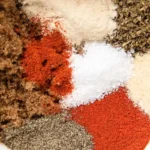
The Ultimate Savory Chicken Seasoning Rub
- Total Time: 5 minutes
- Yield: 5 tablespoons 1x
- Diet: Gluten Free, Dairy Free
Description
This Chicken Seasoning is a simple way to add the best flavor to chicken! You can mix up this easy rub recipe in just minutes. Perfect for seasoning chicken breasts, chicken thighs, whole chicken, chicken legs, tenders, grilled chicken, baked chicken and more!
Ingredients
- 2 tablespoons brown sugar
- 1 tablespoon paprika
- 2 teaspoons dried oregano
- 1 teaspoon garlic powder
- 1 teaspoon salt
- ½ teaspoon onion powder
- ½ teaspoon black pepper
- ¼ teaspoon cayenne pepper
Instructions
- Step 1: Combine all ingredients in a small bowl and whisk or stir until well blended.
- Step 2: To use, generously rub over chicken thighs, breasts, drumsticks, or tenders or a whole chicken before cooking. You can first rub some olive oil over the chicken to help the rub stick to the meat better.
- Step 3: For the most flavor, let the rub marinate on the meat for 1 hour (and up to 12 hours) in the refrigerator before cooking. Discard any rub that has come in contact with raw chicken or your hands when rubbing on the chicken.
- Step 4: Cook chicken as desired, such as in the oven, on the grill or in an air fryer, Instant Pot or slow cooker.
Notes
Recipe makes enough rub to season about 5 pounds of chicken breasts or thighs. A rule of thumb is to use about 1 tablespoon of rub per pound of chicken. Store extra chicken seasoning rub in an airtight container for up to 6 months in a cool, dry place.
- Prep Time: 5 minutes
- Cook Time: 0 minutes
- Category: Seasoning
- Method: Mixing
- Cuisine: American
Nutrition
- Serving Size: 1/2 tablespoon
- Calories: 14 kcal
- Sugar: 2 g
- Sodium: 234 mg
- Fat: 1 g
- Saturated Fat: 1 g
- Unsaturated Fat: 0 g
- Trans Fat: 0 g
- Carbohydrates: 3 g
- Fiber: 1 g
- Protein: 1 g
- Cholesterol: 0 mg