This hearty Southern classic combines savory, Cajun-seasoned shrimp with rich, creamy cheddar grits. It is a quick-cooking meal that delivers deep, bold flavors in a short amount of time.
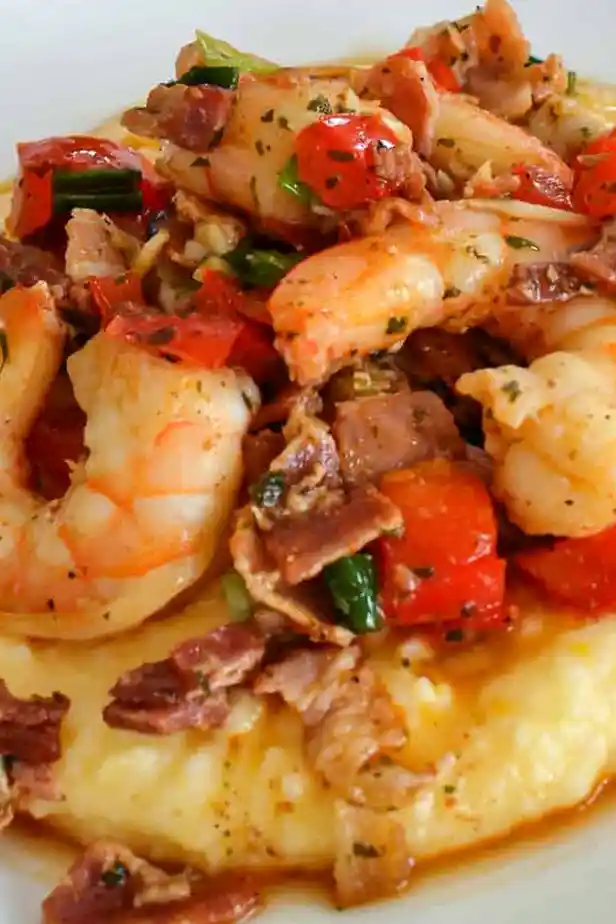
List of ingredients
- 1 cup quick cooking grits – provides a smooth, creamy base.
- 4 cups water – used for boiling the grits.
- 1/4 teaspoon salt – enhances the natural corn flavor.
- 3 tablespoons butter – adds richness to the grits.
- 2 tablespoons heavy cream – creates a velvety texture.
- 1 1/2 cups shredded sharp cheddar cheese – adds a bold, salty flavor.
- 6 slices smoked turkey bacon – provides a smoky element without pork.
- 1 pound large shrimp – peeled and deveined.
- 2 teaspoons Cajun seasoning – for a classic New Orleans heat.
- 1/8 teaspoon ground cayenne pepper – adds a touch of extra spice.
- 1 tablespoon vegetable oil – used for sautéing vegetables.
- 1 red bell pepper – finely chopped for color and sweetness.
- 3 green onions – chopped for a fresh, oniony bite.
- 3 cloves garlic – minced for aromatic depth.
- 1/4 cup low sodium chicken or vegetable broth – used to deglaze the pan.
- 1 teaspoon Worcestershire Sauce – adds umami and depth.
- 2 teaspoons lemon juice – provides acidity to balance the richness.
step-by-step instructions
- Prepare the grits: Bring water to a boil in a medium saucepan; add the salt and slowly stir in the grits. Cover and cook over low heat for 5-7 minutes until the mixture is smooth and creamy.
- Finish the grits: Remove the pan from the heat. Stir in the butter, heavy cream, and shredded cheddar cheese until fully melted and incorporated.
- Cook the bacon: In a large skillet over medium heat, fry the smoked turkey bacon until it is crispy. Remove the bacon and place it on paper towels to drain, but keep the grease in the pan. Coarsely chop the bacon once it has cooled.
- Sear the shrimp: Add the shrimp to the reserved bacon grease over medium heat. Sprinkle them with Cajun seasoning and cayenne pepper. Flip after one minute and cook for one additional minute, then remove the shrimp to a plate.
- Sauté the vegetables: Add vegetable oil to the same skillet over medium heat. Cook the chopped red pepper for 2-3 minutes until slightly tender.
- Add aromatics: Reduce the heat to medium-low. Add the minced garlic and chopped green onions, cooking for about 1 minute.
- Create the sauce: Pour in the chicken or vegetable broth, Worcestershire sauce, and lemon juice. Stir well to combine all flavors.
- Final combine: Return the cooked shrimp and chopped turkey bacon to the skillet. Heat through for 1 minute.
- Assemble and serve: Spoon the cheesy grits into bowls and top with the shrimp mixture. Serve immediately.
Selecting the Right Type of Grits
Stone Ground Grits for Texture
Stone ground grits are the least processed option, offering a coarser texture and more robust corn flavor. They require a significantly longer cooking time, often up to 40 minutes, so plan your schedule accordingly. Store these in the freezer to maintain freshness.
Quick Cooking Grits for Creaminess
Quick grits are ground finer than stone ground versions, allowing them to cook in 5-7 minutes. They produce a smoother, creamier consistency that pairs perfectly with melted cheese. These are the ideal choice for this specific recipe.
Instant Grits for Speed
Instant grits are precooked and dehydrated, requiring only boiling water to prepare. While convenient, they typically lack the depth of flavor found in quick or stone ground grits. They are best reserved for simple breakfasts rather than main dinner courses.
Shrimp Preparation and Handling
Ensuring Proper Cleaning
Always use shrimp that are peeled and deveined to ensure a professional texture and taste. If buying whole shrimp, remove the digestive tract by making a shallow slit along the back. This prevents any grit or bitterness in the final dish.
Preventing Rubberiness
Shrimp cook very quickly and can become rubbery if overexposed to heat. Sear them for only one to two minutes per side until they turn opaque and curl into a ‘C’ shape. Remove them from the pan immediately to prevent overcooking.
Sourcing Wild-Caught Shrimp
Wild-caught shrimp often provide a more complex, briny flavor compared to farm-raised options. Look for large sizes to ensure they hold up well against the heavy texture of the grits. Freshness can be checked by ensuring the shrimp have a mild, salty scent.
Flavor Customization and Enhancements
Using Different Cheese Varieties
While sharp cheddar is traditional, white cheddar provides a cleaner look and a slightly different tang. For a spicier version, try mixing in a small amount of Pepper Jack cheese. Ensure the cheese is freshly shredded for the smoothest melt.
Adjusting the Heat Levels
Control the spiciness by adjusting the cayenne pepper and Cajun seasoning. For a milder dish, omit the cayenne entirely and use a low-sodium Cajun blend. To increase the heat, add a dash of hot sauce during the final assembly.
Adding Additional Proteins
For a more substantial meal, you can add sliced smoked turkey sausage to the pan. Sauté the sausage with the turkey bacon to infuse the grease with more smoky flavor. This adds a hearty, rustic feel to the seafood dish.
Essential Cooking Tips for Success
Utilizing Bacon Grease
The grease from the smoked turkey bacon contains concentrated flavor that enhances the shrimp. Do not discard this fat; it acts as the primary seasoning vehicle for the seafood. If the pan becomes too dry, add a small amount of vegetable oil.
Searing Seasonings
Apply the Cajun seasoning and cayenne directly to the shrimp while they are in the hot pan. This allows the spices to sear into the protein, creating a flavorful crust. This method is more effective than mixing the shrimp in a bowl before cooking.
Managing the Sauce Consistency
The broth and lemon juice create a light pan sauce that prevents the shrimp from being too dry. If the sauce reduces too quickly, add an extra tablespoon of broth. This ensures the shrimp remain succulent when spooned over the grits.
Dietary Substitutions and Alternatives
Dairy-Free Grit Options
For a dairy-free version, replace the butter with a plant-based butter substitute and the heavy cream with full-fat coconut milk. Use a high-quality vegan cheddar alternative to maintain the cheesy profile. These swaps keep the texture creamy without using animal milk.
Vegetable Broth for Lightness
Using low-sodium vegetable broth instead of chicken broth makes the dish lighter and suitable for various diets. Vegetable broth provides a clean base that lets the lemon and garlic stand out. This is a seamless swap that does not alter the core taste.
Alternative Vegetable Mixes
If red bell peppers are unavailable, green or yellow peppers work equally well. You can also add finely diced celery to the sauté for a more traditional ‘holy trinity’ Cajun base. This adds a subtle earthiness to the sauce.
Serving and Pairing Suggestions
Complementary Side Dishes
Serve this meal with a side of sautéed collard greens to add a bitter, healthy contrast to the rich grits. Sweet potato cornbread is another excellent pairing that complements the smoky notes of the turkey bacon. Fried okra provides a nice textural crunch to the plate.
Fresh Garnish Ideas
Finish the dish with a sprinkle of fresh chopped parsley or sliced scallions for a pop of color. A wedge of fresh lemon on the side allows guests to add more acidity as desired. This brightens the heavy flavors of the cheese and cream.
Non-Alcoholic Beverage Pairings
A cold glass of sweetened iced tea is the quintessential Southern accompaniment. For a more refreshing option, try a sparkling lemonade with a sprig of mint. These drinks cut through the richness of the cheddar and butter.
Storage and Preservation
Refrigeration Guidelines
Store leftover shrimp and grits in an airtight container in the refrigerator for up to 3 days. It is best to store the shrimp mixture and the grits in separate containers. This prevents the grits from absorbing too much of the sauce and becoming mushy.
Cooling Before Storage
Allow the food to cool to room temperature before sealing the container. Placing hot food directly into the fridge can create condensation, which affects the texture of the grits. This also helps maintain the integrity of the shrimp.
Container Selection
Use glass containers for the best results, as they do not retain odors from the garlic and Cajun spices. Ensure the lids are tight to prevent the grits from drying out. A light drizzle of water or milk can be added before reheating.
Reheating Instructions
Microwave Reheating Method
Reheat the grits and shrimp at 50% power in 30-second intervals. Stirring between intervals ensures that the cheese melts evenly and no hot spots develop. This lower power setting prevents the shrimp from becoming rubbery.
Stovetop Reheating Method
Place the grits in a small pot over low heat and stir in a tablespoon of milk or water to restore creaminess. Heat the shrimp mixture in a separate skillet over medium-low heat until warmed through. Combine them in the bowl just before serving.
Avoiding Overcooking during Reheat
The goal of reheating is to warm the food, not to cook it again. Stop heating as soon as the food is warm to the touch. Overheating the shrimp will lead to a tough, chewy texture that ruins the dish.
Freezing and Thawing
Freezing the Grits
Cool the grits completely and place them in a freezer-safe container for up to 3 months. Label the container with the date and contents. Note that the texture may change slightly upon thawing, becoming a bit more granular.
Freezing the Shrimp Mixture
Freeze the cooked shrimp, bacon, and vegetable mixture in a separate freezer-safe bag or container. Squeeze out as much air as possible to prevent freezer burn. This keeps the flavors intact for several months.
Safe Thawing Process
Thaw both components in the refrigerator overnight before reheating. Avoid thawing on the counter to ensure food safety. Once thawed, follow the stovetop reheating method for the best results.
Troubleshooting Common Issues
Fixing Clumpy Grits
If the grits develop lumps during cooking, whisk them vigorously over low heat. Adding a small splash of warm water or cream can help smooth out the texture. Ensuring the water is at a full boil before adding grits prevents this issue.
Handling Burnt Garlic
Garlic burns quickly and becomes bitter if the heat is too high. Always reduce the temperature to medium-low before adding the minced garlic to the pan. If the garlic burns, it is best to wipe the pan and start the aromatic step over.
Adjusting Thin Grits
If the grits are too runny, simmer them for a few more minutes without the lid. The extra heat allows more water to evaporate, thickening the mixture. Stir frequently to prevent the bottom from scorching.
Dealing with Overcooked Shrimp
If the shrimp have already become rubbery, do not reheat them for a long time. Serve them as quickly as possible and add a bit of extra lemon juice to soften the perceived texture. Use a lower temperature for any future batches.
Frequently Asked Questions
Can I use stone ground grits instead of quick grits?
Yes, you can use stone ground grits, but be aware that they take about 40 minutes to cook. The resulting texture will be coarser and less creamy than the version made with quick grits.
Can this recipe be made without turkey bacon?
Yes, you can omit the turkey bacon entirely. In this case, use olive oil or butter to sauté the shrimp to ensure they have enough fat for searing.
How do I stop my grits from sticking to the pan?
Use a heavy-bottomed saucepan and stir the grits frequently during the simmering process. Adding butter at the end also helps create a non-stick, creamy finish.
What is the best way to devein shrimp?
Use a small paring knife to make a shallow slit along the back of the shrimp. Use the tip of the knife or a toothpick to lift out the dark vein before rinsing with cold water.
Can I substitute the cheddar cheese with another type?
Yes, Gruyère, Monterey Jack, or white cheddar are all excellent substitutes. Choose a cheese that melts well to maintain the signature creamy consistency of the grits.
} Print
Southern-Style Shrimp and Cheesy Grits
- Total Time: 15 minutes
- Yield: 4 servings 1x
- Diet: General
Description
These delectable southern-style Shrimp and Grits are cooked with creole seasoning, red pepper, green onions, plant-based smoked bacon, and garlic over a bed of creamy cheddar grits.
Ingredients
- 1 cup quick cooking grits
- 4 cups water
- ¼ teaspoon salt
- 3 tablespoons butter
- 2 tablespoons heavy cream
- 1½ cups shredded sharp cheddar cheese
- 6 slices plant-based smoked bacon
- 1 pound large shrimp (peeled and deveined)
- 2 teaspoons Cajun seasoning
- ⅛ teaspoon ground cayenne pepper
- 1 tablespoon vegetable oil
- 1 red bell pepper, finely chopped
- 3 green onions, chopped
- 3 cloves garlic, minced
- ¼ cup low sodium vegetable broth
- 1 teaspoon Worcestershire Sauce
- 2 teaspoons lemon juice
Instructions
- Boil: Bring the water to a boil; add the salt and slowly add the grits.
- Simmer: Cover and cook over low heat for 5-7 minutes or until smooth and creamy.
- Finish Grits: Remove from heat, and stir in the butter, cream, and cheddar cheese.
- Cook Bacon: In a large skillet over medium heat, cook plant-based bacon until crispy. Place on paper towels to drain; reserving bacon grease. Coarsely chop bacon once cooled.
- Sear Shrimp: Add shrimp to bacon grease over medium heat. Sprinkle with Cajun seasoning and cayenne pepper. Flip the shrimp after one minute, and cook for an additional minute. Remove to a plate.
- Sauté Vegetables: Add vegetable oil to a skillet over medium heat. Add red pepper and cook until slightly tender for 2-3 minutes.
- Aromatics: Reduce heat to medium-low. Add green onions and garlic and cook for 1 minute.
- Deglaze: Add vegetable broth, Worcestershire Sauce, and lemon juice to the skillet, and stir.
- Combine: Return shrimp and bacon to the skillet and heat for 1 minute.
- Serve: Spoon the cheesy grits into a bowl and add the shrimp mixture. Serve immediately.
Notes
Use high-quality plant-based bacon. Shrimp do not reheat well and can become rubbery, so serve immediately.
- Prep Time: 5 minutes
- Cook Time: 10 minutes
- Category: seafood main meal
- Method: stovetop
- Cuisine: Cajun
Nutrition
- Serving Size: 1 bowl
- Calories: 599 kcal
- Sugar: 3 g
- Sodium: 1615 mg
- Fat: 34 g
- Saturated Fat: 17 g
- Unsaturated Fat: 16.6 g
- Trans Fat: 0.4 g
- Carbohydrates: 37 g
- Fiber: 3 g
- Protein: 38 g
- Cholesterol: 238 mg