This guide provides a straightforward method for achieving perfectly hot-smoked salmon using an electric smoker. The combination of a simple brine and low-temperature smoking creates a tender, flavorful result.

List of ingredients
- 1 gallon water – the base for the curing brine.
- 1/2 cup salt – helps preserve the fish and retain moisture.
- 1/2 cup brown sugar – adds a subtle sweetness and aids in browning.
- 2 lb salmon fillet – the main protein for smoking.
step-by-step instructions
- Prepare the brine: Mix the salt, brown sugar, and water in a large container. Submerge the salmon completely in the liquid, cover with plastic wrap, and refrigerate for at least 4 hours or overnight for maximum flavor.
- Clean and dry: Drain the brine and rinse the salmon fillet under cool running water. Pat the fish completely dry with paper towels to ensure the smoke adheres properly.
- Set up the smoker: Preheat your electric smoker to 250 degrees Fahrenheit. Fill the chip tray with your preferred wood chips and place the salmon on the racks with the skin side facing down.
- Smoke the fish: Close the smoker and cook for 2 to 3 hours. Add additional wood chips as needed throughout the process. Use a meat thermometer to verify the internal temperature has reached 150 degrees Fahrenheit.
- Rest and serve: Carefully remove the salmon from the smoker. Let it rest on the counter for 10 minutes before flaking or slicing for service.
Optimal Wood Chip Selection
Applewood for Mild Sweetness
Applewood provides a subtle, fruity smoke profile that complements the natural oils of the salmon. It is an ideal choice for those who prefer a delicate flavor that does not overpower the fish. This wood creates a light golden color on the exterior.
Hickory for Robust Flavor
Hickory is one of the most popular choices for smoking because it delivers a strong, bacon-like aroma. It creates a bold contrast with the sweetness of the brown sugar brine. Use hickory if you want a traditional, heavy smoke taste.
Oak for Traditional Smoke
Oak offers a medium smoke intensity that is well-balanced and classic. It provides a clean smoke flavor that works across various types of salmon, whether wild or farmed. It is a versatile option for consistent results.
Cherry Wood for Color and Taste
Cherry wood imparts a deep reddish hue to the fish, making the presentation more appealing. The flavor is mildly sweet and slightly tart, which pairs well with the richness of the salmon. It is often mixed with hickory for a balance of color and strength.
Brining Essentials and Logic
The Purpose of Brining
Brining involves soaking the fish in a salt and sugar solution to change the protein structure. This process allows the salmon to retain more moisture during the smoking process, preventing it from becoming dry. It also seasons the meat deeply from the inside out.
Managing Brine Duration
A minimum of 4 hours is required to penetrate the fillet, but overnight brining is superior. Longer soaking times result in a more uniform cure and a firmer texture. Avoid brining for more than 24 hours, as the fish may become overly salty.
The Necessity of Rinsing
Rinsing the salmon after brining removes excess salt from the surface. This prevents the exterior of the fish from tasting too salty upon the first bite. It also cleans off any residue that might interfere with the smoke absorption.
The Importance of Patting Dry
Moisture on the surface of the fish creates steam, which can block the smoke from penetrating the meat. Patting the salmon completely dry with paper towels ensures a better “bark” and more efficient smoke uptake. This step is critical for the correct texture.
Thermal Management for Hot Smoking
Maintaining the 250 Degree Threshold
Keeping the smoker at a steady 250 degrees Fahrenheit ensures the fish cooks through without boiling. This temperature is high enough to cook the salmon safely but low enough to preserve the delicate fats. Consistency in temperature prevents the fish from toughening.
Using a Digital Meat Thermometer
Internal temperature is the only reliable way to determine doneness. Insert a digital probe into the thickest part of the fillet to avoid guesswork. This prevents the common mistake of relying solely on time, which can vary by smoker.
Identifying the 150 Degree Finish
Pulling the salmon at 150 degrees Fahrenheit ensures a moist, flaky texture. If the fish exceeds this temperature, it may become chalky or dry. The carry-over heat during resting will bring the final temperature up slightly.
The Role of Resting the Meat
Allowing the salmon to rest for 10 minutes lets the juices redistribute throughout the fillet. Cutting into the fish immediately can lead to moisture loss on the cutting board. Resting ensures every flake remains juicy.
Electric Smoker Guidance
Operating a Traeger Grill
Traeger smokers offer precise temperature control and integrated pellet systems for consistent smoke. Their higher design makes it easier to access the racks without bending. Use the digital controller to maintain a steady 250 degree environment.
Using a Masterbuilt Smoker
Masterbuilt smokers are often more affordable and excellent for beginners. They typically use a water pan to help regulate heat and add humidity to the cooking chamber. Ensure the water pan is filled to prevent the fish from drying out.
Improving Airflow Efficiency
Ensure the smoker is not overcrowded, allowing smoke to circulate around the entire fillet. Proper airflow prevents cold spots where the fish might undercook. Position the salmon centrally on the racks for the most even heat distribution.
Managing Wood Chip Refills
Check the chip tray every hour to ensure smoke is still being produced. Once the chips stop smoldering, the flavor profile will plateau. Adding fresh chips periodically maintains a consistent smoky aroma throughout the 3-hour cook.
Selecting the Right Salmon
Wild-Caught vs Farmed Fillets
Wild-caught salmon typically has a deeper flavor and a leaner profile. Farmed Atlantic salmon is generally fattier, which can make it more forgiving during the smoking process. Both options work well, provided the fillet is fresh.
Handling Frozen Fillets
If using frozen salmon, thaw it completely in the refrigerator before starting the brining process. Brining frozen fish is ineffective as the salt cannot penetrate the ice crystals. Ensure the fish is at room temperature before it enters the smoker.
Consistency Across Different Fillet Sizes
Because salmon fillets have a relatively uniform thickness, cooking times remain consistent regardless of the total weight. Whether smoking 2 pounds or 4 pounds, the time to reach 150 degrees Fahrenheit remains similar. Focus on internal temperature rather than weight.
Managing High Fat Content
Very fatty fillets can stick to the smoker racks during the process. If the fish is exceptionally oily, consider using a rack with a non-stick coating. Alternatively, placing a few lemon slices under the fish can act as a natural barrier.
Preservation and Storage
Refrigeration Guidelines
Store smoked salmon in an airtight glass or plastic container to prevent it from absorbing other fridge odors. When cooled properly, hot-smoked salmon remains fresh for up to 10 days. Keep it in the coldest part of the refrigerator.
Using Airtight Containers
Vacuum-sealed bags are the most effective way to prevent oxidation and prolong freshness. If vacuum sealing is not available, a tight-fitting lid on a container is necessary. This prevents the fish from drying out due to air exposure.
Long-term Freezer Storage
Hot-smoked salmon can be frozen for up to 6 months without significant loss of quality. Wrap the fish tightly in freezer-grade foil or plastic wrap before placing it in a freezer bag. This prevents freezer burn on the delicate edges.
Proper Thawing Methods
Always thaw frozen smoked salmon slowly in the refrigerator overnight. Rapid thawing in the microwave can cook the edges of the fish and ruin the texture. Once thawed, the salmon can be eaten cold or gently reheated.
Serving Suggestions
Incorporating Flakes into Salads
Flaked smoked salmon adds a rich, salty element to mixed greens or kale salads. Pair it with a lemon-vinaigrette to cut through the richness of the fish. It also works well in a potato salad for a gourmet twist.
Topping for Pasta Dishes
Place pieces of smoked salmon atop a creamy garlic or lemon-butter pasta. The smoke flavor pairs exceptionally well with parmesan cheese and fresh parsley. Add the salmon at the very end to avoid overcooking it.
Creating Gourmet Sandwiches
Use sliced smoked salmon on toasted sourdough with a spread of cream cheese and capers. Add thin slices of red onion and cucumber for a refreshing crunch. This makes for a high-protein lunch or brunch option.
Pairing with Dipping Sauces
Serve the salmon with a side of honey-mustard or a dill-yogurt sauce. The acidity in these sauces complements the smokiness of the fish. A simple squeeze of fresh lemon juice is also a classic and effective pairing.
Troubleshooting Common Issues
Preventing Rack Adhesion
If the fish sticks to the grill, it is often due to the proteins bonding with the metal during heating. Lightly oiling the racks with a high-smoke-point oil can prevent this. Using lemon slices as a base is another practical solution.
Avoiding Overcooked Salmon
Overcooking happens when the fish stays in the smoker too long or the temperature spikes. Once the center reaches 150 degrees, remove it immediately. The fish will continue to cook slightly while resting, so precision is key.
Fixing Weak Smoke Flavor
Weak flavor usually results from using old wood chips or poor airflow. Ensure you are using fresh, seasoned hardwoods and that the smoker is fully preheated. Adding a small amount of water to the chips can sometimes help them smolder longer.
Correcting Uneven Cooking
Unevenly cooked fillets are often caused by placing the fish too close to the heat source. Ensure there is adequate space between the heat element and the rack. Rotate the fillet halfway through the cooking process if your smoker has hot spots.
Frequently Asked Questions
Can I skip the brining process?
You can skip brining, but the salmon will likely be drier and less flavorful. Brining is the secret to the moist, tender texture characteristic of professional smoked fish.
What is the difference between hot and cold smoking?
Hot smoking cooks the fish completely using heat, resulting in a texture similar to baked salmon. Cold smoking is a curing process that happens at very low temperatures, resulting in a translucent, sliceable texture like lox.
Do I need to remove the skin?
Keep the skin on during the smoking process. It acts as a protective layer that prevents the bottom of the fillet from drying out and makes it easier to lift the fish off the racks.
Can I use a different sugar in the brine?
Yes, maple sugar or honey can be used as a replacement for brown sugar. These alternatives will change the flavor profile slightly, offering a more distinct woody or floral sweetness.
Print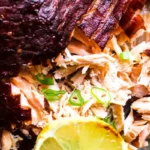
Smoked Salmon for Electric Smokers
- Total Time: 7 hours 10 minutes
- Yield: 8 servings 1x
- Diet: General
Description
Try this delicious and super easy recipe for smoked salmon. This is a hot smoked salmon method that can be used in any electric smoker like Traeger or Masterbuilt.
Ingredients
- 1 gallon water
- 1/2 cup salt
- 1/2 cup brown sugar
- 2 lb salmon fillet
Instructions
- Brine: Create a brine by mixing salt, sugar and water in a large container. Place salmon in and make sure its covered completely in liquid. Cover with plactic wrap and place in the fridge for at least 4 hour, better overnight.
- Prepare: Drain the brine and rinse salmon under the running water. PAT DRY.
- Preheat: Preheat smoker to 250 degrees Fahrenheit. Load with your favorite wood chips and place salmon inside on the racks, skin side down.
- Smoke: Close the smoker and let it cook for 2-3 hours. Add more chips as needed. Check the internal temperature to make sure its 150 degrees Fahrenheit.
- Rest: Once done, pull the fish carefully from the smoker and let it sit on the counter for 10 minutes.
Notes
Serving size is 4 oz. You can create a padding by using lemon slices to prevent the fish from sticking to the racks.
- Prep Time: 10 minutes
- Cook Time: 3 hours
- Category: Main Course
- Method: Smoking
- Cuisine: American
Nutrition
- Serving Size: 4 oz
- Calories: 213 kcal
- Sugar: 13 g
- Sodium: 21297 mg
- Fat: 7 g
- Saturated Fat: 1 g
- Unsaturated Fat: 6 g
- Trans Fat: 0 g
- Carbohydrates: 13 g
- Fiber: 0 g
- Protein: 23 g
- Cholesterol: 62 mg