Enjoy a rich, layered pasta dish without the effort of boiling noodles or using the oven. This slow cooker meal provides a hearty, cheesy dinner that is perfect for busy weeknights.
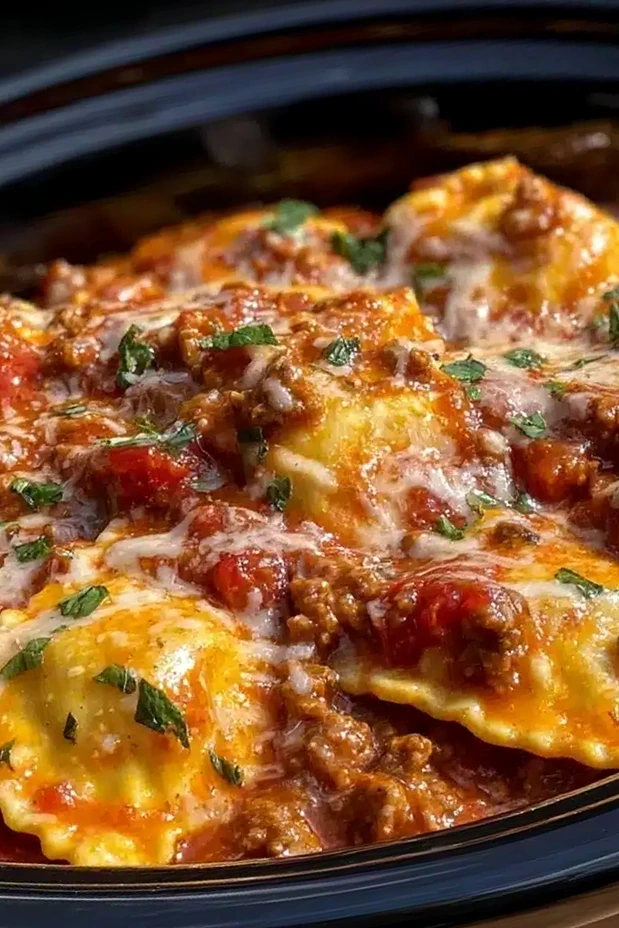
List of ingredients
- 1.5 pounds frozen cheese ravioli – use small or medium sizes for even cooking.
- 4 cups marinara sauce – a high-quality jarred sauce or homemade version.
- 1 cup ricotta cheese – whole-milk ricotta provides the best creamy texture.
- 2 cups shredded mozzarella cheese – freshly shredded melts more smoothly.
- 1/2 cup grated parmesan cheese – adds a sharp, nutty flavor to the top.
- 1 large egg – acts as a binder for the ricotta mixture.
- A handful fresh basil leaves, chopped – adds a fresh, aromatic element.
- 2 cloves garlic, minced – provides essential savory depth.
- 1 teaspoon Italian seasoning – a blend of oregano, thyme, and rosemary.
- Salt and pepper to taste – adjust based on the saltiness of your sauce.
- 1 tablespoon olive oil – used to grease the pot and prevent sticking.
step-by-step instructions
- Prepare the Pot: Lightly grease the interior of the slow cooker with olive oil to ensure the cheese does not stick to the sides.
- Mix the Ricotta: In a mixing bowl, stir together the ricotta cheese, egg, Italian seasoning, minced garlic, salt, and pepper until the mixture is smooth.
- Create the Base: Spread approximately 1 cup of marinara sauce evenly across the bottom of the crockpot.
- Layer Pasta: Arrange the frozen ravioli in a single layer over the sauce.
- Add Ricotta: Dollop half of the ricotta mixture over the ravioli and spread it gently with a spatula.
- Add First Cheese Layer: Sprinkle one-third of the shredded mozzarella and a few chopped basil leaves over the ricotta.
- Repeat Layers: Repeat the sequence by adding more sauce, ravioli, ricotta, mozzarella, and basil.
- Final Topping: Finish the dish by spreading the remaining sauce on top, followed by the remaining mozzarella and parmesan cheese.
- Slow Cook: Cover the pot and cook on LOW for 3 to 4 hours or on HIGH for 1.5 to 2 hours until the sauce bubbles and the ravioli is tender.
- Rest the Dish: Let the lasagna sit undisturbed for 10 minutes before serving to allow the layers to set for easier slicing.
Maximizing Slow Cooker Performance
Managing Heat Loss
Avoid lifting the lid of the slow cooker during the cooking process. Every time the lid is removed, a significant amount of trapped heat escapes, which can increase the total cooking time by 20 to 30 minutes. If you need to check the tenderness of the ravioli, do so quickly and replace the lid immediately.
Optimizing Layer Placement
Ensure the ravioli are laid in a single layer rather than clumped together. Proper spacing allows the marinara sauce to circulate around each piece of pasta, preventing dry spots. Even layering also ensures that the ricotta and mozzarella are distributed uniformly in every bite.
Controlling Liquid Levels
If you notice the sauce is too thin or watery toward the end of the cooking time, remove the lid for the final 15 to 20 minutes. This allows excess moisture to evaporate and thickens the sauce. Be careful not to over-reduce, as the pasta needs some moisture to remain tender.
Choosing the Correct Crockpot Size
A 5 to 6-quart slow cooker is ideal for this quantity of ingredients. If the pot is too small, the ingredients may overflow or cook unevenly. If the pot is too large, the sauce may evaporate too quickly, leading to a dry dish.
Ingredient Selection Guide
Selecting High-Quality Marinara
Choose a marinara sauce with minimal added sugars and a balanced acidity for the best results. A thicker sauce generally holds up better in the slow cooker and prevents the ravioli from becoming too mushy. You can also add a pinch of red pepper flakes to the sauce for a subtle heat.
Choosing the Best Ravioli Fillings
While cheese ravioli is the classic choice, spinach and ricotta ravioli also work exceptionally well in this recipe. Ensure the ravioli are frozen solid before layering, as this helps them maintain their structure during the slow cooking process. Avoid oversized ravioli, which may not cook evenly in the center.
The Role of Whole Milk Ricotta
Whole milk ricotta is recommended over part-skim versions because the higher fat content creates a richer, creamier texture. The fat also helps the ricotta maintain its structure, preventing it from becoming grainy when heated for several hours. Stir it well to remove any lumps before adding the egg.
Comparing Shredded Cheese Types
Freshly shredded mozzarella is superior to pre-shredded varieties because it lacks anti-clumping agents like cellulose. These additives can prevent the cheese from melting into a smooth, gooey consistency. Shredding your own cheese from a block results in a much better stretch and flavor.
Customizing the Flavor Profile
Adding Sautéed Ground Beef
For a meat-heavy version, brown one pound of lean ground beef or Italian sausage in a skillet before adding it to the recipe. Mix the cooked meat directly into the marinara sauce or sprinkle it between the pasta layers. Ensure the meat is fully drained of excess grease to avoid an oily lasagna.
Integrating Sautéed Vegetables
Boost the nutritional value by adding sautéed mushrooms, zucchini, or bell peppers. Sauté these vegetables in olive oil until softened before layering them with the ravioli. Adding them raw can release too much water into the pot, which may make the sauce watery.
Adding Heat with Chili Flakes
If you prefer a spicy kick, stir half a teaspoon of crushed red pepper flakes into the ricotta mixture or the marinara sauce. You can also add sliced jalapeños between the layers for a more intense heat. This cuts through the richness of the cheeses and adds complexity.
Using Pesto for Herbal Depth
For a fusion of flavors, swirl two tablespoons of basil pesto into the marinara sauce before layering. Alternatively, add a thin layer of pesto directly onto the ravioli before the ricotta. This adds a garlicky, herbal note that complements the traditional Italian seasoning.
Dietary Modifications
Implementing Gluten-Free Alternatives
Replace the standard ravioli with gluten-free cheese ravioli to accommodate dietary restrictions. Check the packaging for cooking times, as some gluten-free pastas may soften faster than others. You may need to reduce the cooking time by 30 minutes to avoid overcooking.
Using Plant-Based Cheese Substitutes
Substitute the dairy cheeses with plant-based ricotta and mozzarella alternatives. Almond-based ricotta often provides a similar texture, while coconut-oil based mozzarella melts reasonably well. Be aware that vegan cheeses may require slightly more sauce to achieve a creamy consistency.
Reducing Sodium Content
To lower the sodium, use a low-salt marinara sauce and omit the added salt in the ricotta mixture. You can also substitute the parmesan cheese with a nutritional yeast blend for a salty, cheesy flavor without the high sodium. Fresh herbs can be increased to compensate for the lower salt levels.
Increasing Protein with Lean Meats
In addition to ground beef, sliced grilled chicken breast can be added between layers. Ensure the chicken is pre-cooked and sliced thinly so it heats through evenly without becoming tough. This adds a lean protein boost to the meal.
Serving and Pairing Ideas
Pairing with Bitter Green Salads
The richness of the cheese and pasta is best balanced by a crisp, bitter salad. An arugula salad with lemon vinaigrette or a classic Caesar salad provides a refreshing contrast. The acidity in the dressing helps cleanse the palate between bites of the hearty lasagna.
Serving with Garlic Toasts
Pair the dish with toasted baguette slices brushed with garlic butter and parsley. Bake the bread in the oven at 375°F for 5 to 8 minutes until golden brown. The crunch of the toast complements the soft texture of the slow-cooked ravioli.
Adding Steamed Green Vegetables
Serve the lasagna alongside steamed broccoli, sautéed kale, or roasted asparagus. These vegetables add color to the plate and provide essential vitamins and fiber. Lightly seasoning the vegetables with lemon juice and black pepper keeps them fresh and bright.
Plating Techniques for Clean Slices
To get clean, square slices, use a wide spatula and let the dish rest for at least 10 minutes. Cut the lasagna into portions while it is still in the crockpot, then lift each piece carefully. If the layers are sliding, allow the dish to cool for another five minutes.
Storage and Maintenance
Refrigeration Guidelines
Store leftover ravioli lasagna in an airtight container in the refrigerator for up to 4 days. Ensure the food is cooled slightly before sealing to prevent excessive condensation inside the container. Keep the container on a middle shelf where the temperature is consistent.
Freezing and Thawing Procedures
Freeze individual portions in freezer-safe containers or wrap them tightly in plastic wrap and aluminum foil. The dish will stay fresh for up to 3 months in the freezer. Thaw the lasagna in the refrigerator overnight before reheating for the best quality.
Microwave Reheating Tips
When reheating in the microwave, add a tablespoon of water or a splash of extra marinara sauce to the portion. Cover the dish with a damp paper towel to trap steam, which prevents the pasta from drying out. Heat on medium power in 1-minute intervals until hot.
Oven Reheating for Crispy Tops
For a crisper finish, transfer leftovers to an oven-safe dish and cover with foil. Bake at 325°F for 20 minutes, then remove the foil and broil for 2 to 3 minutes to brown the cheese. This method restores the texture of the melted mozzarella better than the microwave.
Troubleshooting Common Issues
Fixing Mushy Pasta
Mushy pasta usually occurs from overcooking or using too much sauce. To prevent this, strictly follow the timing for your specific slow cooker model. If you find the pasta too soft, try reducing the cook time by 30 minutes in your next batch.
Solving Watery Sauce Problems
Wateriness is often caused by lifting the lid too frequently or adding raw vegetables. Ensure the lid is sealed tight and only open it at the very end. If the sauce is already watery, stir in a small amount of cornstarch slurry or simmer uncovered for a short time.
Dealing with Unmelted Cheese
Unmelted cheese can happen if the slow cooker doesn’t reach a high enough temperature or if you used a very cold block of cheese. Ensure the pot is fully preheated and the lid fits snugly. You can also finish the dish under an oven broiler for 2 minutes to melt the top.
Correcting Bland Flavor
If the dish tastes bland, stir in a teaspoon of balsamic glaze or a squeeze of fresh lemon juice to add acidity. You can also sprinkle additional parmesan cheese or fresh basil on top just before serving. Increasing the garlic in the ricotta mixture also adds more depth.
Frequently Asked Questions
Can I use fresh ravioli instead of frozen?
Yes, fresh ravioli can be used, but they cook much faster than frozen ones. You should reduce the cooking time by approximately 30 to 60 minutes to prevent the pasta from becoming overcooked and mushy.
Do I need to thaw the ravioli before cooking?
No, the ravioli should be added to the slow cooker while still frozen. This slower thawing process allows the pasta to absorb the sauce gradually, which helps maintain the structural integrity of the ravioli.
Can this be made vegan?
Yes, you can make this dish vegan by using plant-based ravioli, vegan marinara, and dairy-free ricotta and mozzarella substitutes. Use a flax egg or a commercial egg replacer in the ricotta mixture to maintain the binding properties.
Is it possible to double this recipe?
You can double the recipe if you have a larger slow cooker (8 quarts or more). If using a standard 6-quart pot, it is better to make two separate batches to avoid overcrowding, which can lead to uneven cooking and watery sauce.
Print
Slow Cooker Ravioli Lasagna
- Total Time: 4 hours 10 minutes
- Yield: 6 servings 1x
- Diet: General
Description
An easy, hearty weeknight dinner that layers frozen ravioli with cheese and marinara sauce in a slow cooker for a comforting lasagna without the oven.
Ingredients
- 1.5 pounds frozen cheese ravioli
- 4 cups marinara sauce
- 1 cup ricotta cheese
- 2 cups shredded mozzarella cheese
- ½ cup grated parmesan cheese
- 1 large egg
- A handful fresh basil leaves, chopped
- 2 cloves garlic, minced
- 1 teaspoon Italian seasoning
- Salt and pepper to taste
- 1 tablespoon olive oil
Instructions
- Step: Lightly grease the inside of your crockpot with olive oil to prevent sticking.
- Step: In a bowl, combine ricotta cheese, egg, Italian seasoning, minced garlic, salt, and pepper. Stir until smooth and creamy.
- Step: Spread about 1 cup of marinara sauce evenly at the bottom of the crockpot.
- Step: Add a layer of frozen ravioli in a single layer.
- Step: Dollop half of the ricotta mixture over the ravioli and spread gently.
- Step: Sprinkle with one-third of the shredded mozzarella and a few basil leaves.
- Step: Repeat layering with sauce, ravioli, ricotta, mozzarella, and basil.
- Step: Finish with the remaining sauce on top, then sprinkle the remaining mozzarella and parmesan cheese evenly over the top.
- Step: Cover and cook on LOW for 3 to 4 hours or HIGH for 1.5 to 2 hours until sauce bubbles and ravioli is tender.
- Step: Let the lasagna sit for about 10 minutes before serving.
Notes
Avoid lifting the lid during cooking to prevent heat loss. If sauce is too watery, uncover for the last 15 minutes to thicken. Use fresh shredded mozzarella for best melt. Let lasagna rest 10 minutes before serving for easier slicing.
- Prep Time: 10 minutes
- Cook Time: 4 hours
- Category: Main Course
- Method: Slow Cooker
- Cuisine: Italian
Nutrition
- Serving Size: 1 serving
- Calories: 450 kcal
- Sugar: 7 g
- Sodium: 700 mg
- Fat: 22 g
- Saturated Fat: 12 g
- Unsaturated Fat: 10 g
- Trans Fat: 0 g
- Carbohydrates: 40 g
- Fiber: 3 g
- Protein: 22 g
- Cholesterol: 85 mg