These slow cooker meatballs combine savory ground beef with a sweet and tangy brown sugar glaze for an effortless meal. They are ideal for serving as a main course or as a party appetizer. This method ensures the meat remains tender while the flavors meld over several hours.
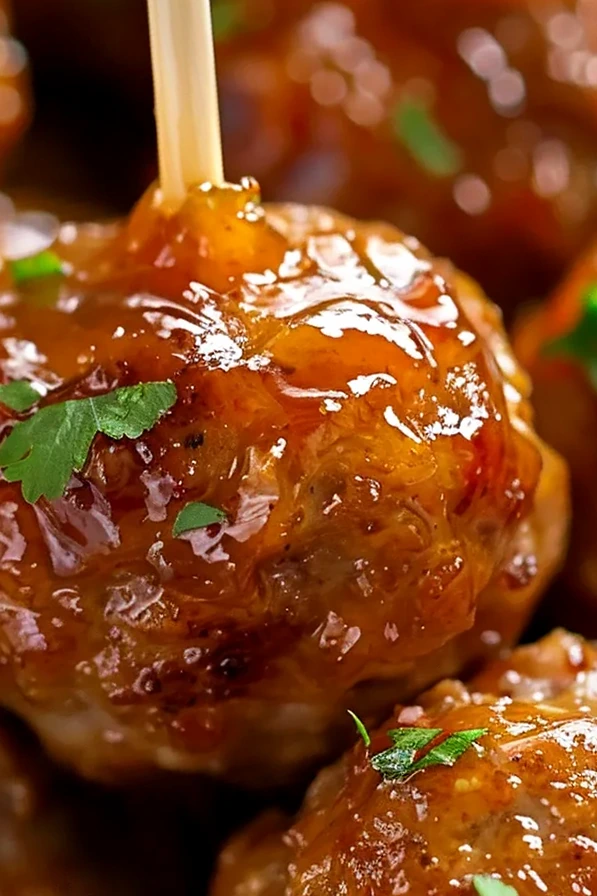
List of ingredients
- 1 lb ground beef – use an 80/20 blend for optimal moisture.
- 1/2 cup breadcrumbs – helps bind the meat and retain juices.
- 1 large egg – acts as the primary binding agent.
- 1/2 cup brown sugar – provides the base sweetness for the glaze.
- 1/4 cup soy sauce – adds saltiness and umami depth.
- 1 tsp garlic powder – provides a consistent earthy flavor.
- 1/2 cup ketchup – creates a tangy thickness and red color.
step-by-step instructions
- Prepare the Meatballs: In a large bowl, combine ground beef, breadcrumbs, and egg. Mix until evenly combined but do not overwork the meat. Form the mixture into 1-inch balls and set aside.
- Create the Glaze: In another bowl, mix together brown sugar, soy sauce, garlic powder, and ketchup until smooth. Adjust seasoning to taste if necessary.
- Assembly: Place meatballs in the slow cooker, ensuring they are in a single layer for even cooking. Pour the glaze over the meatballs, coating them evenly.
- Cook: Set the slow cooker on low for 4-5 hours or high for 2-3 hours. Ensure the meatballs are cooked through and tender.
- Finish: For a thickened glaze, remove meatballs and transfer sauce to a pot. Simmer over medium heat until the desired consistency is reached, then return meatballs to coat.
- Garnish: Optionally, top with fresh parsley or chives before serving to add a fresh contrast to the sweet glaze.
Meatball Texture and Composition
Selecting the Right Beef Fat Ratio
Choose ground beef with a 20% fat content, such as 80/20 ground chuck. The fat prevents the meatballs from drying out during the long slow cooking process. Leaner meats like 90/10 can result in a tougher, drier texture.
Managing the Binding Process
Combine the egg and breadcrumbs thoroughly before adding the meat. This ensures the binder is distributed evenly. Avoid over-mixing the beef, as this can lead to dense, rubbery meatballs.
Optimal Meatball Shaping
Wet your hands with cold water before rolling the meat into 1-inch spheres. This prevents the beef from sticking to your palms. Consistent sizing ensures that all meatballs finish cooking at the same time.
Using Panko for Different Textures
Substitute traditional breadcrumbs with Panko for a lighter internal structure. Panko absorbs the glaze more effectively while keeping the meatball airy. This is a great option for those who prefer a less dense meatball.
Glaze Optimization and Customization
Balancing Sweet and Salty Notes
The ratio of brown sugar to soy sauce is critical for the flavor profile. If the glaze feels too sweet, add an extra teaspoon of soy sauce. If it is too salty, a small pinch of brown sugar can neutralize the taste.
Incorporating Spicy Elements
Add a pinch of crushed red pepper flakes or a teaspoon of Sriracha to the glaze. This adds a subtle heat that cuts through the sweetness of the brown sugar. It transforms the dish into a sweet-and-spicy appetizer.
Adding Citrus for Brightness
Stir in a tablespoon of fresh lemon juice or lime juice before cooking. The acidity brightens the heavy flavors of the beef and sugar. This provides a more balanced palate and prevents the glaze from feeling too cloying.
Enhancing Umami with Worcestershire
Add a teaspoon of Worcestershire sauce to the glaze mixture. This deepens the savory profile and adds a complex, fermented layer of flavor. It pairs exceptionally well with the garlic powder and ketchup base.
Slow Cooker Cooking Techniques
Low vs High Heat Settings
The low setting for 4-5 hours is recommended for the most tender results. Low heat allows the connective tissues in the beef to break down slowly. Use the high setting only if you are short on time, as it can slightly toughen the meat.
Preventing Meatball Sticking
Lightly grease the bottom of the slow cooker insert with oil or a cooking spray. This prevents the sugar in the glaze from caramelizing and sticking to the ceramic. It also makes the final cleanup much easier.
Managing Liquid Levels
Avoid adding extra water or broth to the slow cooker. The beef and ketchup provide enough moisture for the cooking process. Extra liquid will dilute the glaze and prevent it from thickening properly.
Using Slow Cooker Liners
Utilize a heat-safe slow cooker liner for rapid cleanup. Because the glaze contains sugar, it can be difficult to scrub off once cooled. Liners allow you to lift the entire meal out without scrubbing the pot.
Ingredient Substitutions and Dietary Swaps
Leaner Meat Alternatives
Replace ground beef with ground turkey or ground chicken for a lower-fat version. Increase the amount of breadcrumbs slightly to compensate for the lack of fat. Turkey meatballs may require a slightly shorter cooking time on high heat.
Gluten-Free Breadcrumb Options
Use certified gluten-free breadcrumbs or almond meal as a substitute. Almond meal adds a nutty flavor and keeps the meatballs moist. Ensure the soy sauce is replaced with Tamari for a fully gluten-free meal.
Soy-Free Seasoning Alternatives
Substitute soy sauce with coconut aminos for a soy-free alternative. Coconut aminos are naturally sweeter, so you may want to reduce the brown sugar by one tablespoon. This maintains the sweet-savory balance.
Sugar-Free Glaze Adjustments
Use a brown sugar substitute like monk fruit or erythritol for a lower-glycemic option. Be aware that some substitutes do not caramelize the same way as real sugar. You may need to simmer the sauce longer to achieve the desired thickness.
Serving and Pairing Ideas
Starch Pairings for Main Courses
Serve these meatballs over a bed of steamed jasmine rice or mashed potatoes. The starch absorbs the excess glaze, creating a cohesive meal. Garlic-mashed potatoes complement the garlic powder in the recipe perfectly.
Appetizer Presentation Tips
Place the meatballs in a decorative serving bowl with toothpicks inserted into each one. Serve them alongside a platter of sliced cucumbers and carrots for a fresh contrast. This makes them an easy, finger-food option for parties.
Complementary Vegetable Sides
Pair the dish with steamed broccoli or sautéed snap peas. The bitterness of green vegetables balances the sweetness of the brown sugar glaze. A crisp green salad with a vinaigrette also works well to cleanse the palate.
Fresh Garnish Combinations
Use finely chopped parsley or chives to add a pop of color. Toasted sesame seeds can also be sprinkled on top for a nutty flavor and professional look. Freshly sliced green onions provide a mild onion bite that cuts through the richness.
Storage and Reheating Guidelines
Refrigeration Timeline
Store leftover meatballs in an airtight container in the refrigerator for up to 4 days. Keep them submerged in the glaze to prevent the meat from drying out. Ensure the container is completely sealed to avoid absorbing other fridge odors.
Freezing for Future Use
Freeze the cooked meatballs and sauce in a freezer-safe bag or container for up to 3 months. Label the container with the date of preparation. Thaw them in the refrigerator overnight before reheating.
Stovetop Reheating Method
Place the meatballs and glaze in a small saucepan over low heat. Add a splash of water if the sauce has become too thick. Simmer gently until the meatballs are heated through to avoid burning the sugar.
Microwave Reheating Tips
Place meatballs in a microwave-safe dish and cover with a damp paper towel. Heat in 30-second intervals, stirring in between. This prevents the meatballs from becoming rubbery and keeps the glaze evenly distributed.
Troubleshooting Common Issues
Fixing a Runny Glaze
If the sauce is too thin after cooking, transfer it to a saucepan and simmer. Alternatively, mix one teaspoon of cornstarch with a tablespoon of cold water to create a slurry. Stir the slurry into the simmering sauce for a quick thickener.
Correcting Overly Sweet Sauce
If the glaze tastes too sugary, add a teaspoon of apple cider vinegar or lemon juice. The acid neutralizes the sweetness and adds a tangy dimension. You can also add a pinch of salt to balance the flavor.
Preventing Meatball Breakage
Ensure the meatballs are not overcrowded in the slow cooker. If they are packed too tightly, they may squash or break apart. Use a large enough slow cooker to maintain a single, spaced-out layer.
Addressing Excess Saltiness
If the soy sauce makes the dish too salty, add a tablespoon of unsweetened applesauce or more ketchup. These ingredients add bulk and sweetness to dilute the sodium concentration. Avoid adding more water, as it ruins the texture.
Frequently Asked Questions
Can I use frozen meatballs for this recipe?
Yes, you can use pre-cooked frozen meatballs to save time. Thaw them slightly in the refrigerator before adding them to the slow cooker. Reduce the cooking time since the meatballs are already cooked.
How can I make this dish vegan?
Use a plant-based ground meat substitute and a flaxseed egg (1 tbsp flax meal + 3 tbsp water). Ensure you use a vegan-certified soy sauce or coconut aminos. Follow the same cooking steps and timings.
What side dishes pair well with glazed meatballs?
These meatballs pair excellently with mashed potatoes, steamed white rice, or a crisp garden salad. For a lower-carb option, serve them with roasted cauliflower or zucchini noodles.
How do I thicken the glaze if it’s too runny?
Remove the meatballs and simmer the sauce in a pot until it reduces. You can also use a cornstarch slurry by mixing cornstarch with water and whisking it into the boiling sauce until thick.
Can I cook these meatballs on the stovetop?
Yes, you can brown the meatballs in a skillet and then simmer them in the glaze. Cover the pot and cook over low heat for 30-45 minutes until they are fully cooked and the sauce has thickened.
Print
Slow Cooker Brown Sugar Glazed Meatballs
- Total Time: 4 hours 15 minutes
- Yield: 4 servings 1x
- Diet: General
Description
Discover the magic of Slow Cooker Brown Sugar Glazed Meatballs. Perfectly sweet, savory, and effortless to make, these tender bites are ideal for any gathering.
Ingredients
- 1 lb ground beef
- 1/2 cup breadcrumbs
- 1 large egg
- 1/2 cup brown sugar
- 1/4 cup soy sauce
- 1 tsp garlic powder
- 1/2 cup ketchup
Instructions
- Prepare the Meatballs: In a large bowl, combine ground beef, breadcrumbs, and egg. Mix until evenly combined. Form the mixture into 1-inch balls and set aside.
- Create the Glaze: In another bowl, mix together brown sugar, soy sauce, garlic powder, and ketchup until smooth.
- Assembly: Place meatballs in the slow cooker, ensuring they are in a single layer. Pour the glaze over the meatballs, coating evenly.
- Cook: Set the slow cooker on low for 4-5 hours or high for 2-3 hours. Ensure meatballs are cooked through and tender.
- Finish: For a thickened glaze, remove meatballs and transfer sauce to a pot. Simmer until desired consistency, then return meatballs to coat.
- Garnish: Optionally, top with fresh parsley or chives before serving for a burst of color.
Notes
These Slow Cooker Brown Sugar Glazed Meatballs are a comforting and flavorful dish perfect for cozy family dinners or festive gatherings. For a kick, add a pinch of chili flakes.
- Prep Time: 15 minutes
- Cook Time: 4 hours
- Category: Main Course
- Method: Slow Cooker
- Cuisine: American
Nutrition
- Serving Size: 1 serving
- Calories: 510 kcal
- Sugar: 28 g
- Sodium: 890 mg
- Fat: 24 g
- Saturated Fat: 9 g
- Unsaturated Fat: 15 g
- Trans Fat: 0 g
- Carbohydrates: 34 g
- Fiber: 2 g
- Protein: 22 g
- Cholesterol: 95 mg