This recipe produces a tender and savory barbecue beef brisket using a slow cooker for effortless preparation. It is an ideal method for achieving deep flavor and a shreddable texture without the need for a professional smoker.

List of ingredients
- 2 to 3 pounds beef brisket – select a piece with good marbling for best results.
- 1 Tablespoon dried thyme leaves – adds an earthy herbal note.
- 1 Tablespoon paprika – provides a rich color and mild sweetness.
- 2 teaspoons freshly ground black pepper – adds a sharp, pungent heat.
- 2 teaspoons salt – enhances all other flavors in the rub.
- 1 teaspoon onion powder – provides a concentrated savory base.
- 1 teaspoon garlic powder – adds a pungent, aromatic quality.
- 1/2 teaspoon ground cumin – introduces a warm, smoky undertone.
- 1 cup water – provides the necessary moisture for slow cooking.
- 1 1/2 teaspoons liquid smoke flavoring – mimics the taste of a traditional wood fire.
- 3 Tablespoons Worcestershire sauce – adds umami and salty complexity.
- 1 bottle (18 ounces) barbecue sauce – use your preferred brand for the final glaze.
step-by-step instructions
- Prepare the rub: Combine the thyme, paprika, pepper, salt, onion powder, garlic powder and cumin in a small bowl. Rub spice mixture all over the top of the brisket.
- Set up the slow cooker: Pour 1 cup water in the bottom of a large 7 quart slow cooker. Place spice covered brisket in the water.
- Add liquid flavorings: Pour the liquid smoke and Worcestershire sauce over top of brisket.
- Slow cook: Cover with lid and cook on Low heat for 8 to 10 hours.
- Remove and shred: Once done cooking, carefully remove brisket to a large platter. Remove fat from bottom of brisket; it should easily skim right off. Discard fat and shred the beef.
- Final glaze: Place shredded brisket back in slow cooker and pour the barbecue sauce all over the top.
- Heat through: Gently stir the meat and sauce. Cover with lid and cook another 30 minutes or until sauce is heated through. Serve brisket warm.
Beef Selection and Preparation
The Beef Flat Cut
The flat is the leaner portion of the brisket. It is best suited for those who prefer slicing the meat rather than shredding it. Be careful not to overcook this section as it lacks the fat of the point.
The Beef Point Cut
The point is the fattier end of the brisket. This cut is ideal for slow cooking because the intramuscular fat melts and bastes the meat. It results in a much juicier and more tender shredded beef.
Choosing a Full Packer Brisket
A full packer includes both the flat and the point. This allows you to experience different textures in one dish. Use a full packer if you are feeding a larger group and want variety.
Identifying Quality Marbling
Look for thin white streaks of fat within the muscle fibers. This marbling is essential for flavor and prevents the meat from becoming dry during the long cook time. Avoid meat that is too lean.
Trimming the Fat Cap
The fat cap is the thick layer of fat on top of the meat. While some fat is necessary for moisture, trimming it down to about a quarter inch prevents the final dish from being overly greasy.
Maximizing Flavor and Aroma
The Role of Liquid Smoke
Liquid smoke provides the essence of a hardwood fire without requiring a smoker. It is a concentrated flavoring that penetrates the meat during the long cooking process. Use it sparingly to avoid an artificial taste.
Adding Depth with Worcestershire Sauce
Worcestershire sauce adds a complex layer of salty and tangy flavors. It complements the beef and the barbecue sauce by adding umami depth. It helps balance the sweetness of the final glaze.
Adjusting the Dry Rub
The spice rub creates a flavor crust on the meat. You can increase the paprika for more color or add extra black pepper for more heat. Ensure the rub is pressed firmly into the meat for maximum penetration.
Selecting the Right Barbecue Sauce
Choose a barbecue sauce that matches your preference for sweetness or tanginess. A Kansas City style sauce is thick and sweet, while a Carolina style is more vinegar-forward. The sauce should complement the savory rub.
Searing the Meat for Extra Flavor
Although not required, searing the brisket in a pan before adding it to the slow cooker adds depth. This creates a Maillard reaction, which results in a richer, brown crust. Use a high-smoke point oil for this step.
Slow Cooker Optimization
Why Low Heat is Preferred
Cooking on the low setting allows the collagen in the beef to break down slowly. This process transforms tough connective tissue into gelatin, resulting in a tender texture. High heat can sometimes cause the meat to tighten and become tough.
Using the Correct Pot Size
A 7-quart slow cooker provides enough room for the brisket and the liquids to circulate. If the pot is too small, the meat may cook unevenly. Ensure there is some space around the edges of the beef.
Preventing Moisture Loss
Avoid opening the lid of the slow cooker during the 8 to 10 hour window. Every time the lid is lifted, heat and steam escape, which can add an hour to the cooking time. Use a glass lid to monitor progress.
Determining the Shredding Point
The brisket is ready when it pulls apart easily with two forks. If the meat resists shredding, it likely needs another hour of cooking. Patience is key to achieving the perfect texture.
Allowing the Meat to Rest
After removing the brisket from the slow cooker, let it rest on a platter for 15 to 20 minutes. This allows the juices to redistribute within the muscle fibers. This step ensures the meat remains moist after shredding.
Serving and Pairing Ideas
Classic BBQ Beef Sandwiches
Serve the shredded brisket on toasted brioche buns. Add a layer of crisp pickles and sliced red onions for acidity. This creates a balanced meal with a mix of soft and crunchy textures.
Street-Style Brisket Tacos
Place the beef in warm corn tortillas. Top with finely diced white onion, fresh cilantro, and a squeeze of lime juice. This version offers a lighter, fresher take on the rich beef.
Loaded Barbecue Nachos
Spread tortilla chips on a baking sheet and top with the BBQ brisket. Add shredded Monterey Jack cheese and sliced jalapeños, then broil until melted. Serve with a side of sour cream.
Beef Brisket Rice Bowls
Layer the brisket over a bed of steamed white or brown rice. Add corn, black beans, and diced avocado for a complete meal. Drizzle extra barbecue sauce over the top for added flavor.
Pairing with Creamy Coleslaw
A cold, tangy coleslaw provides an excellent contrast to the warm, savory brisket. The acidity of the vinegar in the slaw cuts through the richness of the beef. Serve it on the side or directly on the sandwich.
Serving with Honey Cornbread
Warm honey cornbread adds a touch of sweetness that pairs well with the smokiness of the beef. The dense texture of the bread makes it a filling accompaniment. Serve with melted butter.
Brisket over Mashed Potatoes
For a comfort-food approach, place the shredded beef over creamy garlic mashed potatoes. The potatoes soak up the barbecue sauce and juices. Garnish with chopped chives for a pop of color.
Storage and Preservation
Refrigeration Guidelines
Store leftover brisket in an airtight container in the refrigerator. It will remain fresh for 3 to 4 days. Keep the meat submerged in its sauce to prevent it from drying out.
Freezing for Long-Term Use
Place the cooked and sauced brisket in heavy-duty freezer bags. Squeeze out as much air as possible to prevent freezer burn. The beef can be stored in the freezer for up to 3 months.
Optimal Reheating Method
The best way to reheat brisket is on the stovetop over low heat. Add a splash of water or beef broth to the pan to maintain moisture. Stir occasionally until the meat is heated through.
Microwave Reheating Tips
When using a microwave, cover the meat with a damp paper towel. Heat in short 30-second bursts, stirring in between. This prevents the edges of the beef from becoming rubbery.
Preventing Dry Meat During Reheating
Always add a tablespoon of extra barbecue sauce or broth when reheating. This replaces any moisture lost during the cooling process. It ensures the meat retains its original tender quality.
Troubleshooting Common Issues
Dealing with Tough Meat
If the beef is difficult to shred, it has not reached the proper internal temperature. Return it to the slow cooker for another 60 to 90 minutes. The connective tissues need more time to break down.
Fixing a Watery Sauce
If the final sauce is too thin, simmer it in a saucepan over medium heat. This reduces the liquid and concentrates the flavors. Continue simmering until the sauce coats the meat thickly.
Correcting Bland Flavor
If the beef tastes under-seasoned, stir in a small amount of salt or a dash of Worcestershire sauce. You can also add a pinch of smoked paprika to boost the depth. Ensure the sauce is well-incorporated.
Managing Excess Fat
If the cooking liquid contains too much oil, use a fat separator or a spoon to skim the top. This prevents the final dish from feeling greasy. Discard the excess fat before adding the BBQ sauce.
Preventing Burnt Edges
If the meat edges are burning, ensure there is enough water in the bottom of the pot. You can also wrap the brisket in a piece of parchment paper. This creates a barrier against direct heat.
Make-Ahead Strategies
Pre-Preparing the Dry Rub
You can mix the spices in large batches and store them in an airtight jar. This rub stays fresh for several months. Simply measure out the required amount when you are ready to cook.
Overnight Marinating
Apply the rub to the brisket the night before and store it in the fridge. This allows the salt and spices to penetrate deeper into the meat. It results in a more consistent flavor throughout the cut.
Scheduling the Cook Time
Use a programmable slow cooker to set the start time. This allows the meat to be ready exactly when you return home from work. Ensure the lid is securely fastened before leaving.
Preparing the Meat in Advance
Sear the brisket in a pan a day before you plan to slow cook it. Store the seared meat in the refrigerator. This saves time on the day of cooking and maintains the flavor benefits of searing.
Frequently Asked Questions
Can I use a different cut of meat?
Yes, you can use a beef chuck roast as a substitute. It is similar in fat content and will shred well, though the flavor is slightly different from brisket.
Is liquid smoke necessary for this recipe?
It is not strictly necessary, but it provides the characteristic smoky taste. If you prefer not to use it, you can increase the amount of smoked paprika in the rub.
Can I use a pressure cooker instead?
Yes, a pressure cooker can reduce the time to about 60 to 90 minutes. However, the slow cooker method generally produces a more tender result due to the gradual breakdown of fibers.
What is the best barbecue sauce to use?
Any store-bought or homemade sauce works well. A thick, tomato-based sauce with a hint of molasses provides the classic BBQ experience.
How do I know when the brisket is fully cooked?
The meat is done when it reaches an internal temperature of about 200-205 degrees Fahrenheit. At this point, it will pull apart effortlessly with a fork.
Can I make this recipe without Worcestershire sauce?
Yes, you can replace it with a tablespoon of soy sauce or a pinch of extra salt and a teaspoon of lemon juice. This maintains the salty and tangy profile.
Print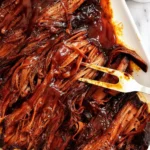
Slow Cooker Barbecue Beef Brisket
- Total Time: 9 hours 40 minutes
- Yield: 8 servings 1x
- Diet: General
Description
This recipe makes the most tender and flavorful bbq brisket!
Ingredients
- 2 to 3 pounds beef brisket
- 1 Tablespoon dried thyme leaves
- 1 Tablespoon paprika
- 2 teaspoons freshly ground black pepper
- 2 teaspoons salt
- 1 teaspoon onion powder
- 1 teaspoon garlic powder
- 1/2 teaspoon ground cumin
- 1 cup water
- 1 ½ teaspoons liquid smoke flavoring
- 3 Tablespoons Worcestershire sauce
- 1 bottle (18 ounces) barbecue sauce
Instructions
- Step 1: Combine the thyme, paprika, pepper, salt, onion powder, garlic powder and cumin in a small bowl. Rub spice mixture all over the top of the brisket.
- Step 2: Pour 1 cup water in the bottom of a large 7 quart slow cooker. Place spice covered brisket in the water. Pour the liquid smoke and Worcestershire sauce over top of brisket. Cover with lid and cook on Low heat for 8 to 10 hours.
- Step 3: Once done cooking, carefully remove brisket to a large platter. Remove fat from bottom of brisket. It should easily skim right off. Discard fat. Shred brisket.
- Step 4: Place shredded brisket back in slow cooker and pour the barbecue sauce all over the top. Gently stir. Cover with lid and cook another 30 minutes or until sauce is heated through. Serve brisket warm and enjoy!
Notes
Serve with nachos, tacos, sandwiches, baked beans, or cornbread.
- Prep Time: 10 minutes
- Cook Time: 9 hours 30 minutes
- Category: Main Course
- Method: Slow Cooking
- Cuisine: American
Nutrition
- Serving Size: 1 serving
- Calories: 480 kcal
- Sugar: 16 g
- Sodium: 850 mg
- Fat: 24 g
- Saturated Fat: 9 g
- Unsaturated Fat: 13 g
- Trans Fat: 0 g
- Carbohydrates: 22 g
- Fiber: 1 g
- Protein: 38 g
- Cholesterol: 120 mg