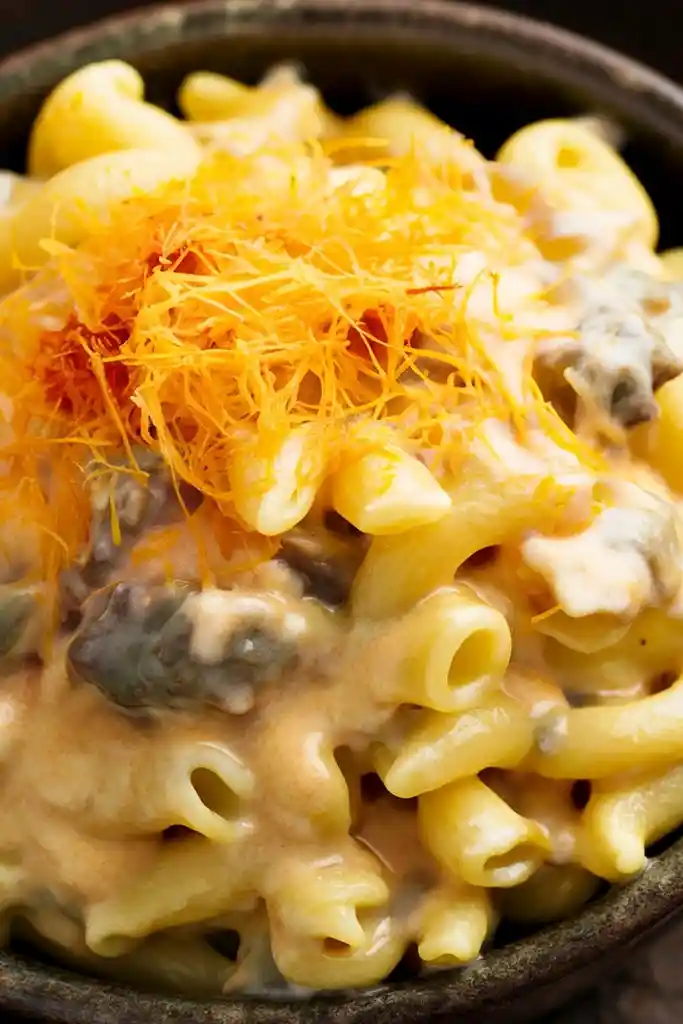
This slow-cooked macaroni and cheese recipe delivers an incredibly creamy and rich texture without the need for constant stovetop attention. By utilizing the gentle, consistent heat of a slow cooker, you can achieve a perfectly melted cheese sauce that coats every single noodle evenly. It is an ideal solution for busy weeknights when you want a comforting, homemade meal that feels special.
List of ingredients
- 8 ounces elbow macaroni
- 4 cups shredded sharp cheddar cheese
- 1 cup grated Parmesan cheese
- 3 cups milk
- 1/2 cup butter, cubed
- 1/2 teaspoon garlic powder
- 1/2 teaspoon onion powder
- Salt and pepper to taste
- 1/4 teaspoon paprika (optional)
- 1/4 teaspoon mustard powder (optional)
step-by-step instructions
- Step: Cook the elbow macaroni according to package instructions until al dente. Drain and set aside.
- Step: In the crockpot, combine the cooked macaroni with the cubed butter.
- Step: Add the milk and stir gently to combine.
- Step: Mix in the shredded cheddar and grated Parmesan cheese.
- Step: Sprinkle in the garlic powder, onion powder, salt, pepper, paprika, and mustard powder.
- Step: Stir everything together until the cheese starts to melt.
- Step: Cover the crockpot and cook on low for 2-3 hours or on high for 1-2 hours.
- Step: Stir occasionally to prevent sticking.
- Step: Once the cheese is fully melted and creamy, serve hot.
Refining Your Slow Cooker Results
Why hand-shredded cheese matters
Pre-shredded cheese is often coated in cellulose or potato starch to prevent clumping in the bag, which can interfere with how it melts into a smooth sauce. By shredding your own cheddar from a block, you ensure a clean melt that results in a velvety, lump-free consistency every time. This extra minute of effort is the most significant factor in achieving a professional-quality texture.
Managing the pasta texture
Because the pasta continues to cook while submerged in the hot milk and cheese sauce, it is imperative to cook the noodles until they are just barely tender on the stovetop. If you boil them to full softness, they will break down too much during the slow-cooking process. Aiming for an al dente finish ensures that the final dish has the right bite.
Adjusting the consistency of the sauce
Depending on your slow cooker’s specific heat output, the sauce may appear thicker or thinner than desired. If the sauce is too thick before serving, add a splash of warm milk and stir vigorously to loosen it up. If it seems too thin, let it sit for a few extra minutes with the lid off to allow a small amount of evaporation to concentrate the flavors.
Customization and Flavor Variations
Incorporating savory additions
For a heartier profile, you can stir in cooked protein pieces or sautéed vegetables during the final hour of cooking. Diced sun-dried tomatoes, spinach, or steamed broccoli florets pair excellently with the sharp cheddar base. Ensure any added vegetables are well-drained to avoid introducing excess moisture into the cheese sauce.
Exploring different cheese combinations
While sharp cheddar is the gold standard for this dish, you can substitute up to one-fourth of the cheddar with other melting cheeses. Gruyère provides a nutty complexity, while Monterey Jack creates an even stretchier, milder melt. Avoid using cheeses that do not melt well, such as aged crumbly varieties, as they will remain grainy in the sauce.
Serving and Hosting Suggestions
Pairing for a balanced meal
Because this dish is dense and creamy, it is best served alongside acidic or crunchy sides that cut through the richness. A crisp green salad with a bright vinaigrette, roasted green beans with lemon juice, or pickled vegetables provide a necessary contrast. These sides elevate the meal from a simple snack to a well-rounded dinner.
Presentation techniques
To make this dish stand out at a family gathering, finish the surface with a light dusting of paprika or fresh herbs like parsley right before serving. Presenting it directly in a clean serving bowl rather than the slow cooker basin can also make the meal feel more intentional. Providing a variety of hot sauce options on the side allows guests to customize the heat level to their preference.
Maintaining Quality Through Storage and Reheating
Proper refrigeration techniques
Allow the mac and cheese to cool to room temperature before portioning it into airtight containers to prevent condensation build-up. It can be kept in the refrigerator for up to three days. When sealing the container, press a piece of plastic wrap directly onto the surface of the sauce to prevent a tough skin from forming on top.
Gentle reheating methods
Microwaving high-fat dairy sauces can cause them to separate if the heat is too intense. Reheat your portions in the microwave on 50% power, stirring every 30 seconds to redistribute the heat evenly. If you have time, reheating on the stovetop over low heat with an extra tablespoon of milk is the superior way to restore the original creamy texture.
Strategies for freezing
While dairy-based sauces can sometimes change texture after freezing, you can minimize this by freezing portions in individual vacuum-sealed bags. When you are ready to eat, thaw the container in the refrigerator overnight. Reheat slowly on the stovetop, whisking consistently to bring the emulsion back together.
Troubleshooting Common Cooking Issues
Dealing with separated sauce
If your sauce appears oily or separated, it is likely due to the cheese being heated too rapidly or to an excessive temperature. To fix this, remove the insert from the heat source and whisk in a small amount of room-temperature milk or a teaspoon of cornstarch mixed with cold water. Whisking rapidly can help re-emulsify the fats and proteins, returning the sauce to a smooth state.
Preventing scorched edges
Some slow cookers have “hot spots” that can cause the edges of the pasta to brown or stick. If you notice this during your occasional stirring, use a silicone spatula to scrape the sides of the ceramic insert thoroughly. If your model runs particularly hot, consider placing a sheet of parchment paper over the top of the mixture before closing the lid to trap steam more effectively.
Frequently Asked Questions
Can I use milk alternatives?
Yes, but opt for unsweetened, full-fat versions like oat or soy milk to mimic the consistency of dairy milk. Avoid thin almond or rice milks, as they lack the protein and fat needed to create a stable, creamy sauce.
Why is my pasta soft after only one hour?
This usually happens if the pasta was cooked for too long on the stove before entering the crockpot. Ensure your initial boil is very brief so the pasta has structural integrity left to withstand the slow cooking process.
Can I leave the slow cooker unattended?
Yes, this recipe is designed to be low-maintenance, but periodic stirring is recommended for the best texture. If you must leave it, try to stir it at least once halfway through the cooking cycle to ensure the cheese is fully incorporated.
Print
Slow-Cooked Creamy Macaroni and Cheese
- Total Time: 135 minutes
- Yield: 6 servings 1x
- Diet: Vegetarian
Description
Indulge in this creamy and cheesy crockpot mac and cheese recipe, perfect for family dinners and gatherings.
Ingredients
- 8 ounces elbow macaroni
- 4 cups shredded sharp cheddar cheese
- 1 cup grated Parmesan cheese
- 3 cups milk
- 1/2 cup butter, cubed
- 1/2 teaspoon garlic powder
- 1/2 teaspoon onion powder
- Salt and pepper to taste
- 1/4 teaspoon paprika (optional)
- 1/4 teaspoon mustard powder (optional)
Instructions
- Step: Cook the elbow macaroni according to package instructions until al dente. Drain and set aside.
- Step: In the crockpot, combine the cooked macaroni with the cubed butter.
- Step: Add the milk and stir gently to combine.
- Step: Mix in the shredded cheddar and grated Parmesan cheese.
- Step: Sprinkle in the garlic powder, onion powder, salt, pepper, paprika, and mustard powder.
- Step: Stir everything together until the cheese starts to melt.
- Step: Cover the crockpot and cook on low for 2-3 hours or on high for 1-2 hours.
- Step: Stir occasionally to prevent sticking.
- Step: Once the cheese is fully melted and creamy, serve hot.
Notes
Use freshly shredded cheese for the best results. Overcooking the pasta can lead to a mushy texture. If the sauce is too thick, add a splash of milk.
- Prep Time: 15 minutes
- Cook Time: 120 minutes
- Category: Main Course
- Method: Slow Cooker
- Cuisine: American
Nutrition
- Serving Size: 1 cup
- Calories: 450 kcal
- Sugar: 8 g
- Sodium: 750 mg
- Fat: 25 g
- Saturated Fat: 15 g
- Unsaturated Fat: 9 g
- Trans Fat: 0 g
- Carbohydrates: 30 g
- Fiber: 1 g
- Protein: 20 g
- Cholesterol: 70 mg