This versatile marinade uses common kitchen ingredients to add a balanced sweet and savory flavor to chicken. It is quick to prepare and works well for both baking and grilling.
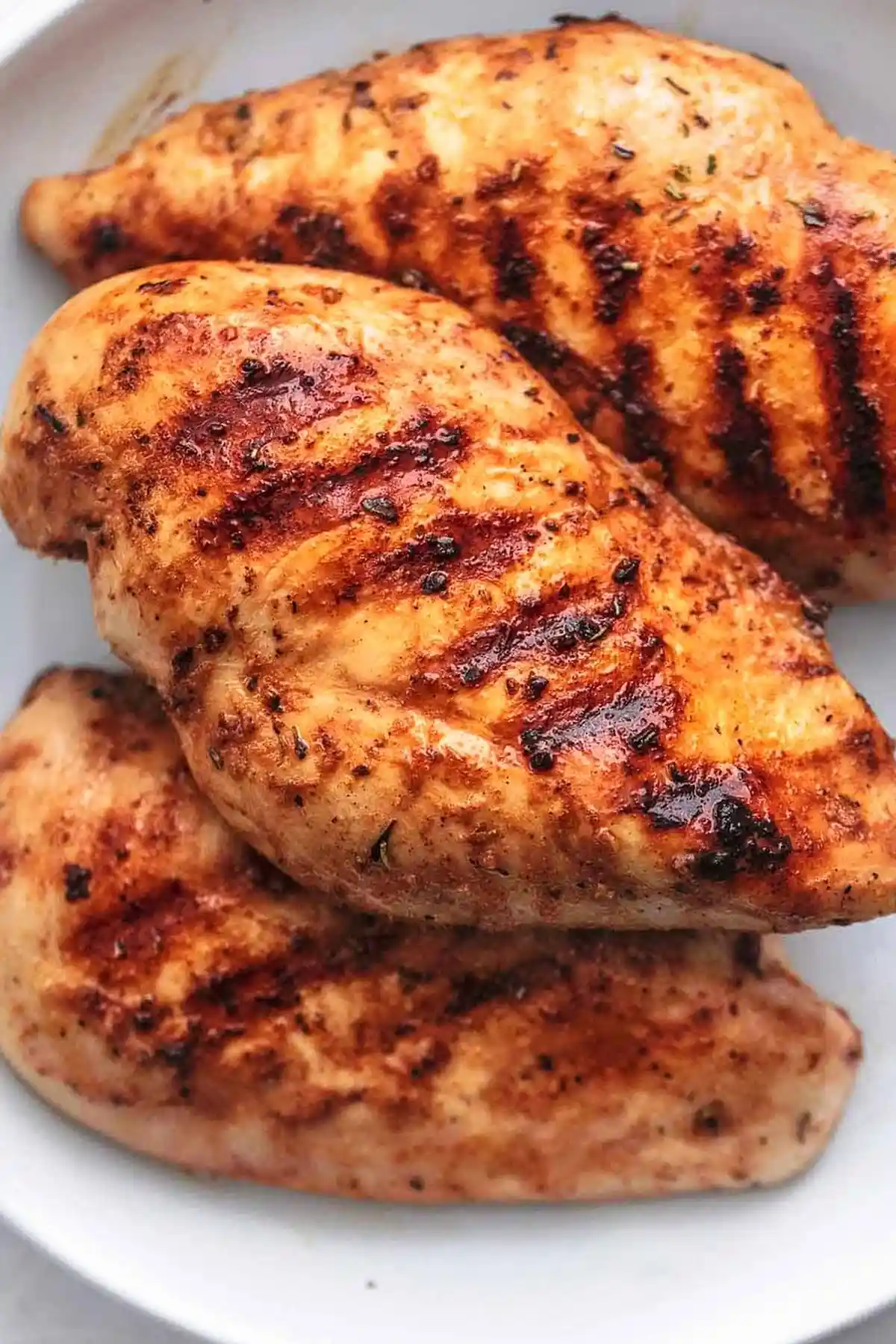
List of ingredients
- 1 ½-2 pounds boneless skinless chicken breasts or chicken thighs – the primary protein for the dish.
- ¼ cup olive oil – provides essential moisture and prevents sticking during cooking.
- ¼ cup apple cider vinegar or red wine vinegar – adds a tangy acidity that tenderizes the meat.
- 1 tablespoon fresh-squeezed lemon juice – brightens the overall flavor profile with citrus notes.
- 1 tablespoon honey – balances the acidic vinegar with a touch of natural sweetness.
- 1 tablespoon dijon mustard – adds a savory depth and helps emulsify the wet ingredients.
- 2 teaspoons Italian seasoning or Herbs de Provence – provides an aromatic herbal base.
- 2 teaspoons garlic powder – ensures a consistent and bold savory punch throughout the meat.
- 1 teaspoon salt – enhances all the other spices and flavors in the marinade.
- 1 teaspoon onion powder – adds a subtle sweetness and a savory depth.
- ½ teaspoon cracked black pepper – gives a mild, warm spicy finish.
step-by-step instructions
- Mix the marinade: In a medium bowl, stir together the olive oil, vinegar, lemon juice, honey, dijon mustard, Italian seasoning, garlic powder, salt, onion powder, and pepper until the mixture is well combined.
- Marinate the meat: Combine the chicken and the prepared marinade in a large resealable bag, press out as much excess air as possible, and seal the bag tightly. Alternatively, you can use a large bowl and cover it with a tight-fitting lid. Place the container in the refrigerator to chill for 30 minutes.
- Cook the chicken: Bake the chicken in a heat-proof dish at 375 degrees for approximately 15 minutes, or grill over medium heat for 6-10 minutes per side, until the meat is cooked through and the juices run clear.
- Rest the meat: Allow the cooked chicken to cool for five minutes before cutting. This essential step ensures the juices reabsorb into the meat so the chicken stays moist.
Optimal Preparation Techniques
Pounding Chicken to Even Thickness
If you are using chicken breasts of varying sizes, use a meat mallet or a rolling pin to pound the thicker sections. Aim for a uniform thickness of about three-quarters of an inch. This ensures that all pieces cook at the same rate, preventing the edges from drying out while the center remains raw.
Selecting the Right Cut of Meat
Boneless skinless breasts are a lean option that works well for salads and wraps. For a juicier result, choose boneless skinless thighs, as their higher fat content makes them more forgiving during the grilling process. Thighs can handle slightly longer cooking times without becoming tough.
Proper Bag Sealing for Maximum Flavor
When using a resealable bag, push as much air out as possible before sealing. This forces the marinade to stay in direct contact with every surface of the chicken. If the bag is too loose, the meat may float in pockets of air, leading to uneven seasoning.
Cooking Method Comparisons
Baking for Hands-Off Convenience
Baking in the oven at 375 degrees is an excellent choice for meal prepping large batches. Use a rimmed baking sheet or a heat-proof glass dish to catch the juices. For a more roasted texture, place a wire cooling rack inside the pan to allow hot air to circulate under the meat.
Grilling for Charred Flavor
Grilling over medium heat provides a smoky char that complements the honey in the marinade. Ensure your grill grates are clean and lightly oiled to prevent sticking. Avoid using high heat, which can burn the sugars in the honey before the chicken is cooked through.
Using an Air Fryer for Speed
The air fryer is a great alternative for smaller portions of marinated chicken. Cook at 375 degrees for 10-12 minutes, flipping the meat halfway through the process. This method produces a result similar to grilling but in a shorter amount of time.
Flavor Modifications and Substitutions
Adding Heat with Red Pepper Flakes
To give this recipe a spicy kick, stir in 1/2 to 1 teaspoon of crushed red pepper flakes. You can also use chipotle chili powder for a smoky heat. The spice pairs exceptionally well with the sweetness of the honey and the acidity of the vinegar.
Using Maple Syrup instead of Honey
For a more robust and woody sweetness, swap the honey for pure maple syrup in a 1:1 ratio. This substitution changes the flavor profile slightly but maintains the necessary sugar content for caramelization. It is a great option for those who prefer a less floral sweetness.
Swapping Vinegar Types for Different Tastes
While apple cider vinegar provides a fruity tang, red wine vinegar offers a sharper, more traditional European profile. For a deeper, sweeter taste, you can use balsamic vinegar, though this will darken the color of the chicken significantly.
Replacing Italian Seasoning with Fresh Herbs
If you have fresh herbs on hand, replace the dried Italian seasoning with a mixture of chopped parsley, oregano, and thyme. Use approximately one tablespoon of fresh herbs for every teaspoon of dried seasoning. Fresh herbs provide a brighter, more grassy aroma to the finished dish.
Serving and Pairing Suggestions
Pairing with Grains and Starches
This chicken pairs perfectly with fluffy basmati rice, quinoa, or buttered noodles. These grains are excellent for soaking up any extra pan juices or remaining marinade from the cooking process. A side of roasted potato wedges also complements the savory-sweet profile.
Incorporating into Fresh Salads
Slice the grilled chicken into thin strips and serve it over a bed of mixed greens, arugula, or spinach. Add fresh cucumbers, cherry tomatoes, and a light lemon vinaigrette. The contrast between the warm, seasoned chicken and the crisp vegetables creates a balanced meal.
Making Chicken Wraps or Tacos
Dice the cooked chicken and wrap it in warm flour or corn tortillas. Add toppings such as shredded lettuce, sliced avocado, pickled red onions, and a dollop of Greek yogurt or sour cream. The tangy marinade makes the chicken a great center-piece for handheld meals.
Serving alongside Roasted Root Vegetables
Roast carrots, parsnips, or Brussels sprouts in the oven at the same temperature as the chicken. The natural sweetness of roasted root vegetables mirrors the honey notes in the marinade. This creates a cohesive and nutrient-dense dinner platter.
Storage and Meal Prep Advice
Refrigerating Cooked Chicken
Store cooked chicken in an airtight container in the refrigerator for up to three to four days. To prevent the meat from drying out, ensure the lid is sealed tightly. This makes it a convenient protein source for lunches throughout the week.
Freezing Marinated Chicken
You can freeze the chicken directly in the marinade bag for up to three months. The meat will continue to marinate slowly as it thaws in the refrigerator. When you are ready to cook, move the bag from the freezer to the fridge 24 hours in advance.
Storing Unused Marinade
If you make a large batch of marinade, store the portion that has not touched raw meat in a clean glass jar. It will keep in the refrigerator for up to one week. Never reuse marinade that has already been in contact with raw chicken unless it is boiled first.
Best Practices for Reheating
To reheat the chicken without drying it out, use a skillet over medium-low heat. Add a splash of water, chicken broth, or a small knob of butter to the pan. Cover the skillet with a lid for a few minutes to steam the meat back to tenderness.
Troubleshooting Common Issues
Preventing Burnt Honey Glaze
Because honey contains natural sugars, it can burn quickly over high heat. If you notice the chicken browning too fast on the grill, move the pieces to a cooler section of the grate. Use a meat thermometer to ensure the interior is done without over-charring the exterior.
Avoiding Dry Chicken Breast
The most common cause of dry chicken is overcooking. Remove the chicken from the heat when the internal temperature reaches 165 degrees Fahrenheit. Remember that carry-over cooking will continue to raise the temperature slightly while the meat rests.
Managing Grill Flare-ups
The oil in the marinade can occasionally cause flames to jump up on a charcoal or gas grill. Keep a spray bottle of water nearby to extinguish small flare-ups. Moving the chicken to a different spot on the grill can also prevent localized burning.
Frequently Asked Questions
How long can chicken safely marinate?
Chicken can safely marinate for anywhere from 30 minutes up to 24 hours. However, marinating for too long in an acidic base like vinegar and lemon juice can eventually break down the muscle fibers too much, making the texture mushy.
Can I use this marinade on other meats?
Yes, this flavor profile works well with other lean proteins such as turkey breast or extra-firm tofu. Since different proteins have different densities, you will need to adjust the cooking times and temperatures to ensure they are cooked through.
Why is my chicken sticking to the grill?
Sticking usually occurs if the grill is not hot enough or if the grates are not properly oiled. Ensure the grill is preheated for at least 10 minutes and use a paper towel dipped in oil to grease the grates immediately before adding the chicken.
Do I need to pat the chicken dry before cooking?
Unlike recipes where you want a dry sear, you do not need to pat this chicken dry. The oil in the marinade creates a barrier that helps with browning and prevents the meat from adhering to the cooking surface.
Print
Simple Pantry-Staple Chicken Marinade
- Total Time: 35 minutes
- Yield: 4 servings 1x
- Diet: General
Description
Most definitely the Best Quick and Easy Chicken Marinade ever! Great for any kind of chicken, and made from just a few pantry staples! A little tart, a little sweet, a little savory, and of course a lot amazing!
Ingredients
- 1.5–2 pounds boneless skinless chicken breasts or chicken thighs
- 1/4 cup olive oil
- 1/4 cup apple cider vinegar or red wine vinegar
- 1 tablespoon fresh-squeezed lemon juice
- 1 tablespoon honey
- 1 tablespoon dijon mustard
- 2 teaspoons Italian seasoning or Herbs de Provence
- 2 teaspoons garlic powder
- 1 teaspoon salt
- 1 teaspoon onion powder
- 1/2 teaspoon cracked black pepper
Instructions
- Step 1: Stir together olive oil, vinegar, lemon juice, honey, dijon mustard, Italian seasoning, garlic powder, salt, onion powder, and pepper.
- Step 2: Combine chicken and marinade in a large resealable bag, press out excess air and seal the bag (alternately you can combine chicken and marinade in a bowl and cover tightly). Chill for 30 minutes.
- Step 3: Bake chicken at 375 degrees for 15 minutes or until cooked through and juices run clear OR grilled over medium heat 6-10 minutes on each side until cooked through.
Notes
Pro Tip: Allow to cool for five minutes before cutting into the chicken so the juices don’t drain and dry the chicken out. Flavor tip: add 1/2-1 teaspoon crushed red pepper flakes or 1/2 teaspoon chipotle chili powder to give this marinade a spicy kick.
- Prep Time: 5 minutes
- Cook Time: 15 minutes
- Category: Main Course
- Method: Baking or Grilling
- Cuisine: American
Nutrition
- Serving Size: 1 serving
- Calories: 343 kcal
- Sugar: 5 g
- Sodium: 824 mg
- Fat: 18 g
- Saturated Fat: 3 g
- Unsaturated Fat: 14 g
- Trans Fat: 1 g
- Carbohydrates: 6 g
- Fiber: 1 g
- Protein: 37 g
- Cholesterol: 109 mg