Achieving perfectly grilled chicken breast is a fundamental skill that transforms simple protein into a centerpiece for any meal. This method relies on a balanced marinade and precise temperature control to ensure the meat remains succulent, flavorful, and beautifully charred every time you light the grill. Follow these steps to elevate your next outdoor cooking session with a dish that consistently delivers both tenderness and depth of flavor.
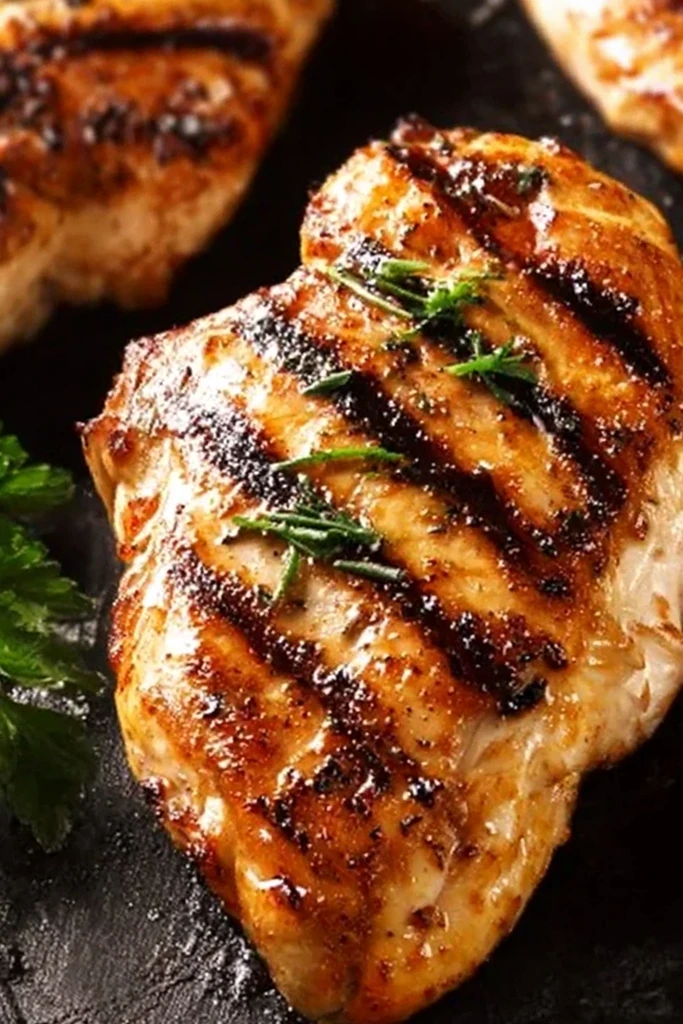
List of ingredients
- 4 chicken breasts
- 1/4 cup olive oil
- 2 tablespoons soy sauce
- 2 tablespoons lemon juice
- 2 cloves garlic, minced
- 1 teaspoon paprika
- Salt and pepper to taste
step-by-step instructions
- Step: Whisk together the olive oil, soy sauce, lemon juice, garlic, paprika, salt, and pepper to create the marinade.
- Step: Add the chicken breasts to the marinade, ensuring they are well coated.
- Step: Cover and refrigerate for at least 30 minutes.
- Step: Preheat your grill to medium-high heat.
- Step: Remove the chicken from the marinade and discard the marinade.
- Step: Grill the chicken for about 6-7 minutes on each side, or until fully cooked and juices run clear.
- Step: Let the chicken rest for a few minutes before slicing and serving.
Refining Your Grilling Technique
Ensuring Uniform Cooking
Chicken breasts are often thicker on one end than the other, which can lead to the thin side drying out before the thick side is finished. Use a meat mallet or a heavy-bottomed pan to gently pound the thicker portion of the chicken breast until the entire piece has an even thickness. This minor adjustment prevents uneven cooking and ensures that you do not have to leave the meat on the heat longer than necessary, which is the primary cause of dry, rubbery chicken.
Selecting the Right Grill Heat
Medium-high heat is the sweet spot for chicken breast because it provides enough intensity to create a flavorful sear without burning the exterior before the inside reaches the target temperature. If the grill is too hot, the sugars in your marinade or the natural proteins will char and blacken too rapidly, creating a bitter taste. If the grill is too cool, the chicken will steam rather than grill, failing to develop the characteristic crust that defines great barbecue.
The Role of Proper Resting
Resting the chicken is the most important step for maintaining juiciness after the cooking process concludes. When the meat hits the high heat of the grill, the internal juices are forced away from the center toward the outer edges; if you slice into the breast immediately, these juices will escape onto your cutting board. Allowing the chicken to rest for five to seven minutes lets these juices settle back into the meat fibers, ensuring each bite is as moist as possible.
Effective Substitutions and Variations
Alternative Marinade Bases
If you find yourself without soy sauce, you can substitute it with tamari for a gluten-free option or even a mix of coconut aminos for a slightly sweeter profile. For an herbal twist, feel free to add fresh rosemary, thyme, or oregano to the oil-based marinade. These woody herbs withstand the high heat of the grill remarkably well and infuse the meat with a Mediterranean-inspired aromatic quality that pairs beautifully with fresh salads or roasted root vegetables.
Adjusting the Flavor Profile
For those who prefer a bit of heat, incorporate a teaspoon of red chili flakes or a dash of cayenne pepper into the initial marinade mixture. If you prefer a brighter, more citrus-forward finish, swap the lemon juice for lime juice or add a teaspoon of fresh orange zest to the marinade. These small adjustments customize the profile of your meal to fit whatever side dishes or themes you have planned for your dinner menu.
Serving and Presentation Ideas
Building a Balanced Plate
Grilled chicken serves as a versatile anchor for a wide array of side dishes. Consider pairing the finished breasts with crisp garden salads, charred asparagus, or quinoa bowls topped with fresh herbs. The neutral flavor of the chicken allows it to act as a bridge between rich starch-heavy sides and lighter, vinegar-dressed vegetable salads. For a more casual meal, slice the grilled breasts into thin strips and serve them alongside warmed flour tortillas, fresh avocado slices, and a simple tomato salsa.
Enhancing with Toppings
While the chicken is delicious on its own, adding a topping after the grilling process can provide a new dimension of flavor. A dollop of pesto, a squeeze of fresh lemon, or a sprinkle of crumbled feta cheese can elevate a simple weeknight chicken breast into something that feels like a restaurant-quality meal. These additions work best when added right before serving, ensuring that the freshness of the garnish contrasts with the warm, smoky chicken.
Storage and Reheating Strategies
Managing Leftovers
Properly cooled chicken should be moved to an airtight container as soon as possible after the meal, ensuring that moisture is trapped inside the container. Refrigerated chicken remains safe and delicious for up to four days when stored at the correct temperature. If you intend to use the chicken for multiple meals throughout the week, consider storing it whole and only slicing it immediately before serving to keep the meat from drying out during the subsequent reheating process.
Reviving the Texture
When you are ready to serve leftover chicken, avoid the microwave, which often creates tough, chewy spots due to uneven heat distribution. Instead, place the chicken in a skillet over low-to-medium heat with a small splash of water or chicken broth. Cover the pan with a lid to allow the steam to gently warm the meat through, which restores its original tenderness and prevents the surface from turning leathery or overly salty as the moisture evaporates.
Common Queries Addressed
How can I verify the chicken is fully cooked?
The only reliable method is to use a digital meat thermometer inserted into the thickest part of the chicken breast. You are looking for an internal temperature of 165°F (75°C); checking this way removes any guesswork and prevents you from overcooking the meat while trying to verify doneness by sight alone.
Is it possible to marinate the chicken for too long?
Yes, because the marinade contains lemon juice, which is an acidic ingredient that can begin to denature the protein if left for an extended period. Aim to marinate for a minimum of 30 minutes, but avoid exceeding four hours; marinating for longer than this can lead to a mushy texture as the acid breaks down the meat structure too thoroughly.
What should I do if my grill is not available?
If you do not have a charcoal or gas grill, a cast-iron grill pan on the stovetop is an excellent alternative. It provides the necessary heat intensity to sear the meat properly and mimics the grill marks effectively. Simply heat the pan until it is quite hot before adding the chicken, ensuring you have good ventilation in your kitchen as searing can create a significant amount of smoke.
Can I freeze the chicken after it has been grilled?
Yes, grilled chicken freezes exceptionally well, making it a great candidate for future meal prep. Wrap the cooked breasts individually in plastic wrap and place them in a freezer-safe bag to protect against freezer burn. When you are ready to eat, thaw the chicken in the refrigerator overnight and reheat it using the stovetop method mentioned previously to ensure it retains its quality.
Optimizing Meal Preparation
Planning Ahead
The beauty of this recipe lies in its efficiency, as the marinade can be prepared in the morning and left in the fridge until you are ready to cook. If you are preparing for a large gathering, you can marinate the chicken in a large Ziploc bag, which takes up minimal space in the refrigerator and makes cleanup effortless. Having the chicken pre-marinated means you are only 15 minutes away from a high-quality, hot meal, which is a major advantage for busy weeknight schedules.
Batch Cooking Techniques
Grilling a larger batch of chicken at once is a smart strategy for saving time throughout the rest of the week. You can use the extra portions for quick lunches, tossing them into cold pasta salads, or chopping them up for high-protein breakfast hashes. By seasoning and grilling everything at once, you simplify your kitchen tasks, allowing you to focus your energy on creating fresh sides or sauces for each subsequent meal.
Print
Savory Grilled Chicken Breast: The Ultimate Guide to Juicy Results
- Total Time: 45 minutes
- Yield: 4 servings 1x
- Diet: Gluten-Free
Description
A quick, healthy, and budget-friendly grilled chicken breast recipe that’s perfect for any occasion.
Ingredients
- 4 chicken breasts
- 1/4 cup olive oil
- 2 tablespoons soy sauce
- 2 tablespoons lemon juice
- 2 cloves garlic, minced
- 1 teaspoon paprika
- Salt and pepper to taste
Instructions
- Step: Whisk together the olive oil, soy sauce, lemon juice, garlic, paprika, salt, and pepper to create the marinade.
- Step: Add the chicken breasts to the marinade, ensuring they are well coated.
- Step: Cover and refrigerate for at least 30 minutes.
- Step: Preheat your grill to medium-high heat.
- Step: Remove the chicken from the marinade and discard the marinade.
- Step: Grill the chicken for about 6-7 minutes on each side, or until fully cooked and juices run clear.
- Step: Let the chicken rest for a few minutes before slicing and serving.
Notes
For a gluten-free option, substitute soy sauce with coconut aminos.
- Prep Time: 30 minutes
- Cook Time: 15 minutes
- Category: Main Course
- Method: Grilling
- Cuisine: American
Nutrition
- Serving Size: 1 breast
- Calories: 285 kcal
- Sugar: 1 g
- Sodium: 450 mg
- Fat: 12 g
- Saturated Fat: 2 g
- Unsaturated Fat: 9 g
- Trans Fat: 0 g
- Carbohydrates: 2 g
- Fiber: 0 g
- Protein: 42 g
- Cholesterol: 110 mg