This pasta dish utilizes roasting to caramelize the vegetables, creating a deeper flavor profile than traditional sautéing. It is a nutrient-dense meal that combines fresh seasonal produce with a light, tangy tomato base.
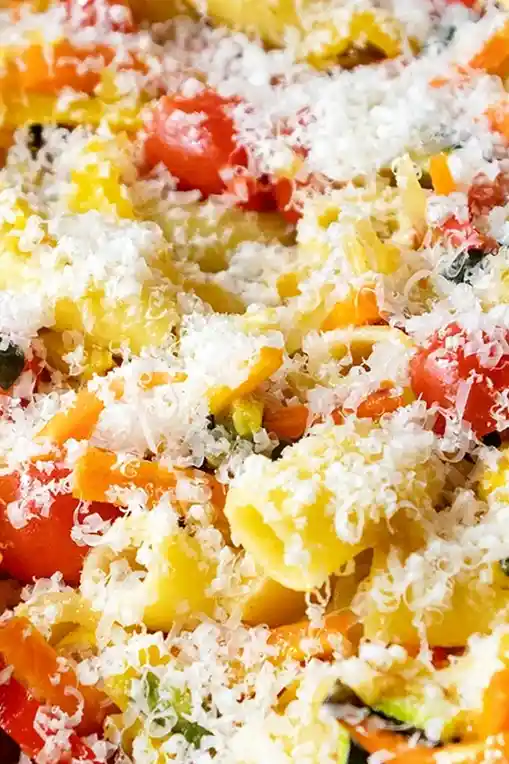
List of ingredients
- 3 carrots, peeled and cut into thin strips – provides a natural sweetness and structure.
- 2 medium zucchini (or 1 large), cut into thin strips – adds a mild flavor and soft texture.
- 2 yellow squash, cut into thin strips – complements the zucchini with a similar consistency.
- 1 onion, thinly sliced – creates a savory aromatic base.
- 1 yellow bell pepper, cut into thin strips – adds brightness and a sweet crunch.
- 1 red bell pepper, cut into thin strips – provides vibrant color and sweetness.
- 1/4 cup olive oil – used for roasting to achieve golden brown edges.
- 1 1/2 teaspoon kosher salt – enhances the natural flavors of the vegetables.
- 1 tablespoon Italian seasoning – a blend of herbs for traditional Mediterranean flavor.
- 1 pound short pasta, such as mezzi rigatoni – ridges help hold the sauce and vegetables.
- 1 14-oz can datterini tomatoes – provides a concentrated, sweet tomato sauce.
- 1/2 cup grated Parmesan – adds a salty, nutty finish to the dish.
step-by-step instructions
- Prepare the Oven: Preheat your oven to 450 degrees F to ensure high heat for immediate caramelization.
- Season the Vegetables: On a large heavy baking sheet, toss the carrots, zucchini, squash, onion, and bell peppers with olive oil, salt, and Italian seasoning until evenly coated.
- Arrange and Roast: Divide the vegetable mixture between two heavy large baking sheets to avoid overcrowding, which prevents steaming. Bake for 20 to 25 minutes total, stirring once after the first 10 minutes, until carrots are tender and vegetables show brown edges.
- Boil the Pasta: While vegetables roast, cook the short pasta in a large pot of boiling salted water until al dente, typically about 8 minutes.
- Reserve Liquid: Before draining the pasta, reserve 1 cup of the starchy cooking water for the sauce.
- Combine Components: In a large bowl, toss the cooked pasta with the roasted vegetables.
- Add Sauce: Stir in the canned datterini tomatoes along with their juice and enough reserved pasta water to achieve a moist consistency.
- Final Seasoning: Taste and add additional salt if needed, then serve immediately topped with grated Parmesan.
Optimizing Vegetable Preparation
Cutting Vegetables into Uniform Strips
Cutting all vegetables into consistent thin strips ensures they cook at the same rate. Because carrots are denser than zucchini, keeping them thin prevents the softer squash from overcooking while the carrots remain hard.
The Importance of Avoiding Pan Overcrowding
Using two separate baking sheets allows air to circulate around each piece of vegetable. If the pan is too crowded, the vegetables will release moisture and steam instead of roasting, resulting in a mushy texture rather than a caramelized one.
Selecting the Right Roasting Oil
Olive oil is ideal for this recipe because it can withstand the 450 degree F oven temperature. The oil conducts heat efficiently, helping the Italian seasoning penetrate the vegetables and creating a golden-brown exterior.
Pasta Selection and Cooking Techniques
Choosing the Best Short Pasta Shapes
Mezzi rigatoni or penne are excellent choices because their hollow centers and exterior ridges trap the datterini tomatoes and small vegetable bits. This ensures every bite contains a balance of pasta and sauce.
Managing Pasta Water Salinity
Adding a generous amount of salt to the boiling water is the only opportunity to season the pasta from the inside out. This prevents the noodles from tasting bland even after the sauce is added.
Achieving the Perfect Al Dente Texture
Start tasting the pasta two minutes before the package directions suggest. Al dente pasta maintains a slight bite and will not become mushy when tossed with the hot roasted vegetables and tomato juice.
Utilizing Reserved Pasta Water for Emulsion
The reserved cooking water contains starch that acts as a binding agent. When mixed with the tomato juice and olive oil from the roasted vegetables, it creates a cohesive sauce that clings to the pasta rather than pooling at the bottom of the bowl.
Ingredient Substitutions and Variations
Alternative Seasonal Vegetable Options
Depending on the season, you can replace zucchini with asparagus tips or frozen peas added at the very end. Broccoli florets and cauliflower also roast well and provide a different textural contrast to the dish.
Swapping Datterini Tomatoes for Other Varieties
If datterini tomatoes are unavailable, use high-quality cherry tomatoes or a can of petite diced tomatoes. If using fresh cherry tomatoes, roast them on the pan with the other vegetables for the last 10 minutes of cooking.
Incorporating Non-Dairy Cheese Alternatives
For a dairy-free version, replace the Parmesan with nutritional yeast or a plant-based Parmesan alternative. These options provide the necessary salty and umami notes without the use of animal products.
Adjusting the Herb Profile
While Italian seasoning is a convenient blend, you can use a mix of fresh basil, dried oregano, and thyme. Adding fresh basil leaves at the moment of serving provides a bright, peppery contrast to the roasted flavors.
Serving and Presentation Ideas
Adding Fresh Finishes for Visual Contrast
A sprinkle of freshly chopped Italian parsley or microgreens adds a pop of color to the plate. This contrast makes the dish look more professional and adds a layer of fresh, raw flavor to the roasted components.
Pairing with Complementary Side Dishes
Serve this pasta alongside a crisp arugula salad with a lemon vinaigrette to cut through the richness of the olive oil and cheese. Garlic bread toasted with a bit of butter or oil also complements the tomato base well.
Adding Lean Proteins for a Heartier Meal
To increase the protein content, add grilled chicken strips or chickpeas. These can be tossed in at the final stage to ensure they are heated through without overcooking the vegetables.
Storage and Reheating Guide
Proper Refrigeration Methods
Store leftovers in an airtight container in the refrigerator for up to four days. Allow the pasta to cool slightly before sealing the lid to prevent excess condensation, which can make the pasta soggy.
Best Practices for Reheating Pasta
Reheating on the stovetop over medium heat is the best method to maintain texture. Add a tablespoon of water or broth to the pan to replenish the moisture lost during refrigeration.
Preventing Pasta from Drying Out
If using a microwave, sprinkle a small amount of water over the pasta and cover it with a damp paper towel. Heat in short 30-second intervals, stirring in between, to ensure even warming without drying out the edges.
Make-Ahead Advice
Pre-Cutting Vegetables for Time Efficiency
Vegetables can be sliced and stored in an airtight container for up to 48 hours before roasting. Keep them dry and do not add the oil or seasoning until you are ready to place them in the oven.
Roasting Vegetables in Advance
The roasted vegetables can be prepared a day early and stored in the fridge. When ready to serve, simply heat the vegetables in the oven for a few minutes before tossing them with freshly cooked pasta.
Managing Cooked Pasta Storage
If you must cook the pasta ahead of time, toss it with a small amount of olive oil after draining. This creates a barrier that prevents the noodles from sticking together in the refrigerator.
Troubleshooting Common Issues
What to do if Vegetables are Too Mushy
Mushy vegetables are usually the result of overcrowding the pan or cooking at too low a temperature. Ensure you use two baking sheets and maintain a high oven temperature to evaporate moisture quickly.
Fixing a Sauce that is Too Dry
If the pasta looks dry after mixing, gradually add the reserved pasta water one tablespoon at a time. Stir constantly until the sauce reaches a glossy, fluid consistency that coats the noodles evenly.
Balancing an Overly Salty Dish
If the dish is too salty, add a squeeze of fresh lemon juice or a pinch of sugar to balance the flavors. Adding more unsalted roasted vegetables or a handful of fresh spinach can also dilute the saltiness.
Frequently Asked Questions
Can I use frozen vegetables instead of fresh?
It is not recommended to use frozen vegetables for this specific recipe. Frozen vegetables release a significant amount of water during heating, which prevents the caramelization required for the roasted flavor.
Is this recipe suitable for meal prep?
Yes, this dish holds up well for several days. The flavors often intensify overnight, making it an excellent option for weekday lunches.
Can I roast everything on a single large tray?
Unless you have an industrial-sized baking sheet, using one tray will likely lead to overcrowding. This causes the vegetables to steam rather than roast, losing the characteristic charred edges.
Which type of Parmesan is best to use?
Freshly grated Parmesan Reggiano provides the best flavor and melts more smoothly into the sauce. Pre-shredded cheeses often contain anti-clumping agents that can affect the texture of the final dish.
Print
Roasted Vegetable Pasta Primavera
- Total Time: 45 minutes
- Yield: 6 servings 1x
- Diet: Vegetarian
Description
Giada’s pasta primavera is unique – preparing the vegetables by roasting instead of sauteeing gives them more caramelized flavor.
Ingredients
- 3 carrots, peeled and cut into thin strips
- 2 medium zucchini or 1 large zucchini, cut into thin strips
- 2 yellow squash, cut into thin strips
- 1 onion, thinly sliced
- 1 yellow bell pepper, cut into thin strips
- 1 red bell pepper, cut into thin strips
- 1/4 cup olive oil
- 1 ½ teaspoon kosher salt
- 1 tablespoon Italian seasoning
- 1 pound short pasta, such as mezzi rigatoni
- 1 14-oz can datterini tomatoes
- 1/2 cup grated microbial-rennet Parmesan
Instructions
- Preheat: Preheat the oven to 450 degrees F.
- Roast: On a large heavy baking sheet, toss all of the vegetables with the oil, salt and Italian seasoning to coat. Transfer half of the vegetable mixture to another heavy large baking sheet and arrange evenly over the baking sheets. Bake until the carrots are tender and the vegetables begin to brown, stirring after the first 10 minutes, about 20 to 25 minutes total.
- Cook Pasta: Meanwhile, cook the pasta in a large pot of boiling salted water until al dente, tender but still firm to the bite, about 8 minutes. Drain, reserving 1 cup of the cooking liquid.
- Combine: Toss the pasta with the vegetable mixtures in a large bowl to combine. Toss with the canned datterini tomatoes, juice and all, and enough reserved cooking liquid to moisten. Season the pasta with salt to taste, if needed. Serve with grated Parmesan.
Notes
Consider doubling the recipe; it only gets better the next day.
- Prep Time: 15 minutes
- Cook Time: 30 minutes
- Category: dinner Main Course
- Method: Roasting
- Cuisine: Italian
Nutrition
- Serving Size: 1 serving
- Calories: 480 kcal
- Sugar: 9 g
- Sodium: 850 mg
- Fat: 16 g
- Saturated Fat: 6 g
- Unsaturated Fat: 10 g
- Trans Fat: 0 g
- Carbohydrates: 68 g
- Fiber: 8 g
- Protein: 17 g
- Cholesterol: 25 mg