This recipe recreates the signature sweet and savory glaze found in high-end steakhouse salmon dishes. It provides a simple method to achieve a caramelized crust while keeping the interior moist and flaky.
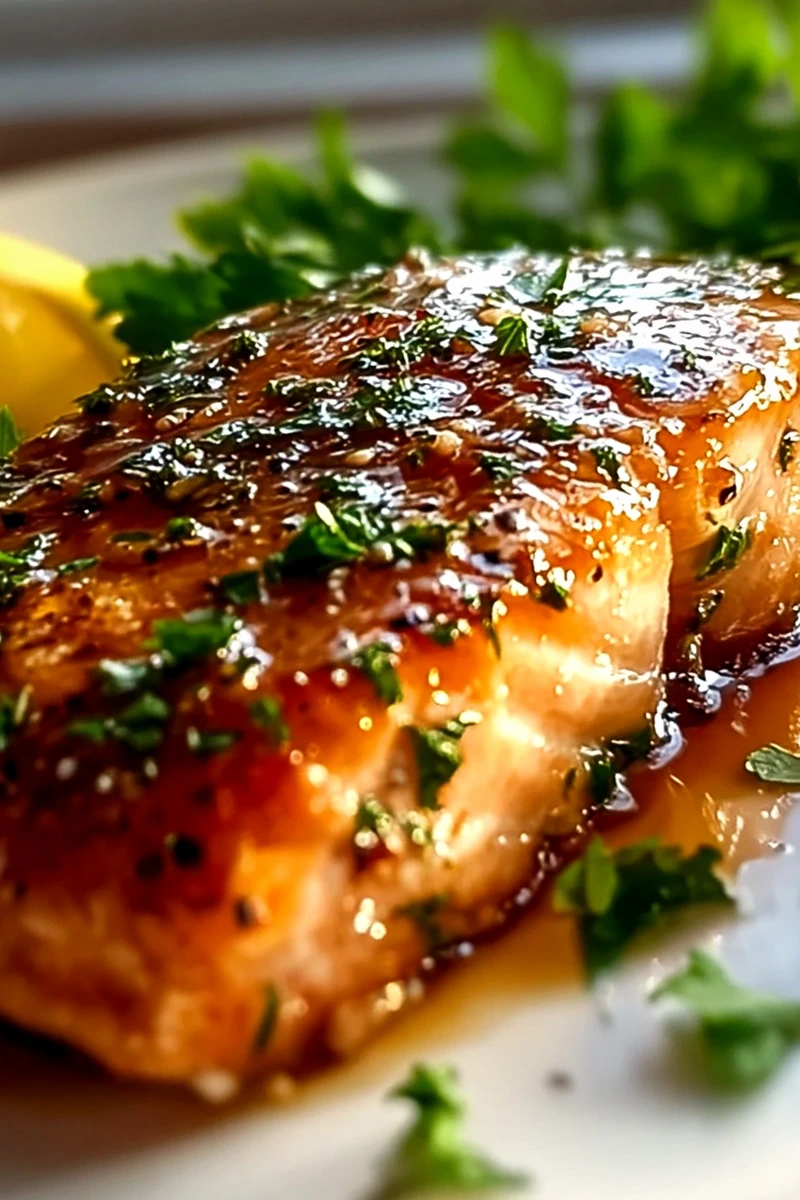
List of ingredients
- 4 salmon fillets (6-8 ounces each, 1 to 1.5 inches thick) – Sockeye or Atlantic varieties work best for this method.
- 4 tablespoons unsalted butter – used as the base for the glaze to provide richness.
- 2 tablespoons brown sugar – adds a subtle sweetness and helps the crust caramelize.
- 1 teaspoon garlic powder – ensures an even distribution of savory flavor.
- 1 teaspoon onion powder – adds aromatic depth to the seasoning.
- 1 teaspoon smoked paprika – provides a hint of earthiness and a deep red color.
- 1/2 teaspoon salt – enhances all other seasonings.
- 1/2 teaspoon freshly ground black pepper – adds a mild, pungent heat.
- 1/4 teaspoon cayenne pepper (optional) – include this for a small amount of spicy kick.
- 1 tablespoon Worcestershire sauce – adds a complex layer of umami.
- Fresh lemon wedges – used for squeezing over the fish before serving.
- Fresh parsley – finely chopped for a fresh, herbaceous garnish.
step-by-step instructions
- Prepare the Oven: Preheat your oven to 400°F (200°C) and line a large baking sheet with aluminum foil or parchment paper to prevent sticking and simplify cleanup.
- Dry the Fish: Pat each salmon fillet thoroughly dry with paper towels, then place them skin-side down on the prepared baking sheet.
- Create the Glaze: Melt the unsalted butter in a small microwave-safe bowl, then stir in the brown sugar, garlic powder, onion powder, smoked paprika, salt, black pepper, and Worcestershire sauce until the mixture is smooth.
- Season the Fillets: Use a pastry brush or the back of a spoon to generously apply the butter-spice mixture to the top and sides of each salmon fillet.
- Bake: Place the baking sheet in the oven and bake for 12 to 18 minutes, depending on the thickness of the fillets.
- Broil for Color: Turn on the oven broiler for the final 1 to 2 minutes of cooking to create a golden, caramelized finish on the glaze.
- Rest and Serve: Remove the salmon from the oven and let it rest for 5 minutes to allow juices to redistribute, then garnish with fresh lemon wedges and parsley.
Professional Cooking Tips
Use a Meat Thermometer for Precise Doneness
To avoid overcooking, use an instant-read thermometer to check the internal temperature of the thickest part of the fillet. Salmon is perfectly cooked when it reaches an internal temperature of 145°F (63°C). For a slightly more moist texture, remove the fish from the oven at 135-140°F, as carry-over cooking will raise the temperature during the resting period.
Maximize Texture by Drying the Fillets
Removing surface moisture is critical for achieving a proper sear and glaze adherence. When the salmon is wet, the oven creates steam, which can lead to a rubbery texture and prevent the glaze from caramelizing. Use heavy-duty paper towels to ensure the surface is completely dry before applying the butter mixture.
Adjust Cooking Time Based on Fillet Thickness
Fillets that are 1 inch thick generally require 12 to 15 minutes of baking, while thicker cuts (1.5 inches or more) may need 18 to 20 minutes. Always check for doneness by seeing if the fish flakes easily with a fork along the natural muscle lines. If the fillets are of varying sizes, remove the smaller pieces first to prevent them from drying out.
Ingredient Substitutions and Variations
Modify Salt Levels When Using Salted Butter
If you only have salted butter on hand, reduce the added salt in the seasoning mixture by half. Salted butter contains a significant amount of sodium that can make the final glaze overly salty if not accounted for. Taste a small amount of the glaze before applying it to the fish to ensure the balance is correct.
Implement Sugar-Free Glaze Alternatives
For a low-sugar version, replace brown sugar with a brown sugar substitute like monk fruit or erythritol. Note that sugar substitutes do not caramelize in the same way as real sugar, so the crust may be less golden. Adding a tiny drop of molasses or a pinch of cinnamon can help mimic the deep flavor profile of brown sugar.
Switch Smoked Paprika for Sweet Paprika
Smoked paprika is used to give the dish a wood-fired flavor, but sweet paprika is a viable alternative if you prefer a milder taste. While sweet paprika provides the same red color, it lacks the earthy depth of the smoked version. To compensate, you can add a small pinch of cumin to introduce a different type of earthy note.
Increase Heat with Chili Powder or Red Pepper Flakes
If the optional cayenne pepper is not enough, you can incorporate a half-teaspoon of chili powder for a more complex heat. Alternatively, sprinkling crushed red pepper flakes over the glaze before baking adds a textured, spicy element. Always adjust the spice level gradually to avoid overpowering the delicate flavor of the salmon.
Serving and Pairing Recommendations
Pair with Roasted Root Vegetables
The sweet and savory profile of the salmon pairs exceptionally well with roasted carrots or parsnips. Roast them at the same oven temperature (400°F) on a separate tray to ensure they are tender and caramelized. The natural sugars in the vegetables complement the brown sugar glaze on the fish.
Combine with Creamy Starchy Sides
Serve the salmon alongside garlic mashed potatoes or a bed of wild rice to balance the richness of the butter glaze. The creaminess of the potatoes absorbs the extra sauce from the fillet, creating a cohesive meal. Wild rice adds a nutty contrast and a firmer texture that offsets the flakiness of the salmon.
Balance the Meal with a Citrus Salad
A fresh garden salad with a lemon-herb vinaigrette provides a sharp contrast to the rich, buttery salmon. Use mixed greens, sliced cucumbers, and radishes for a crisp texture. The acidity of the vinaigrette cuts through the fat of the fish, cleansing the palate between bites.
Storage and Reheating Guidelines
Cool the Salmon Completely Before Refrigeration
Allow the baked salmon to reach room temperature before placing it in the refrigerator to prevent condensation from forming inside the container. Condensation can make the crust soggy and increase the risk of bacterial growth. Do not leave the fish at room temperature for more than two hours.
Store in Airtight Containers with Parchment
Place cooled salmon fillets in an airtight glass or plastic container. To prevent multiple fillets from sticking together or tearing, place a sheet of parchment paper between each piece. Properly stored salmon will maintain its quality in the refrigerator for 2 to 3 days.
Freeze Properly to Prevent Freezer Burn
While cooked salmon is best eaten fresh, it can be frozen for up to one month. Wrap each fillet tightly in plastic wrap and then place them inside a vacuum-sealed bag or a heavy-duty freezer bag. Thaw the fillets slowly in the refrigerator overnight before reheating to maintain the best possible texture.
Reheat Gently in the Oven
To avoid drying out the fish, reheat salmon in the oven at a low temperature of 275-300°F (135-150°C). Place the fillets in an oven-safe dish and add a tablespoon of vegetable broth or water to the bottom of the pan. Cover the dish loosely with foil and heat for 10-15 minutes until warmed through.
Use the Microwave with Caution
If using a microwave, place the salmon on a microwave-safe plate and cover it with a damp paper towel. Heat in short 30-second bursts on medium power to prevent the proteins from tightening and becoming rubbery. This method is faster but increases the risk of overcooking the fish.
Common Troubleshooting and FAQs
Why Did My Salmon Stick to the Baking Sheet?
Sticking usually occurs if the baking sheet was not properly lined or if the fish was too wet when placed on the pan. Always use parchment paper or aluminum foil and consider a light spray of cooking oil even on lined pans. If the skin sticks, let the fish cool slightly, which often makes it release more easily.
How Can I Tell if the Salmon is Perfectly Done?
The most reliable non-thermometer method is the flake test. Gently press a fork into the thickest part of the fillet; if the flesh separates easily along the white fat lines (connective tissue), it is done. If the center is still translucent and resists flaking, it needs more time in the oven.
Can I Use Frozen Salmon Fillets for This Recipe?
Yes, but you must thaw them completely before cooking. Thaw fillets in the refrigerator for 12-24 hours or place the vacuum-sealed package in a bowl of cold water, changing the water every 30 minutes. Cooking frozen salmon directly will result in uneven cooking and a watery glaze.
Which Type of Salmon is Best for Baking?
Atlantic salmon is widely available and has a higher fat content, making it more forgiving and moist during baking. Sockeye salmon has a bolder, more salmon-like flavor and a deeper red color, but it is leaner and can dry out faster. King salmon is the most premium and fatty option, offering the most tender result.
Print
Restaurant-Style Baked Salmon with Savory Brown Sugar Glaze
- Total Time: 33 minutes
- Yield: 4 servings
- Diet: General
Description
Experience the delightful flavors of Texas Roadhouse with this easy-to-make baked salmon recipe. Enjoy perfectly flaky, moist fillets coated in a savory, slightly sweet glaze that will impress your guests and satisfy your taste buds.
Ingredients
- Salmon Fillets (6-8 ounces each, 1 to 1.5 inches thick)
- Unsalted Butter
- Brown Sugar
- Garlic Powder
- Onion Powder
- Smoked Paprika
- Salt
- Freshly Ground Black Pepper
- Cayenne Pepper (Optional)
- Fresh Lemon Wedges
- Fresh Parsley
- Worcestershire Sauce
Instructions
- Step: Preheat your oven to 400°F (200°C) and line a baking sheet with aluminum foil or parchment paper.
- Step: Pat the salmon fillets dry with paper towels and place them skin-side down on the prepared baking sheet.
- Step: In a small microwave-safe bowl, melt the unsalted butter and stir in the brown sugar, garlic powder, onion powder, smoked paprika, salt, black pepper, and Worcestershire sauce until well combined.
- Step: Using a pastry brush or the back of a spoon, generously coat the top and sides of each salmon fillet with the butter and spice mixture.
- Step: Bake the salmon in the preheated oven for 12-18 minutes, checking for doneness at the 12-minute mark.
- Step: For a golden finish, turn on the oven’s broiler for the last 1-2 minutes of cooking, keeping a close eye to avoid burning.
- Step: Remove the salmon from the oven and let it rest for about 5 minutes before serving. Garnish with fresh lemon wedges and parsley.
Notes
Thoroughly patting the salmon fillets dry is key for better seasoning adherence. To avoid overcooking, aim for an internal temperature of 145°F (63°C).
- Prep Time: 15 minutes
- Cook Time: 18 minutes
- Category: Dinner
- Method: Baking
- Cuisine: American
Nutrition
- Serving Size: 1 fillet
- Calories: 350 kcal
- Sugar: 5 g
- Sodium: 400 mg
- Fat: 22 g
- Saturated Fat: 10 g
- Unsaturated Fat: 10 g
- Trans Fat: 0 g
- Carbohydrates: 8 g
- Fiber: 0 g
- Protein: 30 g
- Cholesterol: 80 mg