This no-cook chilled tomato soup is the perfect way to stay cool during the summer heat. It combines fresh, crisp vegetables with a savory tomato base for a healthy and hydrating meal.
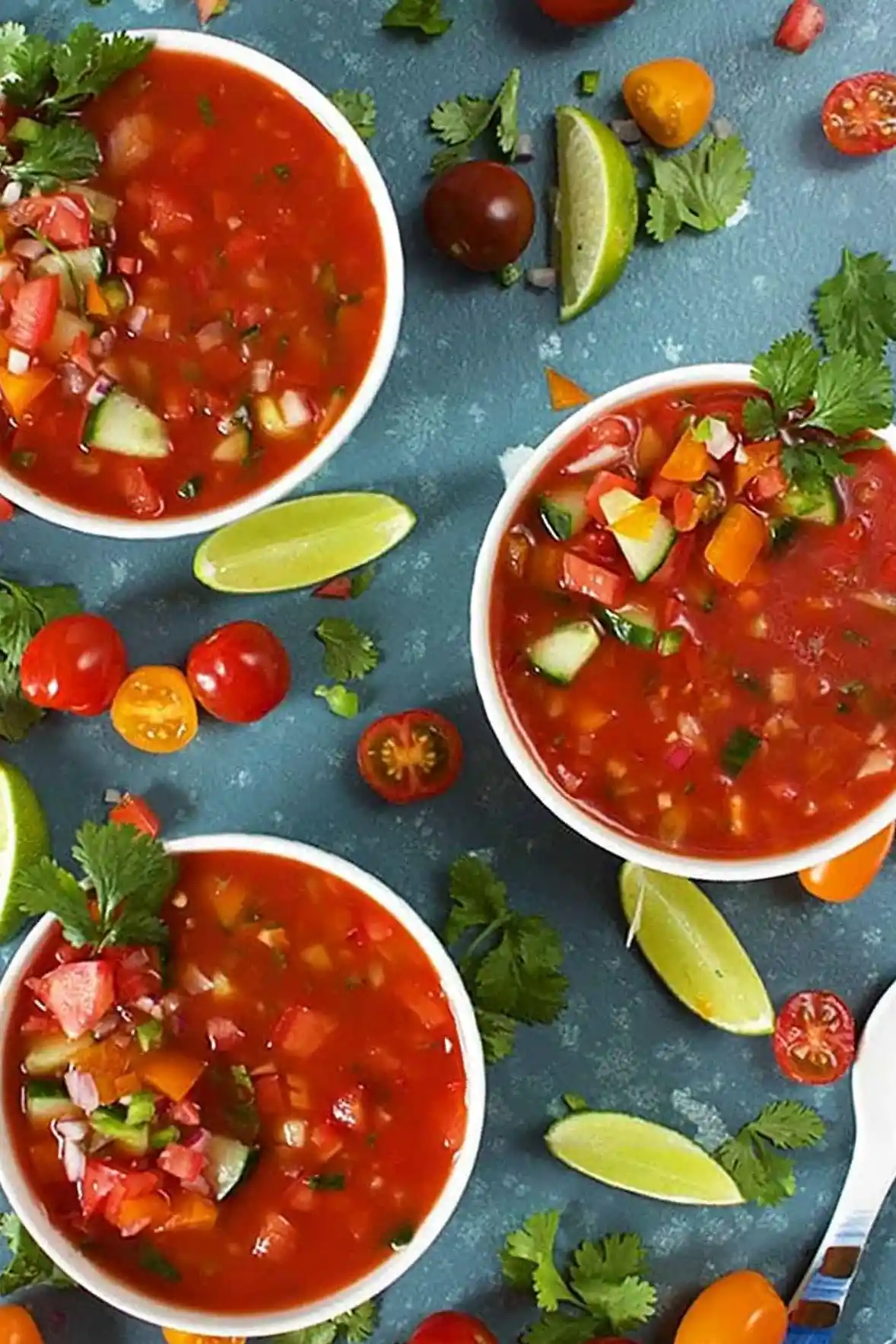
List of ingredients
- 1 cup finely chopped English cucumber – provides a cool, crisp crunch.
- 1 cup finely chopped orange bell pepper – adds a sweet, vibrant flavor.
- 6 whole Roma tomatoes – seeded and finely chopped for a meaty texture.
- 1/4 cup minced red onion – delivers a sharp, peppery bite.
- 1 tablespoon minced jalapeno – adds a gentle kick of heat.
- 1 large garlic clove – minced for aromatic depth.
- 1/4 cup chopped fresh cilantro – brings a bright, herby freshness.
- 1 whole lime – use both the zest and the juice for acidity.
- 1/4 cup apple cider vinegar – provides a tangy, slightly sweet balance.
- 1 tablespoon Worcestershire sauce – adds a deep, savory umami quality.
- 4 cups tomato juice – serves as the smooth, chilled liquid base.
- 1 teaspoon kosher salt – enhances all the natural vegetable flavors.
- 1 teaspoon fresh ground pepper – adds a subtle, woody spice.
- 1 teaspoon hot sauce – increases the zesty heat to your preference.
step-by-step instructions
- Combine Vegetables: In a large mixing bowl, toss together the chopped cucumber, bell pepper, tomatoes, red onion, jalapeño, garlic, and cilantro. Ensure the vegetables are evenly distributed.
- Add Liquid Base: Pour in the lime juice, lime zest, apple cider vinegar, Worcestershire sauce, and tomato juice. Stir the mixture thoroughly to combine all flavors.
- Season the Soup: Add the kosher salt and fresh ground pepper to the bowl. Stir in the hot sauce to complete the seasoning process.
- Chill the Mixture: Cover the bowl tightly and place it in the refrigerator. Let the soup chill for at least 30 minutes to allow the flavors to meld.
- Serve: Dish the gazpacho into bowls or glasses. Serve it very cold or at room temperature depending on your preference.
Selecting the Best Produce
Choose Ripe Roma Tomatoes
Roma tomatoes are ideal because they have thicker walls and fewer seeds. This prevents the soup from becoming too watery while providing a rich tomato taste. Always look for firm, deep red fruits for the best results.
Use English Cucumbers for Texture
English cucumbers are preferred because their skin is thinner and their seeds are smaller. You can use them without peeling, which saves time and adds color. They provide a consistent, refreshing crunch in every spoonful.
Pick Vibrant Orange Bell Peppers
Orange peppers offer a mild sweetness that balances the acidity of the vinegar and lime. They also provide a beautiful visual contrast against the red tomato base. Ensure the peppers are crisp and free of soft spots.
Select Fresh Cilantro Leaves
Use the tender leaves and upper stems of the cilantro for the best flavor. Fresh herbs are essential in a raw soup to provide an aromatic lift. Avoid using dried cilantro as it lacks the necessary brightness.
Customizing the Soup Texture
Achieve a Completely Smooth Puree
If you prefer a traditional creamy texture, transfer all the ingredients into a blender or food processor. Pulse until the vegetables are completely liquefied and the soup is uniform. This version is excellent for serving in shot glasses as an appetizer.
Create a Semi-Smooth Consistency
For a balance between texture and smoothness, blend only half of the prepared soup. Stir the pureed portion back into the remaining chunky vegetables. This method provides a thicker body while keeping some of the fresh vegetable pieces.
Maintain the Chunky Salsa Style
To keep the recipe as written, focus on the precision of your knife work. Finely dicing the vegetables ensures that every bite contains a bit of everything. This style feels more like a refreshing cold salad than a traditional soup.
Flavor Variations and Substitutions
Swap Red Onion for Sweet Onion
If the bite of red onion is too intense, substitute it with a finely diced sweet onion or Vidalia onion. This reduces the sharpness and adds a subtle sugary note. It is a great option for those with more sensitive palates.
Try Different Vinegars for Tang
While apple cider vinegar is great, you can use sherry vinegar for a more traditional Spanish flavor. Red wine vinegar adds a bolder tang, while champagne vinegar provides a softer, more delicate acidity. Use the same 1/4 cup measurement regardless of the choice.
Adjust the Heat Levels
For a mild version, remove the seeds and membranes from the jalapeño before chopping. If you prefer more spice, increase the amount of hot sauce or add a pinch of cayenne pepper. You can also substitute the jalapeño with a serrano pepper for a sharper heat.
Low Sodium Alternatives
To reduce the salt content, use a low-sodium tomato juice. You can also reduce the amount of Worcestershire sauce and increase the lime juice for brightness. Adjust the kosher salt at the end only after tasting the chilled soup.
Serving and Pairing Ideas
Pair with Crusty Artisanal Breads
A toasted baguette or a slice of sourdough bread complements the acidity of the soup. Rub a raw garlic clove on toasted bread for extra flavor. This adds a satisfying crunch and makes the meal more filling.
Serve as a Party Appetizer
Pour the gazpacho into small pedestal glasses or shot glasses for a sophisticated party look. Top each glass with a tiny drizzle of olive oil and a sprig of cilantro. This allows guests to enjoy the refreshing flavors in a small, manageable portion.
Complementary Protein Pairings
This soup pairs exceptionally well with grilled shrimp skewers or a piece of lemon-herb grilled chicken. The cold, acidic nature of the soup cuts through the richness of grilled meats. A simple piece of seared salmon also works well.
Light Lunch Combinations
Serve the gazpacho alongside a simple wedge salad or avocado toast. These options keep the meal light and refreshing for a hot afternoon. A side of cheese and crackers also provides a nice savory contrast.
Garnish and Finishing Touches
Add Creamy Avocado Cubes
Dicing a ripe avocado and placing it on top of the soup adds a rich, buttery texture. The creaminess of the avocado balances the sharp acidity of the lime and vinegar. It also adds a beautiful green color to the presentation.
Use Fresh Herb Garnishes
While cilantro is in the soup, adding fresh basil or chopped chives on top adds another layer of flavor. Finely sliced green onions provide a mild onion flavor and a professional look. Use herbs that are fresh and vibrant.
Finish with a Drizzle of Extra Virgin Olive Oil
A small swirl of high-quality olive oil on the surface adds a silky mouthfeel. It also helps to carry the flavors of the garlic and pepper across the palate. Use a fruity olive oil for the best pairing with raw tomatoes.
Top with Crunchy Croutons
Homemade garlic croutons add a necessary textural contrast to the soft vegetables. Toast small cubes of bread with olive oil and salt until golden brown. Add them immediately before serving to prevent them from becoming soggy.
Storage and Preservation
Refrigeration Guidelines
Keep the leftover gazpacho in an airtight glass container in the refrigerator. It will stay fresh for up to three days. Always stir the soup well before serving, as the vegetables may settle at the bottom.
Freezing and Thawing Methods
You can freeze this soup for up to three months in a freezer-safe container. Note that the fresh vegetables may release more water upon thawing, which can change the texture. Thaw the soup overnight in the fridge and stir or blend it briefly to re-emulsify.
Optimal Make-Ahead Timing
Gazpacho is best when made several hours or even a full day in advance. This allows the acidity to break down the raw onion and garlic, creating a more harmonious flavor. A minimum chill time of 30 minutes is required, but overnight is ideal.
Preventing Oxidation
To keep the colors bright, ensure the container is sealed tightly to prevent air exposure. If the soup sits for a long time, a fresh squeeze of lime juice can revive the brightness. Store at the coldest part of your refrigerator.
Troubleshooting Common Issues
Fixing a Watery Consistency
If the soup feels too thin, you can blend a small portion of the vegetables and stir them back in to thicken the base. Alternatively, add a tablespoon of tomato paste for a denser texture. Ensure you have seeded your tomatoes properly to avoid excess water.
Balancing Excessive Acidity
If the vinegar or lime juice feels too sharp, add a tiny pinch of sugar or honey. This neutralizes the acid without making the soup sweet. Stir well and let it sit for ten minutes before tasting again.
Reducing a Bitter Aftertaste
Bitterness usually comes from over-mincing the garlic or using old produce. Ensure your garlic is fresh and avoid using a food processor for the garlic to prevent it from becoming acrid. A pinch of salt often helps mask slight bitterness.
Managing Separated Ingredients
It is normal for the liquid and solids to separate during chilling. A vigorous stir with a large spoon will reintegrate the components. If using a blender for a smooth version, a quick pulse before serving will restore the emulsion.
Frequently Asked Questions
Can this soup be served warm?
Traditional gazpacho is designed to be a chilled soup. While cooked tomato soups exist, this specific recipe uses raw vegetables and lime juice, which lose their refreshing quality when heated. It is best enjoyed cold.
How long does it last in the fridge?
The soup remains fresh and tasty for up to three days when stored in an airtight container. Because it contains fresh raw vegetables, it is best consumed within this window to maintain the crisp texture.
Can I use cherry tomatoes instead of Roma?
Yes, cherry tomatoes work well and are often very sweet. You will need to slice them in half and remove the seeds to prevent the soup from becoming too liquid. Use a similar volume to the 6 Roma tomatoes called for in the recipe.
Is it possible to make this without tomato juice?
You can substitute the tomato juice with a blend of fresh tomatoes and a splash of water or vegetable broth. However, the tomato juice provides a consistent, savory base that is difficult to replicate without a blender.
Can I substitute the cilantro with parsley?
Parsley is a suitable alternative if you do not enjoy the taste of cilantro. It provides a clean, peppery freshness that complements the other vegetables. Use the same 1/4 cup measurement for the substitution.
Print
Refreshing Chunky Gazpacho
- Total Time: 15 minutes
- Yield: 6 servings 1x
- Diet: General
Description
A no cook chilled tomato soup, this Easy Gazpacho recipe is like summer in a bowl.
Ingredients
- 1 cup finely chopped English cucumber
- 1 cup finely chopped orange bell pepper
- 6 whole Roma tomatoes, seeded and finely chopped
- 1/4 cup minced red onion
- 1 tablespoon minced jalapeno
- 1 large garlic clove, minced
- 1/4 cup chopped fresh cilantro
- 1 whole lime, zest and juice
- 1/4 cup apple cider vinegar
- 1 tablespoon Worcestershire sauce
- 4 cups tomato juice
- 1 teaspoon kosher salt
- 1 teaspoon fresh ground pepper
- 1 teaspoon hot sauce
Instructions
- Step 1: In a large bowl, toss together the cucumber, bell pepper, tomato, onion, jalapeño, garlic and cilantro.
- Step 2: Add the lime juice, zest, apple cider vinegar, Worcestershire sauce and tomato juice to the bowl. Stir to combine.
- Step 3: Season with salt and pepper. Stir in the hot sauce.
- Step 4: Cover and chill for at least 30 minutes.
- Step 5: Serve chilled or at room temperature.
Notes
For a smoother gazpacho, blend all or part of the soup in a blender or food processor until it reaches your desired texture. Store leftovers in an airtight container in the refrigerator for up to 3 days. Gazpacho can be frozen for up to 2 to 3 months, though the texture may change slightly after thawing.
- Prep Time: 15 minutes
- Cook Time: 0 minutes
- Category: Soup
- Method: No-Cook
- Cuisine: Spanish
Nutrition
- Serving Size: 1 serving
- Calories: 61 kcal
- Sugar: 9 g
- Sodium: 455 mg
- Fat: 0 g
- Saturated Fat: 0 g
- Unsaturated Fat: 0 g
- Trans Fat: 0 g
- Carbohydrates: 14 g
- Fiber: 2 g
- Protein: 2 g
- Cholesterol: 0 mg