This streamlined salmon rice bowl is an efficient way to repurpose leftover fish into a satisfying meal. It utilizes a unique microwave steaming method to ensure the rice and protein remain moist.

List of ingredients
- 1 Salmon Filet – cooked and chilled for shredding.
- 1 cup Rice – brown rice is recommended for added fiber.
- 2 tbsp Soy Sauce – provides a salty, umami base.
- 1-2 tbsp Sriracha – adjust based on your heat preference.
- 2 tbsp Kewpie Mayo – adds a rich, creamy texture.
- Roasted Seaweed – used for creating mini wraps.
- 1/2 Avocado – sliced for healthy fats and creaminess.
- Kimchi – adds a fermented, spicy crunch.
step-by-step instructions
- Shred the salmon: Take your cooked salmon filet and flake it into small pieces on a plate.
- Add rice: Place a generous spoonful of cooked rice directly on top of the shredded salmon.
- Position the ice: Place one single ice cube in the center of the rice pile.
- Cover for steaming: Lay a sheet of parchment paper over the ice, rice, and salmon to trap moisture.
- Microwave: Heat the plate in the microwave for 2 to 3 minutes.
- Prepare for mixing: Carefully remove the parchment paper and discard the remaining ice cube.
- Combine sauces: Stir the soy sauce, sriracha, and Kewpie mayo into the warm salmon and rice mixture.
- Add avocado: Slice half an avocado and place the pieces on the side of the bowl.
- Serve with seaweed: Use the roasted seaweed sheets to scoop up the mixture into small rolls.
Optimal Salmon Preparation Methods
Air Fryer Salmon for Easy Shredding
Cook your filet at 400°F for about 8 to 12 minutes depending on thickness. This method creates a firm exterior while keeping the inside moist, which makes the salmon easier to flake into uniform pieces for the bowl.
Oven Roasting for Bulk Prep
Bake salmon at 375°F for 15 minutes. This is the best approach if you are preparing multiple filets at once to ensure you have enough leftovers for several days of rice bowls.
Pan Searing for Richer Flavor
Sear the filet in a hot pan with a small amount of oil for 4 minutes per side. The caramelization from the pan adds a deeper flavor profile to the final bowl that differs from the cleaner taste of steamed or air-fried fish.
Choosing the Right Rice Grain
Brown Rice for Sustained Energy
Brown rice offers a nuttier flavor and more fiber, which helps keep you full longer. It provides a hearty texture that stands up well to the creamy mayo and spicy sriracha.
Sushi Rice for Better Texture
Short-grain sushi rice is naturally stickier, which makes the final mixture hold together more effectively. This is especially useful if you prefer your seaweed wraps to be more compact.
White Jasmine Rice for Lightness
Jasmine rice provides a floral aroma and a softer texture. It absorbs the soy sauce and mayo more quickly than brown rice, resulting in a more cohesive flavor in every bite.
Mastering the Microwave Steaming Technique
The Role of the Ice Cube
The ice cube does not melt instantly; instead, it releases a steady stream of steam as it slowly heats. This process rehydrates the rice and salmon without overcooking them or making them rubbery.
Using Parchment Paper as a Lid
Parchment paper acts as a breathable barrier that traps the steam inside the bowl. Unlike plastic wrap, it allows just enough pressure to escape so the food steams rather than boils.
Adjusting Microwave Power Settings
If your microwave is very powerful, reduce the time to 2 minutes to avoid drying out the edges of the rice. Check the center of the bowl to ensure the ice has created a moist environment before removing the cover.
Enhancing the Flavor Profile
Balancing the Spicy Elements
If Sriracha is too intense, replace half of it with a mild chili garlic sauce. This maintains the heat but introduces a savory garlic note that complements the salmon.
Substituting the Mayonnaise
Kewpie mayo is preferred for its egg-yolk richness and hint of MSG. If unavailable, use a standard mayonnaise mixed with a drop of rice vinegar to mimic that signature tang.
Adding Umami with Different Soy Alternatives
Use tamari for a gluten-free option or coconut aminos for a lower-sodium alternative. These substitutes maintain the salty depth required to balance the richness of the avocado.
Nutritional Vegetable Add-ins
Adding Fresh Cucumber for Crunch
Thinly sliced Persian cucumbers provide a refreshing contrast to the warm rice and salmon. The coolness of the cucumber cuts through the richness of the mayonnaise.
Integrating Edamame for Protein
Shelled edamame adds a bright green color and extra plant-based protein. Steam them briefly or add them raw to the bowl for a slight snap in texture.
Incorporating Shredded Carrots
Grated carrots add a subtle sweetness and extra beta-carotene. Mix them directly into the rice and salmon before adding the sauces to ensure they are evenly distributed.
Proper Storage and Freshness
Storing the Salmon and Rice Base
Keep the cooked salmon and rice in an airtight container in the refrigerator for up to three days. Store them together so the rice can absorb some of the salmon juices.
Preventing Avocado Browning
Slice the avocado immediately before serving. If you must prep it early, toss the slices in a small amount of lemon or lime juice to prevent oxidation.
Maintaining Kimchi Crispness
Store kimchi in its own fermented brine in a glass jar. Do not mix it into the bowl until you are ready to eat to keep the cabbage crunchy and the flavors sharp.
Reheating and Make-Ahead Advice
The Best Way to Reheat
Always use the ice cube method for reheating to avoid the ‘hard rice’ phenomenon. This ensures the proteins and grains return to a fresh, moist state without becoming chewy.
Prepping Ingredients for the Week
Cook a large batch of rice and salmon on Sunday. Portion the salmon into individual containers to make the daily assembly process take less than five minutes.
Avoiding Overheating the Sauces
Mix the mayo and sriracha into the rice after the microwave process is complete. Heating mayonnaise can cause it to separate and lose its creamy consistency.
Troubleshooting Common Issues
What to Do if the Rice is Too Dry
If the ice cube wasn’t enough, add a teaspoon of water or vegetable broth before covering with parchment paper. This provides extra moisture for the microwave to convert into steam.
Fixing an Overly Salty Bowl
If the soy sauce and kimchi make the bowl too salty, add extra avocado or a squeeze of lime. The fats in the avocado and the acidity of the lime neutralize excessive saltiness.
Handling Salmon that is Too Dry
If the leftover salmon was overcooked initially, increase the amount of Kewpie mayo. The fat in the mayo helps mask the dryness of the fish and improves the mouthfeel.
Frequently Asked Questions
Can I use frozen salmon?
Yes, but you must fully cook the salmon first. This recipe is designed for cooked leftovers; you cannot microwave raw frozen salmon using this specific steaming method.
Is brown rice better than white rice for this recipe?
Brown rice is more nutritious and has a heartier texture, but white sushi rice is better if you want the bowl to feel more like a traditional deconstructed sushi roll.
Can I make this without a microwave?
Yes, you can steam the rice and salmon in a traditional steamer basket for 5 minutes. Then, mix in the condiments as usual.
How do I choose the best seaweed?
Look for roasted seaweed snacks that are lightly salted. These are thinner and crispier than raw nori sheets, making them easier to use as wraps for the rice bowl.
What can I use if I don’t have kimchi?
Pickled ginger or pickled radishes are excellent alternatives. They provide the same acidic and fermented profile that balances the fatty salmon and mayo.
Print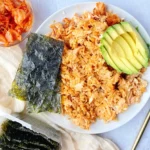
Quick Salmon and Rice Bowl
- Total Time: 13 minutes
- Yield: 1 serving 1x
- Diet: Pescatarian
Description
A viral TikTok-inspired Salmon Rice Bowl using the unique steaming ice cube method to perfectly reheat leftover salmon and rice.
Ingredients
- 1 salmon filet
- 1 cup brown rice
- 2 tbsp soy sauce
- 1–2 tbsp sriracha
- 2 tbsp kewpie mayo
- roasted seaweed
- 1/2 avocado
- kimchi
Instructions
- Shred: Take your salmon, assuming it’s leftover, and shred it onto a plate.
- Layer: Take a spoonful of your rice and plop it on top of your shredded salmon.
- Ice: Take 1 ice cube and place it in the middle of the rice.
- Cover: Take a sheet of parchment paper and place it over the ice, rice and salmon.
- Microwave: Microwave for 2-3 minutes.
- Clean: Take out of the microwave, throw away the parchment paper and ice.
- Mix: Mix in your soy sauce, sriracha and mayo.
- Garnish: Slice half an avocado and place it on the side.
- Serve: Make little mini roll-ups using the seaweed and enjoy!
Notes
This recipe is ideal for utilizing leftover salmon to reduce food waste.
- Prep Time: 10 minutes
- Cook Time: 3 minutes
- Category: Lunch
- Method: Microwaving
- Cuisine: Japanese-inspired
Nutrition
- Serving Size: 1 bowl
- Calories: 680 kcal
- Sugar: 5 g
- Sodium: 1150 mg
- Fat: 34 g
- Saturated Fat: 7 g
- Unsaturated Fat: 27 g
- Trans Fat: 0 g
- Carbohydrates: 58 g
- Fiber: 9 g
- Protein: 36 g
- Cholesterol: 95 mg