This recipe provides a fast way to prepare a savory and sweet beef dish using common pantry staples. It is an efficient option for weeknight meals or structured meal prepping.

List of ingredients
- 1/4 cup low-sodium soy sauce – provides the primary salty and umami base.
- 2 tablespoons packed dark brown sugar – adds a deep sweetness and helps the sauce glaze.
- 1/2 yellow onion, diced – adds aromatic flavor and texture.
- 1/2 teaspoon fresh ginger, minced – provides a sharp, spicy undertone.
- 3 cloves garlic, minced – adds pungent aromatic depth to the sauce.
- 1/2 teaspoon crushed red pepper flakes – introduces a mild heat level.
- 1 pound lean ground beef – the primary protein for the dish.
- 1 tablespoon sesame oil – adds a toasted nutty aroma and prevents sticking in the pan.
step-by-step instructions
- Prepare the sauce: In a small bowl, combine the low-sodium soy sauce, brown sugar, diced onion, minced ginger, minced garlic, and red pepper flakes. Stir until the sugar is mostly dissolved into the liquid.
- Brown the beef: Heat a skillet over medium-high heat with one tablespoon of sesame oil. Add the ground beef and cook until it is completely browned and cooked through, breaking it into small pieces with a spatula.
- Simmer the mixture: Pour the soy sauce mixture directly over the browned meat. Stir well to combine and let the mixture simmer for a few minutes to thicken the sauce and infuse the beef.
- Serve: Spoon the cooked beef over a bed of steamed white rice for the final presentation.
Optimizing Your Ground Beef Texture
Selecting the Right Fat Percentage
For this recipe, 90% lean ground beef is recommended to avoid excess grease in the final sauce. If using 80% lean beef, you should drain the rendered fat from the skillet before adding the soy sauce mixture. This ensures the glaze adheres to the meat rather than sliding off.
Using a Meat Chopper for Consistency
A handheld meat chopper or a sturdy potato masher helps create uniform crumbles. Smaller, consistent pieces of beef provide more surface area for the sauce to cling to. This results in a more balanced flavor in every bite compared to large chunks.
Managing Pan Heat to Prevent Burning
Keep the skillet on medium-high heat to achieve a proper sear on the beef. If the heat is too low, the meat will steam in its own juices instead of browning. Conversely, avoid maximum heat to prevent the sesame oil from reaching its smoke point and tasting bitter.
Alternative Ingredient Options
Substituting Low-Sodium Soy Sauce with Tamari
Tamari is a suitable alternative for those who require a gluten-free option. It typically has a richer, darker flavor than standard soy sauce. The ratio for substitution remains 1:1, maintaining the same volume in the recipe.
Replacing Brown Sugar with Honey or Maple Syrup
Honey or maple syrup can be used to replace brown sugar for a different sweetness profile. Since these are liquids, you may need to reduce the amount slightly to keep the sauce from becoming too thin. These alternatives provide a glossy finish to the beef.
Substituting Fresh Ginger with Ground Ginger
If fresh ginger is unavailable, ground ginger powder can be used. Use 1/8 teaspoon of ground ginger to replace 1/2 teaspoon of fresh minced ginger. Note that the flavor will be more concentrated and less zesty than the fresh version.
Using Garlic Powder Instead of Fresh Cloves
Garlic powder can replace fresh minced garlic in a pinch. Use 1/4 teaspoon of garlic powder for every clove of fresh garlic. While the flavor is less pungent, it blends more seamlessly into the sauce.
Vegetable Additions for Extra Nutrition
Incorporating Shredded Carrots for Added Texture
Add a handful of shredded carrots during the last two minutes of browning the beef. The carrots soften quickly and add a natural sweetness that complements the brown sugar. This also adds a pop of color to the final bowl.
Adding Sliced Water Chestnuts for Crunch
Water chestnuts provide a distinct crunch that contrasts with the soft texture of the beef and rice. Fold them in just before the simmering step to maintain their firmness. This addition mimics the texture found in many professional stir-fry dishes.
Adding Frozen Peas for Color and Nutrition
Frozen peas can be stirred into the pan during the final simmer. The heat from the beef will thaw the peas in about one to two minutes. This adds a hit of green color and increases the fiber content of the meal.
Using Sautéed Cabbage for a Bulkier Meal
Thinly sliced green or Napa cabbage can be sautéed with the onion before adding the beef. The cabbage wilts down and absorbs the savory sauce. This is an effective way to increase the volume of the meal without adding significant calories.
Adding Sliced Green Onions for Freshness
Freshly sliced green onions should be added as a garnish after the beef is removed from the heat. This preserves their crisp texture and bright flavor. The raw onion bite cuts through the richness of the sesame oil and beef.
Serving and Pairing Ideas
Serving with Steamed Jasmine Rice
Jasmine rice is ideal due to its slightly floral aroma and sticky texture. It absorbs the excess sauce from the beef effectively. Ensure the rice is steamed until fluffy before plating.
Using Cauliflower Rice for Low-Carb Options
For a lower-carbohydrate alternative, use riced cauliflower. Sauté the cauliflower rice briefly in a separate pan with a touch of oil before topping it with the Korean beef. This maintains the meal’s structure while reducing the caloric density.
Tossing with Rice Noodles
Thin rice noodles provide a different mouthfeel than rice. Boil the noodles according to the package directions, drain them, and toss them directly into the skillet with the beef and sauce. This creates a cohesive noodle dish where the sauce coats every strand.
Serving in Butter Lettuce Cups
Use large butter lettuce or romaine leaves as natural wraps. Spoon the beef into the center of the leaf and top with shredded carrots or sprouts. This provides a fresh, crisp contrast to the savory meat.
Storage and Meal Prep Guide
Preparing for Weekly Meal Prep
This recipe is well-suited for meal prepping because the flavors intensify over time. Divide the beef and rice into airtight containers immediately after cooking. This allows for a quick heat-and-eat lunch throughout the work week.
Cooling Meat Properly Before Refrigeration
Allow the cooked beef to cool slightly before sealing it in a container. Placing steaming hot food in a sealed container can create excess condensation. This moisture can make the beef soggy and reduce the shelf life.
Freezing for Long-Term Storage
The cooked beef can be frozen for up to three months in a freezer-safe bag or container. Ensure all air is squeezed out of the bag to prevent freezer burn. Thaw the beef in the refrigerator overnight before reheating.
Reheating via Stovetop for Best Texture
To reheat, place the beef in a small skillet over medium heat. Add a tablespoon of water or beef broth to loosen the sauce. Stir occasionally until the meat is heated through and the sauce is glossy again.
Reheating via Microwave for Convenience
Place the beef and rice in a microwave-safe dish and cover with a damp paper towel. This prevents the meat from drying out during the heating process. Heat in 60-second intervals, stirring in between, until hot.
Common Troubleshooting and FAQs
Addressing Excess Liquid in the Pan
If the sauce appears too watery after adding the mixture, increase the heat to medium-high. Continue to simmer without a lid for an additional two to three minutes. This allows the water to evaporate, concentrating the sugars into a thick glaze.
Balancing Overly Salty Sauce
If the sauce is too salty, add a small amount of water or a teaspoon of brown sugar. The extra sweetness or dilution will balance the sodium from the soy sauce. Adding a squeeze of lime juice can also brighten the flavor and mask excess salt.
Adjusting Too Much Sweetness
If the dish is too sweet, increase the amount of soy sauce or add a splash of rice vinegar. The acidity of the vinegar cuts through the sugar. Alternatively, adding more red pepper flakes can distract the palate from the sweetness with a bit of heat.
Fixing Grainy Brown Sugar
If the brown sugar does not dissolve and leaves grains in the sauce, simmer the mixture for a longer period. The heat will eventually break down the sugar crystals. You can also whisk the sauce more vigorously in the bowl before adding it to the pan.
Preventing Garlic from Burning
Avoid adding minced garlic to the hot oil too early in the browning process. Garlic burns quickly and becomes bitter. Adding it as part of the sauce mixture ensures it cooks gently during the simmering phase.
Can I use ground turkey instead of beef?
Yes, lean ground turkey is a suitable substitute. Since turkey is leaner, you may need to increase the sesame oil by one teaspoon to prevent the meat from sticking to the pan. The flavor profile remains very similar.
Is it possible to make this in a slow cooker?
This recipe is designed for a skillet to achieve browning. While you can cook the ingredients in a slow cooker, the beef will not have the same seared flavor. For best results, brown the beef in a pan first before transferring it to the slow cooker.
How long does this keep in the fridge?
When stored in an airtight glass container, this beef will stay fresh for up to five days. Ensure the container is sealed tightly to prevent the meat from absorbing other odors in the refrigerator.
What can I use if I don’t have sesame oil?
Canola or vegetable oil can be used as a neutral substitute for cooking the beef. However, you will lose the distinct nutty flavor. To compensate, you can garnish the final dish with toasted sesame seeds.
Can I add more heat to the recipe?
To increase the spice level, add a teaspoon of Sriracha or Gochujang (Korean chili paste) to the sauce mixture. You can also increase the amount of crushed red pepper flakes. Adjust the heat gradually to maintain the balance of flavors.
Print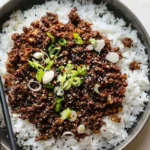
Quick Korean Ground Beef Bowls
- Total Time: 25 minutes
- Yield: 4 servings 1x
- Diet: General
Description
Korean beef is an easy dinner for those craving some Asian flavor!
Ingredients
- 1/4 cup low-sodium soy sauce
- 2 tablespoons packed dark brown sugar
- 1/2 yellow onion, diced
- 1/2 teaspoon fresh ginger, minced
- 3 cloves garlic, minced
- 1/2 teaspoon crushed red pepper flakes
- 1 pound lean ground beef
- 1 tablespoon sesame oil
Instructions
- Step: In a small bowl, mix the soy sauce, brown sugar, onion, ginger, garlic and red pepper flakes together.
- Step: In a skillet, on medium high, cook your ground beef with the sesame oil until well done.
- Step: Pour in the soy sauce mixture over the meat and combine together. Let it simmer for a few minutes.
- Step: Serve over white rice.
Notes
This recipe tastes similar to Korean bulgogi but uses ground beef for simplicity. It is excellent for meal prep and reheats well.
- Prep Time: 10 minutes
- Cook Time: 15 minutes
- Category: Main Course
- Method: Stovetop
- Cuisine: Asian
Nutrition
- Serving Size: 1 serving
- Calories: 228 kcal
- Sugar: 7 g
- Sodium: 655 mg
- Fat: 9 g
- Saturated Fat: 3 g
- Unsaturated Fat: 6 g
- Trans Fat: 0.4 g
- Carbohydrates: 9 g
- Fiber: 0.5 g
- Protein: 26 g
- Cholesterol: 70 mg