This blackened shrimp dish delivers bold, spicy flavors in under 20 minutes. It is a versatile protein that pairs well with rice, pasta, or fresh salads.
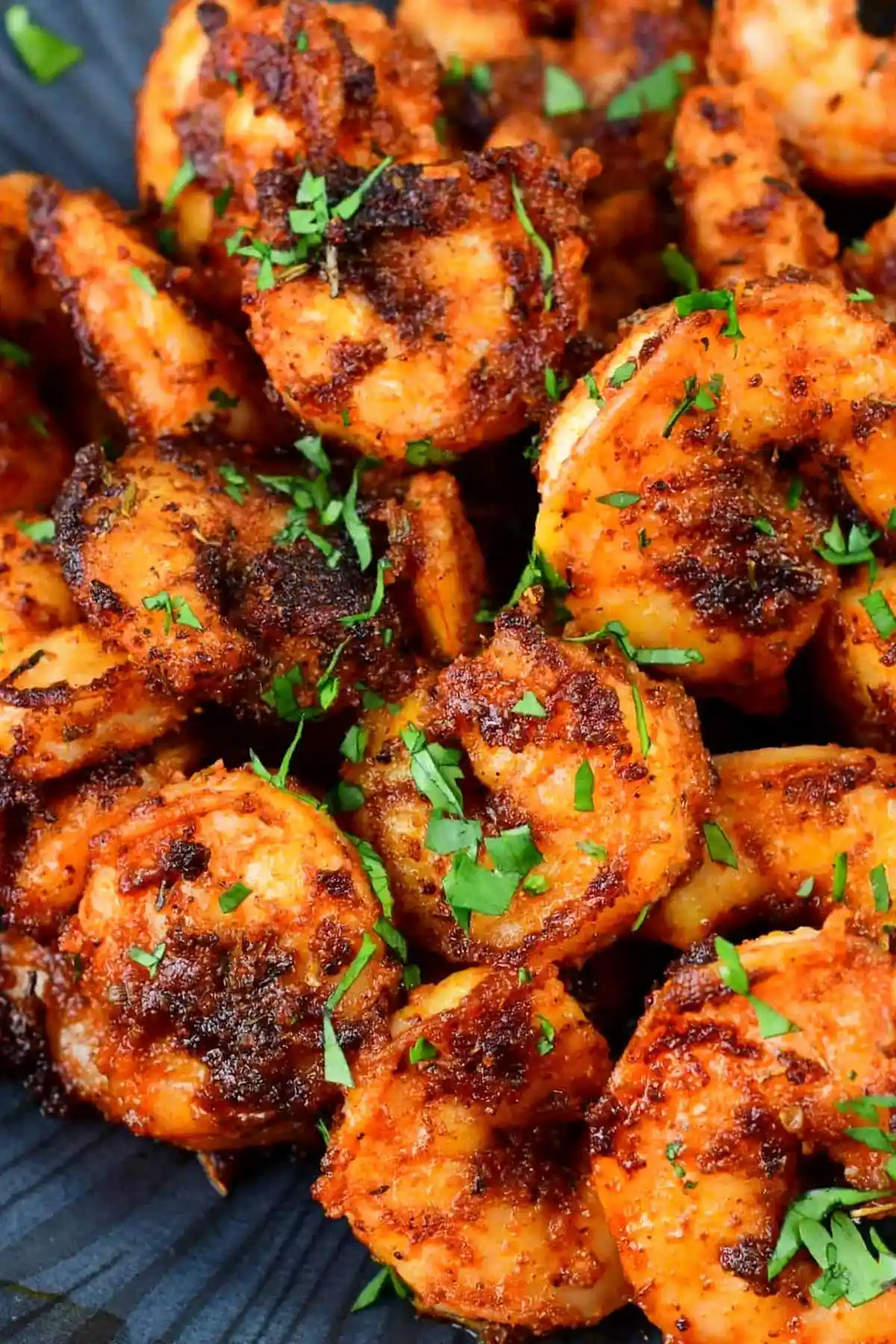
List of ingredients
- 1 lb uncooked shrimp (large, extra large, or jumbo size)
- 2 tbsp butter, melted – used for coating the shrimp.
- 1 tbsp butter – used for searing in the pan.
- 1 tbsp paprika – adds color and earthy flavor.
- 2 tsp garlic powder – provides a pungent aroma.
- 2 tsp onion powder – adds a subtle sweetness.
- 1/2 tsp dried oregano – brings a herbal note.
- 1/2 tsp dried basil – complements the other herbs.
- 1 tsp dried thyme – adds a woody fragrance.
- 1 tsp salt – enhances all existing flavors.
- 1/4 tsp black pepper – adds a mild, sharp heat.
- 1/4 tsp cayenne pepper – controls the overall spiciness; increase for more heat.
step-by-step instructions
- Clean the Shrimp: If using shrimp in shells, peel and devein them first. Do not skip this cleaning step to ensure the best texture.
- Prepare Temperature: Let the shrimp warm up on the counter for a few minutes. This prevents the melted butter from solidifying and ensures the seasoning adheres evenly.
- Heat the Pan: Preheat a cooking pan over medium-high heat. A cast iron skillet is recommended for superior heat retention and even cooking.
- Dry the Protein: Pat the cleaned shrimp dry with a paper towel. Place the dried shrimp into a mixing bowl.
- Mix the Spices: In a separate small bowl, combine the paprika, garlic powder, onion powder, oregano, basil, thyme, salt, black pepper, and cayenne pepper.
- Coat with Butter: Pour the melted butter over the shrimp and toss until every piece is evenly coated.
- Apply Seasoning: Sprinkle the homemade blackening seasoning over the buttery shrimp. Mix gently to ensure a full and even coating of spices.
- Sear the Shrimp: Add one tablespoon of butter to the fully preheated skillet. Place the shrimp in the pan in a single layer, making sure they do not overlap.
- Cook and Flip: Cook the shrimp until they are pink and opaque on one side. Flip them over and cook until the other side is also pink and opaque. This typically takes 4-5 minutes total.
- Serve: Remove the shrimp from the pan immediately once cooked. Serve them alongside your preferred sides or atop a dish of pasta.
Optimizing Your Cooking Equipment
Use a Cast Iron Skillet for Heat Retention
Cast iron is the ideal choice for blackening because it maintains a high, consistent temperature. This allows the spices to sear and create a dark crust without overcooking the interior of the shrimp. Other pans may lose heat too quickly when the cold shrimp are added.
Utilize Large Mixing Bowls for Even Coating
Using a bowl larger than necessary allows you to toss the shrimp without knocking the seasoning off. This ensures that every side of the shrimp is fully covered in butter and spices. Avoid overcrowding the bowl to keep the coating consistent.
Selecting and Preparing the Shrimp
Select Large or Jumbo Shrimp to Avoid Overcooking
Large, extra-large, or jumbo shrimp are preferable because they have more mass. Smaller shrimp cook through very quickly and are much easier to overcook, leading to a rubbery texture. Larger sizes provide a better window of time to achieve the perfect sear.
Thaw Frozen Shrimp Slowly in the Refrigerator
For the best quality, thaw frozen shrimp overnight in the refrigerator. This slow process preserves the cell structure and prevents the meat from becoming mushy. Avoid thawing in warm water, as this can move the seafood into unsafe temperature zones.
Ensure Shrimp are Properly Peeled and Deveined
Removing the digestive tract, or deveining, is essential for both taste and texture. If you prefer a more rustic look, you can leave the tails on for easier handling when serving as an appetizer. Always pat the shrimp completely dry after cleaning to ensure the butter sticks.
Customizing the Seasoning Blend
Adjust Cayenne Pepper for More or Less Heat
The cayenne pepper is the primary source of heat in this recipe. For a mild flavor, reduce the amount to a pinch or 1/8 teaspoon. If you prefer a very spicy dish, increase the amount to 1/2 teaspoon or more in small increments.
Control Sodium Levels with Unsalted Butter
Since the blackening seasoning contains a full teaspoon of salt, using unsalted butter is recommended. This prevents the final dish from becoming overly salty. If using salted butter, reduce the salt in the spice mix accordingly.
Prepare Large Batches of Seasoning for Future Use
The homemade spice blend can be made in larger quantities and stored in an airtight glass jar. This saves preparation time for future meals. Keep the jar in a cool, dark place to preserve the potency of the dried herbs.
Alternative Cooking Methods
Bake Seasoned Shrimp in the Oven
For a hands-off approach, spread the seasoned shrimp on a baking sheet lined with parchment paper. Bake at 400°F for approximately 8 minutes. This method is useful for larger quantities where pan-searing would cause overcrowding.
Grill Shrimp Using Metal or Soaked Wooden Skewers
Skewering the shrimp makes them easier to flip on a grill and prevents them from falling through the grates. Grill for about 2 minutes per side over indirect heat. Be cautious not to use heat that is too high, as the spices can burn quickly on a grill.
Serving and Pairing Suggestions
Serve Over a Bed of Fluffy Rice or Quinoa
The bold spices of the shrimp pair well with neutral grains like jasmine rice or quinoa. These grains absorb the leftover buttery sauce from the pan. Add a squeeze of fresh lemon juice over the top to brighten the flavors.
Incorporate into Fresh Tacos or Wraps
Blackened shrimp are excellent in corn or flour tortillas. Top them with shredded cabbage, sliced avocado, and a dollop of sour cream or Greek yogurt. The creaminess of the toppings balances the heat of the cayenne.
Toss with Pasta and a Lemon Garlic Sauce
Mix the cooked shrimp into linguine or fettuccine tossed in a light garlic and lemon butter sauce. The acidity of the lemon cuts through the richness of the butter. This turns the shrimp into a complete and filling main course.
Storage and Reheating Guidelines
Store in Airtight Containers for Two to Three Days
Place cooked shrimp in a sealed container and keep them in the refrigerator. They will maintain their quality for about 2 to 3 days. Avoid freezing cooked shrimp, as the texture becomes unpleasant upon thawing.
Reheat Quickly in a Pan with Extra Butter
To reheat, place the shrimp in a preheated skillet over medium heat with a small pat of butter. Heat them for only about one minute just until warmed through. Overheating them during the second cook will make them tough and rubbery.
Common Cooking Challenges
Prevent Seasoning from Clumping by Warming Shrimp
Cold shrimp cause melted butter to solidify instantly upon contact. This prevents the spices from adhering evenly and creates clumps of seasoning. Letting the shrimp reach room temperature ensures a smooth, consistent coating.
Avoid Rubberiness by Monitoring Cooking Time
Shrimp cook very quickly, and the difference between perfectly done and overcooked is only a minute. Remove them from the pan the moment they turn opaque and pink. They will continue to cook slightly from residual heat after being removed.
Prevent Crowding the Pan to Ensure Proper Searing
If too many shrimp are placed in the pan at once, the temperature drops and they will steam rather than sear. Ensure there is space between each piece of shrimp. Cook in batches if necessary to maintain the high heat required for blackening.
Frequently Asked Questions
How spicy is this shrimp recipe?
The heat level is moderate and enjoyable. The primary heat comes from the cayenne and black pepper. You can easily scale the heat up or down by adjusting the amount of cayenne pepper used.
Can I use store-bought blackening seasoning?
Yes, you can use a commercial blend for convenience. However, check the salt content on the label. If salt is listed as a primary ingredient, omit the additional salt called for in the recipe.
What is the best way to thaw frozen shrimp?
The safest and most effective method is thawing slowly in the refrigerator for 24 to 48 hours. This keeps the seafood at a safe temperature and preserves the texture of the meat.
Can I use a different fat instead of butter?
Plant-based butter is a suitable alternative for those avoiding dairy. You can also use a high-smoke point oil, although you will lose the rich, creamy flavor that butter provides to the blackening process.
Print
Quick and Spicy Blackened Shrimp
- Total Time: 21 minutes
- Yield: 2 servings 1x
- Diet: Gluten Free
Description
Blackened shrimp is a spicy, buttery easy shrimp recipe that features bold flavors of homemade blackening seasoning and it only takes about 15 minutes to make.
Ingredients
- 1 lb uncooked shrimp (large, extra large, or jumbo size)
- 2 tbsp butter, melted
- 1 tbsp butter, for cooking
- 1 tbsp paprika
- 2 tsp garlic powder
- 2 tsp onion powder
- 1/2 tsp dried oregano
- 1/2 tsp dried basil
- 1 tsp dried thyme
- 1 tsp salt
- 1/4 tsp black pepper
- 1/4 tsp cayenne pepper
Instructions
- Step: Peel and devein the shrimp if they are in shells.
- Step: Let the shrimp warm up on the counter for a few minutes.
- Step: Preheat a cooking pan, preferably a cast iron skillet, over medium-high heat.
- Step: Pat clean shrimp dry with a paper towel and add them to a mixing bowl.
- Step: In another small bowl, mix together the paprika, garlic powder, onion powder, dried oregano, dried basil, dried thyme, salt, black pepper, and cayenne pepper.
- Step: Add melted butter to the shrimp and toss to coat them evenly.
- Step: Sprinkle the blackening seasoning over the shrimp and mix gently until evenly coated.
- Step: Add a tablespoon of butter to the preheated skillet and add shrimp in one even layer, not overlapping.
- Step: Cook shrimp until pink and opaque on one side, then flip and cook until pink and opaque on the other side (about 4-5 minutes total).
- Step: Remove from the pan immediately and serve.
Notes
Use unsalted butter to control salt levels. Plant-based butter can be used as a substitute. Adjust the cayenne pepper to increase or decrease the heat level.
- Prep Time: 15 minutes
- Cook Time: 6 minutes
- Category: Main Course
- Method: Pan Searing
- Cuisine: Cajun
Nutrition
- Serving Size: 1 serving
- Calories: 411 kcal
- Sugar: 1 g
- Sodium: 3084 mg
- Fat: 21 g
- Saturated Fat: 11 g
- Unsaturated Fat: 10 g
- Trans Fat: 0 g
- Carbohydrates: 7 g
- Fiber: 2 g
- Protein: 48 g
- Cholesterol: 617 mg