This one-pot meal provides a balanced combination of protein and grains with minimal cleanup. It is an efficient way to prepare a healthy dinner using a pressure cooker for consistent results.
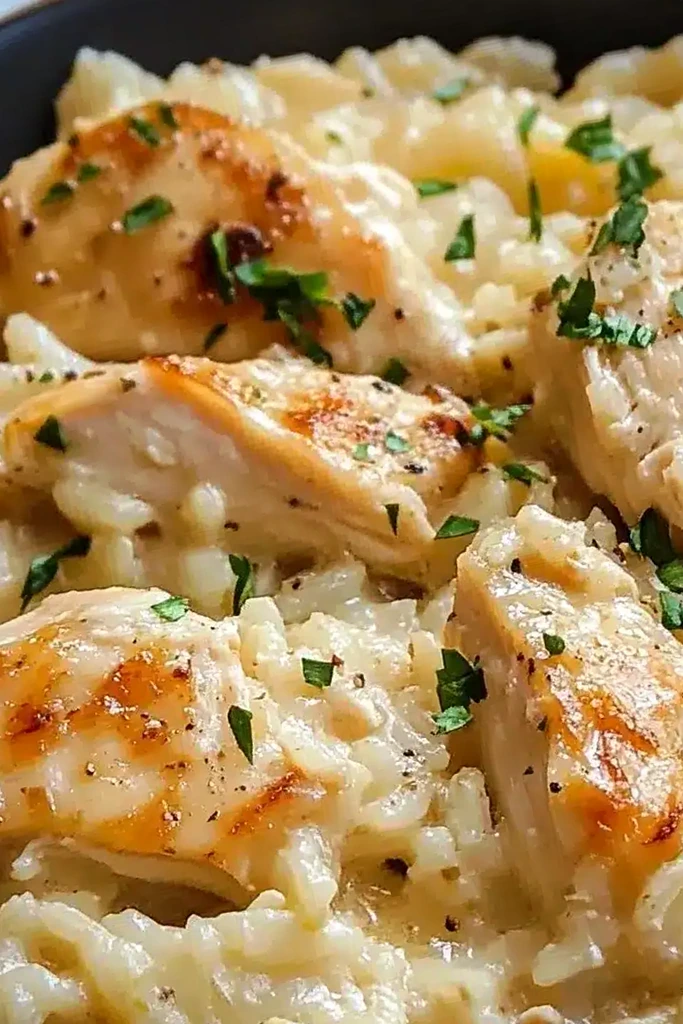
List of ingredients
- 2 cups long-grain white rice – offers the perfect texture for this dish.
- 1 pound boneless, skinless chicken thighs or breasts – thighs provide more flavor, while breasts are a leaner option.
- 4 cups chicken broth – adds depth; low-sodium broth is a great alternative.
- 1 medium onion, chopped – enhances the flavor profile.
- 2 cloves garlic, minced – provides an aromatic touch.
- 1 teaspoon paprika – adds color and flavor; smoked paprika can be used for a unique twist.
- 1 teaspoon dried thyme – fresh thyme is also a suitable replacement.
- Salt and pepper to taste – essential seasonings for the meat and rice.
- 1 cup frozen peas and carrots (optional) – for an added nutritional boost and color.
step-by-step instructions
- Prepare the Ingredients: Chop the onion and mince the garlic. Rinse the rice under cold water until the water runs clear to ensure the rice remains fluffy.
- Sauté: Set the Instant Pot to ‘Sauté’ mode. Add a splash of olive oil, and once hot, sauté the chopped onion and minced garlic for 2-3 minutes until translucent and fragrant.
- Season and Brown: Add the chicken to the pot and sprinkle with paprika, thyme, salt, and pepper. Sear the chicken for about 2 minutes on each side to develop color, without cooking it fully.
- Add Rice and Broth: Pour in the rinsed rice and chicken broth. Mix well to ensure the rice is fully submerged in the liquid and no grains are stuck to the bottom.
- Pressure Cook: Close the lid and set the valve to the sealing position. Select ‘Manual’ or ‘Pressure Cook’ mode on high for 8 minutes.
- Natural Release: After the timer ends, allow the pot to undergo a natural release for 10 minutes. Carefully turn the valve to vent to release any remaining steam.
- Fluff and Serve: Open the lid and gently fluff the rice with a fork. If using frozen peas and carrots, stir them in and replace the lid for 2-3 minutes to let the residual heat warm them through. Garnish with parsley or cilantro.
Technical Cooking Tips for Better Results
Rinse Rice to Remove Excess Starch
Rinsing long-grain white rice is critical for achieving a fluffy, non-sticky texture. When rice is not rinsed, the surface starch remains on the grain, which thickens the cooking liquid and can lead to a gummy consistency. Place the rice in a fine-mesh strainer and run cold water over it until the water running through is clear rather than milky.
Sear Meat to Create a Flavor Base
Searing the chicken in sauté mode creates a Maillard reaction, which develops deep, savory flavors that cannot be achieved by pressure cooking alone. While the chicken does not need to be cooked through at this stage, browning the exterior locks in juices and adds a rich color to the final dish. Ensure the oil is shimmering before adding the meat to prevent sticking.
Utilize Natural Pressure Release
Allowing a 10-minute natural release prevents the liquid from boiling over violently when the valve is opened. This gradual drop in pressure also helps the chicken remain tender and prevents the rice from becoming agitated and mushy. Only vent the remaining steam after the initial 10-minute window has passed.
Deglaze the Pot to Prevent Burn Notices
The ‘Burn’ notification occurs when food particles are stuck to the bottom of the inner pot. After sautéing the onions and browning the chicken, use a wooden spoon to scrape the browned bits (the fond) from the bottom while adding the broth. This process, known as deglazing, ensures the heat is distributed evenly and prevents the pot from overheating.
Ingredient Substitutions and Modifications
Choose Between Chicken Thighs and Breasts
Chicken thighs are generally recommended for this recipe because their higher fat content keeps them moist during the pressure cooking process. If using chicken breasts, consider cutting them into larger, uniform chunks to prevent them from overcooking and becoming dry. Thighs offer a more robust flavor that permeates the rice.
Swap White Rice for Other Grains
While long-grain white rice is standard, you can use jasmine or basmati rice for a more aromatic profile. If you prefer brown rice, you must increase the cooking time to approximately 20-22 minutes and slightly increase the amount of chicken broth. Brown rice requires more hydration and heat to soften the outer bran layer.
Adjust the Herb and Spice Blend
For a different flavor profile, replace thyme and paprika with oregano and garlic powder for an Italian-style dish. You can also add a pinch of turmeric or curry powder for an earthy, golden hue and a warmer taste. Always adjust the salt based on the sodium content of your chosen broth.
Use Vegetable Broth for Variation
If you prefer a lighter flavor or are avoiding chicken-based stocks, vegetable broth is a suitable substitute. Vegetable broth provides a clean, savory base that complements the onion and garlic well. Ensure the broth is unsalted or low-sodium to maintain control over the seasoning.
Vegetable Enhancements and Variations
Incorporate Fresh Bell Peppers
Adding diced red or green bell peppers during the sauté step adds sweetness and texture to the meal. Sauté them along with the onions for 3 minutes before adding the chicken. This ensures the peppers are softened but still maintain some structure in the final dish.
Add Spinach or Kale for Nutrition
Leafy greens like spinach or kale can be stirred into the pot immediately after the pressure cooking cycle. The residual heat from the rice and chicken is sufficient to wilt the greens without overcooking them. This adds a fresh, bitter contrast to the savory rice.
Use Fresh Instead of Frozen Vegetables
If using fresh peas and carrots, add them during the pressure cooking phase rather than at the end. Fresh root vegetables require more time to soften than frozen versions, which are usually blanched. Stir them in with the rice and broth before sealing the lid.
Add Corn or Diced Celery
For a more hearty, porridge-like consistency, add diced celery and frozen corn. Celery adds a savory, aromatic base when sautéed with the onions. Corn provides a pop of sweetness and texture that pairs well with the chicken and thyme.
Serving and Presentation Ideas
Add a Bright Citrus Finish
Squeezing fresh lemon juice over the finished dish just before serving cuts through the richness of the chicken and broth. The acidity brightens the overall flavor and enhances the notes of the thyme and paprika. Serve with lemon wedges on the side for guests to customize their portions.
Pair with a Crisp Side Salad
Because this is a dense, hearty meal, pairing it with a light green salad creates a balanced plate. A simple mix of arugula, cucumber, and a vinaigrette provides a refreshing contrast to the warm, savory rice. This prevents the meal from feeling too heavy.
Garnish with Fresh Herbs
Freshly chopped parsley, cilantro, or chives add a vibrant green color and a burst of freshness. Sprinkle these herbs over the bowls immediately after fluffing the rice. The contrast in temperature between the hot rice and cool herbs enhances the eating experience.
Storage and Reheating Guidelines
Refrigerate Leftovers Safely
Allow the chicken and rice to cool to room temperature before transferring it to an airtight container. Store it in the refrigerator for up to 3 to 4 days. Ensure the container is sealed tightly to prevent the rice from drying out or absorbing other smells from the fridge.
Freeze for Long-Term Storage
This dish freezes well if stored in freezer-safe bags or containers. Press the rice down firmly to remove air pockets, which prevents freezer burn. Thaw the meal in the refrigerator overnight before reheating to ensure the chicken heats evenly.
Reheat with Added Moisture
Rice tends to absorb liquid as it sits, which can make reheated portions seem dry. When reheating in a microwave, add a tablespoon of water or chicken broth to the bowl and cover it with a damp paper towel. This creates steam that restores the fluffiness of the grains.
Troubleshooting Common Issues
Fixing Mushy or Overcooked Rice
Mushy rice is often the result of too much liquid or over-stirring after cooking. Ensure you use a precise measuring cup for both the rice and the broth. Avoid stirring the rice aggressively; instead, use a fork to gently lift and fluff the grains to keep them intact.
Resolving Undercooked Chicken
If the chicken is not fully cooked after the cycle, it may be due to the meat being too thick or frozen in the center. Ensure the chicken is completely thawed before searing. If undercooked, you can seal the lid again and pressure cook for an additional 2-3 minutes.
Managing Dry Rice Texture
If the rice feels dry or undercooked, it may be because the lid was not sealed properly or the broth evaporated. Add a small amount of hot broth or water to the pot, stir gently, and let it sit with the lid closed for 5 minutes. The trapped steam will help soften the grains.
Frequently Asked Questions
Can I use brown rice instead of white rice?
Yes, but you must adjust both the liquid and the timing. Brown rice typically requires a higher water-to-rice ratio and a longer cooking time, usually around 20-22 minutes on high pressure, to ensure the grains are tender.
Can I add more vegetables?
Absolutely. You can add bell peppers, broccoli, or green beans. If the vegetables are hard (like carrots), add them at the start. If they are soft (like spinach), stir them in after the pressure is released.
How can I make this dish spicier?
To increase the heat, add crushed red pepper flakes or diced jalapeños during the sauté step. You can also substitute the paprika with cayenne pepper or add a dash of hot sauce to each serving before eating.
Print
One-Pot Instant Pot Chicken and Rice
- Total Time: 35 minutes
- Yield: 4 servings 1x
- Diet: General
Description
This Instant Pot Chicken and Rice is a simple, flavorful meal perfect for busy evenings, combining tender chicken, fluffy rice, and a savory broth in just one pot.
Ingredients
- 2 cups long-grain white rice
- 1 pound boneless, skinless chicken thighs or breasts
- 4 cups chicken broth
- 1 medium onion, chopped
- 2 cloves garlic, minced
- 1 teaspoon paprika
- 1 teaspoon dried thyme
- salt and pepper to taste
- 1 cup frozen peas and carrots (optional)
Instructions
- Preparation: Start by chopping the onion and mincing the garlic. Rinse the rice under cold water until the water runs clear.
- Sauté: Set your Instant Pot to the ‘Sauté’ mode. Add a splash of olive oil, then toss in the onion and garlic. Sauté for 2-3 minutes until the onions are translucent.
- Season and Brown: Add the chicken, sprinkle with paprika, thyme, salt, and pepper. Sear for about 2 minutes on each side.
- Add Rice and Broth: Pour in the rinsed rice and chicken broth. Ensure everything is well mixed and the rice is submerged in the broth.
- Pressure Cook: Close the lid of the Instant Pot and set the valve to sealing. Select ‘Manual’ or ‘Pressure Cook’ mode on high for 8 minutes.
- Natural Release: Once the cooking cycle is complete, allow for a natural release for about 10 minutes. Carefully turn the valve to vent to release any remaining steam.
- Fluff and Serve: Open the lid, and fluff the rice gently. If adding peas and carrots, sprinkle them in now and replace the lid for an additional 2-3 minutes to heat through. Garnish with parsley or cilantro.
Notes
Rinse the rice before cooking to remove excess starch. Don’t hesitate to add herbs and spices for extra flavor. Stir well before sealing the lid to prevent sticking.
- Prep Time: 15 minutes
- Cook Time: 20 minutes
- Category: Dinner
- Method: Pressure Cooking
- Cuisine: American
Nutrition
- Serving Size: 1 serving
- Calories: 450 kcal
- Sugar: 4 g
- Sodium: 800 mg
- Fat: 10 g
- Saturated Fat: 3 g
- Unsaturated Fat: 7 g
- Trans Fat: 0 g
- Carbohydrates: 45 g
- Fiber: 3 g
- Protein: 44 g
- Cholesterol: 80 mg