This one-pot beef and pasta dish is a hearty, filling meal that comes together in about 40 minutes. It combines savory ground beef with a rich tomato sauce and melted cheese for a satisfying dinner.

List of ingredients
- 1 lb Ground Beef – use a quality lean beef for optimal flavor and tenderness.
- 1 medium Onion, chopped – adds a foundational sweetness to the sauce.
- 2 cloves Garlic, minced – provides essential aromatic depth.
- 1 can (15 oz) Tomato Sauce – serves as the smooth base for the rich sauce.
- 1 can (14.5 oz) Diced Tomatoes – adds chunky texture and a bright acidic contrast.
- 2 cups Elbow Macaroni – these small tubes are ideal for absorbing the savory liquid.
- 2 cups Beef Broth – provides the necessary moisture to cook the pasta directly in the pot.
- 2 tsp Italian Seasoning – a blend of herbs that adds a classic savory note.
- Salt and Pepper to taste – used to balance and enhance all other flavors.
- 1 cup Shredded Cheddar Cheese – adds creaminess and a rich, salty finish.
- 2 tbsp Olive Oil – used to sauté the vegetables and brown the meat.
step-by-step instructions
- Sauté the aromatics: Heat olive oil in a large skillet over medium heat; sauté the chopped onion for 3-4 minutes until translucent, then stir in minced garlic for one additional minute until fragrant.
- Brown the meat: Increase the skillet heat to medium-high and add the ground beef; cook for 5-7 minutes until fully browned, breaking the meat into small pieces, and drain any excess fat.
- Build the sauce: Stir in the tomato sauce and diced tomatoes, then season the mixture with Italian seasoning, salt, and pepper before bringing it to a gentle simmer.
- Cook the pasta: Pour in the beef broth and bring the liquid to a boil; stir in the elbow macaroni, cover the skillet, and cook for 8-10 minutes until the pasta is al dente, stirring occasionally.
- Add cheese: Reduce the heat to low and mix in the shredded cheddar cheese until it is completely melted and fully incorporated into the goulash.
- Serve: Spoon the finished meal into bowls and garnish with fresh herbs if desired before serving immediately.
Mastering the Cooking Process
Achieving the Perfect Brown on Ground Beef
To maximize flavor, ensure the skillet is hot before adding the meat to trigger the Maillard reaction. Avoid overcrowding the pan, as too much meat can lower the temperature and cause the beef to steam rather than sear. Use a sturdy spatula to break the meat into small, uniform pieces for even cooking.
Managing Heat During Aromatics Sauté
Sautéing onions over medium heat allows them to soften and release their sugars without burning. Adding the garlic only at the end of this process is crucial because garlic has a lower burn point than onions. If garlic burns, it becomes bitter and can ruin the taste of the entire sauce base.
Preventing Pasta Clumping
When adding macaroni to the boiling broth, stir immediately to ensure the noodles are separated. Because this is a one-pot meal, the starch from the pasta stays in the pan, which can cause sticking if left undisturbed. Stirring every few minutes during the covered cooking phase ensures a consistent texture.
Integrating Cheese for Maximum Creaminess
Lowering the heat before adding the cheese prevents the dairy from separating or becoming oily. Gently fold the shredded cheddar into the pasta mixture until it creates a cohesive, creamy sauce. Using freshly grated cheese is recommended as it melts more smoothly than pre-shredded varieties containing anti-clumping agents.
Practical Ingredient Substitutions
Using Ground Turkey for Leaner Protein
Ground turkey or ground chicken can be used as a lighter alternative to beef. Since these meats are leaner, you may need an extra tablespoon of olive oil to prevent sticking during the browning phase. The final flavor will be milder, so you may want to slightly increase the Italian seasoning.
Selecting Alternative Pasta Shapes
While elbow macaroni is traditional, shells or rotini work equally well. Shells are particularly effective because they scoop up the thick tomato sauce and melted cheese. Ensure you maintain the same volume of pasta to keep the liquid-to-starch ratio balanced.
Swapping Canned for Fresh Tomatoes
Fresh tomatoes can replace canned versions if they are blanched, peeled, and diced. Use approximately 3-4 medium tomatoes to match the volume of the canned ingredients. Fresh tomatoes often provide a brighter, more acidic flavor profile compared to the concentrated taste of canned sauce.
Using Vegetable Broth for a Lighter Base
Vegetable broth is a suitable replacement for beef broth if you prefer a less heavy flavor. This change reduces the overall richness of the dish but maintains the necessary liquid for cooking the pasta. Ensure the vegetable broth is low-sodium to maintain control over the salt levels.
Recipe Variations and Enhancements
Incorporating Bell Peppers for Sweetness
Adding finely diced red or green bell peppers adds a layer of sweetness and color to the dish. Sauté the peppers along with the onions at the beginning of the recipe until they are tender. This adds a subtle crunch and enhances the nutritional profile of the meal.
Adding Diced Zucchini for Texture
Diced zucchini can be stirred in during the last five minutes of the pasta cooking time. This allows the zucchini to soften while remaining slightly firm, adding a fresh vegetable element. It is an excellent way to add volume to the meal without significantly increasing the calorie count.
Infusing Heat with Red Pepper Flakes
For those who prefer a spicy kick, add half a teaspoon of crushed red pepper flakes when sautéing the garlic. The oil extracts the heat from the flakes, distributing it evenly throughout the entire sauce. You can adjust the quantity based on your personal heat tolerance.
Enhancing Depth with a Bay Leaf
Adding a single dried bay leaf during the simmering stage introduces a subtle woody depth to the tomato sauce. Keep the leaf in the pot while the pasta cooks, then remove it before stirring in the cheese. This is a professional technique used to round out the acidity of canned tomatoes.
Effective Serving Ideas
Pairing with Toasted Garlic Bread
Serving goulash alongside toasted garlic bread provides a crunchy texture that contrasts with the soft pasta. Brush thick slices of sourdough or baguette with garlic butter and toast until golden brown. This serves as a great tool for scooping up any remaining sauce from the bowl.
Balancing with an Acidic Side Salad
A fresh arugula or spinach salad with a lemon vinaigrette helps cut through the richness of the beef and cheese. The acidity of the dressing cleanses the palate between bites of the hearty goulash. Add sliced cucumbers or cherry tomatoes to the salad for extra freshness.
Adding Fresh Herb Garnishes
Finishing the dish with a sprinkle of chopped fresh parsley or basil adds a burst of color and a clean, herbaceous finish. Fresh herbs provide a contrast to the cooked-down flavors of the stewed tomatoes. This simple addition makes the meal look more polished for family gatherings.
Storage and Reheating Guidelines
Optimal Refrigeration Methods
Store leftover goulash in an airtight container to prevent the pasta from drying out. It will remain fresh and safe to eat in the refrigerator for 3 to 4 days. Ensure the dish is cooled slightly before sealing the lid to prevent excessive condensation.
Freezing for Long Term Storage
This recipe is excellent for meal prep and can be frozen in family-sized portions. Use freezer-safe containers or heavy-duty freezer bags, removing as much air as possible to avoid freezer burn. The goulash will maintain its quality in the freezer for approximately 2 to 3 months.
Reheating to Restore Texture
When reheating, avoid using high heat which can overcook the pasta and make it mushy. Gently warm the goulash in a saucepan over low heat, adding a splash of beef broth or water to loosen the sauce. If using a microwave, cover the dish and heat in short intervals, stirring in between.
Resolving Common Issues
Thickening a Runny Sauce
If the sauce appears too thin after the pasta is cooked, simmer the mixture uncovered for an additional 3-5 minutes. This allows excess moisture to evaporate, concentrating the flavors and thickening the consistency. Be careful not to overcook the noodles during this reduction process.
Reducing Excess Acidity
If the tomato sauce tastes too acidic, stir in a tiny pinch of granulated sugar or a small amount of baking soda. The sugar balances the tartness of the canned tomatoes without making the dish taste sweet. Baking soda works by neutralizing the acid chemically, resulting in a smoother flavor.
Preventing Mushy Pasta
To avoid overcooked pasta, check the noodles two minutes before the recommended timer ends. The macaroni should have a slight bite to it (al dente) because it will continue to cook slightly as it sits in the hot sauce. Removing it from the heat at the right time preserves the structural integrity of the noodle.
Frequently Asked Questions
Can I use a different type of pasta?
Yes, any short pasta shape like penne, rotini, or shells will work. Just ensure the pasta is a similar size so that it cooks evenly within the designated time frame.
Is this recipe suitable for children?
Yes, the mild flavors of beef, tomato, and cheese are generally very appealing to children. You can hide finely diced vegetables like carrots or spinach in the sauce for extra nutrition.
How can I make this dish spicy?
In addition to red pepper flakes, you can stir in diced jalapeños during the beef browning phase. Adding a dash of cayenne pepper to the seasoning mix also provides a consistent heat throughout the dish.
Can I use fresh tomatoes instead of canned?
Yes, you can use peeled and diced fresh tomatoes. Ensure you use a similar volume to the cans specified in the recipe and consider adding a tablespoon of tomato paste to maintain the thickness.
What is the best way to reheat goulash?
The best method is reheating in a skillet or pot over low heat with a small amount of added broth. This prevents the pasta from becoming dry and maintains the creaminess of the cheese.
Can I make this dish vegetarian?
Absolutely, replace the ground beef with cooked lentils or textured vegetable protein (TVP). Use vegetable broth instead of beef broth to ensure the entire meal is meat-free.
Is the goulash freezable?
Yes, it freezes very well in airtight containers. Thaw it in the refrigerator overnight before reheating on the stovetop for the best results.
How do I store the leftovers?
Place the leftovers in a sealed container and keep them in the refrigerator. They will stay fresh for up to four days before they need to be consumed or frozen.
Print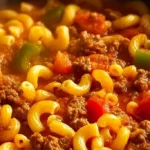
Old Fashioned Goulash
- Total Time: 40 minutes
- Yield: 4–6 servings 1x
- Diet: Beef
Description
A comforting and nostalgic dish that combines tender noodles with savory ground beef, enveloped in a rich tomato-based sauce.
Ingredients
- 1 lb Ground Beef
- 1 medium Onion, chopped
- 2 cloves Garlic, minced
- 1 can (15 oz) Tomato Sauce
- 1 can (14.5 oz) Diced Tomatoes
- 2 cups Elbow Macaroni
- 2 cups Beef Broth
- 2 tsp Italian Seasoning
- Salt and Pepper to taste
- 1 cup Shredded Cheddar Cheese
- 2 tbsp Olive Oil
Instructions
- Step: In a large skillet, heat the olive oil over medium heat. Add the chopped onion and sauté for about 3-4 minutes until translucent. Add the minced garlic and stir for an additional minute until fragrant.
- Step: Increase the heat to medium-high and add the ground beef. Cook until browned, about 5-7 minutes. Drain excess fat if needed.
- Step: Stir in the tomato sauce and diced tomatoes, and bring to a simmer. Season with Italian seasoning, salt, and pepper.
- Step: Add the beef broth and bring to a boil. Stir in the elbow macaroni, cover, and cook for about 8-10 minutes, or until pasta is al dente, stirring occasionally to prevent sticking.
- Step: Reduce heat to low and mix in the shredded cheese until melted and fully combined.
- Step: Spoon into bowls, garnish with fresh herbs if desired, and serve.
Notes
Leftovers can be stored in an airtight container in the refrigerator for 3-4 days. This dish can also be made ahead of time and frozen in portions for 2-3 months.
- Prep Time: 10 minutes
- Cook Time: 30 minutes
- Category: Main Course
- Method: Stovetop
- Cuisine: American
Nutrition
- Serving Size: 1 serving
- Calories: 350 kcal
- Sugar: 6 g
- Sodium: 800 mg
- Fat: 20 g
- Saturated Fat: 8 g
- Unsaturated Fat: 8 g
- Trans Fat: 1 g
- Carbohydrates: 30 g
- Fiber: 3 g
- Protein: 20 g
- Cholesterol: 70 mg