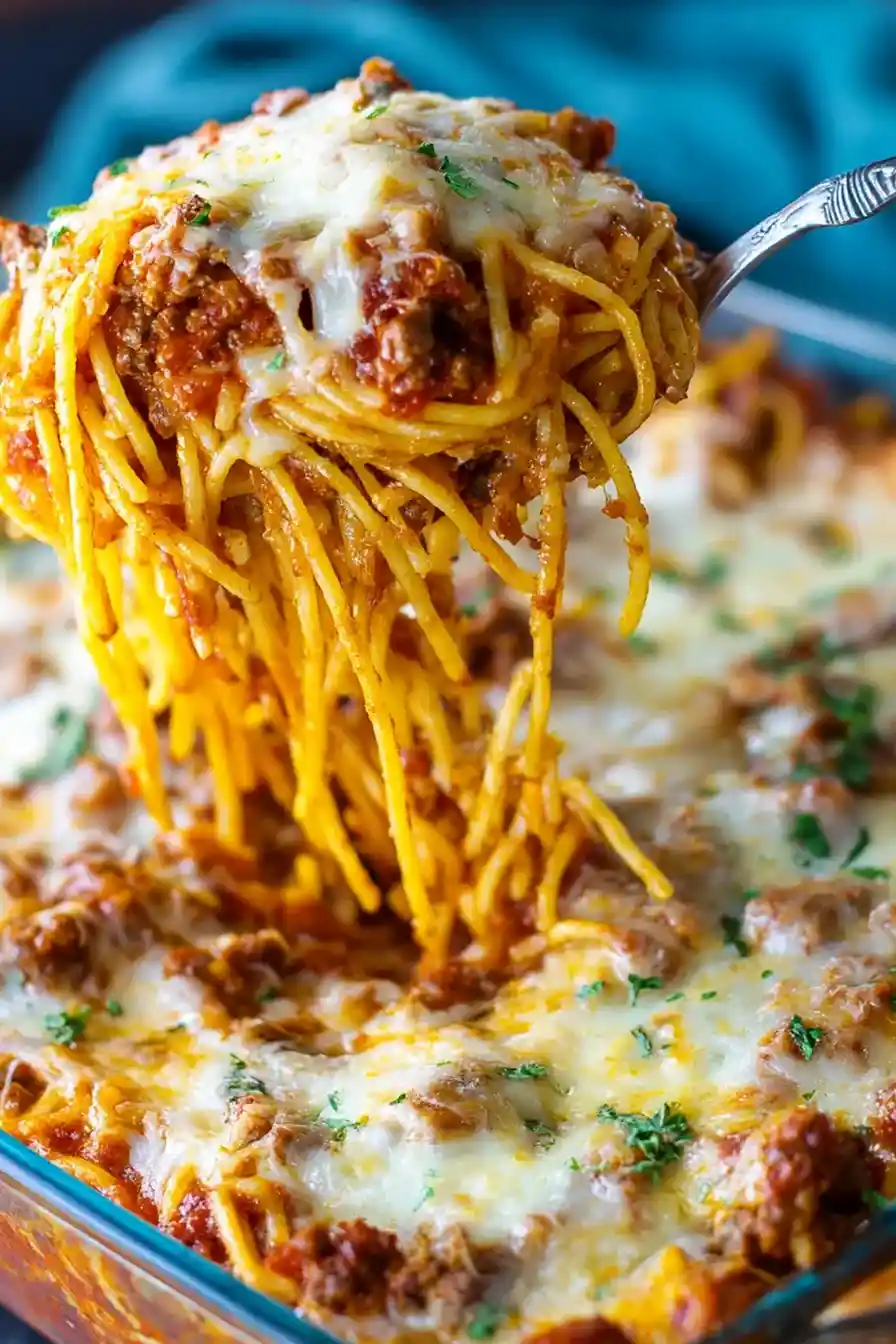
When you want the comfort of a classic Italian pasta dinner but crave the indulgence of a layered bake, this million dollar spaghetti casserole is the perfect solution. It elevates humble ingredients into a sophisticated meal that feels like a special occasion dish without requiring hours in the kitchen. By incorporating a rich, creamy cheese layer, this recipe transforms standard spaghetti into a decadent, restaurant-quality masterpiece that the whole family will love.
List of ingredients
- 1 lb spaghetti
- 1 lb ground beef
- 1 small onion, chopped
- 2 cloves garlic, minced
- 1 24 oz jar marinara or spaghetti sauce
- 1 8 oz block cream cheese, softened
- 1 cup ricotta or cottage cheese
- 1/2 cup sour cream
- 2 cups shredded mozzarella cheese
- 1/2 cup grated Parmesan cheese
- 2 tbsp butter, sliced into thin pats
- 1/2 tsp salt
- 1/4 tsp black pepper
- 1/2 tsp Italian seasoning
step-by-step instructions
- Step: Boil spaghetti until just al dente, drain and set aside.
- Step: In a large skillet, cook ground beef with onion until browned. Drain excess fat.
- Step: Add garlic, salt, pepper, Italian seasoning, and marinara sauce to the beef; simmer for 5–10 minutes.
- Step: In a bowl, stir together cream cheese, ricotta or cottage cheese, and sour cream until smooth.
- Step: Grease a 9×13-inch baking dish. Spread half the spaghetti on the bottom.
- Step: Top with the cream cheese mixture, spreading evenly.
- Step: Add the remaining spaghetti.
- Step: Pour the meat sauce over the top.
- Step: Dot with butter slices, then sprinkle with mozzarella and Parmesan.
- Step: Cover with foil and bake at 350°F (175°C) for 30 minutes. Remove foil and bake another 10–15 minutes until golden and bubbly.
- Step: Let rest for 5–10 minutes before slicing and serving.
Refining the preparation process
Achieving the perfect texture with pasta
Always aim for a texture that is slightly firmer than what you would typically eat for a standard pasta dish. Since the spaghetti will absorb liquid from the meat sauce and the creamy layer while baking in the oven, cooking it fully before assembly can lead to overdone noodles. Stopping the boiling process when the pasta still has a firm bite ensures it maintains integrity throughout the entire cooking cycle.
Managing heat for the cheese layer
The secret to a uniform creamy layer is ensuring the cream cheese is truly at room temperature before you begin mixing. If the cream cheese is too cold, you will struggle to achieve a smooth, spreadable consistency, resulting in chunks that fail to distribute evenly. Simply leave the block out on your kitchen counter for about thirty minutes before you start, or use the microwave on a very low power setting for a few seconds to soften it safely.
Customizing your casserole
Exploring alternative protein options
If you prefer a lighter profile, ground turkey or ground chicken are excellent substitutes for beef in this recipe. When using these leaner proteins, you may want to add a tablespoon of olive oil to the skillet when sautéing the onions, as there will be less natural fat rendered to prevent the meat from drying out. You can also mix in some finely chopped cooked lentils for a heartier texture that still pairs perfectly with the rich marinara sauce.
Integrating fresh garden vegetables
You can easily increase the nutritional profile of this dish by folding sautéed vegetables into the meat sauce. Finely diced bell peppers, shredded carrots, or small broccoli florets work well and add a pleasant textural contrast to the soft pasta. Ensure you sauté these vegetables until they are tender before adding the marinara, as they will not cook significantly more inside the casserole once the dish is assembled.
Practical storage and preparation
Managing leftovers for maximum freshness
To store your casserole, place any remaining portions in an airtight container as soon as the dish has cooled to room temperature. It will keep in the refrigerator for up to four days, making it an ideal candidate for meal prep at the start of the week. Avoid leaving the dish out on the counter for more than two hours after baking to keep the cheese and meat components at peak food safety standards.
Reheating techniques for optimal results
When you are ready to enjoy leftovers, the oven is the best tool for restoring the original texture. Cover the portion with foil and warm it in a 325°F oven until it is heated through, which usually takes about 20 minutes for a single slice. Using a microwave is quicker but can sometimes lead to uneven heating or soggy noodles, so consider using 50% power for longer cycles if you choose this method.
Freezing the casserole for later use
This dish is exceptionally well-suited for freezer storage, which makes it perfect for busy weeks. Assemble the casserole in a freezer-safe dish, cover it with a double layer of heavy-duty foil, and label it with the date; it will maintain its quality for up to three months. To cook from frozen, allow the dish to thaw completely in the refrigerator overnight before proceeding with the standard baking instructions to ensure it cooks through evenly.
Common cooking inquiries
Why is my casserole watery?
Watery results are typically caused by residual liquid in the vegetables or the pasta itself. Make sure you drain the cooked spaghetti thoroughly in a colander and shake it a few times to remove excess water before adding it to the baking dish. Additionally, if you add fresh vegetables, ensure they are cooked down well so they do not release their internal moisture during the baking process.
Can I assemble this ahead of time?
Yes, you can fully assemble the casserole, cover it tightly, and keep it in the refrigerator for up to 24 hours before baking. This is a great way to save time before a dinner party or a busy evening, as the flavors often have time to meld slightly better in the cold environment. Just remember to add an extra 5 to 10 minutes to the initial baking time if you are placing the dish into the oven directly from the refrigerator.
Is there a way to make the top crispier?
If you prefer a more pronounced golden crust on the cheese, you can run the casserole under the broiler for the final two minutes of cooking. Keep a very close eye on the oven during this stage, as the high heat can turn the cheese from perfectly browned to burnt in a matter of seconds. Using a mixture of freshly grated Parmesan and Mozzarella often provides a more reliable melt than pre-shredded varieties, which are sometimes coated in starches that can inhibit a crisp finish.
Can I use different types of pasta?
While spaghetti is the traditional choice that gives the dish its specific charm, you can certainly experiment with other shapes. Rigatoni or penne are excellent alternatives because their hollow centers can trap bits of the meat sauce and the creamy cheese mixture, resulting in more flavor in every bite. If you use a shorter pasta, you may need to adjust the quantities slightly to ensure the casserole dish remains full, as shorter noodles tend to settle more compactly than long, thin spaghetti strands.
How can I achieve a more intense herb profile?
To deepen the flavor of the tomato sauce, you can add fresh herbs like basil or oregano directly to the skillet while the meat is simmering. If you are using dried herbs, adding them earlier in the cooking process allows the essential oils to release into the sauce more effectively. A pinch of crushed red pepper flakes can also provide a subtle background heat that cuts through the richness of the cream cheese and mozzarella, making the flavor profile feel more dynamic and well-rounded.
Print
Million Dollar Spaghetti Casserole
- Total Time: 65 minutes
- Yield: 8 servings 1x
- Diet: Vegetarian-Friendly Option
Description
If you’ve ever wished spaghetti could be just a little more special, let me introduce you to Million Dollar Spaghetti Casserole. Imagine layers of perfectly cooked noodles, rich marinara, seasoned ground beef, and a creamy, cheesy filling that gives lasagna a run for its money.
Ingredients
- 1 lb spaghetti
- 1 lb ground beef
- 1 small onion, chopped
- 2 cloves garlic, minced
- 1 24 oz jar marinara or spaghetti sauce
- 1 8 oz block cream cheese, softened
- 1 cup ricotta or cottage cheese
- 1/2 cup sour cream
- 2 cups shredded mozzarella cheese
- 1/2 cup grated Parmesan cheese
- 2 tbsp butter, sliced into thin pats
- 1/2 tsp salt
- 1/4 tsp black pepper
- 1/2 tsp Italian seasoning
Instructions
- Step: Boil spaghetti until just al dente, drain and set aside.
- Step: In a large skillet, cook ground beef with onion until browned. Drain excess fat.
- Step: Add garlic, salt, pepper, Italian seasoning, and marinara sauce to the beef; simmer for 5–10 minutes.
- Step: In a bowl, stir together cream cheese, ricotta or cottage cheese, and sour cream until smooth.
- Step: Grease a 9×13-inch baking dish. Spread half the spaghetti on the bottom.
- Step: Top with the cream cheese mixture, spreading evenly.
- Step: Add the remaining spaghetti.
- Step: Pour the meat sauce over the top.
- Step: Dot with butter slices, then sprinkle with mozzarella and Parmesan.
- Step: Cover with foil and bake at 350°F (175°C) for 30 minutes. Remove foil and bake another 10–15 minutes until golden and bubbly.
- Step: Let rest for 5–10 minutes before slicing and serving.
Notes
Store leftovers in an airtight container for up to 4 days. You can also assemble this dish in advance and freeze for up to 3 months; thaw in the refrigerator overnight before baking.
- Prep Time: 20 minutes
- Cook Time: 45 minutes
- Category: Main Course
- Method: Baking
- Cuisine: American
Nutrition
- Serving Size: 1 slice
- Calories: 520 kcal
- Sugar: 8 g
- Sodium: 950 mg
- Fat: 28 g
- Saturated Fat: 14 g
- Unsaturated Fat: 10 g
- Trans Fat: 0 g
- Carbohydrates: 42 g
- Fiber: 3 g
- Protein: 24 g
- Cholesterol: 95 mg