This maple mustard salmon recipe yields a succulent, flaky, and beautifully caramelized dinner that comes together in under half an hour. By balancing the deep, savory notes of mustard and soy with the natural sweetness of maple syrup, this dish creates a sophisticated profile that works for busy weeknights or relaxed weekend gatherings. It is a reliable, high-protein meal that delivers restaurant-quality results right in your home oven.
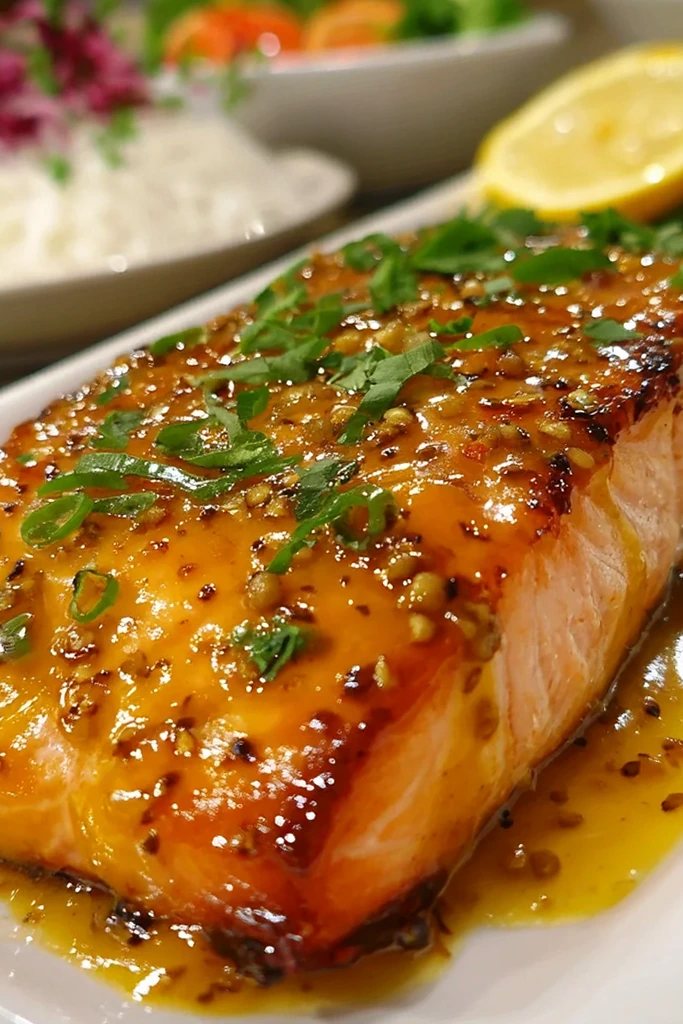
List of ingredients
- 1 large, 2-pound salmon fillet
- ¼ cup pure maple syrup
- 2 tablespoons Dijon mustard
- 2 tablespoons whole grain mustard
- 1 tablespoon low-sodium soy sauce or tamari
- 3 cloves garlic, minced
- 1 tablespoon olive oil
- Salt and freshly ground black pepper to taste
- 2 tablespoons fresh parsley or dill, chopped
step-by-step instructions
- Step: Preheat the oven to 400°F (200°C) and line a baking sheet with parchment paper or foil.
- Step: Pat the salmon fillet dry with paper towels.
- Step: In a bowl, whisk together the maple syrup, Dijon mustard, whole grain mustard, soy sauce, minced garlic, and olive oil until smooth.
- Step: Place the salmon skin-side down and season with salt and pepper. Brush two-thirds of the glaze over the salmon.
- Step: Bake the salmon for 12-15 minutes until it flakes easily and is opaque.
- Step: For caramelization, brush the remaining glaze over the salmon and broil for 1-2 minutes, watching closely.
- Step: Let the salmon rest for 5 minutes, then garnish with parsley or dill and serve.
Refining Your Roasting Technique
Maintaining Proper Oven Temperature
Roasting salmon at a steady 400°F ensures that the exterior sets while the interior remains tender. Fluctuations in temperature can cause the fish to dry out, so try to avoid opening the oven door during the first 10 minutes of the bake. Using an oven-safe thermometer can help you verify that the center has reached 145°F, which is the internal temperature recommended for safety.
Selecting the Best Fish Cuts
When selecting your fillet at the store, look for one that is uniform in thickness from end to end. If your salmon fillet is much thinner on the tail end than the center, consider tucking the thin portion underneath itself. This prevents the thinner parts from overcooking while waiting for the thicker parts to finish, resulting in more even doneness across the entire fillet.
Customizing Your Flavor Profiles
Exploring Acidic Balances
If you prefer your glaze to have more vibrancy, consider adding a teaspoon of apple cider vinegar or a squeeze of fresh lemon juice into the mixture before roasting. This brightness helps cut through the richness of the salmon’s natural oils. The extra acid also highlights the savory garlic and soy notes, making the glaze feel lighter on the palate.
Adjusting the Heat Levels
For those who enjoy a bit of warmth in their dinner, folding in a small amount of finely chopped fresh ginger or a dash of cayenne pepper can transform the glaze. Adding heat complements the sweetness of the maple syrup, providing a dynamic flavor profile that lingers on the tongue. Be sure to mix these additions thoroughly so the spice is distributed evenly throughout the sauce.
Meal Composition and Plating
Pairing with Whole Grains
The maple mustard glaze is quite flavorful, making it an excellent companion for plain grains like farro, quinoa, or steamed jasmine rice. These grains act as sponges, absorbing the excess glaze that pools on the plate. Cooking the grains in vegetable stock rather than water can add a subtle layer of complexity that ties the dish together.
Choosing Complementary Vegetables
Roasted root vegetables, such as carrots or parsnips, pair exceptionally well with the glaze due to their natural earthiness. Alternatively, sautéed dark leafy greens like kale or Swiss chard provide a bitter contrast that keeps the meal from feeling too sweet. Aim for a mix of textures—crunchy, soft, and tender—to build a satisfying eating experience.
Effective Management of Leftovers
Storing Cooked Salmon Properly
If you find yourself with extra salmon, place it in an airtight container within two hours of cooking. Kept in the coldest part of your refrigerator, it will retain its quality for up to two days. Avoid placing the container near the refrigerator door, where temperatures are more prone to fluctuations.
Reviving the Texture During Reheating
When reheating, use the oven or a toaster oven set to 300°F rather than a microwave. Microwaving often causes the fats to separate, leading to a tough or rubbery texture. A few minutes in a low-heat oven, perhaps with a tiny splash of vegetable broth, helps restore the moisture to the fish without overcooking it.
Frequently Asked Questions
Why did my glaze burn during the broiling step?
Maple syrup has a high sugar content, which causes it to caramelize and darken very quickly under the direct intensity of a broiler. This process happens in seconds, so it is necessary to watch the oven closely. If your oven has a powerful broiler, place the rack on a lower level to slow down the browning process.
Can I swap the maple syrup for other sweeteners?
Honey is the most direct substitute for maple syrup in this recipe, as it offers a similar viscosity and sweetness. While the flavor profile will shift slightly toward a more floral note, it works perfectly well with the mustard and soy. Avoid using granulated sugars, as they do not melt into the glaze as smoothly as liquid sweeteners.
Is it necessary to remove the skin after cooking?
The skin helps hold the fillet together during the roasting process and provides a barrier between the fish and the hot baking sheet. You can choose to eat the skin if it has crisped up, or you can easily slide a spatula between the flesh and the skin once the salmon is on your plate. It is purely a matter of personal preference.
How can I make the glaze thicker?
If you prefer a thicker, stickier coating, you can simmer the glaze in a small saucepan over medium-low heat for 3 to 4 minutes before brushing it onto the salmon. This reduces the water content of the soy sauce and mustard, resulting in a more concentrated sauce. Be careful not to cook it for too long, or it may become overly salty as the liquid evaporates.
What is the benefit of using two types of mustard?
Dijon mustard provides a smooth, emulsified texture and a sharp, spicy bite that permeates the fish. Whole grain mustard provides texture and a slightly milder, crunchier profile that looks appetizing on the finished dish. Using both ensures you get the benefits of a uniform glaze while maintaining a pleasant, rustic aesthetic.
Print
Maple Mustard Salmon: A Perfectly Glazed Roasted Dinner
- Total Time: 25 minutes
- Yield: 4 servings 1x
- Diet: Gluten Free
Description
A delicious and easy-to-make Maple Mustard Salmon recipe, perfect for a flavorful meal.
Ingredients
- 1 large, 2-pound salmon fillet
- ¼ cup pure maple syrup
- 2 tablespoons Dijon mustard
- 2 tablespoons whole grain mustard
- 1 tablespoon low-sodium soy sauce or tamari
- 3 cloves garlic, minced
- 1 tablespoon olive oil
- Salt and freshly ground black pepper to taste
- 2 tablespoons fresh parsley or dill, chopped
Instructions
- Step: Preheat the oven to 400°F (200°C) and line a baking sheet with parchment paper or foil.
- Step: Pat the salmon fillet dry with paper towels.
- Step: In a bowl, whisk together the maple syrup, Dijon mustard, whole grain mustard, soy sauce, minced garlic, and olive oil until smooth.
- Step: Place the salmon skin-side down and season with salt and pepper. Brush two-thirds of the glaze over the salmon.
- Step: Bake the salmon for 12-15 minutes until it flakes easily and is opaque.
- Step: For caramelization, brush the remaining glaze over the salmon and broil for 1-2 minutes, watching closely.
- Step: Let the salmon rest for 5 minutes, then garnish with parsley or dill and serve.
Notes
Use 100% pure maple syrup for best results. Adjust cooking time based on the thickness of the salmon fillet. Broiling adds a nice caramelized finish but requires careful monitoring.
- Prep Time: 10 minutes
- Cook Time: 15 minutes
- Category: Dinner
- Method: Baking
- Cuisine: American
Nutrition
- Serving Size: 1 fillet
- Calories: 350 kcal
- Sugar: 8g
- Sodium: 450mg
- Fat: 15g
- Saturated Fat: 2g
- Unsaturated Fat: 10g
- Trans Fat: 0g
- Carbohydrates: 28g
- Fiber: 1g
- Protein: 32g
- Cholesterol: 70mg